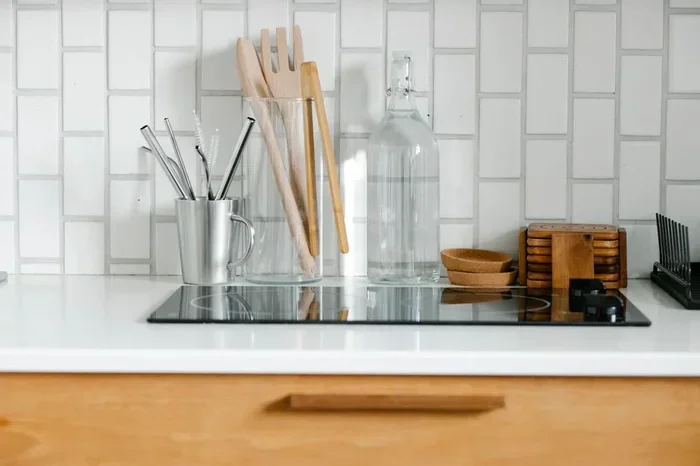
Tired of struggling to clean your glass stovetop? We’ve got you covered! Dive into our easy-to-follow guide filled with expert tips and tricks to restore your stove to sparkling clean. Say goodbye to stubborn stains and hello to a gleaming kitchen! 🌟
Introduction
Cleaning a glass stovetop can be a daunting task, especially when it comes to removing burnt-on food and stubborn stains. But it doesn’t have to be that way! With the right techniques and a little bit of elbow grease, you can achieve a sparkling clean stovetop in no time. In this comprehensive guide, we’ll walk you through the easiest ways to clean your glass stovetop, from tackling tough stains to maintaining that showroom shine.
Understanding Your Glass Stovetop
Before we dive into cleaning methods, it’s essential to understand your glass stovetop’s construction. Most glass stovetops have a ceramic glass surface that is heated by electrical elements beneath. This surface is smooth, non-porous, and resistant to heat, scratches, and stains. However, it can be susceptible to burnt-on food, mineral deposits, and scratches if not properly maintained.
Everyday Cleaning: Quick and Easy
For daily cleaning, you don’t need any specialized products. A simple mixture of dish soap and warm water will do the trick. Here’s how to clean your glass stovetop in just a few simple steps:
1. Wet the surface: Spray or pour a small amount of water onto the stovetop to soften any dried food or grease.
2. Apply the cleaning solution: Squirt a few drops of dish soap onto a soft, non-abrasive sponge or cloth, then dip it into the water. Wipe the stovetop in circular motions, ensuring you cover the entire surface.
3. Scrub gently: If there are any stubborn spots, apply a bit more elbow grease, but be careful not to scratch the surface.
4. Wipe clean: Using a damp cloth or paper towel, wipe away any residue or soap scum. Rinse the cloth or towel frequently to avoid spreading dirt around.
5. Dry thoroughly: Use a clean, dry cloth to buff the stovetop until it’s completely dry. This will help prevent water marks and maintain the glass’s shine.
Deep Cleaning: Tough Stains and Grease
For tougher stains and grease, you’ll need a more powerful cleaning solution. Here are some effective methods to tackle those stubborn messes:
1. Baking soda paste*
Baking soda is a gentle yet powerful cleaning agent that works wonders on glass stovetops. To create a baking soda paste, mix equal parts baking soda and water until you have a spreadable consistency. Apply the paste to the stovetop, using a sponge or cloth to work it into the surface. Let it sit for 10-15 minutes, then scrub gently with a non-abrasive pad or sponge. Wipe away the paste with a damp cloth, then rinse and dry the stovetop.
Pro tip: For extra cleaning power, sprinkle some coarse salt onto the baking soda paste before letting it sit. The salt acts as a mild abrasive, helping to lift away tough stains.
2. Vinegar and baking soda
Another effective combination is vinegar and baking soda. First, spray or wipe the stovetop with white vinegar. Then, sprinkle baking soda onto the wet surface. The mixture will fizz, which helps to break down grease and grime. Let it sit for 10-15 minutes, then scrub gently with a non-abrasive pad or sponge. Wipe away the residue with a damp cloth, then rinse and dry the stovetop.
3. Hydrogen peroxide
For particularly tough stains, hydrogen peroxide can be an effective cleaning agent. Pour a small amount directly onto the stain, then let it sit for 10-15 minutes. Scrub gently with a non-abrasive pad or sponge, then wipe away the residue with a damp cloth. Rinse and dry the stovetop thoroughly.
Caution: Always test a small, hidden area of your stovetop before using hydrogen peroxide to ensure it doesn’t cause discoloration or damage.
4. Commercial glass cooktop cleaners
If you prefer a store-bought solution, there are several glass cooktop cleaners available that are specifically designed to tackle tough stains and grease. Always follow the manufacturer’s instructions when using these products, and ensure they are safe for your specific stove.
Removing Mineral Deposits
Over time, mineral deposits can build up on your glass stovetop, leaving behind unsightly white or brown stains. To remove these deposits, you can use a mixture of lemon juice and salt or a commercial cleaner specifically designed for mineral deposits. Here’s how to do it using the lemon juice and salt method:
1. Squeeze the juice of one lemon into a small bowl.
2. Add enough coarse salt to create a paste-like consistency.
3. Apply the paste to the mineral deposits, using a sponge or cloth to work it into the surface.
4. Let it sit for 15-30 minutes, then scrub gently with a non-abrasive pad or sponge.
5. Wipe away the residue with a damp cloth, then rinse and dry the stovetop.
Maintaining Glass Stovetop Shine
To maintain that showroom shine, it’s essential to clean your glass stovetop regularly and take a few preventative measures:
1. Clean spills immediately: Wipe up spills as soon as they happen to prevent burnt-on messes and tough stains.
2. Use stove covers: Invest in a glass stovetop cover or a silicone mat to protect the surface from spills and scratches.
3. Avoid abrasive materials: Never use steel wool, scouring pads, or other abrasive materials to clean your stovetop, as they can scratch the surface.
4. Be cautious with high heat: Avoid using high heat on an empty burner, as this can cause warping or damage to the glass surface.
5. Regular deep cleaning: Make deep cleaning a part of your regular cleaning routine to keep your stovetop looking like new.
Conclusion
Cleaning a glass stovetop doesn’t have to be a daunting task. With the right techniques and a little bit of elbow grease, you can achieve a sparkling clean stovetop that looks and functions like new. By understanding your stovetop’s construction, using the appropriate cleaning methods, and taking preventative measures, you can maintain that showroom shine for years to come. So go ahead, say goodbye to tough stains and hello to a gleaming kitchen!
*
Key Takeaways
- Prevention is key: Clean spills immediately to prevent burnt-on messes.
- Baking soda works wonders: Use it to tackle tough stains and grease.
- abon the elbow grease: Use a non-abrasive scrubber or pad to avoid scratches.
- Homemade cleaners are effective: Try using vinegar, dish soap, or hydrogen peroxide for a natural clean.
- Regular cleaning maintains shine: Clean your stovetop daily to keep it looking like new.
- Always check your stove’s manual: Before using any cleaning product, ensure it’s safe for your specific stove.
[FEATURED_IMAGE_PLACEHOLDER]
Frequently Asked Questions
**
How often should I clean my glass stovetop?
Ideally, you should clean your glass stovetop daily to remove spills and prevent tough stains. Deep cleaning should be done weekly or bi-weekly, depending on how often you use your stove.
Can I use steel wool or scouring pads to clean my glass stovetop?
No, never use steel wool or scouring pads on a glass stovetop. These materials can scratch and damage the surface, making it more susceptible to stains and difficult to clean.
How can I remove burnt-on food from my glass stovetop?
To remove burnt-on food, try using a mixture of baking soda and water, or a commercial glass cooktop cleaner. Let the solution sit for 15-30 minutes, then scrub gently with a non-abrasive pad or sponge.
Can I use oven cleaner on my glass stovetop?
No, never use oven cleaner on a glass stovetop. Oven cleaner is highly abrasive and can damage the surface, causing scratches and making it more difficult to clean.
How can I prevent scratches on my glass stovetop?
To prevent scratches, avoid using abrasive materials like steel wool or scouring pads. Instead, use non-abrasive sponges, cloths, or pads. Additionally, use stove covers or silicone mats to protect the surface from spills and heat.
Can I use baking soda and vinegar together on my glass stovetop?
Yes, using baking soda and vinegar together can be an effective way to clean your glass stovetop. The combination creates a fizzing action that helps to break down grease and grime. However, be careful not to let the mixture sit too long, as the vinegar can etch the glass surface if left unattended.