Learning how to cook cabbage is easier than you think, and the results are delicious. This guide covers every method from boiling and sautéing to braising and stir-frying. You will find simple recipes, handy tips, and common mistakes to avoid so you can prepare cabbage perfectly every single time.
Learning how to cook cabbage opens up a world of simple, delicious meals that the whole family will love.
Cabbage is one of the most affordable and nutritious vegetables you can buy. Whether you prefer green cabbage, red cabbage, or savoy, this versatile veggie fits into countless dishes. From warm soups to crispy stir-fries, the options are truly endless.
Many people avoid cooking cabbage because they think it is hard or smelly. But with the right technique, how to cook cabbage becomes one of the easiest skills in your kitchen. This guide walks you through every method step by step.
You will learn how to prep your fresh cabbage, choose the best cooking method, and avoid common pitfalls. By the end, you will feel confident enough to make cabbage recipes like a pro. Let us dive in and explore the wonderful world of cooking cabbage.
Key Takeaways
- Multiple cooking methods: You can boil, sauté, braise, stir-fry, or roast cabbage with simple steps.
- Quick preparation: Learning how to prep cabbage takes just minutes with the right cutting techniques.
- Versatile ingredient: Cabbage works in soups, side dishes, salads, and main courses.
- Nutrient-rich: Green and red cabbage both offer great health benefits and are low in calories.
- Easy to store: Proper storage keeps fresh cabbage lasting for weeks and cooked cabbage for days.
- Beginner-friendly: No special skills needed to make tasty cabbage dishes at home.
📑 Table of Contents
Why Cabbage Deserves a Spot in Your Kitchen
Cabbage nutrition is impressive, to say the least. A single cup of chopped green cabbage has only about 22 calories but is packed with vitamin C, vitamin K, and fiber. It is one of the most nutrient-dense vegetables you can eat.
Red cabbage adds even more benefits. It contains anthocyanins, which are powerful antioxidants that support heart health and reduce inflammation. Both green and red cabbage heads are incredibly affordable, often costing less than a dollar per pound.
The cabbage health benefits go beyond basic nutrition. Regular consumption may support digestion, boost immunity, and even help with weight management. Plus, cabbage stores well for weeks, making it a smart staple to keep in your kitchen pantry.
How to Prep Cabbage for Cooking
Choosing the Right Cabbage
When you are at the store, look for cabbage heads that feel heavy for their size. The outer leaves should be tight and crisp, with no brown spots or wilted edges. A heavy cabbage means it is fresh and full of moisture.
Green cabbage is the most common and widely available. Red cabbage has a slightly peppery flavor and beautiful color. Savoy cabbage has crinkly leaves and a milder taste. Each type works well for different cooking methods, so pick the one that fits your cabbage recipes.
Cutting and Cleaning Your Cabbage
Cabbage preparation is simpler than most people think. Start by cutting the cabbage in half through the core. Then cut out the tough core at the base of each half.
Next, remove any damaged outer leaves. Rinse the cabbage under cold running water. For shredded cabbage, lay each half flat and cut into thin strips. For cabbage wedges, cut each half into quarters, keeping the core intact so the leaves stay together.
If you are making cabbage in soup or cabbage casserole, shredding works best. For cabbage wedges or braised dishes, keeping the cabbage in larger pieces is the way to go. Always remove the tough cabbage core before cooking.
Best Methods for How to Cook Cabbage
There are several great ways to cook cabbage. Each method brings out different flavors and textures. Here are the most popular techniques you can try at home.
Boiling Cabbage
Boiling is the simplest method for how to cook cabbage. Bring a large pot of salted water to a rolling boil. Add your shredded cabbage or cabbage wedges and let it cook until tender.
The cabbage cooking time depends on the size of your pieces. Shredded cabbage takes about 3 to 5 minutes. Whole cabbage wedges need 8 to 12 minutes. You can test doneness by piercing a wedge with a fork. If it goes through easily, your boiled cabbage is ready.
One great tip is to cook cabbage in an instant pot if you want faster results. You can learn more about boiling in an instant pot by checking out our guide on how to boil in instant pot. This saves time and keeps the nutrients locked in.
Drain the cooked cabbage using a colander or by straining without a strainer using a lid or cheesecloth. Season with butter, salt, and pepper for a classic side dish.
Sautéing Cabbage
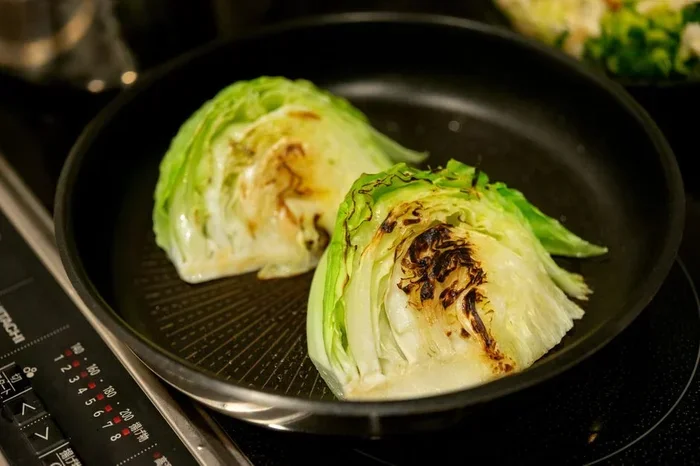
Sautéing cabbage is one of the fastest and most flavorful ways to prepare it. Heat a tablespoon of oil in a large cabbage pan over medium-high heat. Add thinly sliced cabbage and onions for a simple yet delicious result.
Stir the cabbage stir fry mixture frequently. Cook for about 5 to 7 minutes until the cabbage is tender and slightly caramelized. The natural sugars in the cabbage start to brown, creating a rich, sweet flavor.
For extra flavor, add a splash of soy sauce, a pinch of garlic, or a sprinkle of sesame seeds. This method works beautifully as a cabbage side dish alongside roasted meats or rice.
If you cook rice alongside your cabbage, you can use a rice cooker to save time. Learn more about how to cook on rice cooker to prepare both your grain and your cabbage side dish at the same time.
Braised Cabbage
Braised cabbage is a comfort food classic. This slow-cooking method makes the cabbage incredibly tender and full of rich flavor. Start by browning cabbage wedges in a hot pan with a little oil.
Then add your braising liquid. Chicken broth, white wine, or even beer all work wonderfully. Add aromatics like garlic, thyme, and bay leaves. Cover the pan and let it simmer on low heat for 20 to 30 minutes.
The cabbage cooking time for braising is longer than other methods, but the result is worth every minute. The cabbage becomes melt-in-your-mouth soft and absorbs all those savory flavors.
You can use the same braising technique described in our guide on how to braise ribs in oven for your braised cabbage. The low-and-slow approach works beautifully for both meats and vegetables.
Stir-Frying Cabbage
Cabbage stir fry is a quick and healthy option for busy weeknights. Heat your wok or cabbage pan until it is very hot. Add a small amount of oil and swirl it around.
Toss in thinly sliced fresh cabbage and stir constantly. High heat is the key to getting a slight char without making the cabbage soggy. Cook for just 3 to 4 minutes for a crisp-tender result.
For a complete meal, add protein like sliced chicken, tofu, or shrimp. Season with soy sauce, ginger, and a touch of sesame oil. This cabbage stir fry makes an excellent cabbage side dish or a light main course.
Delicious Cabbage Recipes to Try Tonight
Now that you know the basic methods, here are some cabbage recipes you can try right away. Each one is simple and packed with flavor.
Cabbage and Onion Skillet: Slice one head of green cabbage and two large onions. Sauté them in a hot pan with butter and a pinch of salt. Cook until the vegetables are soft and lightly golden. This is the perfect cabbage side dish for any dinner.
Red Cabbage Stir-Fry: Use red cabbage for a colorful and nutritious meal. Shred the cabbage and stir-fry it with garlic, ginger, and a splash of rice vinegar. The vibrant color stays beautiful when cooked quickly at high heat.
Cabbage Soup: This is one of the most comforting cabbage recipes you can make. Sauté diced onions and celery, then add chopped fresh cabbage and chicken broth. Simmer until the cabbage is tender. Season with thyme, salt, and pepper. Serve with crusty bread for a complete meal.
Braised Cabbage with Bacon: Brown thick cabbage wedges in a skillet, then add diced bacon, chicken broth, and a splash of apple cider vinegar. Let it braise until the cabbage is tender and the bacon is crispy. This is a show-stopping cabbage side dish that everyone will love.
Common Mistakes to Avoid When Cooking Cabbage
Even though how to cook cabbage is simple, a few common mistakes can ruin your results. Here is what to watch out for.
Overcooking the cabbage: This is the number one mistake. Overcooked cabbage turns mushy and releases a strong sulfur smell. Keep a close eye on the cabbage cooking time and remove it from heat as soon as it is tender.
Not seasoning enough: Cabbage is mild in flavor on its own. It needs salt, pepper, and other seasonings to shine. Do not be shy with your spices. A little butter, garlic, or soy sauce can transform plain boiled cabbage into something special.
Using the wrong heat level: High heat is best for sautéing and stir-frying. Low heat works for braising. Using the wrong temperature leads to uneven cooking. Make sure your pan is hot before adding shredded cabbage for stir-frying.
Skipping the prep work: Removing the tough outer leaves and the core is essential. These parts do not cook evenly and can be unpleasant to eat. Take the extra two minutes to prep your cabbage heads properly.
Storing and Reheating Cooked Cabbage
Proper storage keeps your cooked cabbage fresh and safe to eat. Let the cabbage cool completely before storing it in an airtight container. Refrigerated cooked cabbage lasts for 3 to 5 days.
To reheat, warm the cabbage in a skillet over medium heat with a splash of water or broth. This prevents it from drying out. You can also reheat boiled cabbage or braised cabbage in the microwave, though the skillet method gives better texture.
For longer storage, you can freeze cooked cabbage. Spread it on a baking sheet to freeze individually, then transfer it to a freezer bag. Frozen cooked cabbage keeps for up to 3 months. Just thaw and reheat when you are ready to eat.
Raw fresh cabbage stores differently than cooked cabbage. Whole cabbage heads last for weeks in the refrigerator crisper drawer. Once cut, wrap the remaining cabbage tightly in plastic wrap and use it within 2 to 3 days.
Conclusion
How to cook cabbage is a skill that everyone should have in their kitchen arsenal. With so many methods to choose from, you can enjoy this nutritious vegetable in countless ways. Whether you prefer boiled cabbage, braised cabbage, or a quick cabbage stir fry, there is a method that fits your style.
Start with the basics and experiment with different seasonings and pairings. The cabbage health benefits and low cost make it one of the best vegetables to cook regularly. Pick up a fresh head of green cabbage or red cabbage on your next grocery run and try one of the recipes from this guide.
Once you master how to cook cabbage, you will wonder why you ever avoided it. It is simple, affordable, and absolutely delicious. Happy cooking!
Frequently Asked Questions
Can I eat cabbage raw?
Yes, cabbage can be eaten raw and is actually very nutritious that way. Raw cabbage is great in salads, slaws, and wraps. Just make sure to wash it thoroughly before eating.
How long does it take to cook cabbage?
The cabbage cooking time depends on the method you choose. Boiling takes 3 to 12 minutes, sautéing takes 5 to 7 minutes, and braising takes 20 to 30 minutes. How long to cook cabbage also depends on whether you are using shredded or wedge cuts.
Is cooked cabbage healthy?
Yes, cooked cabbage retains most of its nutrients and is easy to digest. Cooking can actually increase the availability of some antioxidants. It remains a low-calorie, fiber-rich food that supports overall health.
Can I freeze cooked cabbage?
Absolutely. Let the cooked cabbage cool completely, then store it in a freezer-safe container. Frozen cooked cabbage keeps for up to 3 months. Thaw and reheat in a skillet for the best texture.
What is the best way to reduce the smell of cooked cabbage?
Adding a splash of vinegar or lemon juice while cooking helps reduce the sulfur smell. Keeping the lid slightly ajar also lets the odor escape. Cooking at the right heat level prevents overcooking, which is the main cause of strong odors.
Can I use red cabbage in the same recipes as green cabbage?
Yes, red cabbage works in most of the same recipes as green cabbage. It has a slightly peppery flavor and turns blue when cooked with alkaline foods. Adding a little acid like vinegar or lemon juice keeps it vibrant and purple.