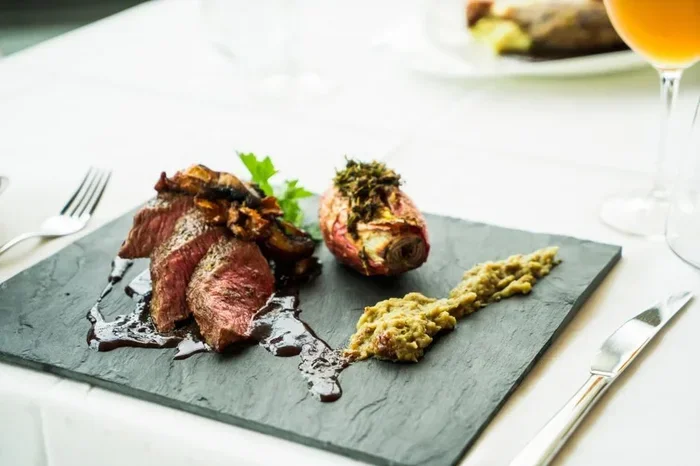
Chateaubriand is a classic French beef dish centered on a thick, tender cut of beef tenderloin. This guide shows you exactly how to cook chateaubriand to perfection, from choosing the right cut to achieving a beautiful sear and a pink, juicy center. You will learn the best cooking methods, essential tools, and pro tips that guarantee restaurant-quality results at home.
There is something truly special about a chateaubriand. This classic French dish has been wowing dinner guests for centuries, and for good reason. It centers on a thick, generous cut of beef that is seared to perfection and roasted until just pink in the middle. If you have ever wanted to recreate a restaurant-quality meal in your own kitchen, this is your guide.
Learning how to cook chateaubriand is simpler than you might think. With the right cut, a hot pan, and a few straightforward steps, you can serve a show-stopping main course that feels both elegant and comforting. Whether you are a beginner cook or someone looking to refine your beef techniques, this article covers everything you need to know.
We will walk you through selecting the best beef tenderloin, preparing it with the right seasoning, and cooking it to your preferred level of doneness. You will also find tips on making a simple pan sauce, pairing the dish with sides, and avoiding the mistakes that cause dry, tough results. By the end, you will feel confident enough to make chateaubriand a regular part of your cooking rotation.
Key Takeaways
- Choose the right cut: Beef tenderloin is the traditional choice for chateaubriand and ensures a tender, flavorful result.
- Sear before roasting: Pan searing creates a rich, caramelized crust that locks in juices and adds deep flavor.
- Use a meat thermometer: Internal temperature is the most reliable way to gauge doneness and avoid overcooking.
- Let the meat rest: Resting after cooking redistributes juices and keeps your chateaubriand moist and succulent.
- Pair with classic accompaniments: A rich sauce and seasonal vegetables complete the dish beautifully.
- Avoid common mistakes: Skipping the sear, cutting too early, and seasoning too late are the top errors to avoid.
📑 Table of Contents
What Is Chateaubriand?
The term chateaubriand refers to both a specific cut of beef and a famous French dish. Traditionally, it is a thick center-cut piece of beef tenderloin, usually about two to three inches thick. This cut comes from the loin, which is naturally tender because it does very little work during the animal’s life.
The dish itself is a celebration of simplicity and quality. A well-prepared chateaubriand is seared on the outside to create a golden crust, then roasted gently until the inside reaches a blush of pink. It is often served with a rich pan sauce and accompanied by roasted or grilled vegetables. The result is a dish that feels luxurious but remains approachable for home cooks.
Why Chateaubriand Stands Out
Not all beef dishes are created equal. Chateaubriand holds a special place in French cuisine because it highlights the natural flavor of high-quality beef. There is very little masking of flavors. The success of the dish depends entirely on the quality of the cut, the precision of the cooking, and the balance of the accompanying sauce and sides.
Compared to other roast beef preparations, chateaubriand offers a more uniform texture. Because it comes from the center of the tenderloin, there is very little variation in thickness or fat distribution. This makes it easier to cook evenly, which is a huge advantage for cooks who want consistent results every time.
Choosing the Right Beef for Chateaubriand
The foundation of a great chateaubriand starts at the butcher counter. You need a cut that is thick, uniform, and well-marbled. The beef tenderloin is the classic choice, and for good reason. It is the most tender cut of beef available and cooks quickly without drying out.
When selecting your roast, look for a piece that is at least two inches thick and about three to four pounds. A uniform shape ensures even cooking, while a thin layer of fat on the outside helps create a beautiful sear during the pan searing process.
Beef Tenderloin vs. Other Cuts
You might wonder if you can substitute other cuts for chateaubriand. While the traditional recipe calls for beef tenderloin, some cooks use top round or sirloin. However, these cuts lack the same level of tenderness and marbling. If you want the authentic experience, stick with tenderloin.
It is also worth noting that the way you prepare your beef matters just as much as the cut itself. Taking the time to properly prepare and season the meat before cooking makes a noticeable difference in the final result. For more on bringing out the best in your beef, check out our guide on how to tenderize meat naturally for helpful techniques that work beautifully with chateaubriand.
Essential Tools and Ingredients
Cooking chateaubriand does not require fancy equipment, but a few key tools will make the process smoother and more reliable. Here is what you need before you start:
- A heavy oven-safe skillet: Cast iron or stainless steel works best for achieving a deep sear.
- A meat thermometer: This is non-negotiable. It takes the guesswork out of determining doneness.
- Tongs: For flipping the roast safely in a hot pan.
- A sharp knife: For trimming excess fat and slicing the finished roast.
- Aluminum foil: For resting the meat after cooking.
Key Ingredients for a Classic Chateaubriand
The ingredient list is refreshingly short. You need good beef, salt, pepper, and a high-smoke-point oil like avocado or grapeseed. For the pan sauce, butter, shallots, and fresh herbs like thyme and rosemary are traditional choices. Some recipes also call for a splash of red wine or beef broth to build depth in the sauce.
Keep your seasoning simple and let the quality of the beef speak for itself. Overcomplicating the seasoning can mask the natural flavor that makes chateaubriand special in the first place.
Step-by-Step Cooking Instructions
Now comes the fun part. Here is a clear, reliable method for cooking chateaubriand that delivers consistent, delicious results.
Step 1: Prepare the Beef
Remove the beef tenderloin from the refrigerator about 30 minutes before cooking. Letting it come to room temperature promotes more even cooking throughout the roast. Pat the surface dry with paper towels. Moisture on the surface creates steam rather than a proper sear, so this step is critical.
Season generously with salt and freshly ground black pepper on all sides. If you prefer a more complex flavor profile, add garlic powder or a sprinkle of smoked paprika. Let the seasoned roast sit while you preheat your skillet.
Step 2: Sear the Roast
Place your oven-safe skillet over high heat and add a thin layer of oil. Once the oil is shimmering and almost smoking, carefully place the beef in the pan. You should hear a satisfying sizzle immediately. This is the pan searing step that builds the flavorful crust.
Sear each side for about two to three minutes until a deep golden-brown crust forms. Do not move the roast around during this process. Let the heat do its work. For a more thorough guide on searing techniques, our article on how to braise ribs in oven covers similar high-heat principles that apply here.
Step 3: Roast in the Oven
After searing, transfer the skillet directly to a preheated oven set to 425°F (220°C). Roast until the internal temperature reaches 120°F for rare, 130°F for medium-rare, or 140°F for medium. A thick roast like chateaubriand typically takes 15 to 25 minutes, depending on your oven and the exact thickness.
Insert the meat thermometer into the center of the roast for the most accurate reading. Remember that the temperature will rise by about five degrees as the meat rests, so pull it off the heat slightly below your target temperature.
Step 4: Rest and Slice
Once the roast reaches your desired temperature, remove it from the oven and transfer it to a cutting board. Cover loosely with aluminum foil and let it rest for at least 10 minutes. This resting period allows the juices to redistribute throughout the meat, resulting in a moist and tender slice.
Resist the urge to cut into the roast immediately. Cutting too early releases those precious juices onto the cutting board instead of keeping them in the meat. Patience here pays off in a juicier, more flavorful result.
Step 5: Make the Pan Sauce
While the meat rests, place the skillet back on the stovetop over medium heat. Add a splash of beef broth or red wine and scrape up the browned bits from the bottom of the pan. These fond bits are packed with flavor. Stir in a knob of butter and a few fresh herbs for a quick, elegant sauce that pairs perfectly with the roast.
Serving Suggestions and Pairings
Chateaubriand is a centerpiece dish that deserves equally impressive accompaniments. The rich, buttery flavor of the beef pairs wonderfully with a variety of sides. Here are some classic and modern options to consider:
- Roasted asparagus: The slightly bitter, charred flavor balances the richness of the beef.
- Creamy mashed potatoes: A timeless pairing that soaks up the pan sauce beautifully.
- Grilled haricots verts: Light, crisp, and refreshing alongside a heavy main course.
- Ratatouille: A vegetable-forward option that adds color and freshness to the plate.
- Crispy roasted potatoes: For a more indulgent, satisfying side dish.
For the sauce, a traditional béarnaise or a simple chimichurri both complement chateaubriand wonderfully. The choice depends on your preference. A creamy sauce adds richness, while a herbaceous chimichurri brings brightness and acidity that cuts through the fat.
Common Mistakes to Avoid
Even experienced cooks can trip up when preparing chateaubriand. Here are the most common mistakes and how to avoid them:
- Skipping the sear: A sear is not just cosmetic. It creates layers of flavor through the Maillard reaction. Do not rush this step.
- Cooking from cold: A refrigerator-cold roast cooks unevenly. Always let it temper at room temperature first.
- Overcooking the meat: Chateaubriand is best served medium-rare to medium. Overcooking turns the tenderloin dry and tough.
- Cutting too soon: Resting is not optional. Skipping this step means losing valuable juices.
- Using a dull knife: A sharp knife ensures clean slices that hold together and look beautiful on the plate.
For more on achieving the perfect texture in beef dishes, our guide on how to make beef stew meat tender on the stove offers additional insights into keeping beef tender and flavorful.
Expert Tips for Perfect Chateaubriand Every Time
Here are some pro-level tips that separate a good chateaubriand from a great one:
- Buy from a trusted butcher: Quality beef makes all the difference. A good butcher can trim and prepare the cut specifically for chateaubriand.
- Dry brine overnight: Salting the roast the night before and refrigerating it uncovered draws out moisture, which then gets reabsorbed for a more seasoned and evenly cooked result.
- Baste with butter: During the last few minutes of roasting, add butter, garlic, and herbs to the pan and spoon the melted mixture over the roast for extra richness.
- Use a probe thermometer: A leave-in probe thermometer lets you monitor the temperature without opening the oven door repeatedly, which can cause temperature fluctuations.
- Slice against the grain: When serving, cut perpendicular to the muscle fibers for the most tender bite.
Mastering the art of cooking beef to the right internal temperature is a skill that transfers to many other dishes. Understanding how heat affects different cuts of beef helps you become a more confident and versatile cook in the kitchen.
Storing Leftover Chateaubriand
If you have leftovers, store them properly to enjoy them the next day. Place sliced chateaubriand in an airtight container and refrigerate within two hours of cooking. It will keep in the fridge for up to three days. Reheat gently in a skillet over low heat with a splash of broth to keep the meat moist.
For longer storage, you can freeze cooked chateaubriand for up to two months. Wrap it tightly in plastic wrap and foil, or place it in a freezer-safe bag. Thaw overnight in the refrigerator before reheating.
For more tips on storing cooked beef and other foods, visit our guide on how to store beef for best practices on keeping your leftovers fresh and safe.
Conclusion
Learning how to cook chateaubriand is a rewarding experience that elevates your home cooking to a new level. With the right cut, proper seasoning, and careful attention to temperature, you can serve a dish that rivals anything from a fine dining restaurant. The process is straightforward, the results are impressive, and the compliments from your guests will be well worth the effort.
Remember to take your time with each step. Let the beef come to room temperature, sear it properly, roast it to the right temperature, and let it rest before slicing. These small details add up to a chateaubriand that is juicy, flavorful, and truly memorable. Try it at your next special dinner and enjoy the satisfaction of mastering one of France’s most beloved beef dishes.
Frequently Asked Questions
What cut of beef is best for chateaubriand?
Beef tenderloin is the traditional and best cut for chateaubriand. It is naturally tender, cooks evenly, and has a mild, buttery flavor that pairs well with any sauce or side dish.
What internal temperature should chateaubriand reach?
For medium-rare, pull the roast at 120°F to 125°F. The temperature will rise by about five degrees during resting, bringing it to a perfect 130°F. Medium doneness is around 135°F after resting.
Can I cook chateaubriand in a pressure cooker?
While you can cook beef in a pressure cooker, it is not recommended for chateaubriand. The thick cut benefits from a slow sear and even oven roasting, which preserves the tender texture and develops a flavorful crust.
How long should chateaubriand rest before slicing?
Let the roast rest for at least 10 minutes after cooking. This allows the juices to settle back into the meat, ensuring each slice is moist and full of flavor.
What sauce pairs best with chateaubriand?
A classic béarnaise sauce is the traditional pairing, but a simple pan sauce made with butter, shallots, and red wine also works beautifully. Chimichurri is a great fresh alternative if you prefer something lighter.
Can I make chateaubriand in advance?
Yes, you can prepare the roast ahead of time and reheat it gently before serving. However, for the best texture and flavor, it is ideal to cook chateaubriand fresh and serve it immediately.