
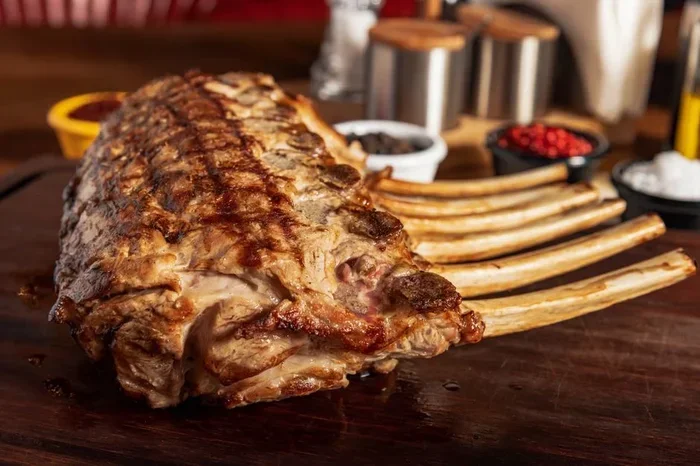
A prime rib roasting time chart takes all the guesswork out of cooking the perfect roast beef. This guide covers exact cooking times, oven temperatures, and internal temps for every roast size. You will learn how to achieve perfectly juicy prime rib from rare to well-done, every single time. Whether you are a beginner or a seasoned cook, this chart will become your go-to resource for roast prime rib success.
There is nothing quite like a perfectly roasted prime rib to make any dinner feel special. Whether you are cooking for a holiday gathering or a weekend family dinner, getting the timing right is everything. A prime rib roasting time chart takes all the guesswork out of the process. You will know exactly how long to cook your roast based on its size and your preferred level of doneness. This guide gives you everything you need to roast prime rib like a pro.
Many people worry about serving a dry or overcooked roast. The truth is, with the right prime rib roasting time chart, you can achieve juicy, tender results every time. We will walk you through the cooking times, oven temperatures, and internal temperatures step by step. By the end of this guide, you will feel confident enough to roast a prime rib all on your own.
Key Takeaways
- A roasting time chart removes all guesswork: You will know exactly how long to cook your prime rib based on weight and desired doneness.
- Oven temperature matters just as much as time: Most experts recommend starting at a high temperature and then lowering it for even cooking.
- Always use a meat thermometer: Internal temperature is the only reliable way to know your roast is done to perfection.
- Resting time is non-negotiable: Letting your roast rest for 15 to 30 minutes keeps all those juicy juices inside.
- Bone-in and boneless roasts cook differently: Adjust your timing and temperature expectations based on the cut you choose.
- Avoid common mistakes like skipping the resting period or opening the oven too often: These small errors can ruin an otherwise perfect roast.
📑 Table of Contents
- Why a Prime Rib Roasting Time Chart Matters
- Prime Rib Roasting Time Chart by Weight
- Oven Temperature and Cooking Method Guide
- How to Know When Your Prime Rib Is Done
- Pro Tips for Juicy Prime Rib Every Time
- Common Prime Rib Roasting Mistakes to Avoid
- Pairing Prime Rib with the Perfect Side Dishes
- Conclusion
Why a Prime Rib Roasting Time Chart Matters
Cooking a beef roast without a plan is like driving without a map. You might eventually get there, but you will likely make a few wrong turns along the way. A prime rib roasting time chart gives you a clear roadmap from start to finish. It tells you exactly how long to cook your roast based on its weight and the level of doneness you want.
The beauty of using a chart is consistency. Every time you roast prime rib, you get the same great results. You do not have to rely on luck or guesswork. Instead, you follow a proven prime rib recipe backed by time-tested cooking science.
How Cooking Time Affects Doneness
The cooking time for your roast prime rib depends on several factors. The weight of the roast is the biggest one. A smaller roast cooks faster than a larger one. The shape of the roast also matters. A thick, compact roast will cook differently than a long, narrow one.
Your desired level of doneness plays a big role too. Do you want a rare prime rib with a cool red center? Or do you prefer a medium-rare prime rib that is warm and juicy throughout? Each level of doneness requires a slightly different amount of time in the oven. This is exactly why a prime rib roasting time chart is so valuable.
Bone-In vs. Boneless Prime Rib
Another factor that affects your prime rib per pound cooking time is whether you choose a bone-in or boneless roast. Bone-in prime rib takes a bit longer to cook because the bone acts as an insulator. The heat has to work harder to penetrate through the bone to the center of the meat.
Boneless prime rib, on the other hand, cooks more evenly and usually faster. Many people prefer boneless for its convenience. But bone-in roasts often have more flavor because the bone adds richness to the meat during the slow roasting process. Both cuts are excellent choices, and your prime rib roasting time chart should account for this difference.
Prime Rib Roasting Time Chart by Weight
Here is the heart of this guide. The following prime rib roasting time chart gives you approximate cooking times based on the weight of your roast. These times assume you are roasting at 325 degrees Fahrenheit and aiming for a medium-rare doneness. Always use a meat thermometer to check the internal temperature for the most accurate results.
Prime Rib Roasting Time Chart (At 325°F for Medium-Rare):
- 2 to 3 pounds: Cook for about 25 to 30 minutes per pound. Total time is roughly 50 to 90 minutes.
- 4 to 5 pounds: Cook for about 20 to 25 minutes per pound. Total time is roughly 80 to 125 minutes.
- 6 to 7 pounds: Cook for about 18 to 22 minutes per pound. Total time is roughly 108 to 154 minutes.
- 8 to 10 pounds: Cook for about 15 to 20 minutes per pound. Total time is roughly 120 to 200 minutes.
- 10 to 15 pounds: Cook for about 13 to 17 minutes per pound. Total time is roughly 130 to 255 minutes.
These numbers are starting points. Every oven is different. Some ovens run hot, while others run cool. Your prime rib internal temp is the ultimate guide. Always check the temperature in the thickest part of the roast, away from the bone.
Adjusting for Rare and Well-Done
If you prefer your roast more on the rare side, reduce the cooking time by about 5 minutes per pound. For a well-done roast, add about 5 to 10 minutes per pound. The prime rib doneness you choose will shift your total cooking time slightly. But the chart above gives you a solid baseline to work from.
Keep in mind that the roast continues to cook after you take it out of the oven. This is called carryover cooking. The internal temperature will rise by about 5 to 10 degrees during the resting period. So if you want a medium-rare finish, pull your roast off the heat when it hits about 120 to 125 degrees.
Oven Temperature and Cooking Method Guide
The oven temperature you choose has a huge impact on your results. Most prime rib recipes call for a two-stage approach. You start at a high temperature and then lower it. This method gives you a beautifully browned crust on the outside while keeping the inside moist and tender.
The High-Start, Low-Finish Method
This is the most popular method for roast beef. You start by heating your oven to 450 degrees Fahrenheit. Roast your prime rib at this high temperature for about 15 minutes. This initial blast of heat creates a delicious sear on the outside.
After the initial sear, reduce the oven temperature to 325 degrees Fahrenheit. Continue roasting until the prime rib internal temp reaches your target. This two-step approach works beautifully for roasts of all sizes. It gives you the best of both worlds: a crispy exterior and a juicy interior.
Low and Slow Roasting
Some cooks prefer a low and slow approach. They set the oven to 275 degrees Fahrenheit and roast the beef for a longer period. This method produces very tender results with less shrinkage. It is a great option if you want to free up your oven for other dishes.
The trade-off is time. A low and slow roast can take several hours. If you are short on time, the high-start method is your best bet. Either way, your prime rib roasting time chart should be adjusted based on the oven temperature you choose.
Using a Dutch Oven for Roasting
If you do not have a standard roasting pan, a Dutch oven works wonderfully for prime rib. The heavy lid traps moisture and creates a self-basting environment. Your roast stays incredibly juicy as a result.
For the best results with this method, check out our guide on the best round roasting rack for Dutch oven to ensure proper air circulation around your roast. A rack elevates the meat and allows heat to flow evenly, which is key for a perfect roast.
How to Know When Your Prime Rib Is Done
Knowing when your roast is done is the most important part of the entire process. The prime rib roasting time chart gives you a general idea, but the only way to be sure is to use a meat thermometer. This simple tool takes all the mystery out of roasting.
Internal Temperature Guide for Prime Rib
Here are the internal temperatures you should target for each level of doneness. Remember that the temperature will rise a few degrees during the resting period.
- Rare: 120 to 125 degrees Fahrenheit (pull at 115 degrees)
- Medium-Rare: 130 to 135 degrees Fahrenheit (pull at 125 degrees)
- Medium: 140 to 145 degrees Fahrenheit (pull at 135 degrees)
- Medium-Well: 150 to 155 degrees Fahrenheit (pull at 145 degrees)
- Well-Done: 160 degrees Fahrenheit and above (pull at 155 degrees)
For most prime rib lovers, medium-rare is the sweet spot. It offers the best balance of flavor, juiciness, and tenderness. A rare prime rib is also a favorite for those who love a cool, red center. Choose the doneness that suits your taste and follow the corresponding temperature guide.
The Importance of Resting Time
Once your roast comes out of the oven, resist the urge to cut into it right away. Resting time is just as important as the cooking time. Let your prime rib sit for at least 15 to 30 minutes before slicing. During this time, the juices redistribute throughout the meat.
If you cut too early, those precious juices will run all over your cutting board instead of staying inside the roast. The result is a drier, less flavorful piece of beef. Give your roast the time it needs, and you will be rewarded with the most succulent slices.
Pro Tips for Juicy Prime Rib Every Time
Even with a perfect prime rib roasting time chart, small details can make or break your roast. Here are some pro tips that will help you achieve the best results every single time.
Season Generously and Early
Good prime rib seasoning starts with salt. Apply a generous coat of kosher salt to your roast at least 24 hours before cooking. This gives the salt time to penetrate deep into the meat. It also helps draw out moisture, which then gets reabsorbed, creating a deeply seasoned and tender roast.
Add black pepper, garlic powder, and fresh herbs like rosemary and thyme for extra flavor. Some cooks like to create a paste with herbs and olive oil and rub it all over the roast. The key is to be generous. Prime rib is a showstopper, and it deserves bold seasoning.
Bring the Roast to Room Temperature
Take your prime rib out of the refrigerator about 2 to 3 hours before cooking. Let it sit on the counter and come to room temperature. This ensures the roast cooks more evenly from edge to center.
If you put a cold roast straight into a hot oven, the outside will overcook before the inside has a chance to catch up. This simple step makes a big difference in the final result.
Do Not Skip the Meat Thermometer
A meat thermometer is the single most important tool for roasting prime rib. Do not rely on time alone. Ovens vary, roasts vary, and every cooking session is different. A thermometer gives you precise, reliable information about the prime rib internal temp at all times.
Insert the thermometer into the thickest part of the roast, avoiding the bone if you are cooking a bone-in cut. Check the temperature in multiple spots to get an accurate reading. This small investment in a good thermometer will transform your roasting results.
Plan for Leftovers
Prime rib makes amazing leftovers. If you cook more than you need, you will have delicious slices ready for sandwiches and salads the next day. Speaking of quick beef meals, if you love efficient cooking, you might also enjoy our 15 instant pot ground beef recipes that save time for quick weeknight dinners using beef.
Common Prime Rib Roasting Mistakes to Avoid
Even experienced cooks can make mistakes when roasting prime rib. Being aware of these common errors helps you avoid them and serves up a perfect roast every time.
Opening the Oven Door Too Often
Every time you open the oven door, heat escapes. This causes fluctuations in the oven temperature and can lead to uneven cooking. Resist the temptation to peek inside every few minutes. Trust your prime rib roasting time chart and check the temperature only when you are close to the expected finish time.
Skipping the Resting Period
This mistake is more common than you might think. After all that hard work, the last thing you want is to ruin the roast by cutting into it too soon. Always let your prime rib rest for at least 15 to 30 minutes. Tent it loosely with aluminum foil to keep it warm while it rests.
Not Accounting for Carryover Cooking
Carryover cooking is a real phenomenon. The internal temperature of your roast will continue to rise even after you take it out of the oven. If you pull the roast at exactly 135 degrees for medium-rare, it will likely reach 140 to 145 degrees by the time you are ready to slice. Factor this into your planning and pull the roast a few degrees early.
Using the Wrong Pan or Rack
The pan and rack you use affect airflow and cooking evenness. A shallow roasting pan with a wire rack is ideal. Avoid deep pans that trap steam and create a soggy bottom. The right equipment makes a noticeable difference in the texture and appearance of your roast.
Pairing Prime Rib with the Perfect Side Dishes
A great prime rib deserves great sides. Classic pairings include roasted potatoes, grilled asparagus, and a fresh green salad. For something a little different, you might consider adding a seafood element to your dinner. Quick and easy shrimp dishes pair beautifully with roast beef for an elegant meal.
For some inspiring ideas, check out our 14 pre-cooked shrimp recipes that save time. These recipes are perfect for when you want a delicious side without spending hours in the kitchen. A couple of shrimp dishes will round out your prime rib dinner beautifully.
Conclusion
Roasting a perfect prime rib is easier than you think when you have the right tools and guidance. A prime rib roasting time chart gives you the foundation you need for success. Combine it with the right oven temperature, a reliable meat thermometer, and a proper resting period, and you will serve up roast beef that wows every guest at the table.
Remember to account for the weight of your roast, your preferred level of doneness, and whether you are cooking bone-in or boneless. Avoid the common mistakes that can ruin an otherwise perfect roast. And most importantly, enjoy the process. There is something truly special about pulling a beautiful, juicy prime rib out of the oven and sharing it with the people you love.
Now that you have all the information you need, it is time to put it into practice. Grab your prime rib roasting time chart, pick up a beautiful roast, and get ready to create a meal that will be remembered for a long time. Happy roasting!
Frequently Asked Questions
How long does it take to roast a 5-pound prime rib?
At 325 degrees Fahrenheit, a 5-pound prime rib takes approximately 1 hour and 40 minutes to 2 hours for medium-rare doneness. Always use a meat thermometer to check the internal temperature, as cooking times can vary based on your oven and the roast’s shape.
What is the best oven temperature for prime rib?
The best approach is to start at 450 degrees Fahrenheit for 15 minutes to create a nice sear, then reduce to 325 degrees Fahrenheit for the remainder of the cooking time. This two-stage method gives you a crispy exterior and a juicy, tender interior.
Should I cover my prime rib with foil while resting?
Yes, loosely tenting your roast with aluminum foil during the resting period is a great idea. It keeps the meat warm while allowing the juices to redistribute. Do not wrap it tightly, as this can trap steam and soften the crispy crust.
How do I know if my prime rib is medium-rare?
A medium-rare prime rib should reach an internal temperature of 130 to 135 degrees Fahrenheit. The center should be warm and pink with a slight red hue. Remember that the temperature will rise by about 5 to 10 degrees during the resting period.
Can I use the prime rib roasting time chart for a boneless roast?
Yes, the chart works for both bone-in and boneless prime rib. However, boneless roasts generally cook a bit faster because there is no bone acting as an insulator. Reduce the cooking time slightly and monitor the internal temperature closely.
What is the ideal prime rib per pound cooking time?
As a general rule, plan for about 15 to 20 minutes per pound at 325 degrees Fahrenheit for medium-rare doneness. Thinner roasts cook faster, while larger roasts take a bit longer per pound. Always verify with a meat thermometer for the best results.



