Cooking gnocchi is simpler than you think, and this guide shows you exactly how to do it right. You will learn how to make soft, pillowy gnocchi from scratch, boil them to perfection, and avoid the most common gnocchi mistakes. Whether you are a beginner or a seasoned cook, these gnocchi cooking tips will transform your results.
Gnocchi is one of those dishes that feels fancy but is actually very approachable. If you have ever wondered how to cook gnocchi like a pro, you are in the right place. This guide walks you through every step, from making the dough to serving the finished dish. We also cover the most common gnocchi mistakes so you can avoid them.
Whether you want to make potato gnocchi from scratch or cook store-bought gnocchi better, this article has you covered. The techniques here apply to all types of gnocchi. You will learn how to get the perfect texture, the right cooking time, and the best ways to serve your gnocchi. Let us dive in.
Key Takeaways
- Use the right potato-to-flour ratio: Too much flour makes gnocchi dense and heavy.
- Boil gnocchi in salted water: They float when done, usually within 2 to 3 minutes.
- Avoid overworking the dough: This is the number one mistake that leads to tough gnocchi.
- Pan-fry for extra texture: A quick sear in butter adds a golden, crispy exterior.
- Store or freeze properly: Cooked gnocchi keeps well in the fridge and freezer for later use.
- Pair with simple sauces: Brown butter, pesto, and sage complement gnocchi beautifully.
📑 Table of Contents
- What Is Gnocchi and Why It Is Worth Cooking
- How to Make Gnocchi Dough From Scratch
- How to Cook Gnocchi: The Right Way
- Common Gnocchi Mistakes and How to Avoid Them
- Best Sauces and Serving Ideas for Gnocchi
- Storing and Reheating Gnocchi
- Quick Tips for Perfect Gnocchi Every Time
- Final Thoughts on Cooking Gnocchi
What Is Gnocchi and Why It Is Worth Cooking
Gnocchi is a type of Italian pasta made from potatoes, flour, and eggs. The word comes from the Italian term for knuckles, which describes their small, dumpling-like shape. Unlike regular pasta, gnocchi has a soft, pillowy texture that soaks up sauce beautifully.
There are many gnocchi variations out there. Potato gnocchi is the most popular, but you can also find semolina gnocchi, ricotta gnocchi, and even gluten-free versions. Each type has its own charm and cooking method. The basic gnocchi recipe is simple enough for beginners, yet it offers plenty of room for experimentation.
Learning how to make homemade gnocchi gives you control over the ingredients. You can adjust the flour amount, choose better potatoes, and create a fresher product than anything from a box. Plus, fresh gnocchi cooks faster and tastes lighter than dried versions.
How to Make Gnocchi Dough From Scratch
Making gnocchi dough is the foundation of a great dish. Get this step right, and everything else falls into place. Here is how to do it.
Ingredients You Will Need
- 2 pounds of russet potatoes – starchy potatoes work best for gnocchi
- 1 to 1.5 cups of all-purpose flour – use just enough to hold the dough together
- 1 egg – adds binding and richness
- Salt – essential for flavor
Step-by-Step Dough Preparation
Start by baking the potatoes whole with the skin on. Do not boil them, as boiling adds too much moisture. Once baked, let them cool slightly, then peel and mash them while they are still warm. Use a potato ricer or fork for a light, fluffy texture.
Add the egg and salt to the mashed potatoes. Then slowly mix in the flour, a little at a time. The key to soft gnocchi is using the least amount of flour possible. Overworking the dough develops gluten, which makes gnocchi chewy instead of tender.
Knead the dough gently just until it comes together. It should feel soft and slightly sticky. If it feels too wet, add a tiny bit more flour. If it feels dry or stiff, your dough has too much flour.
Shaping the Gnocchi
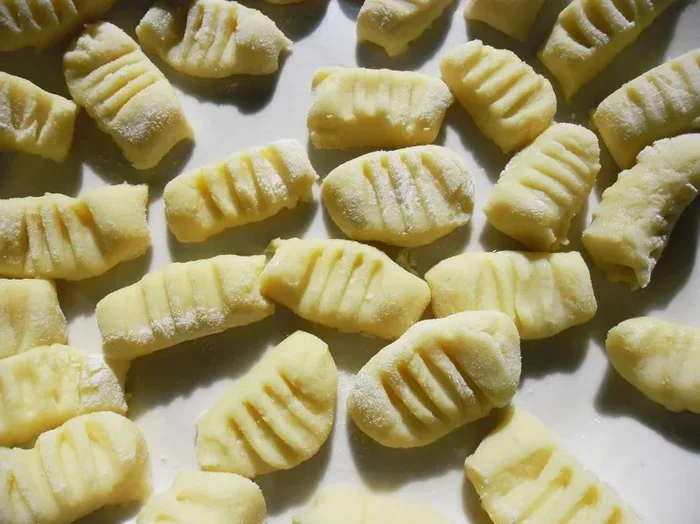
Divide the dough into small pieces. Roll each piece into a long rope about half an inch thick. Cut the ropes into small pieces, about half an inch each. You can leave them plain or press each piece with a fork to create ridges. The ridges help sauce cling to the gnocchi.
Place the shaped gnocchi on a floured baking sheet. Make sure they do not touch each other, or they will stick together. At this point, you can cook them right away or let them dry slightly for a few minutes.
How to Cook Gnocchi: The Right Way
Now that your dough is ready, it is time to cook the gnocchi. This is where many people go wrong, so pay close attention to these steps.
Boiling Gnocchi
Bring a large pot of water to a rolling boil. Add plenty of salt, about one tablespoon per quart of water. The water should taste like the sea. Drop the gnocchi into the water gently so they do not stick together.
Fresh gnocchi cooks very fast. They are done when they float to the surface, which usually takes 2 to 3 minutes. Overcooked gnocchi becomes mushy and falls apart. Use a slotted spoon or a spider strainer to remove them immediately.
If you do not have a strainer, you can learn how to strain without a strainer using a colander or even a lid with small holes. This simple trick works in a pinch and keeps your gnocchi intact.
Pan-Frying Gnocchi for Extra Texture
After boiling, you can give your gnocchi a golden crust by pan-frying them. Heat a skillet over medium heat and add butter or olive oil. Once the butter is melted and slightly foamy, add the boiled gnocchi in a single layer.
Let them cook undisturbed for 2 to 3 minutes until the bottom turns golden brown. Then flip them gently and cook the other side for another 1 to 2 minutes. The result is gnocchi with a crispy outside and a soft inside. This method adds a wonderful depth of flavor that boiling alone cannot achieve.
Using an Instant Pot or Rice Cooker
Some cooks wonder if they can boil gnocchi in an instant pot. The answer is yes. You can learn how to boil in an instant pot and use that same method for gnocchi. Simply add water, set it to boil, and cook the gnocchi until they float. The pressure cooker method works well for larger batches.
Common Gnocchi Mistakes and How to Avoid Them
Even experienced cooks make mistakes with gnocchi. Here are the most common ones and how to fix them.
Using Too Much Flour
The biggest enemy of great gnocchi is too much flour. It makes the dumplings dense, heavy, and chewy. Always start with less flour and add more only if the dough is too sticky. Remember, the dough should feel soft and slightly sticky, not stiff.
Overworking the Dough
Kneading gnocchi dough too much activates the gluten in the flour. This turns your soft pillows into rubbery bites. Mix and knead just until the ingredients come together. Stop as soon as the dough is smooth and elastic.
Using the Wrong Potatoes
Not all potatoes are created equal for gnocchi. Russet or Yukon Gold potatoes have the right starch content. Waxy potatoes hold too much moisture and make the dough wet and sticky. Bake your potatoes instead of boiling them to keep the moisture level low.
Skipping the Resting Period
Letting the shaped gnocchi rest for 10 to 15 minutes before cooking helps them hold their shape. This simple step prevents them from falling apart in the water. Do not skip it, especially if you are making a large batch.
Cooking in a Small Pot
Crowding the pot causes gnocchi to stick together and cook unevenly. Use a large pot with plenty of water. This gives each gnocchi room to move and cook consistently. If you are cooking a big batch, do it in two rounds.
Best Sauces and Serving Ideas for Gnocchi
Gnocchi is incredibly versatile when it comes to sauces. The right sauce elevates the dish from simple to extraordinary.
Brown Butter and Sage
This is a classic pairing that never disappoints. Melt butter in a pan until it turns golden and nutty. Add fresh sage leaves and let them crisp for a few seconds. Toss the cooked gnocchi in the butter and serve immediately. The nutty flavor of brown butter complements the mild potato taste perfectly.
Tomato Basil Sauce
A simple marinara or fresh tomato basil sauce works beautifully with gnocchi. The acidity of the tomatoes cuts through the richness of the dumpling. Add a sprinkle of Parmesan cheese and fresh basil for a complete dish.
Pesto Sauce
Homemade or store-bought pesto pairs wonderfully with gnocchi. The herbal, garlicky flavor adds a bright contrast to the mild dumplings. Toss the gnocchi in pesto and top with pine nuts and shaved Parmesan.
Creamy Alfredo or Cheese Sauce
For a richer option, a creamy Alfredo or garlic cheese sauce coats gnocchi beautifully. The creamy texture contrasts with the soft, pillowy gnocchi. Add grilled chicken or roasted vegetables to make it a full meal.
Storing and Reheating Gnocchi
Leftover gnocchi is common, and knowing how to store it properly makes a big difference. Cooked gnocchi can be stored in an airtight container in the refrigerator for up to 2 days. Toss it lightly with olive oil or flour to prevent sticking.
You can also freeze gnocchi. Lay the cooked gnocchi on a baking sheet lined with parchment paper and freeze them until solid. Then transfer them to a freezer bag. They keep well for up to 2 months. To reheat, boil them for 1 to 2 minutes or pan-fry them from frozen.
If you want to learn more about storing cooked food items, check out our guide on how to store quinoa for similar storage principles that apply to leftover pasta and dumplings.
For raw gnocchi dough, wrap it tightly in plastic wrap and refrigerate for up to 1 day. You can also freeze the shaped, uncooked gnocchi directly on a baking sheet, then transfer them to a bag once frozen. Cook them from frozen, adding an extra minute or two to the cooking time.
Quick Tips for Perfect Gnocchi Every Time
- Always bake potatoes instead of boiling them to reduce moisture.
- Use a potato ricer for the smoothest, lightest dough.
- Add flour gradually and stop as soon as the dough holds together.
- Do not overwork the dough. Handle it gently.
- Salt the boiling water generously.
- Cook gnocchi in batches if you are making a large quantity.
- Pan-fry boiled gnocchi for a crispy golden exterior.
- Serve gnocchi immediately after cooking for the best texture.
Final Thoughts on Cooking Gnocchi
Making gnocchi at home is one of the most rewarding things you can do in the kitchen. Once you master the basic technique, you can experiment with different flavors, shapes, and sauces. The process is simple, but the results are impressive.
Remember that the secret to great gnocchi lies in using the right amount of flour, not overworking the dough, and cooking it just until it floats. These small details make a huge difference in the final dish. With practice, you will be able to make perfect gnocchi without even thinking about it.
Start with this guide, follow the steps carefully, and soon you will be serving restaurant-quality gnocchi at home. The first batch might not be perfect, and that is okay. Every attempt teaches you something new. Keep practicing, and you will get there. Enjoy the process and, most importantly, enjoy your gnocchi.
Frequently Asked Questions
How long does it take to cook gnocchi?
Fresh gnocchi typically cooks in 2 to 3 minutes once they float to the surface of boiling water. Store-bought gnocchi may take 3 to 5 minutes depending on the brand and thickness. Always taste one to check for the right texture before draining.
Can you overcook gnocchi?
Yes, overcooking gnocchi makes them mushy and causes them to fall apart. Remove them from the water as soon as they float and have been floating for about 30 seconds. This ensures they stay soft but hold their shape.
Do you need to boil gnocchi before pan-frying?
Yes, the standard method is to boil gnocchi first and then pan-fry them for a crispy exterior. Some recipes call for cooking gnocchi directly in the pan with sauce, but boiling first gives you better control over the texture.
Why are my gnocchi rubbery and tough?
Rubberiness usually comes from too much flour or overworking the dough. Both develop gluten, which makes gnocchi chewy. Use minimal flour, handle the dough gently, and avoid kneading it for too long.
Can you make gnocchi without eggs?
Yes, you can make egg-free gnocchi by simply omitting the egg from the recipe. The dough may be slightly more fragile, so handle it carefully when shaping. Adding a small amount of extra flour can help compensate for the missing binder.
What is the best way to reheat cooked gnocchi?
The best way to reheat cooked gnocchi is to pan-fry it in a little butter or olive oil over medium heat. This restores the crispy exterior while keeping the inside soft. You can also reheat it by boiling for 1 minute, but pan-frying gives better texture.
=== CONCLUSION ===
Cooking gnocchi perfectly is all about technique, patience, and avoiding the common pitfalls. Now that you know how to make the dough, boil it correctly, and pair it with delicious sauces, you are well equipped to create restaurant-quality gnocchi at home. Remember to keep the flour minimal, handle the dough with care, and cook the gnocchi just until they float. With these gnocchi cooking tips, you will master this classic Italian dish in no time. Try it today and taste the difference that the right technique makes.