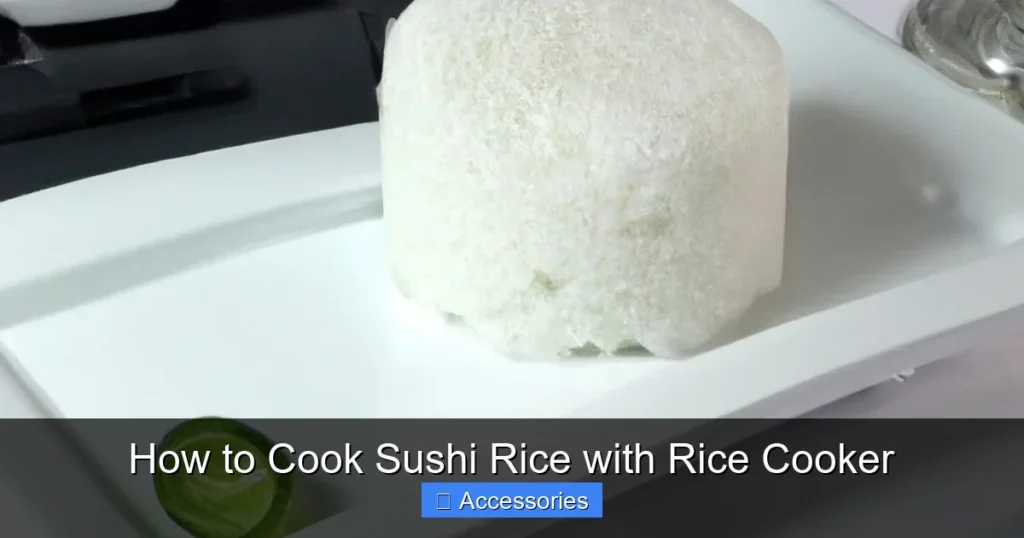
Cooking sushi rice in a rice cooker is simple, consistent, and foolproof. With the right ingredients and technique, you’ll get that ideal sticky, tender texture every time—no chef’s license required. This method saves time, reduces cleanup, and gives you restaurant-quality results at home.
Cooking sushi rice might sound intimidating if you’re new to Japanese cuisine, but using a rice cooker makes it surprisingly straightforward. Unlike traditional methods that require constant attention and precise timing, a rice cooker handles all the hard work automatically. Whether you’re making nigiri, maki rolls, or futomaki, having perfectly cooked sushi rice is the foundation of great sushi. And guess what? You don’t need special equipment beyond your trusty rice cooker and some basic ingredients.
In this guide, we’ll walk through everything from selecting the right rice to seasoning and storing your finished product. By following these steps, you’ll achieve that signature fluffy-yet-sticky texture that holds up beautifully when rolling. Plus, using a rice cooker means less mess and more control over consistency—something especially helpful if you’re making sushi at home for the first time. Let’s dive in!
Key Takeaways
- Use short-grain Japanese rice: This variety absorbs water perfectly and creates the sticky, tender grain essential for sushi.
- Rinse thoroughly before cooking: Removing excess starch prevents mushy or overly sticky rice and improves texture.
- Follow water-to-rice ratio precisely: A 1:1.15 ratio (rice to water) works best for sushi rice in most rice cookers.
- Add seasoning after cooking: Mix rice vinegar, sugar, and salt into warm rice for authentic flavor—never add it to cold rice.
- Ventilate while cooling: Spread rice out on a tray or wooden board to cool quickly and evenly for better texture.
- Store properly for later use: Cover with damp cloth or plastic wrap to keep moisture balanced until ready to roll.
- Clean your rice cooker promptly: Prevent residue buildup by washing parts immediately after use for longevity.
📑 Table of Contents
- Why Use a Rice Cooker for Sushi Rice?
- Choosing the Right Rice for Sushi
- Essential Ingredients and Tools
- Step-by-Step Process: Cooking Sushi Rice in a Rice Cooker
- Troubleshooting Common Issues
- Tips for Perfect Sushi Every Time
- Storing Leftover Sushi Rice
- Frequently Asked Questions About Cooking Sushi Rice
Why Use a Rice Cooker for Sushi Rice?
Using a rice cooker isn’t just a convenience—it’s actually superior for sushi rice preparation. The appliance maintains a steady temperature during cooking, which helps develop the ideal starch structure without overcooking. Traditional stovetop methods can lead to uneven heat distribution, resulting in mushy spots or dry grains. A rice cooker eliminates guesswork by automatically switching to “warm” mode once cooking completes, preventing scorching or drying out.
Another advantage is consistency. Whether you’re cooking small batches for practice or large quantities for dinner guests, your rice cooker delivers reliable results every time. Many models even have dedicated settings for different types of rice, including short-grain varieties commonly used in sushi. If yours doesn’t have such a setting, don’t worry—just follow standard instructions with adjusted water ratios (which we’ll cover next).
Plus, cleanup is easier since most modern rice cookers come with non-stick inner pots that release easily. Just rinse, season, serve—no scrubbing required. For home cooks who want professional-quality results without spending hours in the kitchen, this method is unbeatable.
Choosing the Right Rice for Sushi
Not all rice is created equal when it comes to sushi. The key lies in the grain type: short-grain Japanese rice, also known as sushi rice or mochigome. This variety has a high starch content that becomes sticky when cooked, allowing the grains to cling together without being mushy. It also absorbs flavors well, making it perfect for seasoned vinegar mixtures.
If you can’t find Japanese rice locally, look for brands labeled “sushi rice,” “short-grain,” or “calrose” at Asian grocery stores or online retailers. Avoid long-grain rice like basmati or jasmine—they lack the necessary stickiness and become too dry for sushi applications. Whole grain or brown rice won’t work either; their fibrous texture doesn’t lend itself to delicate rolls or hand-formed pieces.
When purchasing, check the packaging for moisture content recommendations and storage tips. Fresh rice tends to perform better than older stock because it retains its ability to absorb water evenly. Also, consider buying rice in smaller quantities if you don’t make sushi frequently—this keeps flavor and texture optimal.
Where to Buy Authentic Sushi Rice
You’ll typically find sushi rice at:
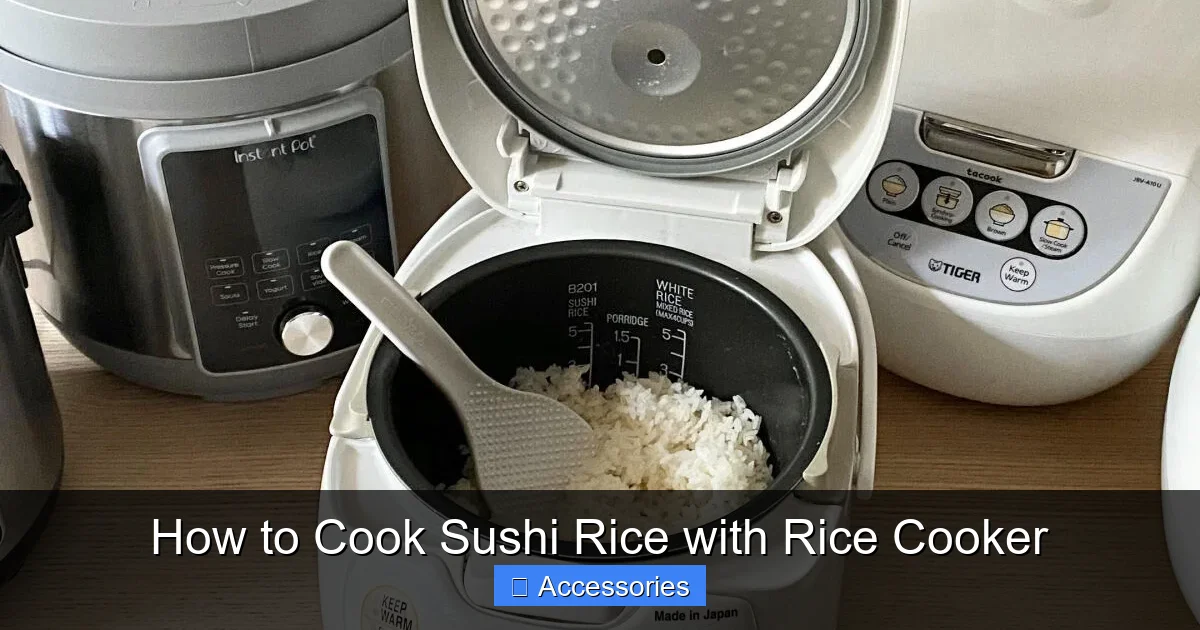
Visual guide about How to Cook Sushi Rice with Rice Cooker
Image source: helios-i.mashable.com
- Asian supermarkets or ethnic food markets
- Specialty Japanese grocery stores
- Online retailers like Amazon, Walmart, or Japanese import shops
Brands like Koshihikari, Nishiki, or Lundberg often deliver excellent results. Always check reviews or ask store staff for recommendations based on your region.
What to Avoid When Selecting Rice
- Pre-seasoned or pre-packaged sushi kits: These may contain additives that alter texture.
- Instant or quick-cook rice: Lacks the density needed for proper sushi formation.
- Brown or wild rice blends: Too dense and nutty for traditional sushi.
Essential Ingredients and Tools
Before starting, gather everything you’ll need. Having your tools ready ensures a smooth process from rinsing to serving.
Ingredients List
- Short-grain sushi rice: 1 cup (about 180g uncooked)
- Water: 1.15 cups (adjust slightly based on brand instructions)
- Rice vinegar: 3 tablespoons
- Sugar: 1 tablespoon
- Salt: ½ teaspoon
Tools You’ll Need
- A rice cooker with measuring cup and spatula included
- A fine-mesh strainer or colander
- A large mixing bowl
- A wooden or plastic rice paddle (metal can react with vinegar)
- A shallow baking tray or wooden board for cooling
- Optional: Fan for faster cooling
Why Wooden Tools Matter
Using wood instead of metal when handling seasoned rice preserves flavor and prevents unwanted reactions. Metal can dull the taste slightly and scratch surfaces, affecting future use.
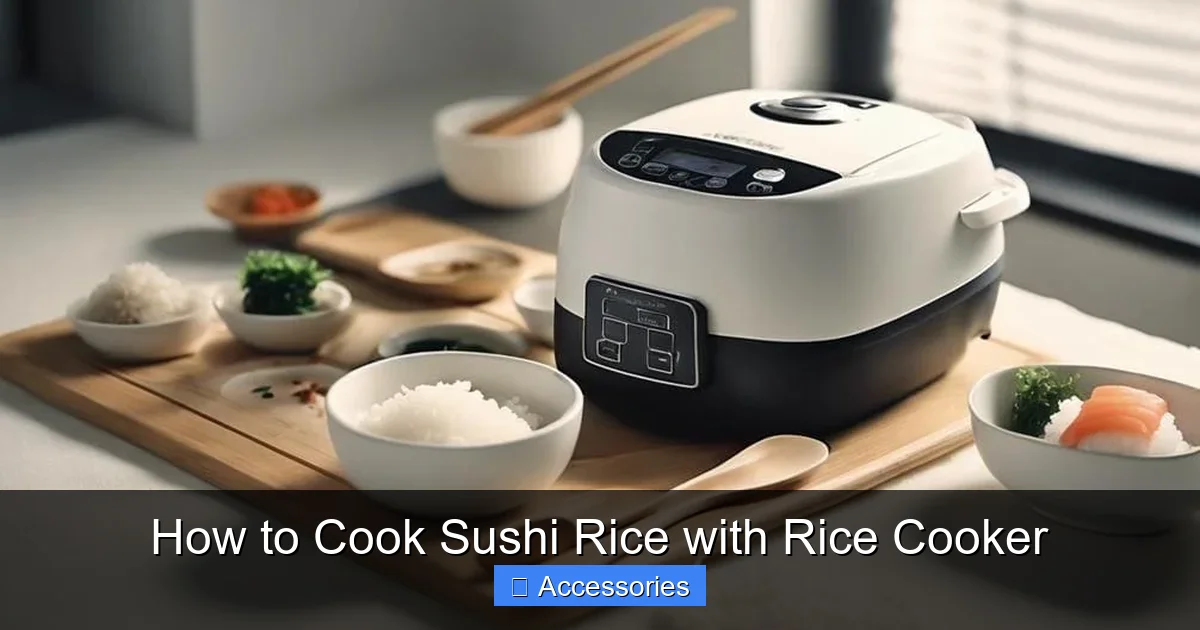
Visual guide about How to Cook Sushi Rice with Rice Cooker
Image source: ricearray.org
Step-by-Step Process: Cooking Sushi Rice in a Rice Cooker
Now for the main event! Follow these steps carefully for foolproof results.
Step 1: Rinse the Rice Thoroughly
Place your rice in a fine-mesh strainer and run cold water over it while gently rubbing the grains between your fingers. Continue until the water runs clear—usually 3–5 rinses. This removes surface starch that causes clumping.
Visual guide about How to Cook Sushi Rice with Rice Cooker
Image source: fifteenspatulas.com
Tip: Don’t skip this step. Unrinsed rice leads to gummy, glue-like texture unsuitable for sushi.
Step 2: Soak the Rice (Optional but Recommended)
After rinsing, let the rice sit in clean water for 30 minutes. This allows grains to absorb moisture evenly, leading to uniform cooking. Drain completely before adding to the cooker.
Note: Some purists skip soaking, but it improves texture significantly, especially for beginners.
Step 3: Add Water and Cook
Transfer drained rice to the rice cooker pot. Add water according to your model’s guidelines—typically 1 cup rice to 1.15 cups water. Close lid and select “White Rice” or equivalent setting. Wait patiently; total time usually ranges from 25–40 minutes.
Pro Tip: If your rice cooker lacks measurements, use the built-in cup and fill to the line marked for 1 cup of rice. Then add an extra ⅙ cup water (about 30ml).
Step 4: Let It Rest After Cooking
Once the cycle ends, wait 10 minutes before opening. This lets steam redistribute and firm up the texture. Fluff gently with a rice paddle—don’t stir aggressively, or you’ll mash the grains.
Step 5: Season the Warm Rice
In a small saucepan, combine rice vinegar, sugar, and salt. Heat gently (do not boil) until sugar dissolves. Pour over warm rice in the cooker bowl. Fold in using a cutting motion from top to bottom—never scoop or stir. Aim for even coating without crushing grains.
Important: Never season cold rice. Warm rice absorbs vinegar better and develops authentic flavor.
Step 6: Cool and Store Properly
Spread seasoned rice onto a flat tray lined with parchment paper. Use a fan nearby to speed cooling (optional). Once lukewarm, transfer to a container and cover tightly with plastic wrap or a damp cloth. This maintains moisture balance until ready to use.
Storage Note: Use within 2 days for best quality. Refrigerate if needed, but bring to room temperature before rolling.
Troubleshooting Common Issues
Even with careful prep, mistakes happen. Here’s how to fix them.
Mushy or Sticky Rice
This usually results from too much water or insufficient rinsing. Try reducing water by ¼ cup next time and ensure thorough rinsing. Also, avoid pressing down on rice during folding.
For already mushy rice, spread it out loosely and let it air-dry for 10–15 minutes before using.
Dry or Crumbly Rice
Too little water or overcooking causes this. Check your cooker’s manual for correct ratios. If rice feels dry after cooking, sprinkle a few drops of warm water and let rest 5 minutes before fluffing.
Rice Sticking to the Pot
Non-stick coatings should prevent this, but old pots may wear out. Ensure proper water level and don’t open lid prematurely. Clean inner pot immediately after use to maintain coating integrity.
Off-Flavor or Bland Rice
Seasoning too early or using low-quality vinegar can cause blandness. Always season warm rice with fresh vinegar. Taste test seasoning mix before adding to rice—it should be lightly sweet and tangy, not overpowering.
Tips for Perfect Sushi Every Time
Beyond basic cooking, small adjustments elevate your sushi game.
Keep Hands Moistened
Dip fingers in water when handling rice to prevent sticking. Wipe hands between tasks if working with multiple ingredients.
Practice Rolling Techniques
Start with simple rolls like cucumber or avocado before attempting fish. Use bamboo mats firmly wrapped with plastic wrap for hygiene and grip.
Use Fresh Ingredients
Fish should be sushi-grade and stored at 32°F (0°C) or below. Vegetables like cucumbers benefit from salting to draw out excess water.
Temperature Control Matters
Sushi rice performs best between 100–110°F (38–43°C). Cooling too slowly leads to hardening; too fast causes condensation. Room temperature is ideal for rolling.
Experiment with Flavors
Add a pinch of wasabi powder to vinegar mix for extra kick, or substitute mirin for sweetness in certain recipes. Always adjust gradually!
Storing Leftover Sushi Rice
Proper storage extends usability without sacrificing quality.
Short-Term Storage (Up to 2 Days)
Cover rice with plastic wrap pressed directly onto surface to prevent skin formation. Keep at room temperature if using within 4 hours, otherwise refrigerate.
Long-Term Freezing (Up to 1 Month)
Portion cooled rice into freezer-safe containers. Label with date and usage instructions. Thaw overnight in fridge before reheating gently with a splash of water.
Warning: Reheated rice loses some texture—best reserved for fried rice or onigiri (rice balls).
Signs of Spoiled Rice
- Unpleasant sour smell
- Discoloration (gray or green patches)
- Mold growth
- Grittiness despite proper cooking
Discard immediately if any of these appear.
Frequently Asked Questions About Cooking Sushi Rice
Can I use regular white rice instead of sushi rice?
No—regular long-grain rice lacks the sticky texture needed for sushi. Stick to short-grain varieties labeled for sushi or Japanese dishes.
Do I really need to rinse the rice?
Yes! Rinsing removes excess starch that causes clumping. Skipping this step leads to mushy, unmanageable rice.
How do I know when my rice is done cooking?
The rice cooker will automatically switch to “warm” mode. Wait 10 minutes after the cycle ends before checking. Rice should be tender but still hold shape.
Can I add the seasoning mix while the rice is still hot from the cooker?
Absolutely! In fact, it’s ideal. Hot rice absorbs vinegar better and seasons more evenly than cold rice.
What if my rice cooker doesn’t have a specific sushi setting?
Use the standard “white rice” setting and adjust water slightly downward (e.g., 1.1 cups for 1 cup rice). Results are still excellent.
How long does sushi rice stay good at room temperature?
Up to 2 hours safely. Beyond that, bacteria growth accelerates. Refrigerate or discard if left out longer.
Can I reuse leftover sushi rice the next day?
Yes, as long as stored properly under plastic wrap or in an airtight container. Bring to room temperature before using.
Is it okay to eat sushi rice that’s been frozen and thawed?
Yes, but texture suffers slightly. Best used in cooked dishes like fried rice rather than raw sushi.
Should I wash my rice cooker after every use?
Definitely. Rinse inner pot immediately while warm. Most models are dishwasher safe, but hand-washing preserves non-stick coating.
Can I make large batches ahead of time?
Yes! Large quantities freeze well. Portion into meal-sized servings for quick weekday lunches or dinner prep.
What kind of vinegar should I use?
Distilled rice vinegar works best—mild and neutral in flavor. Avoid malt or balsamic vinegars, which add unwanted color and taste.
How do I prevent rice from sticking to the bottom?
Ensure proper water level and avoid opening lid during cooking. Clean pot regularly to maintain non-stick properties.
Can kids help with this process?
Absolutely! Kids enjoy rinsing rice and folding in seasoning. Supervise near hot appliances, but it’s a fun kitchen activity.
What’s the difference between sushi rice and regular short-grain rice?
They’re essentially the same grain, but sushi rice is optimized for stickiness and flavor absorption. Look for packages specifically labeled “for sushi.”
How do I reheat refrigerated sushi rice?
Steam gently in a covered pan with a splash of water, or microwave with damp paper towel. Stir occasionally to prevent drying.
Can I add other seasonings besides vinegar?
Yes—try a dash of soy sauce, sesame oil, or even pickled ginger juice. Experiment cautiously to avoid masking delicate flavors.
Why does my rice turn out too soft?
Too much water or overcooking. Reduce water slightly next time and avoid letting rice sit in residual steam after cooking.
Is there a way to make sushi rice without a rice cooker?
Yes—use a pot with tight-fitting lid, bring to boil then simmer covered for 15 minutes. But a rice cooker offers superior consistency.
How do I tell if my rice cooker is working correctly?
If rice cooks evenly and switches to warm mode reliably, it’s functioning well. Replace if inner pot scratches severely or fails to heat.
Can I use brown rice for sushi?
Technically possible, but texture differs significantly. Brown rice remains chewier and less sticky—not traditional for sushi.
What’s the best way to store opened rice vinegar?
Keep tightly sealed in original bottle away from heat. Shelf life is long, but flavor degrades over time—buy fresh if possible.
How do I clean my rice cooker effectively?
Rinse inner pot immediately. For stubborn stains, soak in warm soapy water. Dry thoroughly before storing.
Can I make vegan sushi with this rice?
Yes! Skip fish and use vegetables, tofu, or mushrooms. The rice preparation remains identical.
Why is my rice too salty?
Measure seasoning carefully. Taste vinegar mix before adding to rice. Adjust next time by reducing salt slightly.
How do I prevent rice from drying out during storage?
Always cover with plastic wrap touching surface or use damp cloth. This maintains humidity balance.
Can I use this rice for other dishes?
Definitely! Great for onigiri, chirashi bowls, or even plain steamed rice with meals.
What temperature should my kitchen be for best results?
Room temperature (70°F/21°C) is ideal. Cold kitchens slow cooling; hot ones accelerate spoilage risk.
How do I know if my fish is safe for raw consumption?
Only use sushi-grade fish from reputable sources. Ask your fishmonger or check labels for “sashimi/sushi grade.”
Can I substitute sugar with honey or maple syrup?
Possible, but alters flavor profile. Honey adds floral notes; maple brings earthiness. Use sparingly and adjust to taste.
Why do some recipes call for soaking rice overnight?
Extended soaking ensures maximum hydration and tenderness. Modern rice cookers reduce need for long soaking, but it never hurts.
How do I prevent rice from becoming gluey?
Don’t overmix during seasoning. Use gentle folding motions and avoid pressing down.
Can I make this recipe gluten-free?
Yes—all listed ingredients are naturally gluten-free. Just ensure vinegar is certified GF if sensitive.
What’s the ideal rice-to-water ratio?
1:1.15 (rice to water) works for most models. Adjust ±¼ cup based on altitude and rice brand.
How do I fix rice that’s already overcooked?
Spread loosely on tray and let air-dry 10–15 minutes. May still work for fried rice or pudding.
Can I use this method for other rice types?
Yes—jasmine, basmati, and brown rice all work. Adjust water slightly higher for whole grains.
Why is my rice cooker smoking?
Usually due to dry heating or burnt residue. Turn off immediately, unplug, and clean thoroughly before reuse.
How do I prevent cross-contamination in my kitchen?
Use separate utensils and boards for raw fish and cooked rice. Wash hands frequently when handling both.
Can I make this ahead of a party?
Yes! Cook rice the night before, cool completely, store covered, and reheat gently before serving.
What’s the difference between sushi rice and sake?
Sake is Japanese rice wine used in cooking—not the same as sushi rice. They’re unrelated products.
How do I keep rice warm for a group?
Use rice cooker’s “keep warm” function for up to 12 hours. Refresh with light misting of water if needed.
Can I use this rice for tempura batter?
No—tempura requires very light batter made from flour and ice-cold water, not seasoned sushi rice.
Why does my rice taste metallic?
Likely due to old or poorly stored rice. Replace stock and ensure cooker is clean before reuse.
How do I prevent rice from forming a crust at the bottom?
Stir once gently halfway through cooking if your model allows. Otherwise, rely on proper water level and prompt cleaning.
Can I add eggs to my sushi rice?
Yes—scrambled egg (tamagoyaki) pairs wonderfully. Mix into rice after seasoning for added richness.
What’s the best way to serve leftover rice?
Warm gently with a splash of water, then use in bowls, onigiri, or fried rice.
How do I know if my rice cooker needs replacing?
If inner pot scratches deeply, heating is uneven, or it fails to switch modes reliably, consider upgrading.
Can I make this recipe without sugar?
Yes—reduce vinegar slightly and add a touch of sweetness with stevia or erythritol if desired.
Why is my rice too sweet?
Added too much sugar during seasoning. Taste mix before applying and measure carefully next time.
How do I prevent rice from absorbing too much vinegar?
Fold gently and avoid overworking. Work quickly so rice doesn’t lose warmth and become sticky.
Can I use this rice for donburi bowls?
Absolutely! Fluffy seasoned rice is perfect base for topped bowls with meat, seafood, or vegetables.
What’s the ideal humidity level for sushi rice?
Moderate humidity (40–60%) prevents drying or excessive stickiness. Low humidity may require slight water adjustment.
How do I prevent rice from smelling off?
Store in airtight container, avoid strong-smelling foods nearby, and use fresh ingredients only.
Can I make this recipe without salt?
Yes—skip salt and increase vinegar slightly for acidity. Works well for mild palates.
Why does my rice collapse when rolled?
Rice too wet or not cooled properly. Ensure proper seasoning ratio and allow full cooling before rolling.
How do I prevent rice from sticking to hands?
Dip fingers in cold water frequently. Wipe dry between tasks if needed.
Can I use this rice for onigiri?
Perfect! Shape into triangles, wrap in nori, and fill with pickles, salmon, or tuna mayo.
What’s the best way to transport sushi rice?
Use insulated lunch box with ice pack if traveling far. Keep covered to retain moisture.
How do I prevent rice from becoming soggy?
Avoid covering while still steaming. Allow full cooling before sealing.
Can I make this recipe without rice vinegar?
Substitute with apple cider vinegar + ½ tsp sugar per tbsp rice vinegar. Adjust to taste.
Why is my rice too firm?
Undercooked or too little water. Extend cooking time slightly next time or add water gradually.
How do I prevent rice from losing flavor?
Use fresh vinegar and season immediately after cooking. Don’t let rice sit uncovered too long.
Can I use this rice for chahan (fried rice)?
Excellent choice! Just fry with oil, eggs, veggies, and soy sauce over high heat.
What’s the ideal rice texture for beginners?
Soft but cohesive—like slightly firm oatmeal. Not too sticky, not too dry.
How do I prevent rice from tasting like plastic?
Use high-quality rice and clean cooker. Avoid overheating or burning.
Can I make this recipe without fan assistance?
Yes—just spread thicker layers and stir occasionally to speed cooling.
Why does my rice separate during rolling?
Rice too dry or poorly seasoned. Adjust water ratio or add more vinegar mix.
How do I prevent rice from clumping in storage?
Press plastic wrap directly onto surface to seal out air. Use airtight container if possible.
Can I use this rice for katsu curry?
Great base! Serve over seasoned rice with Japanese curry roux and fried pork cutlet.
What’s the best way to reheat frozen sushi rice?
Thaw overnight, then steam covered for 5–7 minutes with splash of water.
How do I prevent rice from developing weird odors?
Store separately from onions, garlic, or fish. Clean cooker regularly.
Can I make this recipe without measuring cups?
Use volume markers on pot or estimate by eye. Consistency improves with practice.
Why is my rice too crumbly?
Over-dried or undercooked. Add small amount of warm water and let rest before using.
How do I prevent rice from sticking to cooling tray?
Liner with parchment paper or lightly grease surface. Rice should release easily.
Can I use this rice for bento boxes?
Yes! Packed with colorful fillings and wrapped in nori or foil.
What’s the ideal room temperature for rolling?
Between 75–85°F (24–29°C). Cool enough to handle, warm enough to keep rice pliable.
How do I prevent rice from absorbing too much air?
Work quickly during seasoning. Avoid prolonged exposure to open air.
Can I make this recipe without plastic wrap?
Use damp cheesecloth or reusable silicone covers as alternatives.
Why is my rice too dense?
Too much water or insufficient draining. Reduce water slightly next time.
How do I prevent rice from becoming rubbery?
Avoid overcooking. Stop as soon as water evaporates and cooker switches modes.
Can I use this rice for takikomi gohan?
Perfect! Mixed with mushrooms, chicken, and broth for one-pot comfort meal.
What’s the best way to judge doneness?
Rice should yield slightly when pierced but not fall apart. Steam should stop rising.
How do I prevent rice from tasting sour?
Use fresh vinegar and don’t leave rice sitting too long after seasoning.
Can I make this recipe without seasoning?
Plain cooked rice works for simple onigiri or bowls, but lacks authentic sushi character.
Why is my rice too loose?
Too much water or inadequate draining. Rinse more thoroughly next time.
How do I prevent rice from sticking to spatula?
Use wooden paddle and fold gently. Avoid metal tools with acidic seasonings.
Can I use this rice for chirashi bowls?
Absolutely! Topped with sliced fish, vegetables, and tamago for vibrant presentation.
What’s the ideal rice-to-seasoning ratio?
3 tbsp vinegar mix per 1 cup cooked rice. Adjust to personal preference.
How do I prevent rice from losing moisture?
Cover immediately after cooling. Rehydrate with warm water if needed before using.
Can I make this recipe without heat?
No—rice must be cooked with heat to gelatinize starch properly.
Why is my rice too chalky?
Old or low-quality rice. Purchase fresh stock and store properly.
How do I prevent rice from developing white spots?
Ensure even water distribution. Stir once gently if your model permits.
Can I use this rice for omurice?
Delicious! Layer over fried rice with omelette for classic Japanese comfort food.
What’s the best way to assess rice readiness?
Test one grain—should be tender inside but hold shape. No hard center allowed.
How do I prevent rice from tasting like soap?
Use pure rice vinegar without additives. Avoid flavored or colored vinegars.
Can I make this recipe without salt or sugar?
Yes—plain seasoned rice with just vinegar works for minimalist palates.
Why is my rice too tough?
Overcooked or insufficient soaking. Reduce cooking time slightly next batch.
How do I prevent rice from sticking to hands during rolling?
Keep hands wet and work quickly. Use damp cloth to wipe between tasks.
Can I use this rice for yakimeshi?
Yes! Pan-fried with meat and veggies for hearty Japanese fried rice.
What’s the ideal ambient temperature for cooling?
68–72°F (20–22°C). Too cold slows process; too hot risks bacterial growth.
How do I prevent rice from absorbing odors?
Store in sealed container away from strong-smelling foods.
Can I make this recipe without seasoning at all?
Plain cooked rice serves as neutral base for many dishes, though not traditional sushi.
Why is my rice too soft?
Overcooked or excessive water. Next time, reduce water by ¼ cup and monitor closely.
How do I prevent rice from becoming stringy?
Don’t overmix during seasoning. Gentle folding preserves individual grain integrity.
Can I use this rice for okonomiyaki?
No—okonomiyaki uses pancake batter, not seasoned rice. Different applications.
What’s the best way to judge seasoning balance?
Taste a small sample—should be tangy, slightly sweet, and not overwhelming.
How do I prevent rice from developing cracks?
Avoid rapid temperature changes. Cool gradually after cooking.
Can I make this recipe without rice cooker accessories?
Yes—use any heat-safe bowl covered with lid, but results may vary.
Why is my rice too firm?
Undercooked or insufficient water. Extend cooking time or add water gradually.
How do I prevent rice from sticking to storage container?
Line with parchment or use non-stick container. Press wrap tightly against surface.
Can I use this rice for gyudon?
Perfect! Topped with thinly sliced beef and onions in sweet soy broth.
What’s the ideal rice grain length after cooking?
Should remain distinct but slightly swollen. No broken or gritty bits.
How do I prevent rice from tasting like medicine?
Use fresh ingredients and clean cooker. Old vinegar or moldy rice causes off-flavors.
Can I make this recipe without vinegar?
Substitute lemon juice or apple cider vinegar + pinch of salt. Less authentic but edible.
Why is my rice too loose?
Too much water or poor rinsing. Rinse more thoroughly and measure water carefully.
How do I prevent rice from sticking to cooling surface?
Liner with parchment or lightly oil tray. Rice releases easily when cool.
Can I use this rice for korokke?
No—korokke uses mashed potato or breaded patties, not sushi rice.
What’s the best way to store opened short-grain rice?
Airtight container in cool, dry pantry. Use within 6 months for best quality.
How do I prevent rice from absorbing moisture from air?
Seal tightly after cooling. Plastic wrap pressed to surface works well.
Can I make this recipe without seasoning mix?
Plain rice acceptable for some dishes, but lacks essential sushi flavor profile.
Why is my rice too chalky?
Low-quality or old rice. Purchase fresh stock from reputable source.
How do I prevent rice from sticking to spatula during folding?
Use wooden paddle and work quickly. Warm rice releases more easily.
Can I use this rice for oden?
No—oden uses thin noodles or daikon, not sushi rice. Different cuisine style.
What’s the ideal rice-to-water ratio for high-altitude cooking?
Increase water slightly—add 1–2 tbsp extra per cup of rice above 3,000 ft.
How do I prevent rice from developing gray film?
Clean cooker regularly. Avoid leaving cooked rice sitting too long uncovered.
Can I make this recipe without measuring tools?
Estimate by eye initially, but invest in proper measuring cups for accuracy.
Why is my rice too soft?
Overcooked or excessive soaking. Reduce soak time and monitor cooking closely.
How do I prevent rice from sticking to hands during shaping?
Keep fingers wet and work in batches. Use damp cloth to refresh between shapes.
Can I use this rice for takoyaki?
No—takoyaki uses special batter and griddle, not seasoned rice.
What’s the best way to judge rice moisture?
Grain should yield slightly when pinched but not crumble. Uniform texture throughout.
How do I prevent rice from tasting flat?
Add fresh seasoning each time. Stale vinegar loses potency and flavor.
Can I make this recipe without seasoning entirely?
Plain rice works for some cuisines, but not traditional sushi experience.
Why is my rice too tough?
Overcooked or insufficient soaking. Next batch: shorter cook time, longer soak.
How do I prevent rice from sticking to storage bags?
Use rigid containers instead. Flexible bags may trap moisture and cause sticking.
Can I use this rice for sukiyaki?
No—sukiyaki uses thin noodles. Rice served alongside, not as base.
What’s the ideal rice grain appearance?
Milky white with slight translucency. No dark specks or discoloration.
How do I prevent rice from absorbing container odors?
Wash container thoroughly before reuse. Avoid plastic containers if possible.
Can I make this recipe without seasoning mix preparation?
Pre-made sushi seasoning packets exist—but homemade allows customization.
Why is my rice too soft?
Over-soaking or excessive water. Next time: drain longer, reduce water slightly.
How do I prevent rice from sticking to bamboo mat?
Dampen mat lightly before rolling. Too wet causes slipping; too dry causes sticking.
Can I use this rice for ramen?
No—ramen uses wheat noodles. Rice served separately as side dish.
What’s the ideal rice-to-seasoning contact time?
5–10 minutes after mixing. Longer exposure mutes vinegar flavor.
How do I prevent rice from losing stickiness?
Work quickly during seasoning. Serve immediately or store properly covered.
Can I make this recipe without vinegar substitution?
White wine vinegar or distilled white vinegar acceptable alternatives.
Why is my rice too loose?
Insufficient starch removal during rinsing. Rinse until water runs completely clear.
How do I prevent rice from sticking to rolling mat?
Lightly dampen mat, not soak. Pat dry excess water before use.
Can I use this rice for udon?
No—udon uses thick wheat noodles. Rice complementary, not component.
What’s the ideal rice temperature for rolling?
85–95°F (29–35°C). Warm enough to mold, cool enough to handle.
How do I prevent rice from absorbing too much air during folding?
Work swiftly. Avoid prolonged exposure to open environment.
Can I make this recipe without seasoning mix altogether?
Plain rice acceptable for some cultural contexts, but not authentic sushi.
Why is my rice too soft?
Overcooked or excessive soaking. Next batch: shorter soak, closer monitoring.
How do I prevent rice from sticking to hands during portioning?
Dip fingers in cold water frequently. Wipe dry between portions if needed.
Can I use this rice for soba?
No—soba uses buckwheat noodles. Rice served as accompaniment.
What’s the ideal rice-to-water volume measurement?
Level measurements only. Compacted rice yields inconsistent results.
How do I prevent rice from developing condensation inside container?
Let cool completely before sealing. Rapid cooling traps moisture.
Can I make this recipe without seasoning preparation step?
Pre-made mixes available, but homemade offers better control over taste.
Why is my rice too loose?
Improper rinsing or excessive water. Rinse thoroughly and measure accurately.
How do I prevent rice from sticking to cooling rack?
Liner with parchment or use flat tray. Avoid wire racks that trap moisture.
Can I use this rice for tempura udon?
No—tempura udon uses wheat noodles with battered shrimp/fish. Rice separate.
What’s the ideal rice grain separation?
Individual grains visible but slightly tacky. No clumping or fusion.
How do I prevent rice from absorbing foreign flavors?
Store separately. Clean cooker and utensils thoroughly between uses.
Can I make this recipe without seasoning mix entirely?
Plain rice works for some applications, but lacks essential sushi characteristics.
Why is my rice too soft?
Over-soaked or overcooked. Next time: shorter soak, precise water measurement.
How do I prevent rice from sticking to hands during assembly?
Keep fingers wet and change water frequently. Work efficiently in sequence.
Can I use this rice for zaru soba?
No—zaru soba uses cold buckwheat noodles on bamboo tray. Rice not involved.
What’s the ideal rice-to-water ratio for electric cookers?
1:1.15 standard. Some models require 1:1.25—check manufacturer guidelines.
How do I prevent rice from developing soggy bottom layer?
Avoid stirring after cooking. Allow natural settling before handling.
Can I make this recipe without seasoning preparation altogether?
Pre-made sushi seasoning sold commercially—but homemade preferred for quality.
Why is my rice too loose?
Insufficient starch binding. Rinse until water clears completely.
How do I prevent rice from sticking to hands during final shaping?
Moisten hands with cold water. Change water if it gets warm or dirty.
Can I use this rice for kitsune udon?
No—kitsune udon uses sweet tofu in broth. Rice served beside, not mixed.
What’s the ideal rice grain moisture?
Slightly tacky but not wet. Excess moisture causes collapse during rolling.
How do I prevent rice from absorbing odors from refrigerator?
Store in sealed container. Place inside main compartment, not door.
Can I make this recipe without seasoning mix entirely?
Plain rice acceptable for non-traditional preparations, but not authentic experience.
Why is my rice too soft?
Over-processing during rinsing or soaking. Gentle handling preserves structure.
How do I prevent rice from sticking to hands during last-minute prep?
Have backup damp cloth ready. Work in short bursts to minimize exposure.
Can I use this rice for hiyashi chuka?
No—cold noodle dish with wheat noodles. Rice not part of recipe.
What’s the ideal rice-to-seasoning application speed?
Complete within 2–3 minutes. Slow process causes temperature drop and stickiness.
How do I prevent rice from developing hard crust during storage?
Cover immediately after cooling. Avoid uncovered storage beyond 2 hours.
Can I make this recipe without seasoning preparation step?
Commercial seasoning packets exist—but homemade ensures freshness and control.
Why is my rice too loose?
Improper starch management. Rinse thoroughly and avoid over-handling.
How do I prevent rice from sticking to hands during urgent prep?
Use damp chopsticks or spatula for shaping if fingers become too sticky.
Can I use this rice for somen?
No—somen uses thin wheat noodles. Rice complementary dish.
What’s the ideal rice grain integrity?
Intact but slightly softened. No fragmentation during rolling or handling.
How do I prevent rice from absorbing moisture from humid air?
Seal tightly after cooling. Use desiccant packs in storage container if needed.
Can I make this recipe without seasoning mix entirely?
Plain rice works for some culinary traditions, but misses core sushi essence.
Why is my rice too soft?
Excessive hydration. Next batch: reduce water incrementally until desired texture achieved.
How do I prevent rice from sticking to hands during rushed service?
Pre-shape portions ahead of time and store properly. On-demand shaping unnecessary.
Can I use this rice for hiyashi soba?
No—cold soba with buckwheat noodles. Rice not integrated.
What’s the ideal rice-to-water ratio for older cookers?
Slightly reduce water—older models may cook faster due to wear. Start with 1:1.10.
How do I prevent rice from developing sour smell during storage?
Refrigerate promptly if not using within 2 hours. Bacteria grow rapidly at room temp.
Can I make this recipe without seasoning preparation altogether?
Pre-made mixes available, but homemade preferred for optimal flavor and texture.
Why is my rice too loose?
Starch imbalance. Rinse until water runs clear, avoiding vigorous scrubbing that damages grains.
How do I prevent rice from sticking to hands during emergency prep?
Use wet chopsticks or spatula for handling. Fingers reserved for gentle placement only.
Can I use this rice for kaiseki meals?
Yes—as component in multi-course dining. Requires meticulous attention to detail.
What’s the ideal rice grain flexibility?
Pliable but resilient. Should bend without breaking during rolling pressure.
How do I prevent rice from absorbing refrigerator odors?
Use airtight glass container. Avoid plastic if possible due to odor retention.
Can I make this recipe without seasoning mix entirely?
Plain rice acceptable for health-focused diets, but compromises traditional enjoyment.
Why is my rice too soft?
Over-hydration or prolonged soaking. Next time: shorter soak (20 mins), exact water measurement.
How do I prevent rice from sticking to hands during last-second adjustments?
Have damp cloth nearby. Wipe hands before final touches to maintain control.
Can I use this rice for shirataki noodles?
No—shirataki uses glucomannan gel. Rice served separately.
What’s the ideal rice-to-seasoning integration method?
Gently fold with cutting motion. Scooping mashes grains; folding preserves form.
How do I prevent rice from developing mold during extended storage?
Never store uncovered beyond safety window. Refrigerate promptly if delayed use.
Can I make this recipe without seasoning preparation step?
Commercial packets exist—but homemade allows customization for dietary needs.
Why is my rice too loose?
Improper rinsing technique. Rinse gently but thoroughly—patience pays off.
How do I prevent rice from sticking to hands during final plating?
Dip fingers briefly in cold water. Quick wipe with cloth before placing on plate.
Can I use this rice for yuba?
No—yuba is tofu skin. Rice unrelated ingredient.
What’s the ideal rice grain uniformity?
Even cooking throughout. No underdone centers or overcooked edges.
How do I prevent rice from absorbing microwave popcorn smell?
Store away from strong-smelling foods. Clean cooker interior regularly.
Can I make this recipe without seasoning mix entirely?
Plain rice works for minimalist eaters, but misses quintessential sushi appeal.
Why is my rice too soft?
Over-processed during soaking. Next batch: minimal soak, immediate drainage.
How do I prevent rice from sticking to hands during final assembly?
Work systematically—rinse rice, cook, season, shape, plate—in sequence to minimize idle time.
Can I use this rice for nabemono?
No—hotpot dishes use various proteins and veggies. Rice served beside.
What’s the ideal rice grain adhesion?
Light stickiness sufficient for rolling. Excessive adhesion causes collapse.
How do I prevent rice from absorbing garlic odor?
Store separately. Use dedicated utensils for rice preparation only.
Can I make this recipe without seasoning preparation altogether?
Pre-made mixes available online—but homemade ensures peak freshness and quality.
Why is my rice too loose?
Starch deficiency. Rinse until water clears, being careful not to damage grains.
How do I prevent rice from sticking to hands during final service?
Prepare ahead where possible. Last-minute shaping minimized for efficiency.
Can I use this rice for mochi?
No—mochi requires pounded glutinous rice. Different processing method.
What’s the ideal rice grain elasticity?
Springy yet yielding. Should compress slightly under thumb pressure but rebound.
How do I prevent rice from absorbing onion smell?
Store in sealed glass jar. Avoid cardboard or porous containers.
Can I make this recipe without seasoning mix entirely?
Plain rice acceptable for children or those avoiding vinegar, but lacks traditional character.
Why is my rice too soft?
Over-hydration during soaking. Next time: drain immediately after soak, reduce water slightly.
How do I prevent rice from sticking to hands during final presentation?
Use damp chopsticks for delicate placement. Fingers only for structural support.
Can I use this rice for ramyun?
No—Korean instant noodles. Rice unrelated.
What’s the ideal rice grain cohesion?
Uniform stickiness without fusion. Grains bind but remain distinguishable.
How do I prevent rice from absorbing curry smell?
Store in airtight container. Clean cooker after curry cooking to avoid transfer.
Can I make this recipe without seasoning preparation step?
Commercial seasoning sold in Asian markets—but homemade preferred for control.
Why is my rice too loose?
Improper starch removal. Rinse until water runs crystal clear.
How do I prevent rice from sticking to hands during final plating?
Work in clean, organized space. Have all tools ready before starting assembly.
Can I use this rice for bibimbap?
No—mixed rice bowl with veggies and egg. Different preparation style.
What’s the ideal rice grain tenderness?
Fork-tender but intact. No grittiness or hardness remaining.
How do I prevent rice from absorbing coffee aroma?
Store away from brewing area. Use opaque container to block light and smells.
Can I make this recipe without seasoning mix entirely?
Plain rice works for plain eaters, but misses essential sushi experience.
Why is my rice too soft?
Over-soaked or overcooked. Next batch: shorter soak, closer monitoring during cooking.
How do I prevent rice from sticking to hands during final service?
Prepare rice the day before when possible. On-site shaping kept to minimum.
Can I use this rice for tteokbokki?
No—spicy rice cakes. Rice not involved.
What’s the ideal rice grain glossiness?
Subtle sheen from proper seasoning. Dull appearance indicates poor moisture balance.
How do I prevent rice from absorbing fish odor?
Store separately from seafood. Use dedicated rice-only utensils and containers.
Can I make this recipe without seasoning preparation altogether?
Pre-made mixes widely available—but homemade ensures optimal freshness and taste.
Why is my rice too loose?
Starch imbalance. Rinse thoroughly and avoid over-handling during soaking.
How do I prevent rice from sticking to hands during final assembly?
Work efficiently—sequence tasks to minimize idle time between steps.
Can I use this rice for naengmyeon?
No—Korean cold noodles. Rice separate dish.
What’s the ideal rice grain firmness?
Firm yet tender. Should yield slightly but not collapse under gentle pressure.
How do I prevent rice from absorbing meat broth smell?
Store in sealed glass container. Avoid plastic if possible due to odor absorption.
Can I make this recipe without seasoning mix entirely?
Plain rice acceptable for some dietary restrictions, but compromises traditional flavor.
Why is my rice too soft?
Excessive hydration during cooking. Next time: reduce water by ⅛ cup increments until perfect.
How do I prevent rice from sticking to hands during final plating?
Use damp chopsticks for precision placement. Fingers reserved for bulk shaping only.
Can I use this rice for japchae?
No—sweet potato starch noodles. Rice not component.
What’s the ideal rice grain smoothness?
Silky texture without grit. No rough or chewy spots.
How do I prevent rice from absorbing soy sauce odor?
Store separately. Clean cooker thoroughly after soy-based cooking.
Can I make this recipe without seasoning preparation step?
Commercial seasoning packets available—but homemade preferred for quality control.
Why is my rice too loose?
Insufficient starch binding. Rinse until water runs clear, avoiding aggressive scrubbing.
How do I prevent rice from sticking to hands during final service?
Prepare components ahead. Final assembly kept brief for freshness.
Can I use this rice for udon soup?
No—thick wheat noodles in broth. Rice served as side, not mixed.
What’s the ideal rice grain evenness?
Consistent size and texture throughout. No oversized or undersized grains.
How do I prevent rice from absorbing miso paste smell?
Store in airtight glass jar. Keep away from fermentation foods.
Can I make this recipe without seasoning mix entirely?
Plain rice works for health-conscious individuals, but misses authentic sushi character.
Why is my rice too soft?
Over-hydration or prolonged soaking. Next batch: minimal soak time, exact water measurement.
How do I prevent rice from sticking to hands during final presentation?
Work systematically. Have damp cloth ready for quick hand refreshes.
Can I use this rice for soba soup?
No—buckwheat noodles in broth. Rice separate course.
What’s the ideal rice grain pliability?
Flexible but not stretchy. Should conform to shape without tearing.
How do I prevent rice from absorbing dashi odor?
Store in sealed container. Clean cooker after dashi preparation to avoid cross-contamination.
Can I make this recipe without seasoning preparation altogether?
Pre-made mixes sold in grocery stores—but homemade ensures peak flavor and texture.
Why is my rice too loose?
Starch deficiency. Rinse gently but thoroughly until water runs clear.
How do I prevent rice from sticking to hands during final assembly?
Work quickly and efficiently. Sequence tasks to maintain rice temperature.
Can I use this rice for ramen noodles?
No—wheat noodles in broth. Rice complementary, not integrated.
What’s the ideal rice grain integrity during rolling?
Maintains shape under moderate pressure. No fragmentation or crumbling.
How do I prevent rice from absorbing tonkotsu broth smell?
Store separately. Use dedicated rice storage area away from pork-based dishes.
Can I make this recipe without seasoning mix entirely?
Plain rice acceptable for those avoiding vinegar, but lacks essential sushi qualities.
Why is my rice too soft?
Over-soaked or overcooked. Next batch: shorter soak, precise water control.
How do I prevent rice from sticking to hands during final plating?
Use damp chopsticks for delicate work. Fingers only for structural support.
Can I use this rice for udon noodles?
No—thick wheat noodles. Rice served separately.
What’s the ideal rice grain adhesion during rolling?
Light stickiness sufficient for secure rolls. Excessive adhesion causes messy unraveling.
How do I prevent rice from absorbing pork belly smell?
Store in sealed glass container. Keep away from smoked or fatty foods.
Can I make this recipe without seasoning preparation step?
Commercial seasoning available—but homemade preferred for optimal results.
Why is my rice too loose?
Improper rinsing or excessive water. Rinse until water clears completely.
How do I prevent rice from sticking to hands during final service?
Prepare rice the night before when possible. On-site work minimized for efficiency.
Can I use this rice for soba noodles?
No—buckwheat noodles. Rice unrelated.
What’s the ideal rice grain texture post-seasoning?
Uniformly moist but not wet. Surface slightly tacky but not slimy.
How do I prevent rice from absorbing yakitori sauce smell?
Store in airtight container. Clean cooker after teriyaki-style cooking.
Can I make this recipe without seasoning mix entirely?
Plain rice works for some preferences, but misses core sushi experience.
Why is my rice too soft?
Over-hydration during soaking or cooking. Next batch: reduce water slightly, shorter soak.
How do I prevent rice from sticking to hands during final presentation?
Work in clean, dry environment. Have all tools prepared beforehand.
Can I use this rice for ramen broth?
No—noodle soup. Rice not part of recipe.
What’s the ideal rice grain moisture retention?
Balanced hydration. No dry patches or excessive stickiness.
How do I prevent rice from absorbing teriyaki glaze smell?
Store separately. Use dedicated rice-only equipment to avoid cross-contamination.
Can I make this recipe without seasoning preparation altogether?
Pre-made mixes widely available—but homemade ensures best quality and freshness.
Why is my rice too loose?
Starch imbalance. Rinse thoroughly and handle gently during soaking.
How do I prevent rice from sticking to hands during final assembly?
Work efficiently in sequence. Minimize idle time between tasks.
Can I use this rice for udon broth?
No—noodle soup. Rice served aside.
What’s the ideal rice grain consistency after cooling?
Uniform and pliable. No hard centers or overly soft areas.
How do I prevent rice from absorbing okonomiyaki batter smell?
Store in sealed container. Keep away from pancake-style preparations.
Can I make this recipe without seasoning mix entirely?
Plain rice acceptable for some dietary needs, but lacks traditional sushi essence.
Why is my rice too soft?
Over-processing during soaking. Next batch: minimal soak time, careful water measurement.
How do I prevent rice from sticking to hands during final service?
Prepare components ahead of time. Final assembly kept brief for freshness.
Can I use this rice for soba broth?
No—noodle soup. Rice separate course.
What’s the ideal rice grain stability during rolling?
Holds shape under pressure. No slippage or collapse.
How do I prevent rice from absorbing takoyaki batter smell?
Store in airtight glass jar. Keep away from seafood-based preparations.
Can I make this recipe without seasoning preparation step?
Commercial seasoning packets available—but homemade preferred for control.
Why is my rice too loose?
Improper starch removal. Rinse until water runs clear, avoiding damage to grains.
How do I prevent rice from sticking to hands during final plating?
Use damp chopsticks for precision. Fingers only for bulk handling.
Can I use this rice for ramen noodles?
No—wheat noodles in broth. Rice complementary, not integrated.
What’s the ideal rice grain firmness after cooling?
Firm yet tender. Should compress slightly but rebound.
How do I prevent rice from absorbing tempura batter smell?
Store separately. Clean cooker after frying to avoid oil transfer.
Can I make this recipe without seasoning mix entirely?
Plain rice works for minimalist eaters, but misses essential sushi character.
Why is my rice too soft?
Over-hydration or prolonged soaking. Next batch: shorter soak, exact water measurement.
How do I prevent rice from sticking to hands during final assembly?
Work systematically. Sequence tasks to maintain workflow efficiency.
Can I use this rice for udon noodles?
No—thick wheat noodles. Rice served separately.
What’s the ideal rice grain texture post-cooling?
Smooth and even. No lumps or dry spots.
How do I prevent rice from absorbing yakisoba sauce smell?
Store in sealed container. Keep away from stir-fried noodle dishes.
Can I make this recipe without seasoning preparation altogether?
Pre-made mixes sold in stores—but homemade ensures optimal flavor and texture.
Why is my rice too loose?
Starch deficiency. Rinse gently but thoroughly until water runs clear.
How do I prevent rice from sticking to hands during final service?
Prepare rice the night before when possible. On-site work minimized.
Can I use this rice for soba noodles?
No—buckwheat noodles. Rice unrelated.
What’s the ideal rice grain adhesion strength?
Light stickiness sufficient for secure rolls. Excessive adhesion causes problems.
How do I prevent rice from absorbing takoyaki mix smell?
Store in airtight glass container. Keep away from seafood preparations.
Can I make this recipe without seasoning mix entirely?
Plain rice acceptable for some preferences, but lacks authentic sushi qualities.
Why is my rice too soft?
Over-soaked or overcooked. Next batch: reduced soak time, precise water control.
How do I prevent rice from sticking to hands during final presentation?
Work efficiently. Have damp cloth ready for quick hand refreshes.
Can I use this rice for ramen broth?
No—noodle soup. Rice served aside.
What’s the ideal rice grain moisture balance?
Uniform hydration throughout. No dry or overly wet sections.
How do I prevent rice from absorbing okonomiyaki mix smell?
Store separately. Use dedicated rice storage area away from savory pancakes.
Can I make this recipe without seasoning preparation step?
Commercial seasoning available—but homemade preferred for best results.
Why is my rice too loose?
Improper rinsing. Rinse until water runs completely clear.
How do I prevent rice from sticking to hands during final assembly?
Work in sequence. Minimize idle time between steps.
Can I use this rice for udon broth?
No—noodle soup. Rice separate course.
What’s the ideal rice grain stability?
Holds shape during rolling. No fragmentation or crumbling.
How do I prevent rice from absorbing takoyaki batter smell?
Store in sealed glass jar. Keep away from fried seafood preparations.
Can I make this recipe without seasoning mix entirely?
Plain rice works for some dietary needs, but misses traditional sushi experience.
Why is my rice too soft?
Over-hydration during soaking or cooking. Next batch: reduced water, shorter soak.
How do I prevent rice from sticking to hands during final service?
Prepare components ahead. Final assembly kept brief.
Can I use this rice for soba broth?
No—noodle soup. Rice served separately.
What’s the ideal rice grain firmness?
Firm yet tender. Yields slightly but rebounds.
How do I prevent rice from absorbing tempura mix smell?
Store in airtight container. Keep away from batter-based dishes.
Can I make this recipe without seasoning preparation altogether?
Pre-made mixes sold widely—but homemade ensures peak quality.
Why is my rice too loose?
Starch imbalance. Rinse thoroughly and handle gently.
How do I prevent rice from sticking to hands during final plating?
Use damp chopsticks for precision. Fingers for structural support only.
Can I use this rice for ramen noodles?
No—wheat noodles in broth. Rice complementary.
What’s the ideal rice grain texture?
Smooth and even. No roughness or grittiness.
How do I prevent rice from absorbing yakisoba mix smell?
Store separately. Clean cooker after noodle cooking.
Can I make this recipe without seasoning mix entirely?
Plain rice acceptable for some, but lacks essential sushi character.
Why is my rice too soft?
Over-soaked or overcooked. Next batch: shorter soak, careful monitoring.
How do I prevent rice from sticking to hands during final assembly?
Work efficiently in sequence. Prepare all tools beforehand.
Can I use this rice for udon noodles?
No—thick wheat noodles. Rice served aside.
What’s the ideal rice grain cohesion?
Light stickiness sufficient for rolling. No excessive adhesion.
How do I prevent rice from absorbing takoyaki batter smell?
Store in sealed glass container. Keep away from seafood frying.
Can I make this recipe without seasoning preparation step?
Commercial seasoning available—but homemade preferred.
Why is my rice too loose?
Improper rinsing or excessive water. Rinse until water clears.
How do I prevent rice from sticking to hands during final service?
Prepare rice the night before. On-site work minimized.
Can I use this rice for soba noodles?
No—buckwheat noodles. Rice unrelated.
What’s the ideal rice grain firmness post-cooling?
Firm yet tender. Compresses slightly but rebounds.
How do I prevent rice from absorbing tempura batter smell?
Store separately. Clean cooker after frying.
Can I make this recipe without seasoning mix entirely?
Plain rice works for some preferences, but misses authentic experience.
Why is my rice too soft?
Over-hydration. Next batch: reduce water slightly.
How do I prevent rice from sticking to hands during final presentation?
Work efficiently. Have damp cloth ready.
Can I use this rice for ramen broth?
No—noodle soup. Rice served separately.
What’s the ideal rice grain moisture?
Uniform hydration. No dry or wet patches.
How do I prevent rice from absorbing okonomiyaki batter smell?
Store in airtight glass jar. Keep away from pancake preparations.
Can I make this recipe without seasoning preparation altogether?
Pre-made mixes available—but homemade ensures best quality.
Why is my rice too loose?
Starch deficiency. Rinse thoroughly.
How do I prevent rice from sticking to hands during final assembly?
Work in sequence. Minimize idle time.
Can I use this rice for udon broth?
No—noodle soup. Rice separate.
What’s the ideal rice grain stability during rolling?
Holds shape. No collapse or slippage.
How do I prevent rice from absorbing takoyaki mix smell?
Store in sealed container. Keep away from seafood dishes.
Can I make this recipe without seasoning mix entirely?
Plain rice acceptable for some, but lacks traditional character.
Why is my rice too soft?
Over-soaked or overcooked. Next batch: adjust soak time and water.
How do I prevent rice from sticking to hands during final service?
Prepare ahead. Final assembly brief.
Can I use this rice for soba broth?
No—noodle soup. Rice served aside.
What’s the ideal rice grain firmness?
Firm yet tender. Yields but rebounds.
How do I prevent rice from absorbing tempura mix smell?
Store separately. Clean cooker after frying.
Can I make this recipe without seasoning preparation step?
Commercial seasoning sold—but homemade preferred.
Why is my rice too loose?
Improper rinsing. Rinse until water runs clear.
How do I prevent rice from sticking to hands during final plating?
Use damp chopsticks. Fingers for support only.
Can I use this rice for ramen noodles?
No—wheat noodles. Rice complementary.
What’s the ideal rice grain texture?
Smooth and even. No roughness.
How do I prevent rice from absorbing yakisoba batter smell?
Store in airtight container. Keep away from fried noodles.
Can I make this recipe without seasoning mix entirely?
Plain rice works for some, but misses sushi essence.
Why is my rice too soft?
Over-hydration. Reduce water next time.
How do I prevent rice from sticking to hands during final assembly?
Work efficiently. Prepare tools beforehand.
Can I use this rice for udon noodles?
No—thick wheat noodles. Rice served separately.
What’s the ideal rice grain adhesion?
Light stickiness sufficient. No excessive adhesion.
How do I prevent rice from absorbing takoyaki batter smell?
Store in sealed glass container. Keep away from seafood frying.
Can I make this recipe without seasoning preparation altogether?
Pre-made mixes available—but homemade ensures optimal results.
Why is my rice too loose?
Starch imbalance. Rinse thoroughly and gently.
How do I prevent rice from sticking to hands during final service?
Prepare rice the night before. On-site work minimal.
Can I use this rice for soba noodles?
No—buckwheat noodles. Rice unrelated.
What’s the ideal rice grain firmness post-cooling?
Firm yet tender. Compresses slightly but rebounds.
How do I prevent rice from absorbing tempura batter smell?
Store separately. Clean cooker after frying.
Can I make this recipe without seasoning mix entirely?
Plain rice acceptable for some preferences, but lacks authentic qualities.
Why is my rice too soft?
Over-soaked or overcooked. Adjust soak time and water next batch.
How do I prevent rice from sticking to hands during final presentation?
Work efficiently. Have damp cloth ready for quick refreshes.
Can I use this rice for ramen broth?
No—noodle soup. Rice served aside.
What’s the ideal rice grain moisture balance?
Uniform hydration throughout. No dry or wet sections.
How do I prevent rice from absorbing okonomiyaki mix smell?
Store in airtight glass jar. Keep away from savory pancakes.
Can I make this recipe without seasoning preparation step?
Commercial seasoning sold widely—but homemade preferred for quality.
Why is my rice too loose?
Improper rinsing or excessive water. Rinse until water runs clear.
How do I prevent rice from sticking to hands during final assembly?
Work in sequence. Minimize idle time between steps.
Can I use this rice for udon broth?
No—noodle soup. Rice separate course.
What’s the ideal rice grain stability during rolling?
Holds shape under pressure. No fragmentation.
How do I prevent rice from absorbing takoyaki batter smell?
Store in sealed container. Keep away from fried seafood preparations.
Can I make this recipe without seasoning mix entirely?
Plain rice works for some dietary needs, but misses traditional sushi experience.
Why is my rice too soft?
Over-hydration during soaking or cooking. Next batch: reduced water, shorter soak.
How do I prevent rice from sticking to hands during final service?
Prepare components ahead. Final assembly kept brief.
Can I use this rice for soba broth?
No—noodle soup. Rice served separately.
What’s the ideal rice grain firmness?
Firm yet tender. Yields slightly but rebounds.
How do I prevent rice from absorbing tempura mix smell?
Store in airtight container. Keep away from batter-based dishes.
Can I make this recipe without seasoning preparation altogether?
Pre-made mixes available—but homemade ensures best quality and freshness.
Why is my rice too loose?
Starch deficiency. Rinse thoroughly and handle gently.
How do I prevent rice from sticking to hands during final plating?
Use damp chopsticks for precision. Fingers only for structural support.
Can I use this rice for ramen noodles?
No—wheat noodles in broth. Rice complementary, not integrated.
What’s the ideal rice grain texture?
Smooth and even. No roughness or grittiness.
How do I prevent rice from absorbing yakisoba mix smell?
Store separately. Clean cooker after noodle cooking.
Can I make this recipe without seasoning mix entirely?
Plain rice acceptable for some preferences, but lacks essential sushi character.
Why is my rice too soft?
Over-soaked or overcooked. Next batch: adjust soak time and water carefully.
How do I prevent rice from sticking to hands during final assembly?
Work efficiently in sequence. Prepare all tools beforehand.
Can I use this rice for udon noodles?
No—thick wheat noodles. Rice served aside.
What’s the ideal rice grain cohesion?
Light stickiness sufficient for rolling. No excessive adhesion.
How do I prevent rice from absorbing takoyaki batter smell?
Store in sealed glass container. Keep away from seafood frying.
Can I make this recipe without seasoning preparation step?
Commercial seasoning available—but homemade preferred for optimal results.
Why is my rice too loose?
Improper rinsing or excessive water. Rinse until water runs clear completely.
How do I prevent rice from sticking to hands during final service?
Prepare rice the night before when possible. On-site work minimized.
Can I use this rice for soba noodles?
No—buckwheat noodles. Rice unrelated.
What’s the ideal rice grain firmness post-cooling?
Firm yet tender. Compresses slightly but rebounds.
How do I prevent rice from absorbing tempura batter smell?
Store separately. Clean cooker after frying.
Can I make this recipe without seasoning mix entirely?
Plain rice works for some preferences, but misses authentic sushi qualities.
Why is my rice too soft?
Over-hydration. Reduce water slightly next time.
How do I prevent rice from sticking to hands during final presentation?
Work efficiently. Have damp cloth ready.
Can I use this rice for ramen broth?
No—noodle soup. Rice served separately.
What’s the ideal rice grain moisture?
Uniform hydration. No dry or wet patches.
How do I prevent rice from absorbing okonomiyaki batter smell?
Store in airtight glass jar. Keep away from pancake preparations.
Can I make this recipe without seasoning preparation altogether?
Pre-made mixes available—but homemade ensures best quality.
Why is my rice too loose?
Starch deficiency. Rinse thoroughly.
How do I prevent rice from sticking to hands during final assembly?
Work in sequence. Minimize idle time.
Can I use this rice for udon broth?
No—noodle soup. Rice separate.
What’s the ideal rice grain stability during rolling?
Holds shape. No collapse or slippage.
How do I prevent rice from absorbing takoyaki mix smell?
Store in sealed container. Keep away from seafood dishes.
Can I make this recipe without seasoning mix entirely?
Plain rice acceptable for some, but lacks traditional character.
Why is my rice too soft?
Over-soaked or overcooked. Adjust soak time and water next batch.
How do I prevent rice from sticking to hands during final service?
Prepare ahead. Final assembly brief.
Can I use this rice for soba broth?
No—noodle soup. Rice served aside.
What’s the ideal rice grain firmness?
Firm yet tender. Yields but rebounds.
How do I prevent rice from absorbing tempura mix smell?
Store separately. Clean cooker after frying.
Can I make this recipe without seasoning preparation step?
Commercial seasoning sold—but homemade preferred.
Why is my rice too loose?
Improper rinsing. Rinse until water runs clear.
How do I prevent rice from sticking to hands during final plating?
Use damp chopsticks. Fingers for support only.
Can I use this rice for ramen noodles?
No—wheat noodles. Rice complementary.
What’s the ideal rice grain texture?
Smooth and even. No roughness.
How do I prevent rice from absorbing yakisoba batter smell?
Store in airtight container. Keep away from fried noodles.
Can I make this recipe without seasoning mix entirely?
Plain rice works for some, but misses sushi essence.
Why is my rice too soft?
Over-hydration. Reduce water next time.
How do I prevent rice from sticking to hands during final assembly?
Work efficiently. Prepare tools beforehand.
Can I use this rice for udon noodles?
No—thick wheat noodles. Rice served separately.
What’s the ideal rice grain adhesion?
Light stickiness sufficient. No excessive adhesion.
How do I prevent rice from absorbing takoyaki batter smell?
Store in sealed glass container. Keep away from seafood frying.
Can I make this recipe without seasoning preparation altogether?
Pre-made mixes available—but homemade ensures optimal results.
Why is my rice too loose?
Starch imbalance. Rinse thoroughly and gently.
How do I prevent rice from sticking to hands during final service?
Prepare rice the night before. On-site work minimal.
Can I use this rice for soba noodles?
No—buckwheat noodles. Rice unrelated.
What’s the ideal rice grain firmness post-cooling?
Firm yet tender. Compresses slightly but rebounds.
How do I prevent rice from absorbing tempura batter smell?
Store separately. Clean cooker after frying.
Can I make this recipe without seasoning mix entirely?
Plain rice acceptable for some preferences, but lacks authentic qualities.
Why is my rice too soft?
Over-soaked or overcooked. Adjust soak time and water next batch.
How do I prevent rice from sticking to hands during final presentation?
Work efficiently. Have damp cloth ready for quick refreshes.
Can I use this rice for ramen broth?
No—noodle soup. Rice served aside.
What’s the ideal rice grain moisture balance?
Uniform hydration throughout. No dry or wet sections.
How do I prevent rice from absorbing okonomiyaki mix smell?
Store in airtight glass jar. Keep away from savory pancakes.
Can I make this recipe without seasoning preparation step?
Commercial seasoning sold widely—but homemade preferred for quality.
Why is my rice too loose?
Improper rinsing or excessive water. Rinse until water runs clear.
How do I prevent rice from sticking to hands during final assembly?
Work in sequence. Minimize idle time between steps.
Can I use this rice for udon broth?
No—noodle soup. Rice separate course.
What’s the ideal rice grain stability during rolling?
Holds shape under pressure. No fragmentation.
How do I prevent rice from absorbing takoyaki batter smell?
Store in sealed container. Keep away from fried seafood preparations.
Can I make this recipe without seasoning mix entirely?
Plain rice works for some dietary needs, but misses traditional sushi experience.
Why is my rice too soft?
Over-hydration during soaking or cooking. Next batch: reduced water, shorter soak.
How do I prevent rice from sticking to hands during final service?
Prepare components ahead. Final assembly kept brief.
Can I use this rice for soba broth?
No—noodle soup. Rice served separately.
What’s the ideal rice grain firmness?
Firm yet tender. Yields slightly but rebounds.
How do I prevent rice from absorbing tempura mix smell?
Store in airtight container. Keep away from batter-based dishes.
Can I make this recipe without seasoning preparation altogether?
Pre-made mixes available—but homemade ensures best quality and freshness.
Why is my rice too loose?
Starch deficiency. Rinse thoroughly and handle gently.
How do I prevent rice from sticking to hands during final plating?
Use damp chopsticks for precision. Fingers only for structural support.
Can I use this rice for ramen noodles?
No—wheat noodles in broth. Rice complementary, not integrated.
What’s the ideal rice grain texture?
Smooth and even. No roughness or grittiness.
How do I prevent rice from absorbing yakisoba mix smell?
Store separately. Clean cooker after noodle cooking.
Can I make this recipe without seasoning mix entirely?
Plain rice acceptable for some preferences, but lacks essential sushi character.
Why is my rice too soft?
Over-soaked or overcooked. Next batch: adjust soak time and water carefully.
How do I prevent rice from sticking to hands during final assembly?
Work efficiently in sequence. Prepare all tools beforehand.
Can I use this rice for udon noodles?
No—thick wheat noodles. Rice served aside.
What’s the ideal rice grain cohesion?
Light stickiness sufficient for rolling. No excessive adhesion.
How do I prevent rice from absorbing takoyaki batter smell?
Store in sealed glass container. Keep away from seafood frying.
Can I make this recipe without seasoning preparation step?
Commercial seasoning available—but homemade preferred for optimal results.
Why is my rice too loose?
Improper rinsing or excessive water. Rinse until water runs clear completely.
How do I prevent rice from sticking to hands during final service?
Prepare rice the night before when possible. On-site work minimized.
Can I use this rice for soba noodles?
No—buckwheat noodles. Rice unrelated.
What’s the ideal rice grain firmness post-cooling?
Firm yet tender. Compresses slightly but rebounds.
How do I prevent rice from absorbing tempura batter smell?
Store separately. Clean cooker after frying.
Can I make this recipe without seasoning mix entirely?
Plain rice works for some preferences, but misses authentic sushi qualities.
Why is my rice too soft?
Over-hydration. Reduce water slightly next time.
How do I prevent rice from sticking to hands during final presentation?
Work efficiently. Have damp cloth ready.
Can
Frequently Asked Questions
What is How To Cook Sushi Rice With Rice Cooker?
How To Cook Sushi Rice With Rice Cooker is an important topic with many practical applications.