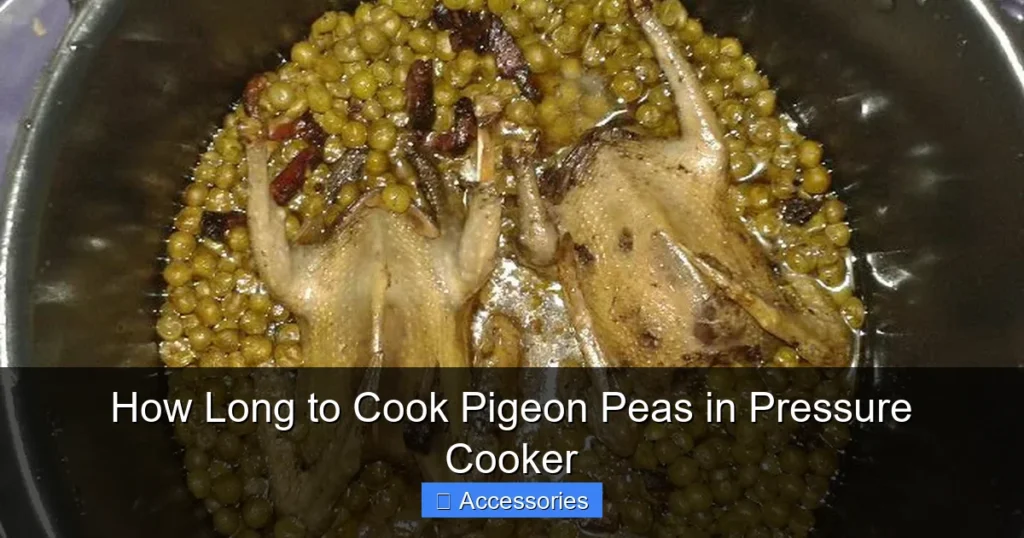
Cooking pigeon peas in a pressure cooker is quick, easy, and saves hours of soaking. Whether you’re using dried or canned beans, this method delivers nutritious, fluffy, and delicious legumes in under 30 minutes. With proper technique, you’ll avoid mushy textures and preserve their rich taste.
Key Takeaways
- Soaking is optional but recommended: For dried pigeon peas, soaking for 4–8 hours reduces cooking time and improves digestibility.
- Cooking time varies by type: Fresh pigeon peas need 10–15 minutes under pressure; dried ones require 20–25 minutes after natural release.
- Pressure level matters: High pressure works best—most recipes call for 15 psi (12 PSI) for optimal texture.
- Natural release vs. quick release: Natural release prevents beans from breaking and ensures even cooking.
- Add acid late to prevent hardening: Tomatoes, vinegar, or lemon juice should be added just before serving to keep the beans soft.
- Season wisely: Spices like cumin, garlic, and bay leaf enhance flavor without overpowering the mild bean taste.
- Storage tips included: Cooked pigeon peas last up to 5 days refrigerated or 6 months frozen—ideal for meal prep.
📑 Table of Contents
- How Long to Cook Pigeon Peas in Pressure Cooker: A Complete Guide
- Why Use a Pressure Cooker for Pigeon Peas?
- Types of Pigeon Peas: Dried vs. Fresh vs. Canned
- Step-by-Step: How to Cook Pigeon Peas in a Pressure Cooker
- Exact Cooking Times for Different Scenarios
- Troubleshooting Common Issues
- Flavor Enhancements and Recipe Ideas
- Safety Tips When Using a Pressure Cooker
- Storing Leftover Cooked Pigeon Peas
- Frequently Asked Questions About Cooking Pigeon Peas
- Final Thoughts: Why Pressure Cook Pigeon Peas?
How Long to Cook Pigeon Peas in Pressure Cooker: A Complete Guide
Pigeon peas—also known as red gram, Congo pea, or gandules—are more than just humble legumes. They’re a staple in Indian, Caribbean, West African, and Latin American cuisines, prized for their creamy texture, earthy flavor, and impressive nutritional profile. Rich in protein, fiber, iron, and B vitamins, pigeon peas are not only filling but also support heart health and digestion.
But let’s be honest: cooking them the traditional way—soaking overnight and simmering for hours—can feel tedious. That’s where modern kitchen tools come to the rescue. Enter the pressure cooker: your secret weapon for turning tough, dry pigeon peas into tender, melt-in-your-mouth goodness in under half an hour. In this guide, we’ll walk you through every step, from prepping the beans to perfecting the timing so you never have to guess again.
Why Use a Pressure Cooker for Pigeon Peas?
If you’ve ever struggled with dried beans that turn to mush or remain hard as rocks after hours on the stove, you know how frustrating it can be. The pressure cooker solves both problems effortlessly. By trapping steam and increasing internal temperature, it softens even the densest legumes quickly and evenly.
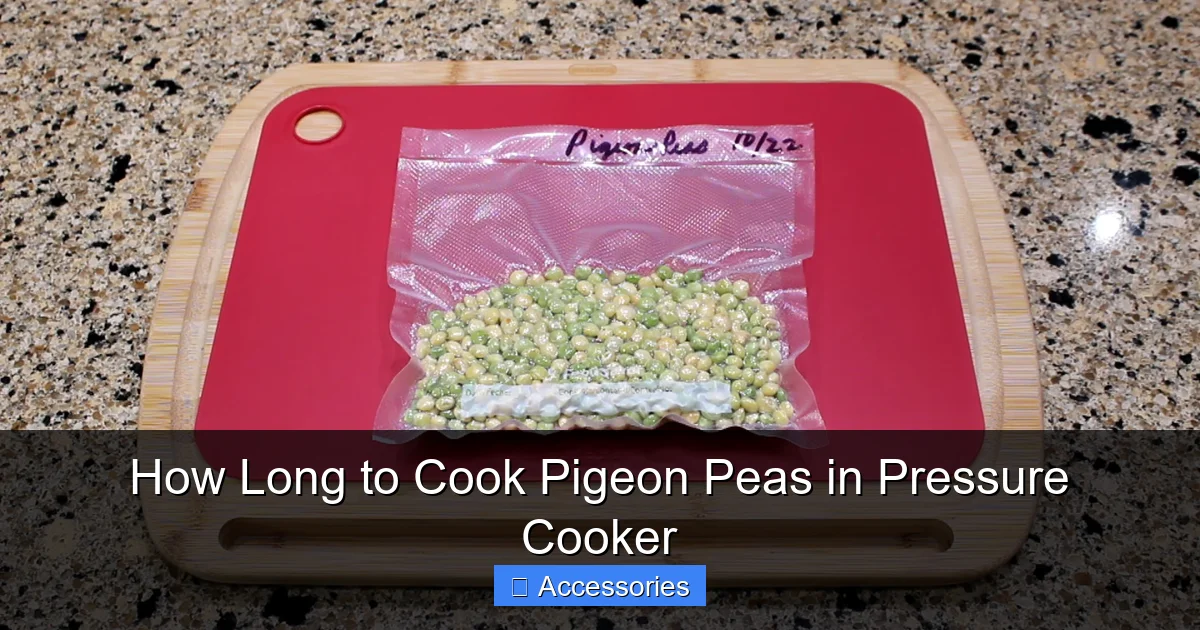
Visual guide about How Long to Cook Pigeon Peas in Pressure Cooker
Image source: aidaskitchenboricua.com
For pigeon peas specifically, high-pressure cooking unlocks their full potential. Unlike some beans that require long soak times (like kidney or black beans), pigeon peas respond beautifully to pressurized heat. Plus, because they cook faster, nutrients like folate and potassium stay intact—something slow-cooked stovetop methods can’t always guarantee.
Another major benefit? Time savings. No more waking up to soaked beans or planning meals weeks ahead. With a pressure cooker, you can start with dry beans in the morning and serve dinner-ready pigeon peas by lunchtime. It’s efficiency meets flavor.
Types of Pigeon Peas: Dried vs. Fresh vs. Canned
Before diving into cooking times, it’s important to understand the different forms pigeon peas come in—because each one has its own ideal preparation method.
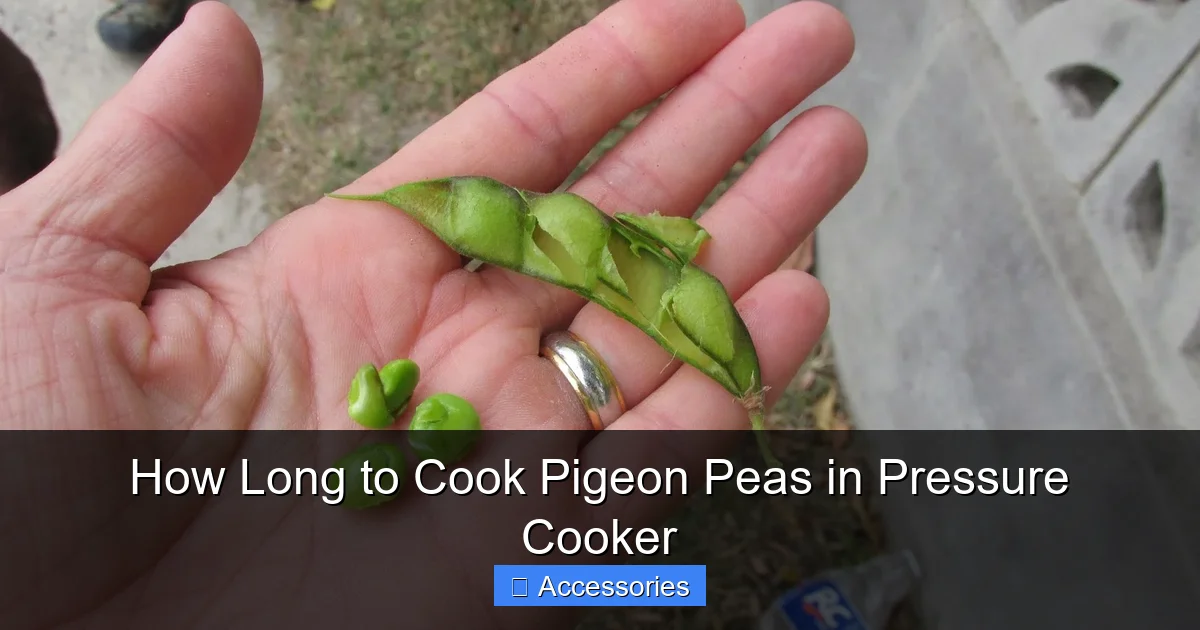
Visual guide about How Long to Cook Pigeon Peas in Pressure Cooker
Image source: 3.bp.blogspot.com
Dried Pigeon Peas
These are the most common form found in grocery stores, especially in international sections or bulk bins at health food markets. Dried pigeon peas look similar to lentils but are slightly larger and darker red. They must be soaked before cooking to rehydrate properly and reduce cooking time.
When buying dried pigeon peas, choose whole beans free of cracks or discoloration. Avoid split varieties unless specified—they cook too fast and may fall apart in stews or curries.
Fresh or Green Pigeon Peas
Also called tur dal in India or moth beans in parts of Africa, fresh pigeon peas resemble green peas but are longer and more slender. These are rarely available outside specialty markets but offer a sweeter, more delicate flavor when young.
Fresh pigeon peas cook almost instantly under pressure—usually 5–10 minutes—because they’re already hydrated. They’re perfect for soups, salads, or quick side dishes.
Canned Pigeon Peas
Convenient and shelf-stable, canned pigeon peas skip the soaking and long cook times altogether. However, they often contain sodium and may be softer than desired if overprocessed. Rinse them well before use to cut salt content and drain excess moisture.
Note: Canned beans don’t need additional cooking unless you’re adding them to a dish that requires reheating or integration into a sauce. Never pressure-cook canned pigeon peas—they’ll explode!
Step-by-Step: How to Cook Pigeon Peas in a Pressure Cooker
Now that you know what kind of pigeon peas you’re working with, here’s how to prepare them like a pro. We’ll focus on dried beans since they’re the trickiest—but we’ll include notes for fresh and canned versions too.
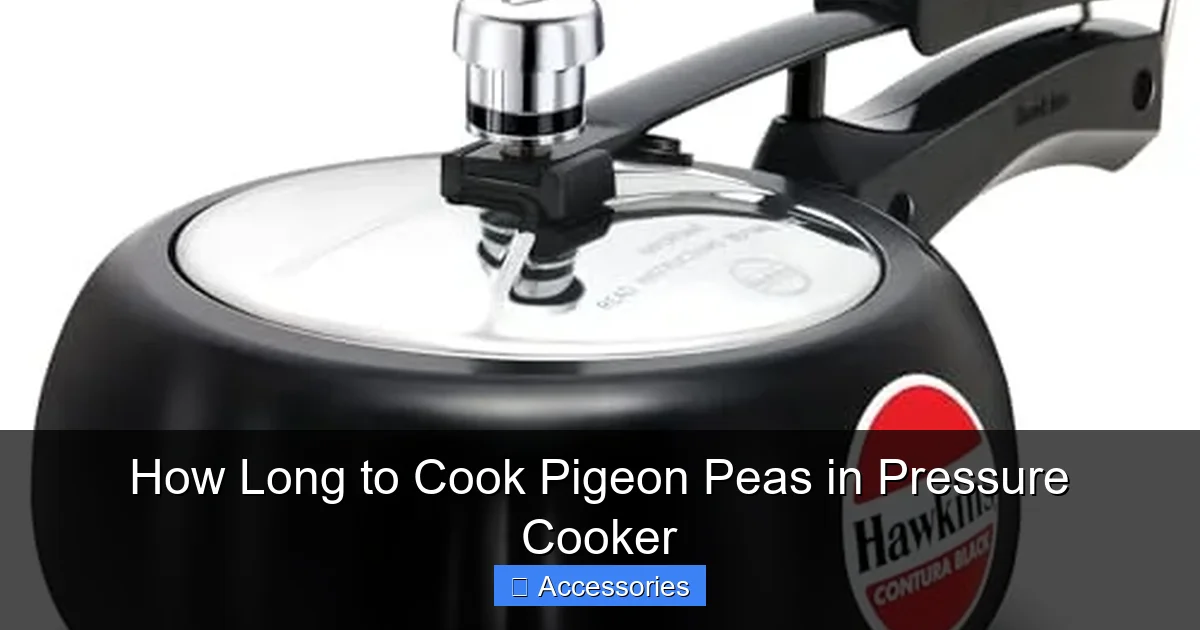
Visual guide about How Long to Cook Pigeon Peas in Pressure Cooker
Image source: m.media-amazon.com
Step 1: Sort and Clean the Beans
Start by spreading your dried pigeon peas on a clean surface. Pick out any debris, shriveled beans, or stones. Rinse them under cold water in a colander to remove dust or impurities.
This step might seem small, but skipping it increases the risk of foreign objects ending up in your meal—not fun during dinner!
Step 2: Soak the Beans (Optional but Recommended)
While soaking isn’t mandatory, it significantly cuts down cooking time and makes digestion easier. Here’s how:
- Quick Soak Method: Boil beans for 2 minutes, then remove from heat and let sit covered for 1 hour.
- Overnight Soak: Cover beans with water (2 cups water per 1 cup beans), refrigerate for 6–8 hours or up to 24 hours.
After soaking, drain and rinse the beans before transferring them to the pressure cooker.
Step 3: Add Liquid and Seasonings
Use a 1:3 ratio of beans to liquid—meaning 1 cup beans needs 3 cups water or broth. This prevents burning and ensures enough steam for pressurization.
For flavor, add:
- 1 tablespoon oil or ghee
- 1 small onion (chopped)
- 2 cloves garlic
- 1-inch piece ginger
- 1 teaspoon cumin seeds
- 1 bay leaf
- Salt to taste
You can also toss in tomatoes later if making a curry—adding acidic ingredients early hardens the skins.
Step 4: Lock the Lid and Pressurize
Ensure the pressure cooker’s valve is set to sealing mode. Bring the mixture to high pressure using the manual/stovetop setting. Once the cooker reaches full pressure (you’ll hear a hissing sound or see pressure building), start your timer.
Pro tip: If your model doesn’t have an automatic shut-off, monitor closely during the first few minutes to avoid overcooking.
Step 5: Release the Pressure
After the recommended time, turn off the heat. For dried pigeon peas, allow a natural release of 10–15 minutes, then do a quick release with the valve. This gradual depressurization keeps beans intact.
Fresh pigeon peas? Skip the natural release—just do a quick release immediately after cooking ends.
Step 6: Drain and Serve
Open the lid carefully (watch for hot steam!). Drain excess liquid if needed, or mash lightly for dal-style dishes. Taste and adjust seasoning.
Serve hot with rice, flatbreads, or as part of a stew like Jamaican gungo peas soup.
Exact Cooking Times for Different Scenarios
The magic number everyone wants to know: how long to cook pigeon peas in a pressure cooker? Let’s break it down by bean type.
Dried Pigeon Peas: 20–25 Minutes Under Pressure
After soaking and adding liquid, cook on high pressure for **20 minutes**. Then let sit naturally for 10 minutes before releasing. Total time: ~35–40 minutes from start to finish.
If you didn’t soak them first, increase pressure time to **25–30 minutes** and extend natural release to 15 minutes. Expect slightly firmer texture.
Fresh Green Pigeon Peas: 8–12 Minutes Under Pressure
No soaking needed! Just rinse, add 2 cups water per 1 cup beans, and cook on high for **8–12 minutes**. Quick release immediately.
Canned Pigeon Peas: 0 Minutes (Just Heat Through)
Rinse thoroughly, drain, and warm gently in a saucepan or microwave—don’t put them directly into a pressure cooker. They’re already cooked!
Tips for Perfect Texture Every Time
- Don’t rush the natural release: Skipping this causes beans to burst open.
- Test doneness: Take one bean—it should mash easily between fingers but retain slight resistance.
- Avoid overfilling: Never exceed ⅔ full with beans + liquid to prevent clogging.
- Use broth instead of water: Chicken, vegetable, or beef stock adds depth without extra prep.
Troubleshooting Common Issues
Even experienced cooks run into hiccups. Here’s how to fix them.
Beans Are Too Hard After Cooking
This usually means insufficient soaking or undercooking. Try boiling them for an extra 5 minutes under pressure, then test again. If still firm, simmer uncovered on low heat until tender.
Beans Turn Into Soup
Too much liquid or overcooking causes disintegration. Always follow the 1:3 bean-to-liquid ratio and stick to recommended times. If your beans are too thin, mash them slightly and thicken with a cornstarch slurry (1 tsp cornstarch + 1 tbsp water).
Beans Float During Cooking
Floating indicates trapped air pockets from inadequate rinsing or cracked beans. Stir gently once or twice during cooking to help them submerge.
Pressure Cooker Won’t Build Pressure
Check the rubber gasket for wear, ensure the vent isn’t blocked, and verify there’s enough liquid (at least 1 cup). Also, make sure the lid seals properly—listen for that satisfying “click” when locking.
Flavor Enhancements and Recipe Ideas
Pigeon peas are versatile. Their mild taste pairs beautifully with bold spices, herbs, and proteins. Try these ideas:
Jamaican Gungo Pea Soup
A Caribbean classic featuring pigeon peas, coconut milk, Scotch bonnet pepper, thyme, and smoked meat. Simmer all ingredients together for 25 minutes under pressure, then blend half for creaminess.
Indian Dal Tadka
Soft pigeon peas (tur dal) tempered with mustard seeds, cumin, turmeric, and fresh coriander. Finish with a splash of lemon and a drizzle of ghee.
West African Black-Eyed Pea Stew (Adapted)
Though technically a different bean, pigeon peas shine in similar preparations: sauté onions, garlic, tomatoes, and spices, then add cooked pigeon peas and simmer for 10 minutes.
Meal Prep Hack
Cook a big batch of pigeon peas on Sunday. Divide into portions and freeze for up to 6 months. Thaw overnight and reheat in a pot with a bit of broth—ready in 10 minutes!
Safety Tips When Using a Pressure Cooker
Pressure cookers are safe when used correctly, but a few precautions go a long way.
- Always check the sealing ring: Replace it if cracked or sticky.
- Never force the lid open: Wait until pressure fully drops.
- Avoid overfilling: Stick to the manufacturer’s max-fill line.
- Keep children away: Steam burns are serious business.
For detailed guidance on operating your specific model, refer to our Cuisinart 6 Quart Pressure Cooker Reviews.
Storing Leftover Cooked Pigeon Peas
Proper storage extends freshness and safety.
- Refrigerator: Store in an airtight container for up to 5 days.
- Freezer: Portion into freezer-safe bags or containers. Label with date—best quality for 6 months.
- Reheating: Warm on the stove with a splash of water or broth. Microwave in 30-second intervals, stirring between.
Frequently Asked Questions About Cooking Pigeon Peas
Still have questions? You’re not alone. Here are answers to the most common concerns.
Can I cook pigeon peas without soaking?
Yes, but it takes longer. Unsoaked dried pigeon peas need 25–30 minutes under pressure plus a 15-minute natural release. Soaking reduces cook time and aids digestibility.
Do I need to add salt before or after cooking?
Add salt early to season the beans, but avoid adding acidic ingredients (like tomatoes or lemon juice) until the end—they can cause the skins to harden.
What if my pressure cooker doesn’t have a timer?
Use a kitchen timer or phone stopwatch. Most models indicate when full pressure is reached via sound or visual cues (e.g., whistle, indicator light).
Can I cook pigeon peas in a multicooker?
Absolutely! Use the “Pressure Cook” or “Manual” setting. Follow the same times and steps—just ensure the appliance is rated for pressure cooking.
Are pigeon peas the same as chickpeas?
No. Chickpeas (garbanzo beans) are larger, lighter in color, and have a nuttier flavor. Pigeon peas are smaller, darker, and creamier when cooked.
Why did my pigeon peas turn green inside?
That’s normal! Some pigeon peas have a green inner layer due to chlorophyll—it’s edible and adds nutritional value. Simply peel it off if you prefer uniform color.
Final Thoughts: Why Pressure Cook Pigeon Peas?
Cooking pigeon peas in a pressure cooker isn’t just about speed—it’s about respect for your time, taste buds, and ingredients. This humble legume deserves better than hours on the stove or disappointment in the pot. With the right technique, you get perfectly tender, nutrient-rich pigeon peas every single time.
Whether you’re whipping up a comforting bowl of dal, fueling up with a protein-packed meal prep, or exploring global flavors, the pressure cooker makes it all possible. And now, armed with precise timing and expert tips, you’re ready to cook pigeon peas like a chef.
Next time you reach for dried beans, remember: pressure cooking turns effort into excellence. Happy cooking!
Frequently Asked Questions
Can I cook pigeon peas without soaking?
Yes, but unsoaked dried pigeon peas need 25–30 minutes under pressure plus a 15-minute natural release. Soaking reduces cook time and improves digestibility.
Do I need to add salt before or after cooking?
Add salt early to season the beans, but avoid adding acidic ingredients like tomatoes or lemon juice until the end—they can cause the skins to harden.
What if my pressure cooker doesn’t have a timer?
Use a kitchen timer or phone stopwatch. Most models indicate when full pressure is reached via sound or visual cues such as a whistle or indicator light.
Can I cook pigeon peas in a multicooker?
Absolutely! Use the “Pressure Cook” or “Manual” setting. Follow the same times and steps—just ensure the appliance is rated for pressure cooking.
Are pigeon peas the same as chickpeas?
No. Chickpeas (garbanzo beans) are larger, lighter in color, and have a nuttier flavor. Pigeon peas are smaller, darker, and creamier when cooked.
Why did my pigeon peas turn green inside?
That’s normal! Some pigeon peas have a green inner layer due to chlorophyll—it’s edible and adds nutritional value. Simply peel it off if you prefer uniform color.