Verifythe serial number and model label first—they’re the fastest authenticity check. Then inspect the build, packaging, and accessories; fakes often show sloppy stitching, mismatched logos, or missing documentation.
How to Spot a Fake Kitchenaid Mixer
I still remember the day I opened a big brown box. I thought I had hit the jackpot. A shiny red stand mixer sat inside. The price tag had been too good to be true. It was under one hundred dollars. I smiled wide. I took it to my kitchen. I set it on the counter. I plugged it in. The motor made a whine like a dying cat. The bowl wobbled. The mixing paddle fell right off. That was the day I learned a hard lesson. My brand new KitchenAid mixer was a fake.
You do not have to learn the hard way. The market is full of copycats today. They look almost perfect in photos. These fakes can fool even a smart shopper. I have seen listings that use real photos and fake reviews. They sound honest. But the product is junk. That is why I wrote this guide. I want to show you how to spot a fake Kitchenaid mixer before you spend your cash. If you love to bake, you know this machine is the heart of your kitchen. You deserve the real deal.
In this article, I will walk you through every red flag. We will look at price, packaging, build quality, motor sound, and more. I will also share a simple table so you can compare features at a glance. By the end, you will feel like an expert detective. You will know exactly how to spot a fake Kitchenaid mixer from a mile away.
I will keep it simple. No hard words. No long speeches. Just clear facts. Let us get started.
Key Takeaways
- Check the model number: Authentic KitchenAid mixers have specific, verifiable numbers listed on official sites.
- Verify the weight: Genuine mixers are heavier and sturdier than lighter, flimsy fakes.
- Inspect the serial number: Cross-check it with KitchenAid’s database to confirm legitimacy.
- Assess build quality: Real products use durable materials; fakes often feel cheap or uneven.
- Compare pricing: Prices significantly below retail may signal counterfeit products.
- Examine branding: Logos, fonts, and color schemes should match KitchenAid’s official standards.
📑 Table of Contents
1. Why Fakes Are a Real Problem
The Rise of Counterfeit Kitchen Appliances
Counterfeit goods used to be limited to street markets. Now they fill online shopping carts. Fake kitchen appliances are a growing problem. They show up on auction sites and discount shops. Scammers know that home bakers dream of owning a stand mixer. A KitchenAid mixer is a symbol of quality. That reputation makes it a target.
These fakes are not always easy to see in photos. The listings use stolen images from real products. The descriptions sound smooth. You might read words like “factory seconds” or “open box special.” Those phrases create false comfort. The truth is often very different. Learning how to spot a fake Kitchenaid mixer starts with knowing why these scams exist.
Making a fake is cheap. Thieves use thin plastic where thick metal should be. They skip steps like safety testing. They ship fast and disappear. The seller name might change next week. By the time you complain, the store is gone. That is the playbook. It works because buyers trust what they see. We need to change that.
The Real Risks to You
A fake mixer is more than a bad buy. It can be a real danger. Cheap motors overheat. Wires fray inside the housing. One woman I read about smelled smoke after ten minutes of use. Her fake mixer had melted wires inside. That is a fire risk. No one wants a kitchen fire over a batch of cookies.
Your wallet takes a beating too. Real KitchenAid mixers carry a one-year warranty. They last decades with care. A fake may die in a month. Most fake sellers offer no real help. Returns are impossible. You end up paying twice. Once for the fake, and once for the real mixer you should have bought first. That is why every buyer needs to stay alert.
2. Check the Price and Seller First
If the Price Looks Too Good, It Probably Is
Price is the fastest clue. A real KitchenAid stand mixer costs real money. Most models run from three hundred to six hundred dollars. Limited colors or pro models cost even more. Sales happen, but they are modest. You might save fifty dollars on a holiday sale. You will not save four hundred dollars.
Visual guide about How to Spot a Fake Kitchenaid Mixer
Image source: thekitchenix.com
Scammers set prices that seem almost possible. They know you want to believe. A ninety-nine-dollar mixer makes you pause. You think maybe it is a typo. Maybe the seller just wants a quick sale. Stop right there. Real businesses do not give away products. If the price makes your jaw drop, let it drop and walk away. Your first step in how to spot a fake Kitchenaid mixer is to trust your gut on price.
Look at shipping costs too. Some fakes use super low item prices but crazy high shipping. This tricks search filters. You sort by lowest price and see their listing first. It is a trap. Add the real cost in your head. A real mixer has a real minimum price. Keep that in mind.
Stick to Authorized Sellers
Where you buy is just as important as what you pay. Authorized retailers get stock directly from KitchenAid. They have contracts and quality checks. Big names like Target, Best Buy, Crate and Barrel, and the KitchenAid website are safe bets. Department stores with kitchen sections are also fine.
Online marketplaces are trickier. If you shop on a site with third-party sellers, read the fine print. Look for the seller name. Is it the official store, or is it “Super Discount Mart 99”? Check the seller ratings. Read the one-star reviews first. They tell the truth. If a seller has no history, do not be their first test case.
Quick Price and Seller Comparison
| Sign | Real Mixer | Fake Mixer |
|---|---|---|
| New Price | $300 to $600+ | $50 to $150 |
| Discount Depth | 10% to 30% off | 70% to 80% off |
| Seller Type | Known store or official site | New online shop or auction |
| Return Policy | Clear and stated | Vague or missing |
| Contact Info | Real phone and address | Email only or none |
This table sums up the money side of the puzzle. If the price, seller, and return policy all look wrong, you are not looking at a deal. You are looking at a baited hook. Use this as your reality check before you click buy.
3. Inspect the Packaging and Branding
The Box Tells a Story
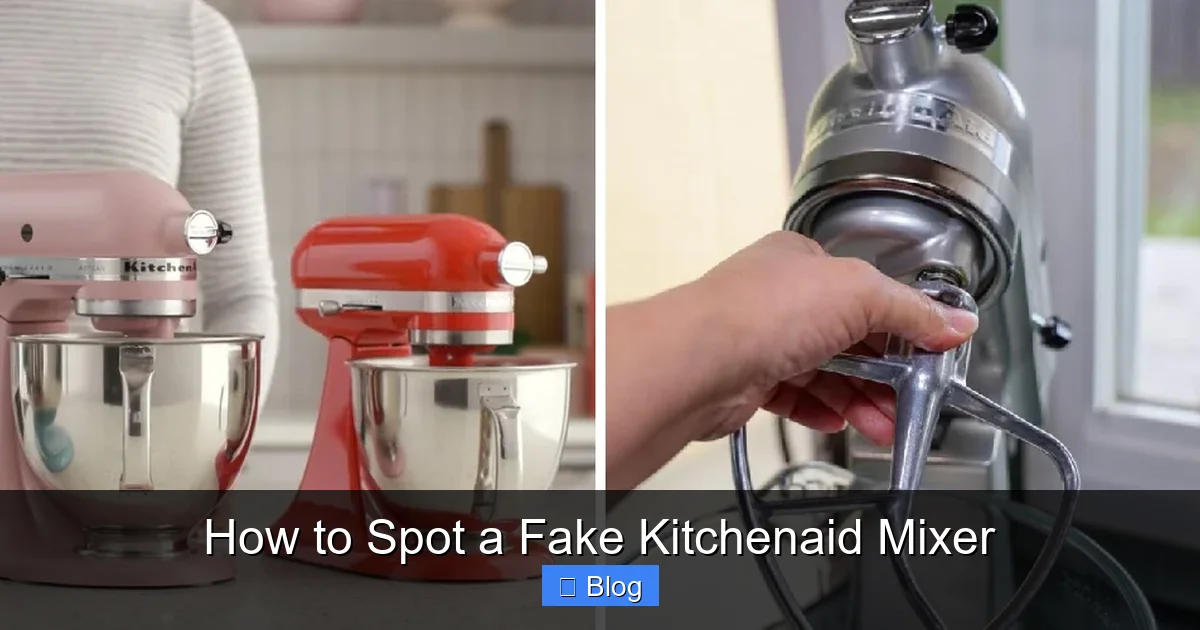
Real KitchenAid boxes are strong. The cardboard is thick and crisp. The images on the side are bright and clear. You can see the mixer perfectly. The text is sharp. Every edge is clean. When you pick up the box, it feels like a premium product.
Visual guide about How to Spot a Fake Kitchenaid Mixer
Image source: thekitchenix.com
Fake boxes cut every corner. The cardboard is thin. It might crush under normal handling. The print looks blurry or pixelated. Colors are dull. You might see typos on the side. Look for spelling errors. Check the model name. A fake might say “Kitchen Aid” with a space. That is a dead giveaway. Real branding never uses a space. One key step in how to spot a fake Kitchenaid mixer is to study the box before you open it.
Check the tape too. Real boxes have neat tape. The seal is straight and even. Fakes often have wrinkled tape. It might look like the box was opened and re-closed. That happens because counterfeit boxes are slapped together after shipping from overseas. Take a photo before you open anything. You may need proof later.
Logo and Font Details
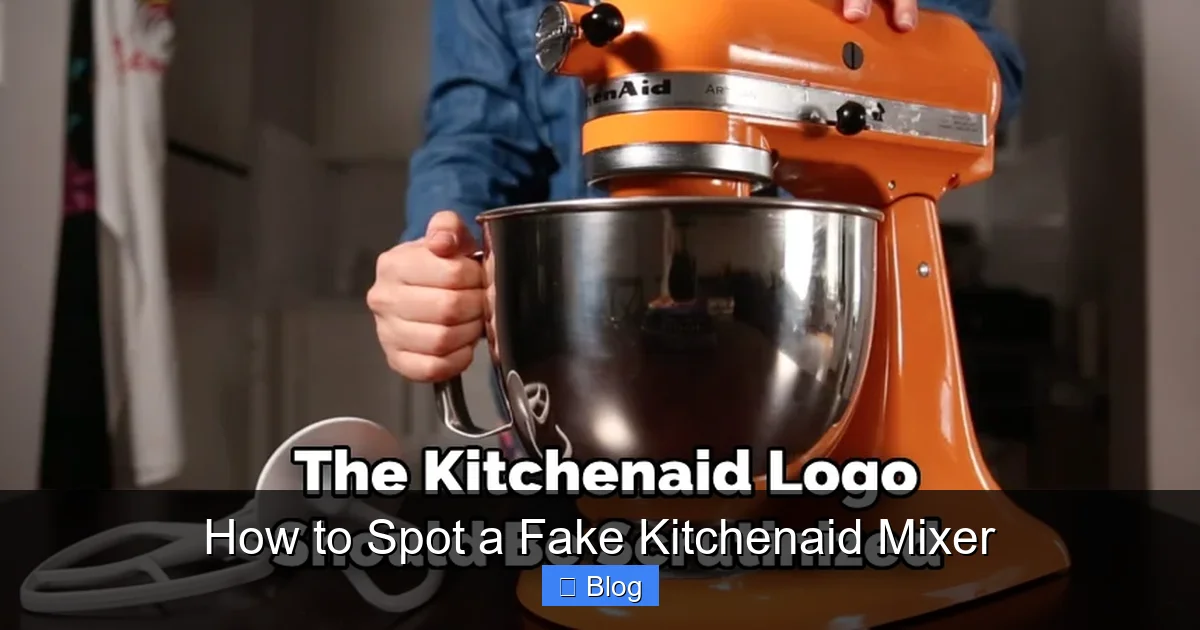
The KitchenAid logo is iconic. It has a specific look. The font is custom. The letters are evenly spaced. The red color is bold and exact. On fake boxes, the logo might look stretched. The red could look orange or dark pink. The letters may touch each other or sit too far apart.
Look inside at the manual. Real manuals are glossy. They are printed on smooth paper. The English is perfect. Photos are crisp. Fake booklets are often photocopies. The pages are thin. Words are blurry. You might find odd grammar. A phrase like “Please to be careful with electrical” screams fake. These details seem small. But they add up fast. The paper quality alone can reveal the truth before you even see the mixer.
Do not forget the stickers. Real units have proper bar codes and model stickers. They are straight. They stick forever. Fake stickers might peel at the corner. The printing might be fuzzy. Hold the box under a light. If the sticker looks like it was printed at home, trust your eyes. You are looking at a fake.
4. Examine the Mixer Body and Attachments
Weight and Build Quality
Lift the mixer out of the box. A real KitchenAid is heavy. It feels dense and solid. That weight comes from real metal gears and a strong motor. The base is wide and stable. It plants itself on the counter and never budges.

Visual guide about How to Spot a Fake Kitchenaid Mixer
Image source: thekitchenix.com
A fake feels light. It feels hollow. You can sense the cheap plastic inside. The base might be too small. It can rock when it runs. Run your hand along the body. Real units have smooth seams. The finish is even and deep. Fakes often have rough edges. You might feel a gap where two parts meet. Cheap paint can bubble or chip. In some cases, the chrome is just sprayed on plastic. It peels with a fingernail scratch. This simple lift and touch test is a giant clue. When you check the heft and finish, you learn how to spot a fake KitchenAid mixer with your hands alone.
The Tilt-Head and Bowl Lift
Real mixers move with precision. On a tilt-head, the release lever snaps up and down. It holds firmly. There is no wiggle in the head. Fakes often have loose locks. The head might drift down while you mix. That is a danger. It can hit the bowl and break it during use.
Bowl-lift models should raise and lower with solid clicks. The arms are thick metal. They feel strong. Counterfeit bowl-lift arms can flex. They may rattle when you move them. A real mixer seat locks the bowl tight. A fake bowl might spin in place. If the head or lift feels like it belongs on a toy, you have your answer. The quality of motion is a tell that never lies.
Attachments and Accessories
The whisk, paddle, and dough hook matter too. Real attachments are heavy. The metal is smooth. They are machined to exact sizes. The paint or coating is even and strong. They click into the shaft with a firm push.
Fake attachments feel rough. The sides are not polished. Paint drips can hide in the crevices. The collar that clips into the head might be plastic painted to look like metal. Press your thumbnail into it. Real metal does not give. Fake plastic flexes. The mixing bowl can also expose a fake. A real bowl has a flat, even bottom. It sits steady. Fake bowls can wobble. They may have sharp edges. The interior coating can scratch off with a spoon. You deserve better than cheap metal in your food. Check every part with a critical eye.
5. Look at the Motor and Performance
Sound and Smell
Turn the mixer on. A real KitchenAid motor hums. It is low and steady. Even on high speed, the sound is smooth. You hear power, not pain. A fake motor screams. It may rattle or grind. The pitch jumps around. It sounds like a broken appliance from the start.
Smell is just as telling. A new real mixer may have a faint scent. It is mild and clean. It fades after a minute. A fake often smells like burning plastic or hot glue. That smell means cheap materials are already overheating. It is not safe. If you plug in a mixer and your nose tells you something is wrong, believe it. This sound and smell test helps you learn how to spot a fake Kitchenaid mixer fast. No tools needed. Just your ears and nose.
Watch the speed dial too. Real dials click into each speed with a crisp feel. Labels are printed cleanly. Fake dials feel mushy. The print might be crooked. Speed one might feel the same as speed ten. That lack of control means the motor is junk. It cannot handle real mixing tasks.
Power Under Load
Real power shows up when you add ingredients. A genuine KitchenAid can mix thick cookie dough or bread dough. It slows a little but keeps turning. The motor stays cool. The base stays still. You can walk away and trust it.
A fake fails fast. Add two cups of flour, and the motor may stall. It may overheat and shut off. The head might bob up and down. The bowl may rock on the base. These are not normal. They are signs of a weak heart inside the machine. Real mixers use planetary action. The attachment spins one way while the shaft spins the opposite way. This gives even, thorough mixing. Fakes lack this. They just spin. The result is lumpy batter and a machine that begs for mercy. A quick dough test reveals the truth in about sixty seconds. If it chokes, it is a joke.
6. Verify Using Serial Numbers and Warranty
Find and Check the Serial Number
Every real KitchenAid mixer has a serial number. Look for a sticker or metal plate at the back or bottom. The numbers are printed clearly. They are evenly spaced. The sticker does not peel at the edges. You can read every digit.
Go to the official KitchenAid website. Find their product registration page. Enter the number. A real serial number will show the correct model. It will match the color and size you bought. A fake number brings up nothing. Some crooks copy real serial numbers. But that is rare. Most fakes use a random string or no number at all. You can also call KitchenAid support. Read them the number. They can confirm if the unit is genuine. This step takes two minutes. It gives you total peace of mind.
Warranty and Customer Support
Real mixers come with a real warranty. The card inside the box is printed on quality paper. It lists a real address and phone number. The website listed is KitchenAid.com or a known partner. Fakes include a flimsy slip. The paper is thin. The ink smears. The phone number might be fake.
Call the number on the card. See who answers. If you get a dead line or a random warehouse, you know the deal. Call KitchenAid directly using the number from their official site. Give them the serial number. Ask about warranty status. A real unit is in their system. A fake is not. Even if the seller swears there is a warranty, a five-minute phone call exposes the lie. This is your final shield. It is the safest way to prove what you own.
Buying a new stand mixer should be a happy day. You should dream of cakes and fresh bread. You should not worry about smoke, wobbles, or fake serial numbers. That is why you need to shop smart. Every tip in this guide is simple. You do not need to be a mechanic. You just need to pay attention.
You now know the full process. You know to check the price first. You know to inspect the box and the logo. You know to lift the mixer and feel the weight. You know to listen to the motor and test the dough hook. You know how to verify the serial number and call for warranty proof.
I hope this guide saves you from the headache I went through. A fake mixer is a waste of money and time. A real KitchenAid mixer is a friend in the kitchen for decades. Take your time. Buy from trusted stores. Trust your senses. Now that you know how to spot a fake Kitchenaid mixer, you can shop with confidence. Happy baking!
🎥 Related Video: CHINA MANUFACTURED COUNTERFEIT KITCHENAID MIXER! SCAMMER ALERT!
📺 Jessica Romero
Frequently Asked Questions
What are the most common signs that a Kitchenaid mixer is fake?
Fake mixers often have a noticeably lighter build, uneven paint, or a logo that looks off in detail. The motor may run too softly or hum, and the speed control buttons can feel flimsy or not match the original design.
How to Spot a Fake Kitchenaid Mixer when shopping online?
Check the seller’s rating, read customer reviews, and verify the product’s SKU or serial number against Kitchenaid’s official database. Genuine models come with a clear, high‑resolution image of the logo and detailed specifications on the packaging.
Can the weight of a Kitchenaid mixer help me determine if it’s a counterfeit?
Yes, authentic mixers tend to be heavier due to a solid steel motor housing and dense ceramic attachment. A noticeably lighter unit may indicate a cheaper substitute or a knock‑off.
What should I look for in the motor and speed control to confirm authenticity?
Real Kitchenaid mixers feature a robust, blue‑copper motor and a smooth, tactile speed dial or button set. Counterfeits often use a weaker motor and may have a plastic speed control that feels cheap or imprecise.
Is there a specific serial number format that authentic Kitchenaid mixers use?
Authentic mixers have a serial number starting with “KHD” followed by a 10‑digit code, printed on a metal plate near the base. Verify this code on Kitchenaid’s official website; mismatched or missing numbers suggest a fake.
How can I confirm the authenticity of the mixer’s attachments and accessories?
Original attachments feature a polished metal finish, a matching color palette, and a clear “KITCHENAID” label. Counterfeits often use cheaper plastic or metal with a dull finish and may lack the official branding or certification marks.