Knowing the internal temp for turkey is the single most important step in cooking a safe and delicious roast. The USDA recommends reaching 165°F in the thickest part of the bird, but checking multiple spots ensures even cooking. This guide walks you through everything from thermometer use to resting times so your turkey turns out perfect every time.
Roasting a turkey can feel like a big responsibility. Whether you are preparing a holiday centerpiece or a weeknight family dinner, getting the internal temp for turkey right makes all the difference. A perfectly cooked bird is juicy, tender, and safe to eat. An undercooked one? That is a serious food safety risk nobody wants to deal with.
In this guide, we will walk you through everything you need to know about turkey temperatures. You will learn the exact safe numbers, how to measure them correctly, and the mistakes that trip up even experienced cooks. By the end, you will feel confident pulling off a flawless turkey every single time.
Key Takeaways
- Safe Internal Temperature: Turkey must reach 165°F (74°C) in the thickest part to be safe to eat.
- Check Multiple Spots: Always test the breast, thigh, and wing areas for even doneness.
- Use a Meat Thermometer: A digital instant-read thermometer gives the most accurate readings every time.
- Rest the Turkey: Letting the bird rest for 20 to 30 minutes allows juices to redistribute for a moist result.
- Avoid Overcooking: Pulling the turkey at the right time and letting carryover cooking finish the job keeps meat tender.
- Different Cuts, Different Temps: Turkey breast and thighs have slightly different ideal doneness levels.
📑 Table of Contents
- Why Internal Temperature Matters for Turkey
- What Is the Safe Internal Temperature for Turkey
- How to Measure Turkey Internal Temperature Correctly
- Turkey Temperature by Cooking Method
- Common Mistakes When Checking Turkey Temperature
- Resting Your Turkey: The Final Step
- Final Thoughts on Turkey Internal Temperature
Why Internal Temperature Matters for Turkey
Turkey is a poultry product, and poultry carries specific food safety risks. The main concern is salmonella and other harmful bacteria that can live inside raw meat. These bacteria die when the meat reaches a certain temperature. That is why checking the internal temp for turkey is not optional. It is essential.
Many people rely on cooking time alone. They set a timer and guess when the bird is done. This approach is unreliable. Ovens heat unevenly. Turkey sizes vary wildly. Stuffing inside the cavity affects cooking time. The only way to know for sure is to measure the temperature directly.
Undercooked turkey can cause food poisoning. Symptoms include stomach cramps, diarrhea, and fever. Nobody wants their holiday meal to end in a hospital visit. On the flip side, overcooked turkey turns dry and tough. Nobody enjoys carving a sawdust-like bird either. Finding the sweet spot is the whole game.
The Role of Carryover Cooking
Here is something many home cooks do not know. The temperature of the turkey continues to rise after you pull it out of the oven. This is called carryover cooking. The residual heat spreads from the outer layers toward the center. For a large roast turkey, the internal temp can rise by 5 to 10 degrees Fahrenheit during resting.
This means you should pull the turkey out before it hits the final target temperature. If you wait until the thermometer reads 165°F in the oven, the bird will likely overshoot to 170 or 175°F by the time you are done resting. That extra heat dries out the meat. Understanding carryover cooking helps you nail the perfect doneness.
What Is the Safe Internal Temperature for Turkey
The USDA sets clear guidelines for poultry safety. The safe internal temp for turkey is 165°F (74°C). This applies to all parts of the bird, including the breast, thighs, wings, and any stuffing inside the cavity.
Let us break this down by cut so it is crystal clear.
Turkey Breast Temperature
The breast is the leanest part of the bird. It has very little fat, which means it dries out fast if you overcook it. The safe internal temp for turkey breast is 165°F. However, many chefs prefer to pull the breast at 160°F and let carryover cooking bring it up to 165°F during resting. This keeps the breast juicier.
When checking the breast, insert the thermometer into the thickest part. Avoid touching the bone or the pan. Bone conducts heat differently and can give you a false reading.
Turkey Thigh Temperature
Thighs are darker meat with more fat and connective tissue. They can handle a slightly higher temperature without drying out. The safe temp for turkey thighs is also 165°F. Some cooks prefer thighs at 170 to 175°F because the higher temperature breaks down collagen and makes the meat even more tender and flavorful.
Check the thigh in the thickest part, again staying away from the bone. If the thigh juices run clear and not pink, that is a good visual sign too.
Whole Turkey vs. Turkey Parts
Cooking a whole turkey is different from roasting individual parts. A whole bird takes longer, and the temperature can vary significantly from the breast to the thigh. The internal temp for turkey must reach 165°F in every section. This is why checking multiple spots is non-negotiable.
For turkey parts like drumsticks or wings, the same 165°F rule applies. Smaller pieces cook faster, so watch them closely to avoid overcooking.
How to Measure Turkey Internal Temperature Correctly
Knowing where to stick the thermometer matters just as much as the temperature number itself. A wrong technique gives you a false reading, and a false reading leads to bad decisions.
Choose the Right Thermometer
Not all thermometers are created equal. Here are the most common types and how they work for turkey cooking.
- Instant-Read Digital Thermometer: This is the best all-around choice. It gives you a reading in about 10 seconds. Insert it into the thickest part of the meat and wait for the number to stabilize.
- Probe Thermometer: This type stays inside the turkey throughout the entire cook. You can monitor the temperature without opening the oven door. Great for long roasting sessions.
- Dial Oven-Safe Thermometer: This stays in the bird while it cooks but is less precise than digital options. It works as a general guide but should not be your only tool.
- Infrared Thermometer: This measures surface temperature only. It does not work for checking internal doneness. Skip this one for turkey.
Where to Insert the Thermometer
Placement is everything. Here are the key spots to check on a whole turkey.
- Thickest part of the breast: Avoid the bone and go deep enough to reach the center of the meat.
- Innermost part of the thigh: The thigh connects to the body at the joint. Check near the joint but not touching bone.
- Wing area: If you want to be thorough, check the wing too. This area can cook faster or slower depending on the bird.
- Stuffing (if applicable): If your turkey has stuffing inside, the stuffing must also reach 165°F. This is an often-overlooked spot that can harbor bacteria.
Quick Tips for Accurate Readings
- Calibrate your thermometer before each use. Ice water should read 32°F.
- Do not check the temp too early. Give the bird enough time to cook evenly.
- Clean the thermometer between checks to avoid cross-contamination.
- Take multiple readings from different spots for the most accurate picture.
Using a food-grade silicone utensil to probe the meat gently can also help you avoid tearing the skin and losing juices. If you enjoy preparing side dishes alongside your turkey, a food processor for cauliflower rice makes quick work of low-carb accompaniments that pair perfectly with roast turkey.
Turkey Temperature by Cooking Method
Different cooking methods affect how the turkey heats up. Let us look at the most popular approaches and how temperature plays a role in each.
Oven-Roasted Turkey
This is the classic method. A whole turkey goes into a roasting pan in a preheated oven, usually at 325°F. The low and slow approach allows heat to penetrate evenly. For a standard oven-roasted turkey, check the internal temp toward the end of the estimated cooking time. A 12 to 14-pound bird typically takes about 3 to 3.5 hours.
Many cooks like to use a stainless steel dutch oven for roasting turkey because the heavy pot traps moisture and promotes even heat distribution. This method can produce incredibly juicy results.
Deep-Fried Turkey
Deep-fried turkey cooks much faster than oven-roasted bird. The oil temperature is around 350°F, and the turkey cooks in about 3 to 4 minutes per pound. Because the cook time is so short, checking the internal temp is even more critical. The outside can be crispy and dark while the inside is still undercooked.
Smoked Turkey
Smoking a turkey takes patience. Low temperatures around 225 to 250°F mean the cook can last 4 to 6 hours or more. The internal temp for turkey must still reach 165°F in the end. A probe thermometer is essential here because you cannot open the smoker every few minutes to check.
Grilled Turkey
Grilling a turkey over indirect heat is another great option. Set up your grill with a two-zone fire and place the turkey away from the direct flames. Monitor the temperature regularly. Grilled turkey can develop a beautiful smoky flavor but requires careful temperature management.
Common Mistakes When Checking Turkey Temperature
Even experienced cooks make errors when it comes to measuring turkey doneness. Here are the most common mistakes and how to avoid them.
Relying on Cooking Time Alone
Cooking time is just an estimate. Oven accuracy varies. Turkey shape varies. Starting temperature varies. Relying on the clock alone is the number one mistake that leads to dry or undercooked turkey. Always use a thermometer.
Checking Too Early
Opening the oven door to check the temperature drops the oven heat significantly. Every time you open that door, you add 10 to 15 minutes to the cook time. Wait until the turkey is close to the expected done time before checking.
Touching the Bone
Bone conducts heat faster than meat. If the thermometer probe touches the bone, it will read hotter than the actual meat temperature. This can trick you into thinking the turkey is done when it is not.
Not Checking Multiple Spots
The breast and thigh cook at different rates. The breast can be at 165°F while the thigh is still at 155°F. Always check at least two or three locations to be sure the entire bird is safe.
Skipping the Resting Period
Some people check the temp and immediately start carving. This releases all the juices onto the cutting board instead of staying in the meat. Resting the turkey for 20 to 30 minutes after pulling it out is just as important as hitting the right temperature.
Resting Your Turkey: The Final Step
Once your turkey reaches the right internal temp for turkey, the job is not done yet. Resting is a critical final step that many people skip.
When you pull the turkey out of the oven, the heat inside continues to distribute. The juices, which were pushed toward the center by the heat, start to relax and spread back throughout the meat. This resting period makes the turkey significantly juicier when you carve it.
For a whole turkey, aim for 20 to 30 minutes of resting time. Tent the bird loosely with aluminum foil to keep it warm without trapping too much steam. The foil tent also prevents the skin from getting soggy.
For turkey parts like breasts or thighs, 10 to 15 minutes of resting is usually enough. The smaller pieces lose heat faster, so do not let them sit too long or they will get cold.
During the resting period, you can use the time to prepare your gravy or warm up side dishes. If you are serving a full holiday spread, a keep food warm container for lunch works great for holding sides at the right temperature while the turkey rests.
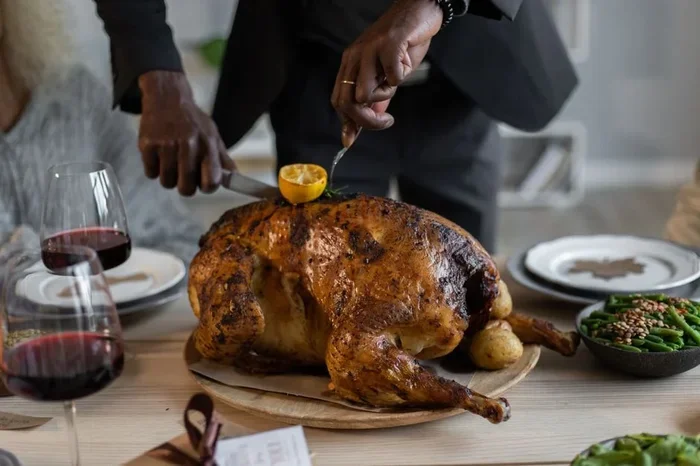
After resting, carve the turkey against the grain for the most tender slices. Use a sharp knife and a sturdy cutting board. A clean cut preserves all those juices you worked so hard to keep inside the meat.
Final Thoughts on Turkey Internal Temperature
Getting the internal temp for turkey right is the foundation of a great roast. It keeps your family safe from foodborne illness and ensures every bite is moist and flavorful. The target is 165°F in the thickest part of the breast and thigh, but understanding carryover cooking and proper resting takes your results to the next level.
Invest in a good thermometer. Check multiple spots. Avoid the common mistakes we covered. And always give your turkey time to rest before carving. These simple steps transform a stressful cooking experience into a confident, repeatable process.
Whether you are a first-time turkey roaster or a seasoned pro, these guidelines will help you serve a bird that everyone remembers for the right reasons. Happy cooking.
Frequently Asked Questions
What is the safe internal temperature for turkey?
The USDA states that turkey is safe to eat when it reaches an internal temperature of 165°F (74°C). This applies to the breast, thighs, wings, and any stuffing inside the cavity. Always use a food thermometer to confirm the temperature.
Can I pull the turkey out of the oven before it reaches 165°F?
Yes, you can pull the turkey at 160°F and let carryover cooking raise the temperature to 165°F during resting. This technique helps prevent overcooking and keeps the meat juicier. Just make sure the final resting temperature reaches at least 165°F.
How many times should I check the turkey temperature?
Check the temperature at least two to three times in different spots, such as the thickest part of the breast and the innermost part of the thigh. Avoid touching the bone with the probe. Do not check too frequently or you will lose oven heat.
What type of thermometer is best for turkey?
A digital instant-read thermometer is the most reliable choice for most home cooks. A probe thermometer that stays in the bird throughout cooking is also excellent for monitoring temperature without opening the oven door. Avoid infrared thermometers since they only measure surface temperature.
Why is my turkey dry even though I hit the right temperature?
Overcooking is the most common cause of dry turkey. Even hitting 165°F can lead to dryness if the bird stays in the oven too long. Also, not resting the turkey properly causes juices to escape when you carve it. Pull the turkey early and let it rest for 20 to 30 minutes.
Does stuffing affect the internal temperature of turkey?
Yes, stuffing inside the cavity can slow down cooking and create uneven heat distribution. The stuffing must also reach 165°F to be safe. Many food safety experts recommend cooking stuffing separately to avoid undercooked stuffing and to make temperature checking easier.
=== INTERNAL LINKS ===
- best stainless steel dutch oven for bread
- best food processor for cauliflower rice
- best keep food warm container for lunch
- best silicone utensils for non-stick pans