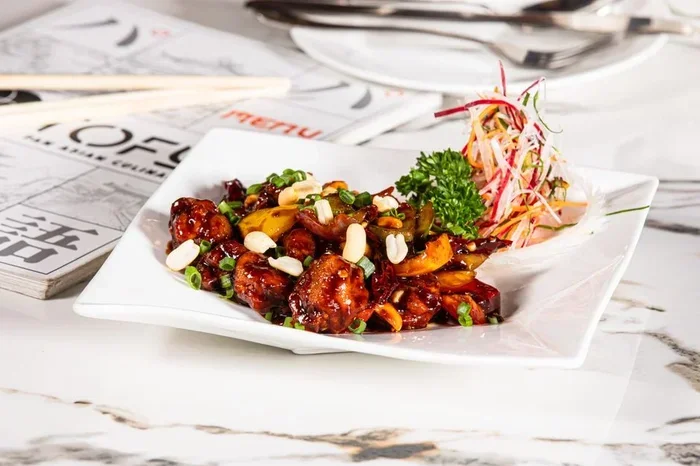
This guide walks you through making authentic kung pao chicken from scratch. You will learn the key ingredients, sauce secrets, and cooking techniques that make this Sichuan classic so flavorful. We also share tips for adjusting spice levels and common mistakes to avoid. By the end, you will be able to whip up a restaurant-quality dish in your own kitchen.
Kung pao chicken is one of the most beloved Chinese dishes around the world. It hits every flavor note you can think of: spicy, sweet, sour, and savory. If you have ever wondered how to make this dish at home, you are in the right place. This kung pao chicken guide covers everything from ingredients to cooking techniques.
Many people think authentic Chinese food requires years of practice. That is simply not true. With the right ingredients and a few simple steps, you can create a kung pao chicken recipe that rivals your favorite restaurant. Whether you are a beginner or a seasoned home cook, this guide will help you nail it every time.
The beauty of authentic kung pao chicken lies in its simplicity. You do not need a long list of exotic ingredients. You need quality chicken, a few key aromatics, and a well-balanced sauce. Let us dive into the details and get you cooking.
Key Takeaways
- Authentic kung pao chicken relies on a balance of sweet, sour, salty, and spicy flavors.
- Dried chilies and Sichuan peppercorns are the two must-have ingredients that define the dish.
- Using boneless skinless chicken thighs gives you the best texture and flavor.
- The sauce is the soul of the dish, and getting the ratios right is critical.
- High-heat stir-frying in a wok creates the authentic smoky flavor known as wok hei.
- You can easily adjust the spice level to suit your family’s taste.
- Making kung pao chicken at home is faster and healthier than ordering takeout.
📑 Table of Contents
- What Is Kung Pao Chicken?
- Essential Ingredients for Authentic Kung Pao Chicken
- Step-by-Step Cooking Instructions
- Tips for the Perfect Kung Pao Chicken
- Common Mistakes to Avoid
- Kung Pao Chicken vs. General Tso’s Chicken
- Health Benefits of Kung Pao Chicken
- How to Store and Reheat Kung Pao Chicken
- Variations and Creative Twists
- Conclusion
What Is Kung Pao Chicken?
Kung pao chicken is a classic Sichuan dish that originated in the southwestern part of China. It is named after Ding Baozhen, a Qing Dynasty official who loved this spicy stir-fry. The dish features diced chicken, roasted peanuts, dried chilies, and a tangy sauce that brings everything together.
What makes Sichuan kung pao chicken different from the Americanized version is the use of Sichuan peppercorns. These little reddish-brown berries create a unique numbing sensation on your tongue. That tingling feeling, called málà, is the hallmark of true Sichuan cuisine. Without it, you are just eating a spicy chicken dish, not the real thing.
The dish is a stir-fry through and through. Chinese stir-fry techniques are essential to achieving the right texture. The chicken should be tender, the peanuts slightly crunchy, and the vegetables still crisp. Getting this balance right is what separates a good kung pao chicken from a great one.
Essential Ingredients for Authentic Kung Pao Chicken
The ingredients you choose make or break this dish. Let us go through each one so you know exactly what to look for and why it matters.
Chicken: The Star of the Dish
Traditionally, kung pao chicken uses bone-in chicken pieces. However, most home cooks prefer boneless skinless chicken thighs. They are easier to eat and cook more evenly. If you want extra protein, you can also explore high-protein chicken thigh recipes for other meal ideas. Thigh meat stays juicier than breast meat, which is important for a stir-fry.
Cut the chicken into small, uniform cubes. This ensures even cooking and gives the dish its signature bite-sized look. Marinating the chicken briefly in soy sauce and cornstarch helps keep it tender during the high-heat cooking process.
The Sauce: The Heart of Kung Pao Chicken
The sauce is what makes kung pao chicken so addictive. It combines several key elements:
- Soy sauce adds saltiness and depth.
- Black vinegar (Chinkiang vinegar) provides the tangy punch.
- Sugar balances the heat and acidity.
- Shaoxing wine adds a subtle aromatic flavor.
- Sesame oil finishes the sauce with a nutty fragrance.
Getting the ratios right is the secret to an amazing kung pao chicken recipe. A good starting point is roughly two parts soy sauce, one part vinegar, one part sugar, and a splash of wine. You can always adjust to taste once you make the dish a few times.
Dried Chilies and Sichuan Peppercorns
Dried chilies are non-negotiable for authentic kung pao chicken. The most common variety used is the Tianmianjiang chili, which is moderately hot and has a rich, slightly sweet flavor. You can also use whole dried red chilies, which you toast until fragrant before adding to the dish.
Sichuan peppercorns are equally important. They do not taste spicy like chili peppers. Instead, they create a buzzing, numbing sensation that is totally unique. Toast them lightly in a dry pan before grinding them. This releases their aromatic oils and intensifies their flavor.
Supporting Ingredients
Do not overlook the supporting cast. These ingredients add texture and complexity:
- Roasted peanuts add crunch and nuttiness.
- Garlic and ginger form the aromatic base.
- Green onions add freshness and color.
- Scallions are often used as a finishing garnish.
Some cooks also add vegetables like bell peppers or zucchini. While traditional kung pao chicken does not include these, they can make the dish more filling and family-friendly.
Step-by-Step Cooking Instructions
Now that you have your ingredients ready, let us walk through the cooking process. Making kung pao chicken at home is easier than you think.
Step 1: Prepare the Chicken
Start by cutting your chicken into bite-sized cubes. Place them in a bowl and add a tablespoon of soy sauce, a teaspoon of cornstarch, and a splash of cooking wine. Mix well and let it marinate for 15 to 20 minutes. This step tenderizes the meat and helps it absorb flavor.
If you are short on time, look for quick and easy boneless chicken thigh recipes that use similar marinating techniques. The same principle applies here: a quick marinade makes a big difference in the final result.
Step 2: Mix the Sauce
While the chicken marinates, prepare your sauce in a small bowl. Combine soy sauce, black vinegar, sugar, and Shaoxing wine. Stir until the sugar dissolves. Having the sauce ready before you start cooking is crucial. Stir-frying happens fast, and you do not want to be scrambling to measure ingredients while your chicken overcooks.
Step 3: Toast the Dried Chilies and Peppercorns
Heat a dry wok or skillet over medium heat. Add the dried chilies and Sichuan peppercorns. Stir them constantly for about 30 seconds until they become fragrant. Be careful not to burn them, as burnt chilies will taste bitter. Once toasted, remove them from the wok and set them aside.
Step 4: Stir-Fry the Chicken
Turn the heat to high. Add oil to the wok and wait until it shimmers. Add the marinated chicken and spread it out in a single layer. Let it cook undisturbed for about 30 seconds, then stir-fry for another 2 to 3 minutes until the chicken is cooked through and lightly browned.
Remove the chicken from the wok and set it aside. This keeps it from overcooking while you prepare the sauce and aromatics.
Step 5: Build the Flavors
In the same wok, add a bit more oil. Toss in minced garlic, ginger, and the toasted chilies and peppercorns. Stir-fry for about 30 seconds until fragrant. Add the green onions and peanuts, giving everything a quick toss.
Return the chicken to the wok. Pour in the prepared sauce and stir everything together. Cook for another minute until the sauce thickens and coats the chicken evenly. The high heat helps the sauce caramelize slightly, creating that deep, complex flavor.
Step 6: Serve and Enjoy
Transfer the kung pao chicken to a serving plate. Garnish with extra green onions and a few extra peanuts. Serve it over steamed white rice or alongside noodles. The rice soaks up the delicious sauce perfectly.
For busy weeknights, this dish comes together in about 20 minutes total. If you are looking for more easy chicken thigh recipes for busy nights, kung pao chicken should be at the top of your list. It is fast, satisfying, and incredibly flavorful.
Tips for the Perfect Kung Pao Chicken
Here are some expert tips that will elevate your kung pao chicken from good to outstanding.
- Use a wok if possible. A carbon steel wok distributes heat evenly and creates the smoky flavor that is hard to replicate in a regular skillet.
- High heat is essential. Do not be afraid to crank up the burner. Stir-frying at high heat cooks the chicken quickly and keeps it tender.
- Toast your spices fresh. Pre-ground Sichuan peppercorns lose their potency quickly. Toasting whole peppercorns right before cooking releases the best flavor.
- Do not skip the cornstarch marinade. It creates a velvety coating on the chicken that keeps it juicy and helps the sauce cling to the meat.
- Adjust the sweetness to your liking. Traditional kung pao chicken has a noticeable sweetness. If you prefer less sugar, reduce it gradually until you find your perfect balance.
- Use roasted peanuts, not raw. Raw peanuts will not have the same depth of flavor. You can roast them yourself or buy pre-roasted ones.
Common Mistakes to Avoid
Even experienced cooks can make mistakes with kung pao chicken. Here are the most common ones and how to avoid them.
- Using chicken breast instead of thighs. Chicken breast dries out quickly under high heat. Thighs have more fat and stay juicy throughout the cooking process.
- Overcooking the chicken. Stir-frying is fast. If you leave the chicken in the wok too long, it becomes tough and rubbery. Cook it just until no pink remains.
- Burning the chilies and peppercorns. These ingredients go from perfectly toasted to bitter in seconds. Keep them moving and remove them from heat as soon as they turn fragrant.
- Adding the sauce too early. The sauce needs high heat to thicken and caramelize. Add it at the right moment, and let it cook for about 60 seconds before removing the wok from the heat.
- Using the wrong vinegar. Regular white vinegar is too harsh. Chinkiang black vinegar has a complex, mellow flavor that is essential to the dish. If you cannot find it, balsamic vinegar can work in a pinch.
If you want to explore more chicken dishes that follow similar principles, check out our guide on marry me chicken dinner recipes. The flavor-building techniques overlap nicely, and you will pick up valuable skills for kung pao chicken as well.
Kung Pao Chicken vs. General Tso’s Chicken
People often confuse kung pao chicken with General Tso’s chicken. While both are popular Chinese-American dishes, they are quite different.
Kung pao chicken is a Sichuan original. It features a complex sauce with vinegar, soy sauce, and Sichuan peppercorns. The heat comes from dried chilies, and the peanuts add texture. It is spicy, tangy, and slightly numbing.
General Tso’s chicken, on the other hand, is a deep-fried dish with a sweet and sticky sauce. It does not contain Sichuan peppercorns or dried chilies. The flavor profile is much simpler: sweet, crispy, and glazed. If you want to learn more about the differences between these two dishes, explore our collection of Chinese chicken recipes that covers both styles.
| Feature | Kung Pao Chicken | General Tso’s Chicken |
|---|---|---|
| Origin | Sichuan, China | Chinese-American |
| Cooking Method | Stir-fry | Deep fry |
| Sauce Style | Tangy, spicy, savory | Sweet, sticky, glazed |
| Key Spices | Dried chilies, Sichuan peppercorns | None (garlic and ginger only) |
| Texture | Tender chicken, crunchy peanuts | Crispy battered chicken |
| Heat Level | Medium to hot | Mild |
Understanding these differences helps you appreciate kung pao chicken for what it truly is. It is not just another spicy chicken dish. It is a carefully balanced stir-fry with a rich culinary history.
Health Benefits of Kung Pao Chicken
Good news: kung pao chicken is not just delicious, it is also relatively healthy. When you make it at home, you control the ingredients and can make smarter choices.
- High in protein from the chicken, which supports muscle growth and keeps you full longer.
- Low in calories compared to deep-fried alternatives like General Tso’s chicken.
- Contains healthy fats from peanuts and cooking oil in moderate amounts.
- Rich in vitamins from garlic, ginger, and green onions, which all have immune-boosting properties.
- Customizable to reduce sodium, sugar, and oil based on your dietary needs.
For those following high-protein diets, chicken thigh recipes like kung pao are excellent choices. They provide sustained energy and support an active lifestyle without sacrificing flavor.
How to Store and Reheat Kung Pao Chicken
Leftover kung pao chicken tastes just as good the next day, if not better. Here is how to store and reheat it properly.
- Storage: Place leftover chicken in an airtight container and refrigerate within two hours. It will keep for up to 3 to 4 days in the fridge.
- Freezing: You can freeze kung pao chicken for up to 3 months. Store it in a freezer-safe bag or container. Note that the peanuts may lose some crunch after thawing, but the chicken and sauce will taste great.
- Reheating: Warm the chicken in a skillet over medium heat. This helps restore the crispness of the peanuts and prevents the chicken from becoming soggy. Avoid microwaving if possible, as it can make the chicken rubbery.
For meal prepping, kung pao chicken is a fantastic option. Make a big batch on the weekend and enjoy it throughout the week. Pair it with rice or noodles for a complete meal that is ready in minutes after a long day.
Variations and Creative Twists
Once you master the classic kung pao chicken recipe, you can get creative with variations. Here are some ideas to try:
- Kung pao shrimp: Swap chicken for shrimp. The cooking time is much shorter, so add the shrimp in the last minute or two of stir-frying.
- Vegetable kung pao: Replace chicken with firm tofu and add bell peppers, broccoli, and snap peas for a vegetarian version.
- Spicy kung pao: Double the amount of dried chilies and add chili flakes for an extra kick. This version is perfect for heat lovers.
- Cashew kung pao: Swap peanuts for cashews for a milder, creamier nuttiness that pairs beautifully with the spicy sauce.
These variations keep the core flavors of kung pao chicken intact while letting you tailor the dish to your preferences. Experiment and find your favorite combination.
Conclusion
Making authentic kung pao chicken at home is easier and more rewarding than you might think. With the right ingredients, a hot wok, and a well-balanced sauce, you can create a dish that captures all the bold, complex flavors of Sichuan cuisine. The key is to focus on the sauce, toast your spices fresh, and cook at high heat for the best results.
Start with the classic recipe and build from there. Once you are comfortable with the base kung pao chicken recipe, try different variations and make it your own. This dish is versatile, satisfying, and incredibly delicious. It is no wonder that kung pao chicken has earned its place as one of the most popular Chinese dishes worldwide.
So grab your wok, gather your ingredients, and give it a try. Your kitchen will smell incredible, and your family will love every bite. Happy cooking!
Frequently Asked Questions
What makes kung pao chicken authentic?
Authentic kung pao chicken includes Sichuan peppercorns, dried chilies, and a balanced sauce made with soy sauce, black vinegar, sugar, and Shaoxing wine. The dish originates from Sichuan province in China and relies on high-heat stir-frying for its signature flavor and texture.
Can I use chicken breast instead of thighs for kung pao chicken?
You can, but chicken thighs are recommended because they stay juicier during high-heat cooking. Breast meat tends to dry out quickly in a stir-fry. If you must use breast, marinate it longer and reduce your cooking time to keep it tender.
How spicy is authentic kung pao chicken?
Traditional kung pao chicken has a medium level of heat. The spiciness comes from dried chilies, and the numbing sensation comes from Sichuan peppercorns. You can adjust the heat by using fewer chilies or removing the seeds, which carry most of the capsaicin.
Can I make kung pao chicken without Sichuan peppercorns?
You can, but you will miss the signature numbing flavor that defines the dish. Sichuan peppercorns are not hot like chili peppers. They create a unique tingling sensation that is essential to the authentic taste of kung pao chicken. If unavailable, try an Asian grocery store or order online.
What is the best way to reheat leftover kung pao chicken?
The best method is to reheat in a skillet over medium heat with a small splash of oil. This restores the texture of the peanuts and keeps the chicken from becoming soggy. Avoid microwaving, as it tends to make the chicken rubbery and the peanuts soft.
How long does kung pao chicken take to make?
From start to finish, authentic kung pao chicken takes about 20 to 25 minutes. The marinating time can be done ahead of time, and the actual cooking process is fast because of the high heat used in stir-frying. It is one of the quickest Chinese chicken recipes you can make at home.