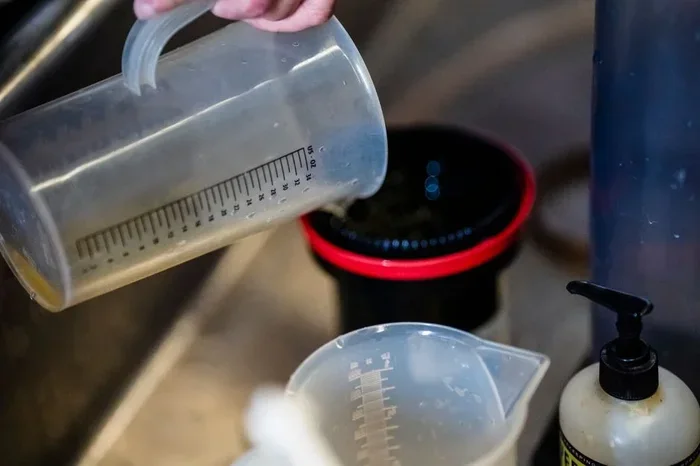
The answer to how many ounces in a gallon is 128 fluid ounces for a standard US gallon. This simple conversion is essential for cooking, baking, hydration tracking, and everyday kitchen tasks. Once you know this number, all other liquid measurement conversions become easy to calculate.
Have you ever stood in front of a recipe or a water bottle and wondered exactly how much liquid a gallon really holds? You are not alone. Many people run into confusion when they try to convert between gallons and ounces. The good news is that once you understand the basics, the math becomes simple and second nature.
Knowing how many ounces in a gallon helps in so many parts of daily life. You need it for cooking, for mixing drinks, for tracking hydration, and even for understanding product labels at the store. This guide walks you through everything you need to know in a clear and easy way.
Key Takeaways
- A US gallon equals 128 fluid ounces: This is the most important number to remember for any liquid measurement task.
- The imperial gallon is larger: It contains 160 fluid ounces, so always check which system a recipe uses.
- Breaking it down helps: A gallon equals 4 quarts, 8 pints, or 16 cups, making fractions easy to calculate.
- It matters for cooking and health: Precise liquid measurement improves recipes and helps track daily water intake.
- Common mistakes are easy to avoid: Do not confuse fluid ounces with weight ounces, and always check for US vs imperial labels.
📑 Table of Contents
What Is a Gallon?
Before we get into the numbers, it helps to understand that not all gallons are the same. The United States uses the US gallon, while the United Kingdom and some other countries use the imperial gallon. The US gallon is smaller than the imperial gallon, and this difference changes the total number of fluid ounces you end up with.
The US Gallon vs Imperial Gallon
A US gallon equals about 3.785 liters. An imperial gallon equals about 4.546 liters. That is a big difference if you are converting recipes or following instructions from another country. Always check which system a recipe uses before you start measuring.
For most people reading this, the US gallon is the one you will encounter most often. American grocery stores, cookbooks, and nutrition labels all use the US system. But if you ever follow a British recipe or buy imported products, the imperial gallon may show up instead.
How Big Is a Gallon Really?
To picture a gallon, think about a large milk jug. Most half-gallon milk cartons you find in the grocery store hold exactly two quarts. A full gallon is simply two of those cartons put together. It is also equal to four quarts, eight pints, or sixteen cups.
When you start breaking it down into smaller units, the numbers get interesting. This is where the ounce part comes in. A single cup holds eight fluid ounces. So a gallon, which is sixteen cups, holds 128 fluid ounces in the US system.
How Many Ounces in a Gallon?
The Simple Math Behind the Answer
The short answer is that there are 128 fluid ounces in one US gallon. Here is how we get there:
- One gallon equals four quarts.
- One quart equals two pints.
- One pint equals two cups.
- One cup equals eight fluid ounces.
So if you multiply four quarts times two pints times two cups times eight ounces, you get 128. That is the number you want to remember. It is the most common gallon conversion you will encounter in the kitchen and at home.
This same logic applies whether you are measuring water, milk, broth, or any other liquid. The liquid measurement stays consistent across all types of fluids in the US system. Once you know the gallon equals 128 ounces, you can convert any fraction of a gallon with confidence.
Why the Number Might Surprise You
Many people expect the number to be rounder or smaller. After all, a gallon is a large container, and 128 ounces sounds like a lot. But when you think about it, a gallon is genuinely a big volume of liquid. To put it in perspective, 128 fluid ounces equals sixteen standard eight-ounce glasses of water.
If you are trying to drink a gallon of water a day for daily water intake, you need to finish sixteen glasses. That might sound like a lot, but many health experts recommend it for proper hydration. The ounces to gallons relationship helps you plan your intake throughout the day. Keep a 16-ounce bottle with you, and you know you need to finish eight of them to hit your goal.
Ounces in a Half Gallon and Other Common Fractions
Quick Reference for Common Measurements
Not every situation calls for a full gallon. Often, you are working with fractions of a gallon. Here is a simple breakdown of common fractions and their ounce equivalents:
- Half gallon: 64 fluid ounces
- Quarter gallon: 32 fluid ounces
- One pint: 16 fluid ounces
- One quart: 32 fluid ounces
- One cup: 8 fluid ounces
These numbers are easy to memorize once you see the pattern. Each step down divides by two. A half gallon is 64 ounces, a quarter gallon is 32 ounces, and so on. This pattern makes measurement conversion quick and painless. You do not need a calculator every time you are in the kitchen.
Using These Numbers in Real Life
Imagine you are making a large batch of soup or a pitcher of lemonade. If the recipe calls for a half gallon of water, you now know you need exactly 64 fluid ounces. No guesswork required.
This kind of knowledge is especially helpful when you are cooking measurements for a crowd. Whether you are feeding a family or hosting a party, having these fractions memorized saves time and reduces mistakes. You can also apply this when you are boiling in Instant Pot and need to measure exact amounts of liquid for pressure cooking. The precision makes a real difference in your results.
Another great example is when you are measuring coffee in a coffee maker for a large gathering. Understanding how many ounces are in a gallon helps you scale your brew up or down without wasting ingredients.
Why Ounces in a Gallon Matter in Everyday Life
Cooking and Baking Applications
Cooking and baking demand precision. A recipe that calls for a specific volume of liquid will not turn out well if you eyeball the amount. Understanding liquid measurement ensures your dishes come out right every time.
For example, if a bread recipe calls for a gallon of water and you only have a measuring cup marked in ounces, you need to know that 128 ounces equals one gallon. Without this knowledge, you might add too little or too much water, which can ruin the texture of your dough. The same principle applies when you are reheating rice in a rice cooker and need to add the right amount of water for perfect results.
Health and Daily Water Intake
Tracking your daily water intake becomes much easier when you know the gallon-to-ounce relationship. Many fitness experts recommend drinking a gallon of water per day for active adults. That means you need to drink 128 ounces spread across your waking hours.
If you use a standard 16-ounce water bottle, you need to refill it eight times to hit a full gallon. If your bottle holds 32 ounces, you only need four refills. This simple knowledge helps you stay on track with your hydration goals. It also makes it easier to compare bottled water sizes at the store and choose the best value.
Shopping and Product Labels
Next time you are at the grocery store, take a look at the labels on large beverage containers. Many juice bottles and milk cartons are labeled in gallons or half-gallons. Knowing that a half gallon equals 64 ounces helps you compare prices and serving sizes quickly.
You can also use this knowledge when you are reheating crab legs in the oven and need to measure out the right amount of water or broth for the steaming tray. Understanding volumes saves you from overfilling or underfilling your cooking vessels.
Everyday Examples That Make It Easy to Understand
Common Containers and Their Ounce Capacity
One of the best ways to understand 128 ounces is to compare it to things you already have at home. Here are some everyday items and their approximate fluid ounce capacity:
- A standard water bottle: 16 to 20 ounces
- A soda can: 12 ounces
- A coffee mug: 8 to 12 ounces
- A large measuring cup: 8 ounces
- A quart-sized milk carton: 32 ounces
If you line up eight standard 16-ounce water bottles, you have exactly one gallon. Visualizing it this way makes the number feel more real and easier to remember. Try it next time you are at the store or pouring drinks for a party.
Practical Tips for Remembering the Conversion
Memory tricks can make a big difference. Here are some tips to help you remember that a gallon equals 128 fluid ounces:
- Think of the phrase “a gallon is a gallon of ounces” and remember that 128 is simply 16 cups times 8 ounces.
- Associate the number with a familiar container. A standard gallon of milk at the store holds 128 ounces.
- Use the half-gallon trick. If you know a half gallon is 64 ounces, just double it to get 128.
- Relate it to your water bottle. Count how many refills it takes to fill a gallon jug.
These little tricks make the liquid measurement stick in your memory without any rote memorization. The more you use the conversion in real life, the faster it becomes automatic.
Common Mistakes When Converting Ounces and Gallons
Confusing Fluid Ounces with Weight Ounces
One of the biggest mistakes people make is confusing fluid ounces with weight ounces. A fluid ounce measures volume, while a weight ounce measures mass. They are not the same thing.
For example, a fluid ounce of honey weighs more than a fluid ounce of water because honey is denser. When a recipe calls for ounces of a liquid, it almost always means fluid ounces. Always check the context to be sure. This is a simple distinction that prevents a lot of kitchen errors.
Mixing Up US and Imperial Measurements
If you follow a British recipe or use a product from the UK, the gallon will be larger. An imperial gallon contains 160 fluid ounces, not 128. That is a 25 percent difference, which can completely throw off a recipe if you do not catch it.
Always check the origin of the recipe or the product label. When in doubt, look for the word “US” or “imperial” next to the gallon measurement. This simple step can save you from a ruined dish or a miscalculated batch.
Forgetting to Adjust for Temperature
Another mistake people overlook is the effect of temperature on liquid volume. Liquids expand when heated and contract when cooled. While this difference is small for everyday cooking, it can matter in precision baking or scientific applications.
For most home cooks, this is not a major concern. But if you are measuring very precise amounts for cooking conversions, it helps to measure liquids at room temperature whenever possible. This small step adds accuracy to your results.
Quick Conversion Chart
Here is a handy reference you can print out or save to your phone for quick lookups:
- 1 gallon = 128 fluid ounces
- 1 half gallon = 64 fluid ounces
- 1 quarter gallon = 32 fluid ounces
- 1 quart = 32 fluid ounces
- 1 pint = 16 fluid ounces
- 1 cup = 8 fluid ounces
- 1 tablespoon = 0.5 fluid ounces
- 1 teaspoon = 0.17 fluid ounces
Keep this chart somewhere accessible in your kitchen. It will save you time and prevent measurement errors every time you cook or bake. You can also use it when you need to convert gallon to liter measurements for international recipes.
Final Thoughts
Understanding how many ounces in a gallon is one of those small pieces of knowledge that makes a big difference in the kitchen and beyond. From cooking and baking to tracking your hydration, this conversion comes up more often than you might think.
The key takeaway is simple: one US gallon equals 128 fluid ounces. Once you know that, you can break it down into halves, quarters, and cups with ease. Use the tips and examples in this guide to make the conversion second nature.
The next time you are in the kitchen, try applying what you have learned. Measure out a gallon of water and pour it into cups to see the number in action. You will be surprised how quickly the conversion becomes automatic. With this knowledge in your pocket, you are better equipped to handle any recipe, hydration goal, or shopping decision that comes your way.
Frequently Asked Questions
How Many Ounces Are in a Gallon of Water?
There are 128 fluid ounces in a gallon of water. This is the standard US measurement, and it applies to all liquids, not just water. If you are tracking your daily hydration, drinking 128 ounces of water equals one full gallon.
Is a Gallon the Same in the UK and the US?
No, a gallon is not the same in both countries. The US gallon is 128 fluid ounces, while the imperial gallon used in the UK is 160 fluid ounces. Always check which system a recipe or product uses to avoid mistakes.
How Many 16-Ounce Bottles Make a Gallon?
You need eight 16-ounce bottles to make one gallon. This is a quick and easy way to visualize the conversion. Simply multiply 16 times 8, and you get 128 fluid ounces, which equals one US gallon.
Can You Use a Kitchen Scale to Measure a Gallon?
A kitchen scale measures weight, not volume. While you can weigh water and know that 128 fluid ounces of water weighs about 8.34 pounds, a scale is not the best tool for measuring liquid volume. Use a liquid measuring cup or a gallon-sized container instead.
How Does Knowing Ounces in a Gallon Help with Cooking?
Knowing the conversion helps you scale recipes up or down accurately. If a recipe calls for a gallon of stock and you are cooking for fewer people, you can easily measure out half a gallon (64 ounces) or a quarter gallon (32 ounces). This precision leads to better results in the kitchen every time.
What Is the Difference Between Fluid Ounces and Regular Ounces?
Fluid ounces measure volume, while regular ounces measure weight. A fluid ounce of oil takes up a different amount of space than a fluid ounce of syrup because they have different densities. Always check whether a recipe calls for volume or weight measurements before you start.
=== INTERNAL LINKS ===