
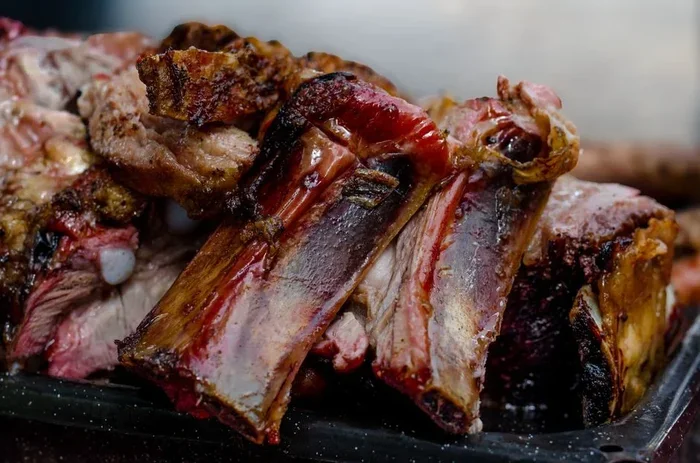
Our rib roast cooking time chart gives you clear, reliable times and temperatures for bone-in and boneless roasts. Whether you prefer a slow oven roast or a quick sear-and-bake method, this guide covers everything you need for juicy, tender results. You will learn how to pick the right roast size, set the perfect temperature, and know exactly when your meat is done.
A rib roast is one of the most impressive cuts of beef you can serve for a special meal. It is rich, flavorful, and when cooked right, incredibly tender. But getting the timing right can feel tricky, especially if you are new to roasting beef.
That is exactly why we created this rib roast cooking time chart. Whether you are planning a holiday dinner or a weekend family meal, knowing your cook times ahead of time takes the guesswork out of the process. You will walk away with a roast that is juicy, flavorful, and cooked to perfection every single time.
Let us break down everything you need to know.
Key Takeaways
- Bone-in rib roasts take longer: Expect about 15-20 minutes per pound at 325°F for a juicy outcome.
- Boneless roasts cook faster: They typically need 12-15 minutes per pound at the same temperature.
- Use a meat thermometer: Internal temperature is the most reliable way to know your roast is done.
- Rest your roast: Letting it sit for 15-20 minutes keeps the juices locked in.
- Sear first for better flavor: A quick sear on all sides creates a beautiful crust and locks in moisture.
- Adjust for your oven: Every oven is different, so always check early and use the chart as a guide.
📑 Table of Contents
Why a Rib Roast Cooking Time Chart Matters
Cooking a rib roast without a plan is like driving without a map. You might get there, but you could end up with something overcooked or underdone. A cooking time chart gives you a clear starting point based on the size of your roast.
Rib roasts come in different weights, shapes, and styles. A bone-in roast behaves differently than a boneless one. Your oven type, the starting temperature of the meat, and even the rack position all play a role. A chart helps you account for these variables so you can plan your meal with confidence.
The biggest benefit is consistency. Once you learn how your oven handles a rib roast, you can use the chart every time. You will know exactly when to pull the meat out and how long to let it rest before serving.
Bone-In vs. Boneless Rib Roast Cooking Times
The biggest decision you will make is whether to buy a bone-in or boneless rib roast. Both are delicious, but they cook differently.
A bone-in rib roast has the rib bones still attached. The bone acts as insulation, which means the meat around it cooks a bit slower. This is actually a good thing because it helps retain moisture. Bone-in roasts usually need about 15 to 20 minutes per pound at 325°F.
A boneless rib roast cooks more evenly because there is no bone slowing things down. You can expect it to take about 12 to 15 minutes per pound at the same temperature. Boneless roasts are also easier to slice and serve.
If you are unsure which to pick, a bone-in roast is great for presentation. It looks stunning on the table. A boneless roast is easier to handle and gives you more uniform slices.
Rib Roast Cooking Time Chart
Here is the chart you have been waiting for. Use this as your go-to guide for roasting a rib roast at 325°F.
- 2-3 pounds (bone-in): Cook for 30-45 minutes. Target internal temp of 130°F for medium-rare.
- 3-5 pounds (bone-in): Cook for 45-75 minutes. Target internal temp of 130°F for medium-rare.
- 5-7 pounds (bone-in): Cook for 75-105 minutes. Target internal temp of 130°F for medium-rare.
- 2-3 pounds (boneless): Cook for 24-45 minutes. Target internal temp of 130°F for medium-rare.
- 3-5 pounds (boneless): Cook for 36-60 minutes. Target internal temp of 130°F for medium-rare.
- 5-7 pounds (boneless): Cook for 60-90 minutes. Target internal temp of 130°F for medium-rare.
These times are for a roast that starts at room temperature. Always take your meat out of the fridge about 1-2 hours before cooking. This helps it cook more evenly from edge to center.
Remember, these are guidelines. Your oven may run hot or cool. A reliable meat thermometer is your best friend here. Check the internal temperature in the thickest part of the roast, avoiding the bone if you have one.
How to Cook the Perfect Rib Roast
Now that you know your times, let us talk about the actual cooking process. A few simple steps can make the difference between a good roast and a great one.
Step 1: Prep the Roast
Start by removing your roast from the refrigerator about an hour before cooking. Pat it dry with paper towels. This helps create a better sear later on.
Season the roast generously with salt and pepper. You can also add garlic powder, rosemary, or thyme for extra flavor. Some cooks like to make small cuts in the surface and insert garlic cloves or herb butter. This is a great way to boost the flavor deep into the meat.
Step 2: Sear the Roast
Searing is an important step that many people skip. A hot sear on all sides of the roast creates a flavorful crust that locks in juices. Use a heavy skillet or a Dutch oven from your Best Big Pots For Cooking Non Stick collection. A non-stick surface makes searing easier and cleanup a breeze.
Heat a small amount of oil in the pan until it is shimmering. Place the roast in and let it sear for about 2-3 minutes per side. You want a deep golden-brown color on all surfaces.
Step 3: Roast in the Oven
After searing, transfer the roast to a rack in a roasting pan. Place it in a preheated oven at 325°F. Insert a meat thermometer into the thickest part of the roast.
Follow the cooking times from the chart above. Check the temperature early so you do not overshoot your target. For medium-rare, aim for 130°F. For medium, pull it at 135°F. The temperature will rise about 5 degrees while the roast rests.
Step 4: Rest the Roast
This is the step people rush through the most. Do not skip it. Once the roast reaches your target temperature, take it out of the oven and let it rest for 15 to 20 minutes.
During resting, the juices redistribute throughout the meat. If you cut too early, those juices will run out onto the cutting board instead of staying in the roast. Cover the roast loosely with aluminum foil while it rests.
After resting, slice against the grain and serve. Your roast should be juicy, tender, and full of flavor.
Common Mistakes to Avoid
Even experienced cooks can make mistakes with rib roast. Here are the most common ones and how to avoid them.
- Skipping the sear: Searing adds a layer of flavor that you cannot get any other way. Do not skip this step.
- Not using a meat thermometer: Visual cues are not reliable. A thermometer takes the guesswork out completely.
- Cooking from cold: A cold roast cooks unevenly. Always bring it to room temperature first.
- Cutting too early: Resting is just as important as cooking. Give your roast the time it needs.
- Over-seasoning: Salt is great, but too much can overpower the natural flavor of the beef. Keep it simple.
- Opening the oven too often: Every time you open the door, heat escapes. Check the temperature, but try not to peek too frequently.
If you want to explore other beef roast methods, check out our 24 Crockpot Beef Roast Recipes That Are Juicy Tender for slow cooker alternatives that work beautifully on busy days.
Equipment You Need for the Perfect Roast
You do not need a lot of fancy equipment to roast a great rib roast. But a few key tools make the process much easier and more reliable.
- A roasting pan with a rack: This lifts the roast off the bottom and allows hot air to circulate evenly.
- A meat thermometer: This is non-negotiable. Instant-read thermometers are fast and accurate.
- A heavy skillet for searing: Cast iron or a quality non-stick pan works best. If you are looking for reliable cookware, consider options from our guide on Best Pots And Pans For Induction Cooking, which also works great for roasting on the stovetop.
- Aluminum foil: For tenting the roast while it rests.
- A sharp carving knife: Clean slices make a big difference in presentation and texture.
You do not need to spend a fortune on equipment. A basic roasting pan and a good thermometer will serve you well for years. The key is using them correctly.
Temperature Guide for Different Doneness Levels
Everyone has a different preference for how done they like their roast. Here is a quick temperature guide so you can cook yours exactly the way you like it.
- Rare: 120°F internal temperature. Very red and cool in the center.
- Medium-Rare: 130°F internal temperature. Warm red center. This is the most popular choice for rib roast.
- Medium: 135°F internal temperature. Pink center with a firm texture.
- Medium-Well: 145°F internal temperature. Slight pink, mostly gray throughout.
- Well-Done: 155°F+ internal temperature. No pink at all. Not recommended for rib roast as it can dry out.
For the best flavor and juiciness, most experts recommend medium-rare. The fat has time to render properly, and the meat stays moist and tender. If you are feeding a crowd, medium is a safe bet that most people will enjoy.
Keep in mind that the temperature will rise during resting. So if you want medium-rare, pull the roast at 130°F and it will reach 135°F after resting.
Tips for Leftover Roast Beef
A rib roast often gives you more than you can eat in one sitting. That is actually a good thing because leftover roast beef makes incredible meals the next day.
- Beef sandwiches: Slice the leftovers thin and pile them on crusty bread with horseradish sauce.
- Beef stir-fry: Slice and toss with vegetables and soy sauce for a quick weeknight meal.
- Beef soup: Use the leftovers as the base for a hearty beef and vegetable soup.
- Beef tacos: Warm the slices up and serve in tortillas with your favorite toppings.
Store leftover roast in the refrigerator within two hours of cooking. It will keep for up to 4 days. Reheat gently to keep the meat from drying out.
Final Thoughts
Cooking a rib roast does not have to be intimidating. With the right cooking time chart, a little preparation, and a reliable thermometer, you can serve a restaurant-quality roast right from your own kitchen. The key is to take your time, follow the guide, and resist the urge to rush the process.
Remember to bring your roast to room temperature before cooking, sear it for flavor, roast it at 325°F using the times from our chart, and let it rest before slicing. These simple steps will give you juicy, tender results that your family and guests will love.
Now that you have all the tools and knowledge you need, it is time to put them to use. Pick up a beautiful rib roast this weekend and show off your roasting skills. You will be surprised at how easy it is to achieve restaurant-quality results at home.
Frequently Asked Questions
How long does it take to cook a rib roast at 325°F?
It depends on the size. A bone-in roast takes about 15-20 minutes per pound, while a boneless roast takes 12-15 minutes per pound. Always use a meat thermometer to check for doneness. Pull the roast at 130°F for medium-rare and let it rest for 15-20 minutes.
Should I cover my rib roast with foil while cooking?
No, do not cover the roast while it is in the oven. Leaving it uncovered allows the heat to circulate evenly and helps create a nice crust on the outside. You can tent it with foil only during the resting phase after cooking.
What is the best internal temperature for a rib roast?
130°F for medium-rare is the most recommended temperature for rib roast. It gives you a juicy, tender result with a beautiful pink center. If you prefer more done, you can go up to 135°F for medium or 145°F for medium-well.
Can I cook a rib roast in a slow cooker instead?
Yes, you can! Slow cooker rib roasts are a great option for busy days. They take longer but require very little hands-on time. For slow cooker recipes and tips, you can explore our collection of beef roast recipes for more ideas.
How do I know if my rib roast is done without a thermometer?
Using a thermometer is the most reliable method. However, you can also use the touch test. Press the center of the roast with your finger. If it feels soft and squishy, it is rare. If it feels firm but gives slightly, it is medium-rare. This method takes practice and is not as accurate.
Can I freeze leftover rib roast?
Yes, you can freeze leftover rib roast. Wrap it tightly in plastic wrap and then in aluminum foil or a freezer bag. It will keep for up to 3 months in the freezer. Thaw it in the refrigerator overnight before reheating for the best results.



