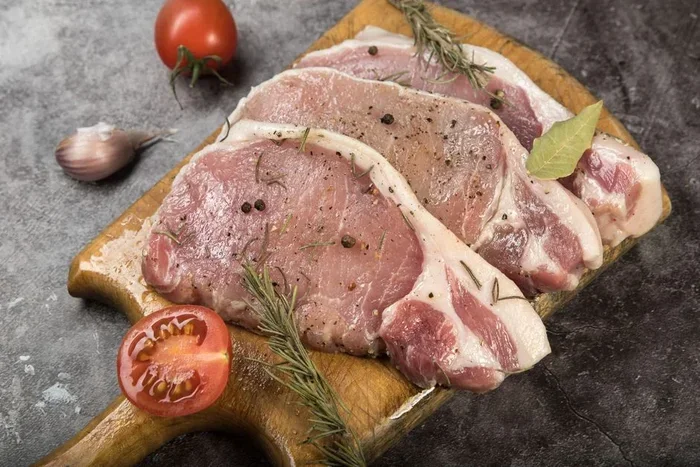
This tender and juicy pork loin roast recipe delivers a perfectly cooked centerpiece every single time. You will learn the best seasoning blends, precise oven temperatures, and resting tricks that keep the meat moist. Whether you are a beginner or a seasoned cook, this guide covers everything you need for a stunning pork loin roast.
There is nothing quite like a tender and juicy pork loin roast recipe coming out of the oven and filling your kitchen with the most amazing aroma. A perfectly cooked pork loin roast is the kind of meal that brings everyone to the table. It is juicy on the inside, slightly crispy on the outside, and incredibly easy to make.
Many people think cooking a pork loin roast is hard. They worry about drying it out or getting the timing wrong. But the truth is, with the right technique, a juicy pork roast is one of the easiest dinners you can make. This guide walks you through every step in simple, clear detail.
In this article, you will find the full recipe, cooking times, seasoning ideas, and tips that turn an ordinary pork loin into something extraordinary. We also share common mistakes to avoid and answers to the questions most cooks have. By the end, you will feel confident enough to make this tender pork recipe your go-to dinner option.
Key Takeaways
- Perfect Temperature: Cooking pork loin to 145°F ensures it stays tender and juicy every time.
- Simple Seasoning: A few quality ingredients like garlic, rosemary, and olive oil create incredible flavor.
- Resting Is Key: Letting the roast rest for 10 minutes locks in the juices and improves texture.
- Brining Helps: A quick brine adds moisture and seasoning deep into the meat fibers.
- Versatile Recipe: This method works for weeknight dinners and holiday feasts alike.
- Easy to Customize: Swap herbs and spices to match your family’s taste preferences.
📑 Table of Contents
- Why This Pork Loin Roast Recipe Works
- Ingredients You Will Need
- Step-by-Step Cooking Instructions
- Pro Tips for the Perfect Pork Loin Roast
- Common Mistakes That Dry Out Pork Loin
- Serving Suggestions and Side Dishes
- How to Store and Reheat Leftovers
- Nutrition Information
- Frequently Asked Questions
- Conclusion
Why This Pork Loin Roast Recipe Works
A great pork loin roast recipe depends on a few key factors. Temperature control, seasoning, and resting time all play a role. This recipe gets each one right, so you never have to guess.
The pork loin is a lean cut, which means it can dry out fast if you are not careful. That is why this recipe uses a simple brine step. The brine adds moisture directly into the meat before cooking. Even if you forget to brine, the cooking method in this recipe still keeps things moist.
Another reason this tender and juicy pork loin roast recipe works so well is the oven temperature. We cook it at a moderate heat, which lets the inside cook evenly without burning the outside. The result is a roast with a beautiful golden crust and a pink, juicy center.
The Role of Brining
Brining might sound fancy, but it is really just soaking the meat in a saltwater solution. The salt changes the protein structure in the pork, allowing it to hold onto more water during cooking. This is one of the best pork roast tips you can follow.
You only need 1 to 4 hours for a quick brine. If you have more time, an overnight brine works even better. Simply dissolve salt and a little sugar in water, submerge the pork loin, and refrigerate. When you are ready to cook, pat the meat dry and proceed with seasoning.
Why Internal Temperature Matters
Cooking pork to the right internal temperature is the single most important step. The USDA recommends 145°F for pork, followed by a 3-minute rest. At this temperature, the meat is safe to eat and still juicy.
Overcooking pork loin is the number one mistake home cooks make. The meat goes from perfectly juicy to dry and tough in just a few extra degrees. Using a meat thermometer takes all the guesswork out. It is a small tool that makes a huge difference in your pork loin roast results.
Ingredients You Will Need
This easy pork roast recipe uses simple ingredients you likely already have in your kitchen. The beauty of this recipe is that it does not need complicated spices or hard-to-find items.
For the Pork Loin
- 1 boneless pork loin roast (about 2 to 3 pounds)
- 2 tablespoons olive oil
- 1 teaspoon kosher salt
- 1 teaspoon black pepper
- 4 cloves garlic, minced
- 1 tablespoon fresh rosemary, chopped
- 1 tablespoon fresh thyme, chopped
For the Quick Brine (Optional but Recommended)
- 4 cups water
- 1/4 cup kosher salt
- 2 tablespoons brown sugar
- 4 cups ice cubes
These ingredients create a flavorful pork loin marinade that enhances the natural taste of the meat. You can also swap rosemary for sage or add a teaspoon of smoked paprika for a different twist. The pork roast seasoning is completely customizable based on what your family enjoys.
Step-by-Step Cooking Instructions
Follow these simple steps to make a perfect pork roast that turns out tender and juicy every time. Each step is designed to build flavor and protect the moisture in the meat.
Step 1: Prepare the Brine
If you choose to brine, start by dissolving the salt and brown sugar in warm water. Once dissolved, add the ice cubes to cool the mixture. Place the pork loin in a large zip-lock bag, pour in the brine, and seal it tightly. Refrigerate for 1 to 4 hours. When ready, remove the pork and pat it completely dry with paper towels.
Step 2: Season the Pork Loin
Preheat your oven to 400°F. In a small bowl, mix the olive oil, minced garlic, salt, pepper, rosemary, and thyme. Rub this mixture all over the pork loin, making sure to cover every side. The oil helps the seasoning stick and creates a beautiful crust during cooking.
Step 3: Sear the Roast
Heat a large oven-safe skillet over medium-high heat. Add a small drizzle of olive oil and place the seasoned pork loin in the pan. Sear each side for about 2 to 3 minutes until you see a golden-brown crust. This step locks in the juices and adds incredible flavor to the juicy pork roast.
Step 4: Roast in the Oven
Transfer the skillet directly into the preheated oven. Roast for about 20 to 25 minutes, or until a meat thermometer inserted into the thickest part reads 145°F. The exact time depends on the size of your roast, so always rely on the thermometer rather than the clock.
Step 5: Rest the Meat
This is the step most people skip, and it makes the biggest difference. Remove the pork from the oven and let it rest on a cutting board for at least 10 minutes. During this time, the juices redistribute throughout the meat. When you finally cut into it, the tender and juicy pork loin roast stays moist instead of losing all its juices on the cutting board.
Pro Tips for the Perfect Pork Loin Roast
These pork roast tips come from years of testing and refining this recipe. Follow them, and your roast will turn out better every single time.
Choose the Right Size Roast
For a family of four, a 2-pound pork loin roast is perfect. If you are cooking for a larger group, go with a 3 to 4-pound roast. Avoid buying a roast that is too thin, because it will overcook quickly. A thicker roast gives you more control over the final result.
Bring the Meat to Room Temperature
Take the pork loin out of the refrigerator 30 minutes before cooking. Letting it warm up slightly helps it cook more evenly. Cold meat going into a hot oven creates uneven cooking, with the outside overdone and the center still cold.
Use a Meat Thermometer
This cannot be stressed enough. A meat thermometer is the best investment you can make for cooking pork. Insert it into the thickest part of the roast, avoiding any bone if present. Pull the roast out when it hits 145°F and let it rest. The temperature will rise a few more degrees during the resting period.
Do Not Skip the Resting Step
Resting the roast for at least 10 minutes is non-negotiable. The juices inside the meat need time to settle. If you cut too early, all those flavorful juices run out onto the cutting board instead of staying in the meat. This single step separates a good roast from a great one.
Store Leftovers Properly
Any leftover pork keeps well in the fridge for up to 4 days. Slice it and store it in an airtight container. You can also use leftover pork in sandwiches, salads, or stir-fries the next day. If you want more leftover ideas, check out our 20 Leftover Pork Chop Recipe Ideas for creative ways to use extra pork.
Common Mistakes That Dry Out Pork Loin
Avoiding these mistakes will help you achieve a tender and juicy pork loin roast recipe result every time. Even experienced cooks sometimes fall into these traps.
Overcooking the Roast
This is the most common mistake and the biggest enemy of a juicy pork roast. Pork loin is a lean cut with very little fat to protect it from drying out. Once it passes 150°F, the moisture starts escaping quickly. Always pull the roast at 145°F and trust the resting process to bring it to the final safe temperature.
Skipping the Sear
Some people go straight from seasoning to the oven. While the roast will still cook, skipping the sear means you lose a layer of flavor and texture. The sear creates a crust that seals in moisture and adds a delicious golden-brown color to the outside of your pork loin roast.
Using Too Much Salt in the Brine
If you choose to brine, be careful with the salt amount. Too much salt can make the meat taste overly salty and change the texture. Stick to the ratio of 1 tablespoon of salt per cup of water. If you are unsure, a shorter brine time with less salt is always safer.
Not Letting the Meat Rest
We mentioned this in the tips, but it deserves its own spot in the mistakes section. Cutting into a hot pork roast immediately releases all the accumulated juices. Give it time. That 10-minute wait makes a noticeable difference in every bite.
Serving Suggestions and Side Dishes
A tender and juicy pork loin roast pairs beautifully with a wide range of sides. Here are some ideas to build a complete meal your family will love.
- Roasted Vegetables: Carrots, potatoes, and Brussels sprouts roasted in the same oven while the pork rests make an easy one-pan meal.
- Mashed Potatoes: Creamy mashed potatoes are a classic pairing that soaks up the pork juices perfectly.
- Fresh Salad: A light salad with mixed greens and a simple vinaigrette balances the richness of the roast. Try our 16 Famous La Scala Chopped Salad Copycat Recipe for a crowd-pleasing option.
- Dinner Rolls: Warm, buttery rolls are perfect for mopping up the juices on your plate.
- Steamed Green Beans: A simple side of green beans with a squeeze of lemon adds freshness to the meal.
For a complete dinner plan, you can also browse our 13 Boneless Pork Chop Recipes That Are Juicy Tender for more pork-centered meal ideas that work beautifully alongside a roast.
How to Store and Reheat Leftovers
Proper storage keeps your pork loin roast tasting just as good the next day. Here is how to handle leftovers the right way.
Let the roast cool to room temperature within two hours of cooking. Slice any leftover meat and place it in an airtight container. Refrigerate for up to 4 days. For longer storage, wrap the slices tightly in freezer-safe bags and freeze for up to 3 months.
To reheat, place the pork slices in a covered dish with a splash of chicken broth or water. Heat in the oven at 300°F for 10 to 15 minutes, or warm them in a skillet over low heat with a lid on. The added moisture prevents the leftover pork from drying out. Avoid microwaving if possible, as it tends to make the meat rubbery.
If you want to try a different cooking method next time, our 17 Slow Cooker Pork Chop Recipes for Families offers great slow-cooking techniques that can also be adapted for pork loin.
Nutrition Information
Pork loin is an excellent source of lean protein. A 3-ounce serving of cooked pork loin provides about 22 grams of protein and is relatively low in fat compared to other cuts. It is also a good source of B vitamins, especially B1 (thiamine), which supports energy metabolism and nerve function.
For those looking to add more high protein pork recipes to their weekly rotation, this roast is a fantastic option. The lean nature of pork loin makes it a smart choice for families who want a nutritious, satisfying meal without excess fat. Check out our 14 High Protein Pork Chop Recipes for Dinner for more protein-packed pork ideas.
Frequently Asked Questions
How long does it take to cook a pork loin roast?
A 2 to 3-pound pork loin roast typically takes about 20 to 25 minutes in a 400°F oven. The exact time depends on the size and starting temperature of the meat. Always use a meat thermometer to check that the internal temperature reaches 145°F. Remember to add 10 minutes of resting time after the roast comes out of the oven.
Should I cover the pork roast while cooking?
No, leave the pork roast uncovered in the oven. Cooking it uncovered allows the outside to develop a beautiful golden-brown crust while the inside cooks evenly. Covering the roast traps too much steam and prevents that desirable crispy exterior. The sear before going into the oven helps create that crust on the outside.
Can I use a bone-in pork loin roast instead?
Yes, you can use a bone-in pork loin roast. However, bone-in roasts take slightly longer to cook because the bone slows down heat transfer. You may need to add 5 to 10 extra minutes to the cooking time. Always check the temperature near the bone, as that is the last part to reach the safe 145°F internal temperature.
What is the best way to tenderize pork loin before cooking?
The best way to tenderize pork loin is through brining or marinating. A quick brine of salt and sugar in water works wonders for adding moisture. Alternatively, a marinade with olive oil, acid (like lemon juice or vinegar), and herbs can help break down the muscle fibers. For more tender pork techniques, you might enjoy our 17 Fast Fry Pork Chop Recipe for Busy Nights which also focuses on keeping pork tender and juicy.
Can I make this pork loin roast in a slow cooker?
Absolutely. You can adapt this recipe for a slow cooker by searing the pork first, then placing it in the slow cooker with the seasoning and a cup of chicken broth. Cook on low for 6 to 8 hours or on high for 3 to 4 hours. Slow cooking is a great hands-off method that produces incredibly tender pork results. For more slow-cooker inspiration, visit our 17 Slow Cooker Pork Chop Recipes for Families.
How do I know when the pork loin roast is done?
The only reliable way to know your pork loin roast is done is by checking the internal temperature with a meat thermometer. When it reads 145°F at the thickest part, it is safe to eat. The meat should still have a slight pink center, which is exactly what makes it juicy. If you do not have a thermometer, look for clear juices (not pink) when you pierce the thickest part, but a thermometer is always the best tool.
Conclusion
A tender and juicy pork loin roast recipe does not have to be complicated. With the right seasoning, proper temperature, and a little patience, you can serve a restaurant-quality roast right at home. This recipe gives you all the tools and knowledge you need to succeed.
Remember to brine or season generously, sear before roasting, cook to 145°F, and always let the meat rest. These four simple steps make all the difference between a dry, disappointing roast and a juicy pork roast that everyone will rave about.
Whether you are planning a Sunday family dinner or a special holiday meal, this pork loin roast fits the bill. It is forgiving, customizable, and absolutely delicious. Try it once, and it will become a staple in your recipe rotation. Your family and guests will thank you for it.