Knowing how to convert oz to cups is one of the most useful skills in any kitchen. Whether you are scaling a recipe, meal prepping, or just baking for fun, this oz to cups conversion guide gives you everything you need. We break down liquid and dry measurements, share handy tips, and help you nail every recipe with confidence.
Key Takeaways
- 1 fluid ounce equals 0.125 cups: This is the standard conversion for liquid measurements in the US customary system.
- Dry ounces and fluid ounces are not the same: Weight and volume differ, so always check which type your recipe uses.
- Use a kitchen scale for accuracy: Measuring by weight gives you more consistent results than measuring by volume alone.
- Keep a conversion chart handy: A quick reference saves you time and prevents costly baking mistakes.
- Temperature and ingredient density matter: Honey, flour, and sugar all pack differently, affecting your oz to cups ratio.
- Always use standard measuring cups: Coffee mugs and random glasses throw off your kitchen measurements.
📑 Table of Contents
- Why Every Home Cook Needs to Know Oz to Cups
- What Does “Oz to Cups” Actually Mean?
- The Basic Oz to Cups Conversion Formula
- How to Convert Fluid Ounces to Cups for Common Liquids
- Converting Dry Ounces to Cups: It Is a Whole Different Game
- Quick Tips for Accurate Oz to Cups Conversions
- Common Mistakes When Converting Oz to Cups
- Oz to Cups Comparison: US vs. UK Measurements
- Putting It All Together: Real-World Examples
- Key Takeaways
- Conclusion
Why Every Home Cook Needs to Know Oz to Cups
You are standing in your kitchen, staring at a recipe that calls for 8 oz of chicken broth. You have a measuring cup in your hand, but the recipe says ounces. What do you do? This is where understanding oz to cups conversion saves the day.
Cooking and baking are basically applied math. The better you get at kitchen math, the better your results. When you know how to convert between units, you can follow any recipe, scale it up or down, and avoid those sad, dense cakes that come from measuring errors. This guide walks you through everything step by step.
We will cover the basic formula, the difference between liquid and dry ounces, and give you practical examples you can use right now. By the end, you will never second-guess a measurement again.
What Does “Oz to Cups” Actually Mean?
The term “oz” stands for ounces, a unit of measurement used in the US customary system and the imperial system. A “cup” is another unit of volume commonly used in American recipes. When we talk about oz to cups, we are really talking about converting between two different ways of measuring the same thing.
But here is the tricky part. “Ounce” can mean two different things:
- Fluid ounce (fl oz): This measures volume, or how much space a liquid takes up. When a liquid recipe says “8 oz,” it usually means 8 fluid ounces.
- Weight ounce (oz): This measures mass, or how heavy something is. Dry ingredients like flour and sugar are often measured this way.
These two types of ounces are not interchangeable. A fluid ounce of water weighs differently than a weight ounce of flour. That is why you need to pay attention to what your recipe is really asking for. This is a key part of accurate kitchen measurements.
The Basic Oz to Cups Conversion Formula
The standard conversion for fluid ounces to cups is simple and easy to remember:
1 cup = 8 fluid ounces
So to convert any number of fluid ounces to cups, you just divide by 8. To go the other way, you multiply by 8. That is it. This conversion formula works for most liquids in US recipes.
Fluid Ounces to Cups Chart
Here is a quick reference for common conversions. Bookmark this or save it on your phone for easy access while cooking.
- 1 fl oz = 0.125 cups
- 2 fl oz = 0.25 cups
- 4 fl oz = 0.5 cups
- 8 fl oz = 1 cup
- 12 fl oz = 1.5 cups
- 16 fl oz = 2 cups
- 24 fl oz = 3 cups
- 32 fl oz = 4 cups
See how clean and simple that is? Once you know the base ratio, you can figure out any liquid measurement in seconds. This is the kind of cooking tips that separates a confident cook from someone who is still Googling conversions mid-recipe.
Quick Example
Your smoothie recipe calls for 12 fl oz of orange juice. Divide 12 by 8, and you get 1.5 cups. Grab your measuring cup, fill it to the 1.5-cup line, and you are done. No stress, no guessing.
How to Convert Fluid Ounces to Cups for Common Liquids
Converting fluid ounces to cups works the same way for every liquid. Water, milk, broth, oil, and juice all follow the 8-to-1 ratio. One fluid ounce always equals 0.125 cups, no matter what the liquid is. This is because we are measuring volume, not weight.
Common Liquids and Their Cup Equivalents
- Water: 8 fl oz = 1 cup. This is the base reference for most volume measurement conversions.
- Milk: 16 fl oz = 2 cups. Easy for doubling pancake batter or making big batches of soup.
- Chicken or beef broth: 32 fl oz = 4 cups. Useful for stews and gravies. If you are prepping a big pot of stew, you might also want to learn how to make beef stew meat tender on the stove for perfectly soft, flavorful results.
- Olive oil: 4 fl oz = 0.5 cups. Great for salad dressings and marinades.
- Honey or syrup: These are thick, so they pack more weight per fluid ounce. Still use volume for measuring, but expect different weight values.
When you are dealing with thick or viscous liquids like honey or syrup, the volume conversion still holds. Eight fluid ounces of honey still fills one cup. But if a recipe gives you weight in ounces instead of fluid ounces, you need a different approach. That brings us to the next section.
Converting Dry Ounces to Cups: It Is a Whole Different Game
This is where most people get tripped up. When a recipe says “4 oz of flour,” it usually means 4 weight ounces, not 4 fluid ounces. And here is the thing: dry ounces to cups depends entirely on what ingredient you are measuring.
That is because different ingredients have different densities. A cup of flour weighs much less than a cup of sugar. A cup of honey weighs far more than a cup of olive oil. So there is no single conversion chart for dry ounces to cups. You need ingredient-specific values.
Common Dry Ingredient Conversions
- All-purpose flour: 1 cup ≈ 4.25 oz (about 120 grams). So 8 oz of flour is roughly 1.9 cups.
- Granulated sugar: 1 cup ≈ 7 oz (about 200 grams). So 14 oz of sugar is about 2 cups. If you buy sugar in bulk, you may want to learn how to store sugar properly to keep it fresh and free-flowing for accurate measuring every time.
- Brown sugar (packed): 1 cup ≈ 7.5 oz (about 220 grams). Pack it firmly into the measuring cup for consistency.
- Butter: 1 cup = 8 oz (also 2 sticks). This one is easy because butter is standardized.
- Rolled oats: 1 cup ≈ 3.5 oz (about 100 grams). Lighter and fluffier than flour.
- Cocoa powder: 1 cup ≈ 3.5 oz (about 100 grams). Light and powdery, so it does not weigh much.
Notice how different these values are? This is exactly why you cannot use one blanket formula for all dry ingredients. A one-size-fits-all approach to baking conversions will give you inconsistent results. When precision matters, especially in baking, you really need to weigh your ingredients.
Why Weight Is Better Than Volume for Dry Ingredients
Professional bakers almost always use a kitchen scale instead of measuring cups. Here is why:
- Scooping flour directly from the bag packs it tightly. You can end up with 30% more flour than the recipe intended.
- Different measuring techniques level, heaping, or sifting change the volume dramatically.
- Humidity and temperature affect how ingredients settle, making volume measurements less reliable.
- Weight measurements stay consistent no matter how you scoop or pack.
That said, not everyone owns a kitchen scale, and plenty of great recipes are written entirely in cups. So the conversion chart approach works fine for most home cooking. Just be aware of the limitations.
Quick Tips for Accurate Oz to Cups Conversions
Now that you understand the basics, let us get practical. Here are some tips that will make your kitchen conversions smoother and your cooking more consistent.
1. Use the Right Measuring Tools
Do not use a coffee mug, a drinking glass, or a random jar as a substitute for a measuring cup. Standard measuring cups come in 1-cup, 1/2-cup, 1/3-cup, and 1/4-cup sizes. They are designed with precise markings. Using something else throws off your measurements and your final dish.
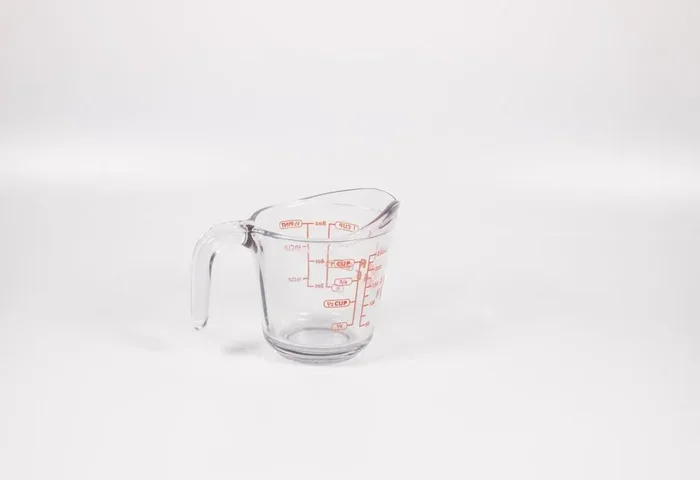
For liquids, use a clear liquid measuring cup with spout and graduated lines on the side. Place it on a flat surface and bend down to read the measurement at eye level. This small habit improves accuracy a lot.
2. Level Off Dry Ingredients
When you scoop flour or sugar into a measuring cup, use a straight edge like the back of a knife to level it off. Do not pack it unless the recipe specifically says “packed,” like with brown sugar. Leveling gives you a more repeatable measurement every single time.
3. Keep a Conversion Chart in Your Kitchen
Print one out or save one on your phone. Taping a conversion chart inside a cabinet door is a classic move for a reason. It saves you from guessing and keeps your recipe scaling on track. If you also want to keep your pantry neat so you can find ingredients quickly, check out how to organize your kitchen pantry for smart storage ideas that complement your measuring setup.
4. Know When to Divide and Multiply
Scaling a recipe up or down is just multiplication and division. If a recipe serves 4 and needs 6 fl oz of milk, and you want to serve 8, just double it to 12 fl oz, which is 1.5 cups. If you want to serve 2, halve it to 3 fl oz, which is 0.375 cups. Practice this a few times and it becomes second nature.
5. Be Mindful of Ingredient Temperature
Cold butter, warm honey, and room-temperature eggs all behave differently. Some recipes specify “softened butter” or “cold milk” for a reason. Temperature changes how ingredients pour, mix, and measure. Always follow the temperature notes in your recipe for the best results.
Common Mistakes When Converting Oz to Cups
Even experienced home cooks make these errors. Avoiding them will level up your kitchen game immediately.
Mixing Up Fluid and Weight Ounces
This is the number one mistake. If a recipe says “8 oz of cream cheese,” it means weight ounces, not fluid ounces. Cream cheese does not convert the same way water does. Always check whether the recipe is measuring by volume or by weight. When in doubt, a quick search for your specific ingredient will clarify things.
Using the Wrong Cup Size
A “cup” in the US is 240 milliliters. A “cup” in the UK metric system is 250 milliliters. A Japanese cup is 200 milliliters. These small differences add up. If you are following a recipe from another country, check which cup standard they use. This matters a lot for precise baking conversions.
Ignoring Ingredient Density
One cup of popcorn kernels is not one cup of popped popcorn. One cup of powdered sugar is not one cup of granulated sugar. Always use the specific conversion for the ingredient you have in hand. Generic conversions lead to recipes that taste off or fail entirely.
eyeballing It Instead of Measuring
Sure, experienced cooks can eyeball a cup of broth. But “eyeballing” is not measuring. When you are learning or trying a new recipe, always measure precisely. You build the skill over time, but precision now leads to consistency later. If you ever want to take your measurement accuracy even further, learning how to strain without a strainer can also help when your liquid measurements need fine adjustments during cooking.
Oz to Cups Comparison: US vs. UK Measurements
Not all cups are created equal. If you frequently cook with international recipes, understanding the differences helps. Here is a simple comparison table to keep things clear.
| Measurement | US Standard | UK Metric |
|---|---|---|
| 1 cup | 240 ml (8 fl oz) | 250 ml (approx. 8.5 fl oz) |
| 1 fluid ounce | 29.6 ml | 28.4 ml |
| 16 fl oz (1 pint) | 2 cups (473 ml) | approx. 2.1 cups (568 ml) |
As you can see, the differences are small for most everyday recipes. But for precision baking like bread or pastries, those extra milliliters can change the texture. When in doubt, check the source of the recipe and adjust accordingly. Understanding these US customary units versus metric differences makes you a much more versatile cook.
Putting It All Together: Real-World Examples
Let us practice with a few scenarios you might actually encounter in your kitchen.
Scenario 1: Doubling a Soup Recipe
The original recipe needs 10 fl oz of stock. You want to double it. Multiply 10 by 2 to get 20 fl oz. Divide 20 by 8 to get 2.5 cups. Easy.
Scenario 2: Halving a Cake Recipe
The cake needs 6 oz of flour. Halve it to 3 oz. Now check your dry conversion chart. Flour is about 4.25 oz per cup, so 3 oz of flour is roughly 0.7 cups, or a generous 2/3 cup. Level it off and you are set.
Scenario 3: Making a Salad Dressing
The dressing calls for 3 fl oz of olive oil and 1 fl oz of lemon juice. That is 0.375 cups of oil (roughly 3/8 cup) and 0.125 cups of lemon juice (2 tablespoons). Using tablespoons for small amounts is often easier. Remember, 1 tablespoon equals 0.5 fl oz, which is another handy kitchen measurement to know.
Key Takeaways
Let us wrap up the most important points so you can walk away with confidence:
- 1 cup = 8 fluid ounces is the golden rule for liquid conversions.
- Dry ingredients need ingredient-specific conversions because densities vary wildly.
- A kitchen scale gives you the best accuracy for baking and precision cooking.
- Always level dry ingredients and read liquid measurements at eye level.
- Keep a conversion chart or calculator nearby so you never have to guess.
- Watch for differences between US and UK cup sizes when using international recipes.
- Practice makes perfect. The more you convert, the more natural it becomes.
Conclusion
Mastering oz to cups conversion is a small skill with a big payoff. It helps you follow recipes accurately, scale dishes to fit any crowd, and avoid the frustration of guessing your way through a meal. Whether you are pouring broth, measuring flour, or scaling up a favorite dessert, the basics in this guide give you a solid foundation.
Remember: fluid ounces and weight ounces are different. Use the 8-to-1 ratio for liquids, check a reliable chart for dry ingredients, and invest in a kitchen scale if you bake often. Keep your measurements consistent, your tools calibrated, and your patience intact. The more you practice, the more intuitive these oz to cups conversions will feel.
Now go put this knowledge to work. Pick a recipe, run the numbers, and enjoy the satisfaction of a dish that turns out exactly right every time. Your kitchen is your lab, and these conversions are your secret weapon.
Frequently Asked Questions
How many cups is 8 oz?
8 fluid ounces equals 1 cup for liquids. For dry ingredients, 8 ounces converts differently depending on the ingredient. For example, 8 oz of flour is about 1.9 cups, while 8 oz of butter is exactly 1 cup. Always check whether your recipe uses fluid or weight ounces.
Is 1 cup the same as 8 oz for everything?
No. The 1 cup equals 8 fluid ounces rule only applies to volume measurements for liquids. Dry ingredients have different weights per cup. A cup of flour weighs about 4.25 oz, while a cup of sugar weighs about 7 oz. Always use the specific conversion for each ingredient.
How do I convert ounces to cups without a chart?
For any liquid, just divide the number of fluid ounces by 8 to get cups. For example, 16 fl oz divided by 8 equals 2 cups. For dry ingredients, you will need to know the weight-per-cup value for that specific item. Divide the weight in ounces by the ounces-per-cup value for your best estimate.
What is the difference between a US cup and a metric cup?
A US standard cup holds 240 milliliters, while a metric cup (used in the UK, Australia, and other countries) holds 250 milliliters. The difference is small, about 4%, but it can matter in precision baking. If a recipe uses metric cups, adjust slightly to get accurate results.
Can I use a kitchen scale to measure cups?
Yes, and it is actually the most accurate method. Weigh your ingredient in ounces and then divide by the specific ounces-per-cup value for that ingredient. For instance, if you need 1 cup of flour and your scale reads 4.25 oz per cup, measure out exactly 4.25 ounces on the scale.
How many ounces are in a quarter cup?
A quarter cup equals 2 fluid ounces for liquids. For dry ingredients, the weight varies. A quarter cup of flour is about 1.06 oz, while a quarter cup of granulated sugar is about 1.75 oz. Use ingredient-specific values for dry goods to get the best results.