
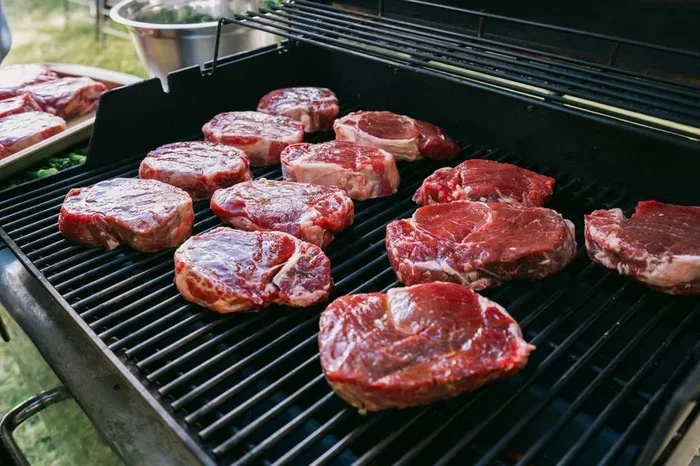
Cooking prime rib perfectly starts with knowing the right time per pound. This prime rib cooking time per pound chart gives you clear, reliable timing for every roast size. Whether you prefer rare, medium, or well-done, we break down the exact prime rib temperature and cooking time you need for a show-stopping beef rib roast.
There is nothing quite like a perfectly cooked prime rib roast sitting on the holiday table. The aroma fills the kitchen. The juices run rich and red. And every guest keeps coming back for more. But here is the thing most people get wrong. They guess at the timing. They rely on luck instead of a solid prime rib cooking time per pound chart. That guesswork leads to dry meat, wasted money, and a lot of frustration.
Whether you are a first-time roast maker or a seasoned home chef, this guide changes everything. We have put together everything you need to know about cooking prime rib by the pound. From choosing the right size to hitting the exact prime rib internal temperature, we cover it all. You will find a clear chart, step-by-step instructions, and tips that make the process simple and fun. Let us get into it.
Key Takeaways
- Weight Matters Most: Your prime rib cooking time per pound chart changes based on the roast size and bone-in vs boneless cuts.
- Internal Temperature Is King: Always use a meat thermometer to hit the perfect prime rib doneness every single time.
- Resting Is Non-Negotiable: Letting the roast rest for 20-30 minutes redistributes juices and keeps the meat tender.
- Oven Temp Matters: A low-and-slow approach or a high-heat sear each produce different results worth understanding.
- Bone-In vs Boneless: Bone-in roasts take slightly longer but deliver more flavor and a stunning presentation.
- Plan for 1/2 Pound Per Person: A standard serving size helps you buy the right amount for your gathering.
- Use the Chart, Trust the Process: Following a reliable prime rib per pound guide removes all the guesswork.
📑 Table of Contents
- Understanding Prime Rib Cooking Time Per Pound
- The Prime Rib Cooking Time Per Pound Chart
- Prime Rib Temperature Guide for Every Doneness
- Step-by-Step Prime Rib Roasting Process
- Common Mistakes to Avoid When Cooking Prime Rib
- Pro Tips for the Perfect Prime Rib Every Time
- How to Choose the Best Prime Rib at the Store
- Frequently Asked Questions
- Final Thoughts
Understanding Prime Rib Cooking Time Per Pound
A prime rib cooking time per pound chart is your best friend in the kitchen. It takes all the guesswork out of roasting a bone-in prime rib or a boneless beef rib roast. Instead of staring at the oven wondering what to do, you follow the numbers. Simple as that.
The chart works because roast cooking follows a predictable pattern. A larger roast takes more total time, but the time per pound stays fairly consistent. This means you can plan ahead with confidence. You know exactly when to put the roast in and when to pull it out.
Why Timing Per Pound Matters
Every prime rib roast is different. The weight changes. The shape changes. And the bone-in prime rib vs boneless debate adds another layer of complexity. A bone-in roast has more mass around the bone, which slows heat transfer. A boneless roast cooks faster because the heat reaches the meat more evenly.
Here is why the per-pound approach works so well. It gives you a baseline. You adjust slightly based on your oven, your roast shape, and your desired doneness. But the chart gives you a starting point that is far better than guessing. Think of it as your roadmap to the perfect slow roast prime rib.
Bone-In vs Boneless: What You Need to Know
Bone-in prime rib is the classic choice. It looks impressive on the table. And many people believe the bone adds more flavor. That is not entirely a myth. The bone does insulate the meat, which means it cooks a bit more slowly. A bone-in prime rib also holds heat longer during resting.
Boneless prime rib, on the other hand, is easier to carve and often cooks faster. If you are short on time or want simpler slicing, a boneless roast might be your pick. Either way, you can use the same prime rib cooking time per pound chart with minor adjustments. Just add about 10 to 15 minutes per pound for bone-in cuts.
| Cut Type | Time Per Pound | Best For |
|---|---|---|
| Bone-In Prime Rib | 15-20 minutes | Special occasions, presentation |
| Boneless Prime Rib | 12-16 minutes | Easier carving, faster cooking |
The Prime Rib Cooking Time Per Pound Chart
Here is the chart you have been waiting for. This prime rib cooking time per pound chart covers standard oven roasting at 325°F. These times are for a medium-rare finish at 135°F internal temperature. Adjust up or down based on your preference.
- 2-3 pounds: 45-60 minutes total cooking time
- 3-4 pounds: 60-80 minutes total cooking time
- 4-5 pounds: 80-100 minutes total cooking time
- 5-6 pounds: 100-120 minutes total cooking time
- 6-7 pounds: 120-140 minutes total cooking time
- 7-8 pounds: 140-160 minutes total cooking time
- 8-10 pounds: 160-200 minutes total cooking time
These numbers are your starting point. Always check the prime rib internal temperature with a reliable meat thermometer. The chart gives you the time window, but the thermometer gives you the truth. No chart replaces a good instant-read thermometer.
How to Use the Chart in Real Life
Let us say you buy a 5-pound bone-in prime rib roast. You look at the chart and see it needs about 100 to 120 minutes at 325°F. You pull the roast out when it hits 125°F. It will continue to rise 5 to 10 degrees during resting. That gives you a beautiful medium-rare at 135°F.
Now let us say you prefer medium at 145°F. You would pull the roast out a few degrees earlier, around 135°F, and let the carryover cooking do the rest. This is where knowing your oven and trusting the chart together really shines. A prime rib calculator can also help you fine-tune these numbers if you want extra precision.
Prime Rib Temperature Guide for Every Doneness
Temperature is the single most important factor in prime rib doneness. Time gets you close, but temperature gets you perfect. Every prime rib roast has a sweet spot, and hitting it is easier than you think.
The Temperature Spectrum
Different people like their roast beef cooked differently. That is perfectly fine. Here is the full temperature guide for prime rib internal temperature targets:
- Rare: 120-125°F (pull at 115°F)
- Medium Rare: 130-135°F (pull at 125°F)
- Medium: 140-145°F (pull at 135°F)
- Medium Well: 150-155°F (pull at 145°F)
- Well Done: 160°F+ (pull at 155°F)
Notice the pattern? You pull the roast a few degrees below your target. This is called carryover cooking. The residual heat continues to raise the internal temperature by 5 to 10 degrees while the roast rests. Skipping this step is one of the most common mistakes people make. And it leads to overcooked, dry meat.
Why Carryover Cooking Makes a Difference
Carryover cooking is your secret weapon. A large prime rib roast holds a tremendous amount of heat. After you pull it from the oven, the outside heat continues to push inward. This raises the core temperature steadily. A 7-pound roast might gain up to 10 degrees during resting.
This means if you want medium-rare at 135°F, you pull the roast at 125°F. If you want medium at 145°F, pull at 135°F. Get comfortable with this concept, and your roast beef timing will improve dramatically. It is one of those tips that separates good cooks from great ones.
Step-by-Step Prime Rib Roasting Process
Now that you have the chart and the temperature guide, let us walk through the actual process. Cooking a prime rib roast is simpler than most people think. You just need patience and a good plan.
Step 1: Prep the Roast the Night Before
Take your prime rib out of the refrigerator the night before cooking. Let it sit uncovered on a rack at room temperature. This dries the surface slightly, which helps create a beautiful crust. It also reduces the time the roast spends in the danger zone.
Season generously with coarse salt, black pepper, and any herbs you enjoy. Garlic cloves and rosemary work wonderfully with prime rib seasoning. Some people like a simple salt-and-pepper rub. Others prefer a paste made with garlic and mustard. Both approaches deliver fantastic results.
Step 2: Preheat and Position
Preheat your oven to 325°F for a standard roast. If you have an induction cooktop or oven, make sure it heats evenly. You can also start at a higher temperature, around 450°F, for the first 15 minutes to sear the outside. Then reduce to 325°F for the rest of the cook. This high-heat sear method adds a lovely crust.
Place the roast fat-side up in a roasting pan. If you want extra flavor, you can add beef broth or water to the bottom of the pan. This creates steam and prevents drippings from burning. Just be careful not to add too much liquid, or you will steam the roast instead of roasting it.
Step 3: Cook and Monitor
Put the roast in the oven and set a timer based on your prime rib cooking time per pound chart. Every 30 minutes, check the temperature. Do not open the oven too often, as it lets heat escape. But a quick peek every half hour keeps you informed without ruining the cook.
When the roast is 5 to 10 degrees below your target, pull it out. Remember, carryover cooking will do the rest. Transfer the roast to a cutting board and tent it loosely with foil. Let it rest for at least 20 to 30 minutes. This step is absolutely essential for juicy, tender meat.
Step 4: Rest, Carve, and Serve
Resting is where the magic happens. The juices inside the roast redistribute evenly. When you cut into it, they flow out beautifully instead of pooling on the board. A well-rested prime rib roast is tender, moist, and full of flavor.
To carve, slice against the grain with a sharp knife. Start from the thin end and work toward the thick end. Each slice should be about 1/2 inch thick for the best eating experience. If you have a bone-in roast, slice alongside the bone for clean pieces.
Common Mistakes to Avoid When Cooking Prime Rib
Even experienced cooks make mistakes with prime rib. The good news is that most of these errors are easy to avoid once you know what they are. Here are the pitfalls to watch out for.
Skipping the Thermometer
This is the number one mistake. Relying on time alone without checking temperature is a recipe for disaster. Ovens vary. Roasts vary. Your prime rib cooking time per pound chart is a guide, not a guarantee. A good instant-read meat thermometer costs under twenty dollars and takes the guesswork out completely.
Not Letting the Roast Rest
Cutting into the roast right after it comes out of the oven is tempting. But resist that urge. Without resting time, all those beautiful juices run out onto the cutting board instead of staying in the meat. Give it at least 20 minutes. Your patience will be rewarded with every bite.
Buying the Wrong Size
Plan for about 1/2 pound of bone-in prime rib per person, or 1/3 pound of boneless. Buying too small means running out. Buying too large means leftovers for days. A prime rib serving size chart can help you figure out exactly how much to purchase for your gathering.
Overcrowding the Pan
Your roast needs air circulation in the oven. If the pan is too small or the roast is crammed next to other dishes, the heat does not flow properly. Use a big pot for cooking or a large roasting pan that gives the roast plenty of room. This small detail makes a big difference in even cooking.
Pro Tips for the Perfect Prime Rib Every Time
Want to take your prime rib roast from good to unforgettable? These expert tips make all the difference.
- Dry Brine Overnight: Salt the roast the night before and leave it uncovered in the fridge. This draws out moisture, which gets reabsorbed along with the salt. The result is deeper flavor and a better crust.
- Let the Roast Come to Room Temperature: Taking the roast out 1 to 2 hours before cooking helps it roast more evenly. Cold centers lead to uneven doneness.
- Use a Rack in the Pan: Elevating the roast allows hot air to circulate underneath. This prevents the bottom from steaming and helps create an even crust all around.
- Make Gravy from the Drippings: After resting the roast, pour the pan drippings into a saucepan. Add a splash of beef broth and a bit of flour. Simmer until thickened. You will have rich, homemade gravy that pairs perfectly with the roast. For more tips on kitchen prep, check out our best big pots for cooking non-stick guide, which helps you choose the right vessel for making pan sauces and gravies with ease.
- Keep a Cooking Log: Write down the weight, time, temperature, and results of each roast you make. Over time, you will build your own personal data for perfect prime rib per pound results every single time.
How to Choose the Best Prime Rib at the Store
Buying the right roast sets you up for success before you even turn on the oven. Not all prime rib roasts are created equal. Here is what to look for at the butcher counter or meat department.
Look for Good Marbling
Marbling is the white fat running through the meat. More marbling means more flavor and more juiciness. When you are shopping for prime rib, look for a roast with fine, even streaks of fat throughout the muscle. Avoid roasts that look lean or have large chunks of external fat only.
Check the Color
A fresh beef rib roast should have a bright red color on the outside and a pinkish-red center. Avoid roasts that look brown or gray, as this indicates the meat has been sitting too long. The fat should be white or creamy, not yellow or discolored.
Ask Your Butcher for Advice
Butchers love to help. Tell them you are planning a roast and ask for their recommendation on size and cut. They can tell you whether the roast is bone-in or boneless, how thick it is, and how long it will take to cook. Many butchers will even trim and tie the roast for you if you ask nicely.
Frequently Asked Questions
How long does it take to cook a 4-pound prime rib?
A 4-pound prime rib roast takes about 60 to 80 minutes at 325°F, depending on whether it is bone-in or boneless. Use a meat thermometer to check for your desired doneness. Pull the roast a few degrees below your target temperature and let carryover cooking finish the job.
Do I cook prime rib covered or uncovered?
Cook prime rib uncovered for the entire roasting process. This allows the outside to dry out slightly and develop a beautiful crust. You can tent it loosely with foil during the resting period, but never cover it while it is in the oven. Keeping it uncovered ensures even browning and proper heat circulation.
What is the best temperature to cook prime rib?
The standard cooking temperature is 325°F for most prime rib roasts. Some cooks prefer a two-step method, starting at 450°F for 15 minutes to sear, then reducing to 325°F. Both approaches work well. The key is consistency and using a reliable instant-read thermometer to monitor the internal temperature.
How many people does a 5-pound prime rib feed?
A 5-pound bone-in prime rib roast typically feeds about 8 to 10 people, assuming 1/2 pound per serving. If you are serving boneless prime rib, plan for about 1/3 pound per person. Always consider your side dishes and how hearty your guests’ appetites are when deciding on the right size.
Can I cook prime rib in an instant pot?
Yes, you can cook prime rib in an instant pot, though the results differ from oven roasting. Pressure cooking is faster but does not produce the same crust or caramelization. If you want the rich, slow-roasted flavor of traditional prime rib, oven roasting is the preferred method. For more time-saving cooking inspiration, check out our 15 instant pot ground beef recipes for ideas on maximizing your pressure cooker.
How long should prime rib rest before cutting?
Let your prime rib roast rest for at least 20 to 30 minutes after pulling it from the oven. A larger roast, such as an 8-pounder, benefits from a full 30 minutes or even up to 40 minutes. During resting, the internal temperature stabilizes and the juices redistribute throughout the meat. This single step makes the biggest difference in tenderness and flavor.
Final Thoughts
Cooking the perfect prime rib roast is easier than you think when you have the right tools and a clear plan. A reliable prime rib cooking time per pound chart gives you the foundation you need. Combine that with accurate temperature monitoring, proper resting time, and a little patience, and you will serve a roast that rivals any steakhouse.
Remember, every prime rib roast is a chance to practice and improve. Do not stress about perfection on your first try. Use the chart, trust the process, and enjoy the journey. Your family and friends will thank you with clean plates and second helpings. Now go fire up that oven and make something amazing.



