
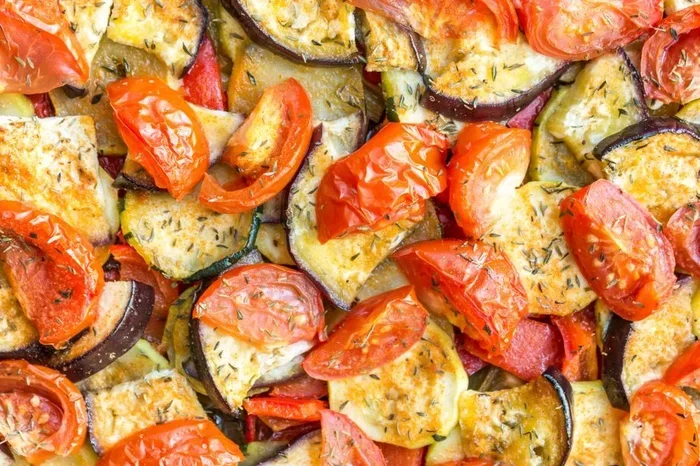
This guide walks you through making authentic ratatouille at home with fresh vegetables, olive oil, and herbes de Provence. You will learn the proper cooking method, ingredient swaps, and serving tips that bring this classic French vegetable stew to life. Whether you are a beginner or a seasoned cook, these simple steps guarantee a delicious, hearty dish every time.
There is something magical about a pot of ratatouille simmering on the stove. This humble French vegetable stew has won hearts around the world, and for good reason. It is simple, healthy, and bursting with Mediterranean flavors that feel both comforting and elegant.
Maybe you have seen the Pixar movie and fell in love with the dish on screen. Or perhaps you tasted it at a cozy French bistro and wanted to recreate it at home. Either way, you are in the right place. This guide covers everything you need to know about making authentic ratatouille at home, from picking the right ingredients to nailing the cooking technique.
You do not need fancy kitchen equipment or years of experience. Just fresh vegetables, a good bottle of olive oil, and a little patience. Let us dive in and bring this classic Provençal dish to your kitchen.
Key Takeaways
- Authentic ratatouille relies on simple, high-quality seasonal vegetables and slow cooking to develop deep flavor.
- The traditional Provençal technique involves layering or sautéing each vegetable separately for the best texture and taste.
- Fresh herbes de Provence, garlic, and good olive oil are the secret ingredients that make this dish shine.
- Ratatouille works beautifully as a side dish, a main course, or even a base for other meals like pasta or crusty bread.
- Avoid common mistakes like overcrowding the pan or undercooking the vegetables to get the best results.
- This dish fits perfectly into a Mediterranean diet and is naturally vegetarian and gluten-free.
📑 Table of Contents
- What Is Ratatouille and Why It Matters
- Gathering the Right Ingredients for Your Ratatouille
- Step-by-Step Cooking Method for Authentic Ratatouille
- Tips for Making the Perfect Ratatouille Every Time
- How to Serve and Store Your Ratatouille
- Common Mistakes to Avoid When Making Ratatouille
- Health Benefits of Eating Ratatouille
- Conclusion
What Is Ratatouille and Why It Matters
Ratatouille is a traditional French stew that comes from the Provence region in southeastern France. The word itself comes from the French term “ratouille” and “ratifia,” which means to stir up a stew. At its core, it is a rustic vegetable dish made with eggplant, zucchini, bell peppers, tomatoes, onions, and garlic.
This dish is a cornerstone of Provençal cuisine. It reflects the sunny, abundant produce of the Mediterranean coast. Farmers in southern France have been making versions of this stew for centuries. They used whatever was fresh and in season from their gardens.
Why Ratatouille Has Become So Popular Worldwide
There are many reasons why this dish has gained global fame. First, it is incredibly versatile. You can serve it as a side dish, a main course, or even a topping for pasta and bread. Second, it is naturally vegetarian and gluten-free, which makes it accessible to almost everyone. Third, it is a great way to eat more vegetables without feeling like you are eating “health food.”
The Mediterranean diet also plays a big role in its popularity. Dietitians and food lovers alike praise this way of eating for its heart-healthy benefits. Ratatouille fits right in because it relies on olive oil, fresh produce, and simple seasoning. It is proof that healthy food can taste amazing.
Gathering the Right Ingredients for Your Ratatouille
The beauty of this dish lies in its simplicity. You need a handful of fresh ingredients, and each one plays an important role. Here is what you will want to gather before you start cooking.
Core Vegetables
Traditional ratatouille calls for these vegetables:
- Eggplant (also called aubergine) adds a creamy, meaty texture.
- Zucchini (courgettes) brings a mild, tender flavor.
- Bell peppers in red, yellow, or orange add sweetness and color.
- Tomatoes form the rich, saucy base of the stew.
- Onions provide a savory foundation.
- Garlic adds depth and aroma.
Try to buy organic vegetables when possible. Fresh, seasonal produce makes a huge difference in the final taste. Visit a local farmers market if you can. The vegetables will be firmer, more flavorful, and often cheaper than what you find in a supermarket.
Essential Seasonings and Pantry Staples
No ratatouille is complete without the right seasonings. Here is what you need in your pantry:
- Olive oil — use a good-quality extra virgin olive oil for the best flavor.
- Herbes de Provence — this classic French herb blend usually includes thyme, rosemary, oregano, and lavender.
- Bay leaves — these add a subtle, earthy aroma during cooking.
- Salt and black pepper — always season to taste.
- A pinch of sugar — optional, but it helps balance the acidity of the tomatoes.
Some cooks also add a splash of white wine or a dash of red pepper flakes for extra depth. These small touches can elevate your dish from good to outstanding.
Step-by-Step Cooking Method for Authentic Ratatouille
Now comes the fun part. There are several ways to prepare this dish, but the traditional method involves cooking each vegetable separately. This might take a little more time, but the result is worth every minute. Each vegetable keeps its own texture and flavor, and they come together beautifully.
Method 1: The Traditional Layered Approach
This method is sometimes called “confit byaldi.” It was popularized by the movie Ratatouille and is inspired by chef Thomas Keller’s version. Here is how you do it:
- Slice the eggplant, zucchini, and bell peppers into thin rounds.
- Thinly slice the tomatoes and onions.
- Layer the vegetables in a baking dish, alternating colors and types.
- Pour a mixture of olive oil, garlic, and herbes de Provence over the top.
- Bake low and slow at 325°F for about 1.5 to 2 hours.
The slow baking allows the flavors to meld together. The vegetables become tender but still hold their shape. The result looks stunning and tastes even better.
Method 2: The Sauté and Simmer Technique
This is the more traditional stovetop approach. It is faster and works well on busy weeknights:
- Dice the onions and garlic, then sauté them in olive oil until soft.
- Add the eggplant and cook for about 5 minutes until it starts to brown.
- Stir in the zucchini and bell peppers. Cook for another 5 minutes.
- Add the chopped tomatoes, herbes de Provence, salt, and pepper.
- Reduce the heat and let everything simmer for 20 to 30 minutes until the vegetables are tender and the sauce has thickened.
This method produces a heartier, saucier stew. It is perfect for serving over rice, pasta, or with a slice of crusty bread.
Method 3: The Slow Cooker Approach
If you prefer hands-off cooking, a slow cooker works wonderfully. Simply chop all the vegetables, add them to the pot with olive oil and seasonings, and set it on low for 6 to 8 hours. The slow heat draws out the natural sweetness of the vegetables and creates a rich, flavorful broth.
Tips for Making the Perfect Ratatouille Every Time
Even though this is a simple dish, a few small tips can make a big difference. Here are some tried-and-true tips from experienced home cooks and French chefs.
Use the Best Olive Oil You Can Afford
Olive oil is not just a cooking fat in this dish. It is a key ingredient that contributes to the flavor. A high-quality extra virgin olive oil adds fruity, peppery notes that elevate the entire stew. Save your cheap cooking oil for other tasks and splurge on a good bottle for this recipe.
Do Not Rush the Cooking Process
Patience is the secret ingredient in ratatouille. Rushing the cook time leads to mushy vegetables and flat flavors. Let the stew simmer gently and give the vegetables time to absorb the herbs and olive oil. The low and slow approach is what transforms simple ingredients into something extraordinary.
Season in Layers
Add salt and pepper at different stages of cooking, not just at the end. This helps each vegetable absorb flavor from the inside out. Taste as you go and adjust the seasoning before serving.
Let It Rest Before Serving
Ratatouille tastes even better after it has rested for a while. The flavors continue to develop as the dish cools slightly. If you have time, make it a day ahead and reheat it gently before serving.
Experiment with Add-Ins
Once you master the basic recipe, feel free to get creative. Some cooks add capers, olives, or a splash of balsamic vinegar. Others fold in fresh basil or parsley right at the end. These small additions can add new dimensions to the classic dish.
Quick Tip: If your tomatoes are bland or out of season, use a good-quality canned San Marzano tomato. They are sweeter and less acidic, which balances the dish perfectly.
How to Serve and Store Your Ratatouille
One of the best things about this dish is how flexible it is. You can serve it many different ways depending on the occasion.
Serving Ideas
Here are some delicious ways to enjoy your ratatouille:
- As a side dish — pair it with grilled chicken, fish, or roasted lamb.
- Over pasta — toss it with penne or fusilli for a quick weeknight dinner.
- On crusty bread — spread it on a baguette for a rustic French-style meal.
- With rice or couscous — these grains soak up the flavorful sauce beautifully.
- As a topping for eggs — serve it alongside scrambled or poached eggs for a Mediterranean breakfast.
Storing and Reheating
This dish stores well in the refrigerator for up to 5 days. It also freezes beautifully for up to 3 months. Store it in an airtight container and reheat gently on the stovetop or in the microwave. The flavors actually deepen after a day or two, making it a great make-ahead meal.
Common Mistakes to Avoid When Making Ratatouille
Even experienced cooks can stumble when making this dish. Here are some common pitfalls and how to avoid them.
Overcrowding the Pan
One of the biggest mistakes is trying to cook all the vegetables at once. This steams them instead of sautéing them, which leads to a soggy, bland result. Cook each vegetable in batches. Give them space to brown and develop their natural sweetness.
Using Bland or Low-Quality Ingredients
Since ratatouille has so few ingredients, each one needs to shine. Avoid out-of-season tomatoes or wilted vegetables. The quality of your produce directly impacts the quality of the final dish.
Skipping the Resting Time
Some people serve ratatouille immediately after cooking. While it will taste good, letting it rest for at least 20 minutes allows the flavors to settle and deepen. If possible, make it ahead of time.
Forgetting the Herbs
Herbes de Provence are not optional. They are what give this dish its signature French countryside aroma. If you cannot find herbes de Provence, a mix of dried thyme, rosemary, and oregano works as a substitute.
Health Benefits of Eating Ratatouille
This dish is not just delicious. It is also incredibly good for you. Because it is made entirely from vegetables and olive oil, it is packed with nutrients and antioxidants.
The eggplant is rich in fiber and nasunin, an antioxidant that supports brain health. Tomatoes are loaded with lycopene, which is linked to reduced risk of heart disease. Zucchini provides vitamin C and potassium. And the olive oil delivers healthy monounsaturated fats that support heart health.
Overall, ratatouille is a perfect example of how a simple, plant-based meal can be both nourishing and deeply satisfying. It is a staple of the Mediterranean diet, which is consistently ranked as one of the healthiest ways of eating in the world.
Conclusion
Making authentic ratatouille at home is easier and more rewarding than you might think. This classic French vegetable stew brings together simple, wholesome ingredients and transforms them into something truly special. With the right vegetables, good olive oil, and a little patience, you can create a dish that honors the traditions of Provençal cuisine while fitting perfectly into your modern kitchen.
Whether you choose the layered baking method, the stovetop sauté, or the slow cooker approach, the result will be a warm, flavorful stew that your whole family will love. Start with the basic recipe, follow the tips in this guide, and soon you will be making ratatouille like a pro. So grab your cutting board, heat up that olive oil, and get cooking. Your kitchen is about to smell like a sun-drenched French countryside.
Frequently Asked Questions
Can I make ratatouille ahead of time?
Yes, absolutely. In fact, ratatouille tastes even better the next day as the flavors have time to develop. Store it in an airtight container in the refrigerator for up to 5 days, or freeze it for up to 3 months. Reheat gently before serving.
Is ratatouille gluten-free and vegan?
Yes, this dish is naturally both gluten-free and vegan. It contains only vegetables, olive oil, and herbs. There are no animal products or gluten-containing ingredients, making it suitable for most dietary needs.
What is the difference between ratatouille and a vegetable stew?
The main difference lies in the cooking technique and the specific vegetables used. Traditional ratatouille uses a specific set of Provençal vegetables like eggplant, zucchini, and bell peppers, and each vegetable is typically cooked separately before combining. A general vegetable stew can include almost any combination of vegetables and is often simmered together from the start.
Can I use frozen vegetables for ratatouille?
You can, but fresh vegetables will give you much better results. Frozen vegetables release more water during cooking, which can make the stew soggy. If you must use frozen, thaw them first and pat them dry to remove excess moisture.
What is the best way to reheat leftover ratatouille?
The best method is to reheat it gently on the stovetop over low heat. Stir occasionally and add a splash of water or olive oil if it looks dry. You can also reheat it in the microwave, but the stovetop method preserves the texture better.
What can I serve with ratatouille besides bread or pasta?
Ratatouille pairs beautifully with grilled fish, roasted chicken, or even as a filling for omelets and frittatas. You can also spoon it over polenta, quinoa, or couscous for a complete and satisfying meal. Some people even enjoy it as a topping for pizza.
=== CONCLUSION ===
Ratatouille is more than just a French vegetable stew. It is a celebration of fresh ingredients, simple techniques, and the joy of home cooking. With this guide, you have everything you need to create an authentic, flavorful ratatouille in your own kitchen. Start with the basics, follow the steps, and let the magic of slow cooking do its work. You will be amazed at how such a humble dish can taste so extraordinary.



