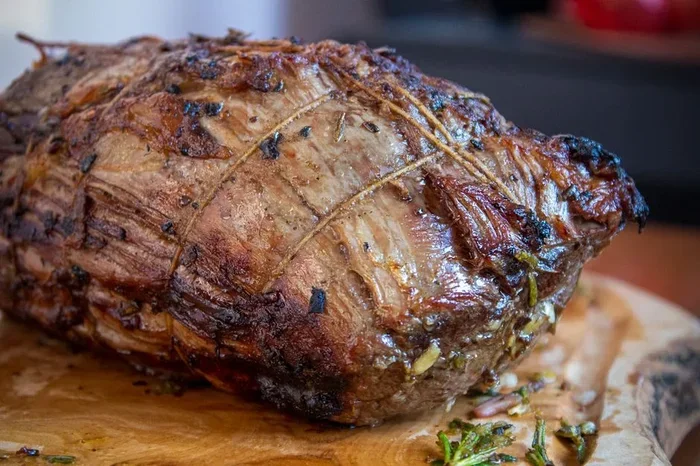
Knowing the right roast beef temperature is the single most important factor in achieving a perfectly cooked roast. Whether you prefer your roast rare, medium-rare, or well-done, this guide gives you the exact temperatures, times, and techniques you need. We cover every cooking method so you can serve a tender, juicy roast beef with confidence.
Key Takeaways
- Target temp matters: The internal temperature of your roast determines doneness, juiciness, and safety.
- Use a meat thermometer: It is the only reliable way to check if your roast beef is done correctly.
- Rest your roast: Carryover cooking raises the temperature by 5–10 degrees after you pull the roast from the heat.
- Different methods need different approaches: Oven roasting, slow cooking, and stovetop methods all have unique temperature profiles.
- Avoid common mistakes: Overcooking, skipping the rest, and not letting the meat come to room temperature are the top errors home cooks make.
- Store leftovers properly: Proper storage keeps your roast beef safe and flavorful for days.
📑 Table of Contents
- Roast Beef Temperature: The Complete Guide to Perfect Results
- Why Roast Beef Temperature Is So Important
- Roast Beef Temperature by Doneness Level
- How to Measure Roast Beef Temperature Correctly
- Roast Beef Temperature for Different Cooking Methods
- Common Roast Beef Temperature Mistakes to Avoid
- Resting Your Roast Beef: The Carryover Effect
- Storing and Reheating Your Roast Beef Safely
- Final Thoughts on Roast Beef Temperature
Roast Beef Temperature: The Complete Guide to Perfect Results
There is nothing quite like a beautifully cooked roast beef sitting on the dinner table. The aroma fills the kitchen, the slices are tender and juicy, and everyone reaches for seconds. But getting that perfect roast is not just about the recipe or the cut of meat. The roast beef temperature is the real game-changer.
Whether you are a beginner in the kitchen or a seasoned home cook, understanding beef roast internal temperature will transform your results. A few degrees can mean the difference between a dry, tough roast and one that melts in your mouth. This guide walks you through everything you need to know about roasting beef to perfection. You will learn the right temperatures for each level of doneness, how to measure them accurately, and the mistakes to avoid.
We also cover different cooking methods so you can apply this knowledge whether you use an oven, a slow cooker, or a stovetop. By the end, you will feel confident pulling the perfect roast off the heat every single time. Let us dive in.
Why Roast Beef Temperature Is So Important
The internal temperature of your roast beef controls everything. It determines how cooked the meat is, how juicy it stays, and whether it is safe to eat. Many people think that cooking time alone matters. But time is only half the equation. Temperature is what really tells you when your roast is done.
When you cook beef roast, the heat breaks down the proteins and connective tissues in the meat. At lower temperatures, the meat stays moist and tender. At higher temperatures, the juices escape, and the texture becomes dry and tough. This is why a meat thermometer is your best friend in the kitchen. It removes all the guesswork.
Here is a quick look at why temperature control matters so much:
- Safety: The USDA recommends cooking beef roasts to at least 145°F for whole cuts to kill harmful bacteria.
- Juiciness: Lower internal temperatures retain more moisture inside the meat fibers.
- Tenderness: Collagen breaks down best at specific temperature ranges, making the meat fall apart tender.
- Consistency: Using a thermometer means you get the same great result every time you cook.
Roast Beef Temperature by Doneness Level
Not everyone likes their roast beef the same way. Some people love a rare center with a cool red interior. Others prefer a medium roast with a pink center. And some want their beef fully cooked through. Here are the beef roast temperatures for each level of doneness.
Rare Roast Beef Temperature
A rare roast beef has a bright red center and feels cool to the touch when you press it. The target internal temperature for rare roast beef is 120–125°F. This level of doneness preserves the most juices and gives you the most tender texture. It is perfect for prime rib and tender cuts like top round roast.
Medium-Rare Roast Beef Temperature
Medium-rare is the sweet spot for most roast beef lovers. The internal temperature sits at 130–135°F. The center is warm and pink, and the meat is incredibly juicy. This is the go-to doneness for many chefs because it balances flavor, moisture, and a slightly firmer texture. If you are unsure what level to aim for, medium-rare is a safe bet.
Medium Roast Beef Temperature
A medium roast beef reaches an internal temperature of 140–145°F. The center is pink but not red. The meat is firmer than medium-rare but still retains a good amount of moisture. This level works well for families who want something a bit more cooked without drying the roast out.
Well-Done Roast Beef Temperature
For a well-done roast, aim for an internal temperature of 155–165°F. The center is gray-brown with no pink at all. This level of doneness is the safest from a food safety standpoint, but it does come with a trade-off. Well-done roasts tend to be drier and less tender. If you prefer your roast fully cooked, try braising or slow cooking to keep the meat moist.
| Doneness | Internal Temperature | Center Color | Texture |
|---|---|---|---|
| Rare | 120–125°F | Bright red | Cool, very tender |
| Medium-Rare | 130–135°F | Warm pink | Juicy, tender |
| Medium | 140–145°F | Pink | Firmer, moist |
| Well-Done | 155–165°F | Gray-brown | Firm, drier |
How to Measure Roast Beef Temperature Correctly
Measuring the temperature of your roast beef correctly is just as important as knowing what temperature to aim for. A wrong reading can lead to overcooked or undercooked meat. Here is how to get it right every time.
Use a Digital Instant-Read Thermometer
A digital meat thermometer is the most accurate tool for checking roast beef temperature. Insert the probe into the thickest part of the roast, away from the bone, fat, or gristle. Wait for the reading to stabilize before you decide if the roast needs more time.
Check the Temperature in Multiple Spots
Roasts do not cook evenly. The outside may be hotter than the center, or one side may be more done than the other. To get an accurate beef roast internal temperature, check at least two or three different spots. This gives you a true picture of how the roast is cooking.
Insert the Thermometer Properly
Do not let the thermometer touch the pan or the roasting rack. That will give you a false reading. Slide the probe into the center of the meat horizontally for the most accurate result. Keep the probe deep enough that it is surrounded by meat on all sides of the sensor.
Remove the Thermometer Before the Roast Is Done
Here is a pro tip that many people miss. Because of carryover cooking, the temperature of your roast will continue to rise after you pull it from the oven. A roast that reads 125°F when you remove it from the oven may reach 135°F after resting. This is why it is smart to pull your roast a few degrees early.
Roast Beef Temperature for Different Cooking Methods
Not all roasts are cooked the same way. The method you choose affects how the heat reaches the center of the meat and what roast beef temperature you should target. Let us look at the most popular cooking methods.
Oven-Roasted Beef
Oven roasting is the classic method for cooking a beef roast. You sear the outside first, then cook it low and slow in a hot oven. Most oven-roasted beef roasts cook at temperatures between 325°F and 450°F. The internal beef roast temperature is what matters most here, not the oven setting.
A popular approach is to start the roast at a high temperature (around 450°F) for the first 15 minutes to create a nice crust. Then you lower the heat to 325°F and let it cook until it reaches your target roast beef temperature. This method works beautifully for chuck roast, rump roast, and tri-tip.
Slow Cooker Beef Roast
Slow cookers are amazing for beef roasts. They cook the meat at a low, steady temperature over several hours, which makes even tough cuts incredibly tender. The slow cooker beef roast temperature usually stays between 190°F and 200°F on the low setting.
Because slow cookers trap moisture, the roast stays juicy even if you cook it a bit longer than planned. If you are new to slow cooking, try a slow cooker Mississippi pot roast for an easy, hands-off meal that everyone loves. The low and slow approach breaks down the collagen in the meat, giving you a fall-apart tender result.
Stovetop and Braised Beef Roast
Braising is a wet cooking method that uses liquid to cook the roast gently. You sear the meat on the stovetop first, then let it simmer in a covered pot with broth, wine, or other liquids. The temperature stays low, usually between 275°F and 325°F inside the pot.
Braising is ideal for tougher cuts like bottom round or chuck roast. The long, gentle cooking time turns tough fibers into melt-in-your-mouth meat. If you have ever had trouble making beef stew meat tender on the stove, braising is the solution. The steady low heat breaks down the connective tissues without drying out the roast.
Common Roast Beef Temperature Mistakes to Avoid
Even experienced cooks make mistakes when it comes to roast beef temperature. Here are the most common errors and how to fix them.
Skipping the Thermometer
The biggest mistake home cooks make is not using a thermometer. You might think you can tell if a roast is done by pressing on it or checking the color. But those methods are unreliable. A roast beef thermometer takes the guesswork out of cooking and takes your results to the next level.
Not Letting the Meat Come to Room Temperature
When you put a cold roast straight into the oven, the outside cooks much faster than the inside. This leads to uneven cooking and often an overcooked exterior with a raw center. Take your roast out of the fridge 30 to 45 minutes before cooking. This simple step helps the roast cook more evenly from edge to center.
Overcooking the Roast
It is very easy to overcook a roast beef, especially if you rely on time alone. Even five extra minutes in the oven can push a medium-rare roast into the well-done range. Always check the temperature early and often. It is much easier to add a few more minutes than to rescue an overcooked roast.
Forgetting to Rest the Roast
Resting your roast after cooking is just as important as reaching the right temperature. When you cut into a hot roast right away, the juices run out onto the cutting board instead of staying in the meat. Let your roast rest for at least 10 to 15 minutes under a loose tent of foil. This allows the juices to redistribute and the temperature to even out.
Resting Your Roast Beef: The Carryover Effect
Carryover cooking is one of the most important concepts in roast beef preparation. After you pull the roast from the oven or slow cooker, the internal temperature continues to rise. This happens because the hot outer layers of meat transfer heat to the cooler center.
For a large roast, the temperature can rise by 5 to 10 degrees during resting. For a smaller roast, the rise is usually 3 to 5 degrees. This is why many chefs recommend pulling the roast off the heat when it is 5 degrees below your target roast beef temperature.
To rest your roast properly, transfer it to a cutting board and cover it loosely with aluminum foil. Do not wrap it tightly, or you will trap steam and make the crust soggy. Let it rest for 10 to 20 minutes depending on the size of the roast. Then slice against the grain for maximum tenderness.
Storing and Reheating Your Roast Beef Safely
Once your roast beef is cooked to the perfect temperature, you want to keep it safe and delicious. Proper storage is key to enjoying your roast for days after cooking.
Let the roast cool to room temperature within two hours of cooking. Then wrap it tightly in plastic wrap or foil and place it in the refrigerator. For best results, store your cooked roast beef in an airtight container. Properly stored, roast beef stays fresh in the fridge for 3 to 4 days. If you want to keep it longer, freezing cooked beef is a great option and can extend the shelf life for several months.
When you are ready to reheat your roast beef, do it gently. Low heat in the oven or a quick zap in the microwave works well. Avoid high heat, which can dry out the meat quickly. Adding a splash of broth or water while reheating helps keep the roast moist and flavorful.
For more tips on keeping your beef fresh, check out our guide on how to store beef properly.
Final Thoughts on Roast Beef Temperature
Getting the roast beef temperature right is the foundation of a great meal. It is what separates a dry, disappointing roast from one that is juicy, tender, and full of flavor. The good news is that once you understand the basics, it becomes second nature.
Invest in a good meat thermometer. Learn the target temperatures for each level of doneness. Use the right cooking method for your cut of meat. And never skip the resting step. These simple habits will elevate your roast beef from ordinary to extraordinary every single time.
Whether you are cooking a classic oven roast, a slow cooker pot roast, or a braised beef roast on the stove, temperature is your most powerful tool. Keep this guide handy, trust your thermometer, and enjoy perfectly cooked roast beef at every meal. For more delicious roast beef recipes and tips, explore our collection of crockpot beef roast recipes and start cooking with confidence today.
Frequently Asked Questions
What is the safe internal temperature for roast beef?
The USDA recommends a minimum internal temperature of 145°F for whole cuts of beef, followed by a 3-minute rest. However, many people prefer their roast beef at medium-rare (130–135°F), which is safe for fresh beef that has been properly handled and cooked to the desired doneness.
How long should I let my roast beef rest before cutting?
Let your roast beef rest for at least 10 to 15 minutes before slicing. For larger roasts, 20 minutes is ideal. Resting allows the juices to redistribute throughout the meat, which makes every slice more flavorful and juicy.
Can I use a meat thermometer instead of a timer?
Absolutely. A meat thermometer is far more reliable than a timer because every roast is different. The size, shape, starting temperature, and oven accuracy all affect cooking time. The temperature reading tells you exactly when your roast is done, regardless of how long it has been cooking.
What is carryover cooking and how does it affect roast beef?
Carryover cooking is the rise in temperature that happens after you remove the roast from the heat. The hot outer layers continue to transfer heat to the cooler center. This can raise the internal temperature by 5 to 10 degrees, which is why you should pull your roast a few degrees before it reaches your target temperature.
Is medium-rare roast beef safe to eat?
Yes, medium-rare roast beef is safe to eat when it is made from fresh, properly handled beef. The internal temperature of 130–135°F is safe for whole cuts of beef. The key is to use a clean thermometer and ensure the meat has been stored and handled properly before cooking.
What is the best cut of beef for roasting?
Some of the best cuts for roasting include chuck roast, rump roast, tri-tip, and top round. These cuts have enough connective tissue to become tender and flavorful when cooked low and slow. For a more premium option, prime rib is a favorite that delivers incredible flavor and juiciness when roasted to the right roast beef temperature.