
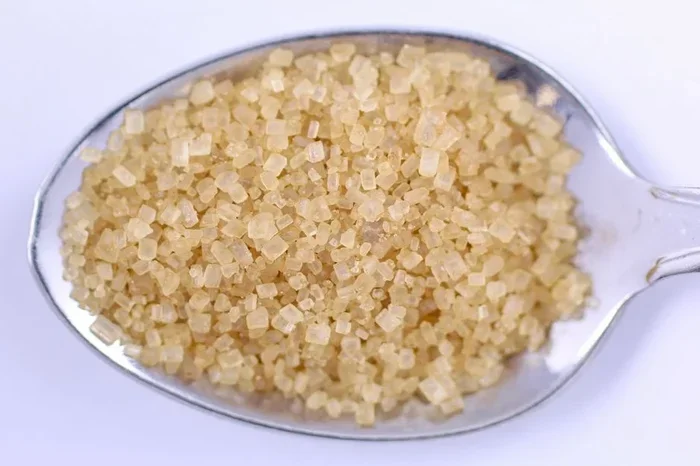
Brown sugar hardening is a common kitchen frustration, but you can learn how to soften brown sugar in just a few minutes. Whether you use the microwave, stovetop, or oven, each method brings moisture back to those stubborn clumps. Softening brown sugar is easy, affordable, and takes almost no effort once you know the right technique.
Key Takeaways
- Microwave method: The fastest way to soften brown sugar in under 2 minutes using a damp paper towel.
- Stovetop method: A gentle heat approach that works well for larger quantities of hard brown sugar.
- Oven method: Great for batch revival and long-term storage prep.
- Prevention is key: Proper brown sugar storage keeps it soft for months.
- Terra cotta discs and bread slices: Simple household items that maintain soft brown sugar texture naturally.
- Never throw out hard brown sugar: It is almost always salvageable with the right method.
📑 Table of Contents
Why Does Brown Sugar Harden?
You open the pantry and find a solid brick where your brown sugar used to be soft and fluffy. It happens to almost everyone. Brown sugar hardening is completely normal, and it has a simple explanation.
Brown sugar contains molasses, which is naturally hygroscopic. That means it pulls moisture from the air. When brown sugar loses moisture, the molasses dries out and binds the sugar crystals together. The result is a hard, rock-like block that seems impossible to break apart.
Understanding brown sugar hardening causes helps you prevent it in the first place. Exposure to air is the biggest culprit. Heat and humidity also play a role. Even the type of container you store it in matters more than you might think.
The good news is that softening brown sugar is quick and easy. You do not need any fancy tools or expensive products. Most of the time, you already have everything you need in your kitchen right now.
The Science Behind Brown Sugar Hardening
Let us keep this simple. Brown sugar is made up of sugar crystals coated in molasses. When those molasses layers dry out, the crystals stick together tightly. This creates those annoying brown sugar clumps that resist your spoon every time you try to scoop some out.
Moisture is the enemy of hard brown sugar. The more moisture the sugar retains, the softer it stays. That is why storing brown sugar in an airtight container is so important. It locks in the moisture your brown sugar needs to maintain its soft brown sugar texture.
What Causes Brown Sugar to Become a Brick?
Several factors speed up the hardening process:
- Poor storage: Leaving the bag open or using a container that is not airtight lets moisture escape.
- Heat exposure: Warm kitchens dry out brown sugar faster than cool ones.
- Low humidity: Dry climates and winter heating can pull moisture from your sugar.
- Expired packaging: Old bags with tiny holes or loose seals do not protect the sugar well.
Knowing these causes helps you take action before your brown sugar turns into a solid block. Prevention is always easier than revival.
How to Soften Brown Sugar in the Microwave
The microwave is the fastest way to soften brown sugar quickly. You can go from brick to fluffy in under two minutes. This method works best for small to medium batches.
Step-by-Step Microwave Method
Follow these simple steps to bring your brown sugar back to life:
- Place the hard brown sugar in a microwave-safe bowl.
- Dampen a paper towel with water. Do not soak it. Just make it slightly moist.
- Lay the damp paper towel over the top of the sugar.
- Microwave on high for 20 seconds.
- Remove and check the texture. Use a fork to break up any remaining clumps.
- If it is still hard, microwave for another 10 to 20 seconds.
- Repeat until the brown sugar texture is soft and crumbly.
This method works because the microwave heats the moisture trapped under the paper towel. The steam penetrates the hard sugar and restores its brown sugar moisture content. You will be amazed at how fast it works.
Quick Tips for the Microwave Method
- Never microwave brown sugar without a damp cover. Dry heat will make it worse.
- Use a bowl that is large enough to allow steam to circulate.
- If you do not have a paper towel, a damp cloth works just as well.
- For extra insurance, place a small cup of water in the microwave alongside the sugar.
Softening brown sugar in the microwave is the go-to method for most home cooks. It is fast, simple, and requires no special equipment. Once you try it, you will never panic over hard brown sugar again.
How to Soften Brown Sugar on the Stovetop
The stovetop method is a gentle alternative that works well for larger quantities. It takes a little longer than the microwave, but it gives you more control over the process.
Using the Stovetop Method
Here is how to soften brown sugar using your stove:
- Place the hard brown sugar in a heavy-bottomed saucepan.
- Add a slice of bread or a damp paper towel on top of the sugar.
- Cover the pan with a lid.
- Heat on low for 5 to 10 minutes. Do not use high heat.
- Stir the sugar gently every few minutes.
- Check the brown sugar texture after 5 minutes.
- Continue until the sugar breaks apart easily.
The low, steady heat creates steam inside the pan. This steam slowly works its way into the hard sugar crystals. The bread slice adds extra moisture, which speeds up the process.
Common Mistakes to Avoid
- Using high heat: This can melt the molasses and ruin the brown sugar. Always use low heat.
- Forgetting the lid: The lid traps steam inside the pan. Without it, the moisture escapes.
- Leaving it unattended: Check the sugar every few minutes. You do not want to overheat it.
- Adding too much water: A damp paper towel is enough. Excess water can make the sugar too wet.
The stovetop method is ideal when you need a larger batch of soft brown sugar for baking. It gives you more control and produces consistent results every time.
How to Soften Brown Sugar in the Oven
The oven method is perfect for those who prefer a hands-off approach. It works well for medium to large batches of hard brown sugar.
The Oven Method Explained
Follow these steps for the oven method:
- Preheat your oven to 250°F (120°C).
- Spread the hard brown sugar in a single layer on a baking sheet.
- Place a damp paper towel or a small oven-safe dish of water in the oven alongside the sugar.
- Heat for 5 to 10 minutes.
- Remove and check the texture.
- Break up any remaining clumps with a fork.
- Return to the oven for another 5 minutes if needed.
The low oven temperature gently warms the sugar and allows the added moisture to penetrate the hard brown sugar clumps. This method takes a bit longer than the microwave, but it is excellent for larger quantities.
When to Use the Oven Method
Choose the oven method when:
- You have a large amount of hard brown sugar to revive.
- You want a set-it-and-forget-it approach.
- You are already using the oven for something else and can multitask.
- The microwave is occupied or not available.
Each method has its strengths. The microwave is fastest, the stovetop gives the most control, and the oven handles larger batches with ease. Pick the one that fits your situation best.
How to Keep Brown Sugar Soft Long-Term
Once you have revived your brown sugar, you want to keep it that way. Proper brown sugar storage is the key to maintaining a soft brown sugar texture for months.
Best Storage Practices
Follow these simple rules to prevent your brown sugar from hardening again:
- Use an airtight container: This is the single most important step. A sealed container locks in moisture and keeps air out.
- Store in a cool, dark place: Avoid spots near the stove or oven where heat can dry out the sugar.
- Keep it away from strong odors: Brown sugar can absorb smells from nearby foods.
- Squeeze out excess air: If using a bag, press out the air before sealing it tightly.
- Consider the fridge: In very dry climates, storing brown sugar in the fridge can help maintain moisture.
For long-term storage tips, check out our guide on how to store sugar. It covers all the essentials for keeping your sugar fresh and usable for as long as possible.
Softening Agents and Tools
Several household items can help maintain soft brown sugar:
- Terra cotta discs: Soak a terra cotta brown sugar saver in water for 15 minutes, then place it in your storage container. It slowly releases moisture and keeps the sugar soft for weeks.
- Bread slices: Place a slice of bread in your brown sugar container. The bread releases moisture over time, keeping the sugar soft.
- Apple slices: Similar to bread, a few apple slices add moisture to the container.
- Marshmallows: This might sound odd, but marshmallows work great at maintaining moisture around brown sugar.
These simple tools make a huge difference. They are cheap, easy to find, and require almost no effort. Once you start using one, you will never deal with hard brown sugar again.
Prevention Tips for Everyday Use
Small habits can prevent brown sugar hardening:
- Always seal your brown sugar container immediately after each use.
- Do not leave the bag open on the counter overnight.
- Transfer brown sugar to a proper container as soon as you buy it.
- Check your storage container for cracks or gaps that might let air in.
For more ideas on keeping your kitchen organized and your ingredients fresh, read our article on how to organize your kitchen pantry. Good organization makes it easy to track what you have and how you store it.
When Your Brown Sugar Is Beyond Saving
Sometimes brown sugar has been hard for so long that no method brings it back. In these cases, it might be time to accept that the sugar has gone bad. But how do you know?
Signs Your Brown Sugar Has Gone Bad
Watch for these warning signs:
- Mold or discoloration: If you see any fuzzy spots or unusual color changes, throw it out.
- Off smell: Fresh brown sugar has a mild, sweet aroma. If it smells sour or off, discard it.
- Insect infestation: If you notice tiny bugs or webbing in the sugar, it is no longer safe to use.
- Persistent hardening after multiple attempts: If none of the softening methods work, the sugar may have lost too much moisture to recover.
What to Do Instead
If your brown sugar is truly beyond saving, do not worry. You can easily substitute it in most recipes. White sugar works as a direct replacement, though it will change the flavor slightly. You can also make your own brown sugar at home by mixing white sugar with a small amount of molasses. This gives you full control over the brown sugar texture and freshness.
For tips on storing other food items without refrigeration, check out our guide on how to store food without a fridge. It covers a wide range of ingredients and their best storage practices.
Conclusion
Learning how to soften brown sugar is one of those small kitchen skills that saves you time, money, and frustration. Whether you use the microwave for speed, the stovetop for control, or the oven for larger batches, each method brings your hard brown sugar back to a usable state in minutes.
The real magic, though, is in prevention. Proper brown sugar storage with an airtight container and a moisture-retaining tool like a terra cotta disc keeps your brown sugar soft for months. These simple habits mean you will rarely face a hard brick of sugar ever again.
Next time you find a solid block of brown sugar in your pantry, do not panic. Grab a damp paper towel and one of the methods above. You will have soft brown sugar ready for your favorite recipes in no time. Share these tips with friends and family who struggle with the same problem. A little knowledge goes a long way in the kitchen.
Frequently Asked Questions
Can I soften brown sugar without a microwave?
Yes, absolutely. The stovetop and oven methods both work without a microwave. You can also use the bread slice or terra cotta disc method at room temperature, though these take longer. Each method restores brown sugar moisture effectively.
How long does softened brown sugar last?
When stored properly in an airtight container, softened brown sugar stays soft for several months. Using a terra cotta disc or bread slice can extend this even further. The key is keeping moisture inside the container and air outside.
Is it safe to eat hardened brown sugar?
Yes, hardened brown sugar is safe to eat. The hardening process only removes moisture. It does not make the sugar unsafe. Once you soften it, you can use it in any recipe just like regular brown sugar.
Can I use a hair dryer to soften brown sugar?
Yes, you can. A hair dryer on a low heat setting can help break up brown sugar clumps. Hold it a few inches away and move it around evenly. This works best for small amounts and is a good alternative when the microwave is not available.
What is the best container for storing brown sugar?
An airtight glass or plastic container works best. Some people prefer the original packaging if it has a secure seal. The most important factor is that the container keeps air and moisture exchange to a minimum. This preserves the soft brown sugar texture for longer.
Can I prevent brown sugar from hardening in humid climates?
In humid climates, brown sugar actually has a lower risk of hardening because the air already contains moisture. However, you should still store it in an airtight container to prevent it from absorbing unwanted odors or becoming too wet. A sealed container gives you the best control over brown sugar texture regardless of the climate.



