
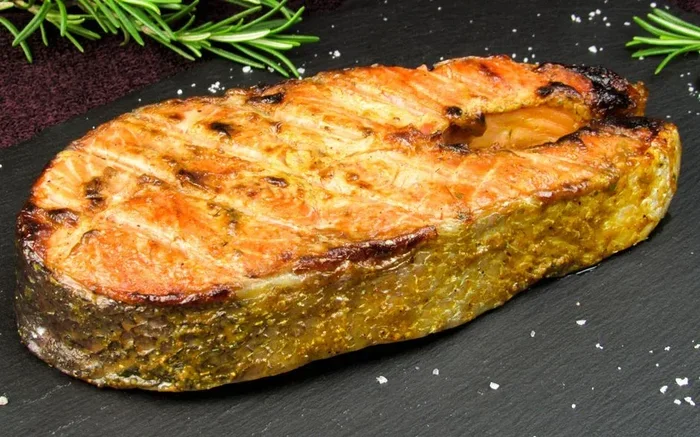
This guide shows you exactly how to prepare salmon in oven like a pro, from choosing the right fillet to nailing the perfect internal temperature. You will learn simple seasoning tricks, precise baking times, and expert tips that guarantee moist, flavorful results. Whether you are a beginner or a seasoned home cook, this salmon recipe makes dinner effortless and delicious.
There is something magical about salmon in oven. It is one of those dishes that looks impressive but feels incredibly easy once you know the basics. Whether you are cooking for a weeknight dinner or a special occasion, this salmon recipe delivers restaurant-quality results with minimal effort.
Baked salmon has become a go-to meal for health-conscious food lovers. It is packed with omega-3 fatty acids, high-quality protein, and essential vitamins. Plus, it cooks fast and pairs with almost any side dish you can think of. In this guide, we walk you through every step so you can confidently put a beautiful oven-baked salmon on the table.
You do not need fancy equipment or years of cooking experience. A basic oven, a baking sheet, and a few simple ingredients are all you need. By the end of this article, you will have the knowledge and confidence to make perfectly baked salmon every single time. Let us dive in.
Key Takeaways
- Perfect Temperature: Bake salmon at 400°F for 12-15 minutes to get crispy skin and juicy flesh.
- Simple Seasoning: A few quality ingredients like olive oil, lemon, and herbs elevate salmon dramatically.
- Prep Matters: Pat the fillet dry and let it come to room temperature before baking for even cooking.
- Don’t Overcook: Use a meat thermometer and pull the salmon at 145°F internal temp for the best texture.
- Versatile Dish: This method works for skin-on and skinless fillets, and you can customize flavors endlessly.
- Meal Prep Friendly: Baked salmon stores well and reheats beautifully for quick meals throughout the week.
📑 Table of Contents
- Why Salmon in Oven Is a Great Choice
- Choosing the Best Salmon for Oven Baking
- Essential Ingredients for Flavorful Salmon
- Step-by-Step Instructions for Baking Salmon
- Common Mistakes to Avoid When Baking Salmon
- Easy Salmon Recipe Variations
- How to Store and Reheat Leftover Salmon
- Health Benefits of Baked Salmon
- Quick Tips for Perfect Salmon Every Time
- Conclusion
Why Salmon in Oven Is a Great Choice
Oven-baking is one of the simplest and most reliable methods for cooking salmon. Unlike stovetop cooking, where you need to monitor heat closely, the oven does the work for you. The even heat distribution ensures that every part of the fillet cooks consistently.
Here is why so many home cooks prefer baked salmon:
- Hands-off cooking: Once the salmon is in the oven, you can prep sides or relax while it bakes.
- Easy cleanup: A lined baking sheet means minimal dishes to wash.
- Consistent results: The oven provides stable heat that prevents hot spots and uneven cooking.
- Customizable: You can add different seasonings, glazes, or toppings to suit any taste preference.
- Healthy cooking method: Baking requires little to no added fat compared to frying.
When you compare salmon in oven to other cooking methods like pan-searing or grilling, baking offers more control and less stress. You do not have to worry about the fish sticking to the pan or flare-ups from the grill. The oven creates a gentle, enclosed environment that locks in moisture and flavor.
Choosing the Best Salmon for Oven Baking
Fresh vs. Frozen Salmon
Both fresh and frozen salmon work beautifully for oven baking. Fresh salmon has a slightly better texture, but frozen salmon that has been properly thawed performs just as well. If you buy frozen, make sure to thaw it overnight in the refrigerator for the best results.
When selecting salmon fillets, look for firm, bright-colored flesh. The fish should smell fresh and clean, not fishy. Avoid any fillets with brown spots or a dull appearance. Good quality salmon fillet makes a noticeable difference in the final dish.
Skin-On vs. Skinless
Skin-on salmon fillets are excellent for oven baking. The skin acts as a natural protective layer that keeps the flesh moist and adds a satisfying crispy texture. If you prefer skinless fillets, they also work well but may cook slightly faster.
Here is a quick comparison to help you decide:
- Skin-on: More flavorful, crispier texture, easier to handle on the baking sheet, slightly longer cooking time.
- Skinless: Faster cooking, milder flavor, easier to eat for picky eaters, slightly more delicate texture.
For this recipe, we recommend skin-on salmon because it holds its shape better and delivers that beautiful crispy finish. If you are using skinless salmon fillets, simply reduce the cooking time by two to three minutes and check for doneness earlier.
Essential Ingredients for Flavorful Salmon
The beauty of salmon in oven is that you do not need a long list of ingredients. A few high-quality items are all it takes to create something truly delicious. Here is what you will need:
The Base Ingredients
- Fresh salmon fillets: About 4 to 6 ounces per person, depending on appetite.
- Olive oil: A thin coating keeps the salmon moist and helps seasonings adhere.
- Salt and black pepper: The foundation of great flavor. Do not skip this step.
- Lemon: Fresh lemon juice and zest add brightness and cut through the richness of the fish.
- Garlic: Minced fresh garlic or garlic powder adds depth and aroma.
Optional Flavor Boosters
Once you master the basics, you can experiment with these additions:
- Fresh dill: A classic pairing with salmon that adds a fresh, herbaceous note.
- Honey or maple syrup: A drizzle creates a beautiful glaze that caramelizes in the oven.
- Dijon mustard: Adds a tangy kick that complements the richness of the fish.
- Soy sauce and ginger: For an Asian-inspired twist on your salmon recipe.
- Capers and fresh parsley: A Mediterranean-style finishing touch.
Keep in mind that less is more with salmon. The fish has a delicate, natural flavor that should shine through. Over-seasoning can mask the taste of the fish. Start with the basics and add extras only if you want to get creative.
Step-by-Step Instructions for Baking Salmon
Now for the part you have been waiting for. Here is exactly how to make salmon in oven that is juicy, flavorful, and perfectly cooked every time. Follow these steps closely and you will not go wrong.
Step 1: Preheat Your Oven
Set your oven to 400°F (200°C). Preheating is essential because it ensures the salmon starts cooking immediately when it hits the hot oven. This rapid cooking helps create that desirable crispy exterior while keeping the inside tender and moist.
If you have ever wondered why your baked salmon sometimes comes out dry, the answer might be an oven that was not hot enough when the fish went in. A properly preheated oven is the first secret to perfect results.
Step 2: Prepare the Salmon
Remove the salmon from the refrigerator about 15 minutes before cooking. Letting it come to room temperature ensures even cooking throughout the fillet. A cold fillet placed directly into a hot oven will cook unevenly, with the outside overcooking before the inside is done.
Pat the fillet dry with paper towels. This step is crucial. Moisture on the surface of the fish creates steam, which prevents the skin from crisping up. A dry surface means a beautifully crispy salmon skin that everyone loves.
Step 3: Season the Salmon
Place the salmon fillets on a lined baking sheet. Drizzle with olive oil and season generously with salt and pepper. Add any optional herbs or seasonings you prefer. Squeeze fresh lemon juice over the top and sprinkle with lemon zest for extra freshness.
Make sure the seasoning coats the top and sides evenly. Do not be shy with the salt. Salmon needs a good amount of seasoning to bring out its natural flavor. Trust the process and season with confidence.
Step 4: Bake to Perfection
Place the baking sheet in the preheated oven and bake for 12 to 15 minutes. The exact time depends on the thickness of your fillet. A thinner fillet may be done in 10 to 12 minutes, while a thicker cut might need the full 15 minutes.
The salmon internal temp should reach 145°F when measured with a meat thermometer at the thickest part. This is the USDA-recommended safe temperature for fish. However, many chefs prefer to pull the salmon at 135°F to 140°F for a slightly more medium, tender texture that melts in your mouth.
If you want to explore different cooking temperatures, check out our guide on how long to cook salmon in oven at 400 for detailed timing based on fillet thickness.
Step 5: Rest and Serve
Remove the salmon from the oven and let it rest for three to five minutes. This resting period allows the juices to redistribute throughout the fillet, resulting in a moister, more flavorful bite. Cutting into the salmon immediately after baking can cause the juices to run out, leaving the fish less succulent.
Serve your oven-baked salmon with your favorite sides. A simple bed of roasted vegetables, a fresh green salad, or some steamed rice makes the perfect accompaniment. The versatility of this dish means you can pair it with almost anything in your refrigerator.
Common Mistakes to Avoid When Baking Salmon
Even experienced cooks sometimes make mistakes with salmon in oven. Being aware of these common pitfalls will help you achieve better results every time.
Overcooking the Salmon
This is the number one mistake people make with baked salmon. Overcooked salmon becomes dry, chalky, and loses its beautiful pink color. The key is to watch the cooking time closely and use a meat thermometer. When in doubt, pull the salmon out a little early. The residual heat will continue to cook the fish as it rests.
Skipping the Dry Pat Step
As mentioned earlier, moisture is the enemy of crispy skin. If you skip the step of patting the salmon dry, you will end up with steamed fish rather than baked fish. Take the extra 30 seconds to blot the fillet with paper towels. This small effort makes a huge difference in the final texture.
Using Too Much Oil
While a light coating of olive oil is essential, using too much can make the salmon greasy and prevent the skin from crisping. A thin drizzle and a light brush is all you need. The salmon has plenty of natural fat that contributes to its richness and flavor.
Not Letting the Salmon Rest
Cutting into hot salmon immediately after removing it from the oven causes the juices to escape. Those juices are where all the flavor and moisture live. Give the fish a few minutes to rest, and you will notice a significant difference in texture and taste.
Easy Salmon Recipe Variations
Once you have mastered the basic method, you can get creative with different flavor profiles. Here are three delicious variations to try:
Honey Garlic Salmon
Mix two tablespoons of honey with two minced garlic cloves and a tablespoon of soy sauce. Brush this glaze over the salmon during the last five minutes of baking. The result is a sweet and savory salmon in oven that has a beautiful caramelized finish. This version pairs wonderfully with steamed broccoli and rice.
Lemon Herb Salmon
This is the classic preparation. Combine olive oil, fresh lemon juice, chopped dill, parsley, and a touch of garlic. Spread the mixture over the fillet before baking. The bright, fresh flavors complement the rich salmon perfectly. For a Mediterranean twist, add capers and a sprinkle of oregano on top.
Creamy Tuscan Salmon
If you want to feel fancy, try a Tuscan-style preparation. After baking the salmon, top it with a creamy sauce made from cream cheese, sun-dried tomatoes, spinach, and Parmesan. This indulgent variation takes salmon in oven to the next level. You can find a detailed version of this recipe in our Tuscan Salmon Recipe in a Creamy Sauce guide.
How to Store and Reheat Leftover Salmon
Baked salmon makes excellent leftovers. Here is how to store and reheat it properly so you can enjoy it for days:
- Refrigerator storage: Place leftover salmon in an airtight container and refrigerate for up to three days.
- Freezer storage: Wrap individual portions tightly in plastic wrap and foil, then freeze for up to two months.
- Reheating in oven: Place the salmon on a baking sheet, cover loosely with foil, and warm at 275°F for 10 to 15 minutes. This low-and-slow method prevents the fish from drying out.
- Reheating on stovetop: Place the salmon in a pan over low heat with a splash of broth or water. Cover and heat gently for a few minutes.
Avoid reheating salmon in the microwave if possible. The microwave tends to make the fish rubbery and unevenly heated. The oven method preserves the texture and flavor much better, giving you leftovers that taste almost as good as the first serving.
Health Benefits of Baked Salmon
Beyond its incredible taste, salmon in oven is one of the healthiest meals you can prepare. Salmon is loaded with nutrients that support overall health and well-being.
- Omega-3 fatty acids: These healthy fats support heart health, reduce inflammation, and promote brain function.
- High-quality protein: A single serving provides about 25 grams of protein, essential for muscle repair and growth.
- Vitamin D: Salmon is one of the few natural food sources of vitamin D, which is crucial for bone health and immune function.
- B vitamins: Salmon is rich in B12 and B6, which support energy metabolism and nervous system health.
- Low in saturated fat: Baking salmon requires no added fats, making it a heart-healthy cooking method.
Making baked salmon a regular part of your meal rotation is one of the simplest ways to boost your nutrient intake. It is a meal that nourishes your body and satisfies your taste buds at the same time.
Quick Tips for Perfect Salmon Every Time
Here are some bonus tips that separate good baked salmon from absolutely perfect baked salmon:
- Use parchment paper on your baking sheet for effortless cleanup and to prevent sticking.
- Space fillets evenly on the baking sheet so hot air circulates around each piece.
- Check thickness before baking. Adjust cooking time based on the thickest part of the fillet.
- Add a splash of white wine to the baking sheet for extra flavor and moisture.
- Let salmon come to room temperature for 15 minutes before it goes in the oven.
- Use a digital instant-read thermometer for the most accurate doneness check.
- For extra crispy skin, start the salmon skin-side down in a hot oven and do not move it during cooking.
If you are curious about alternative methods, you can also explore how to cook salmon in an air fryer oven for a faster, crispier variation of this classic dish.
Conclusion
Salmon in oven is truly one of the easiest and most rewarding meals you can make at home. With the right temperature, simple ingredients, and a little attention to timing, you can produce restaurant-quality baked salmon that will impress everyone at the table. The key takeaways are straightforward: dry your fillet, season it well, bake at 400°F, and pull it when it reaches the right internal temperature.
This salmon recipe is versatile, healthy, and incredibly delicious. It fits into any meal plan, works for any occasion, and leaves you with minimal cleanup. Once you master the basic method, you can endlessly customize it with different seasonings, glazes, and serving styles.
So go ahead and give it a try. Pick up some fresh salmon fillets this week, fire up your oven, and experience the joy of perfectly baked salmon in your own kitchen. You will wonder why you did not make it more often. Happy cooking!
Frequently Asked Questions
What temperature should I bake salmon at?
The ideal temperature for baking salmon is 400°F (200°C). This high heat cooks the fish quickly while creating a beautifully crispy exterior and keeping the inside moist and tender. Baking at 400°F typically takes 12 to 15 minutes for standard fillet thickness.
How do I know when salmon is done in the oven?
Use a meat thermometer to check the salmon internal temp. The USDA recommends 145°F at the thickest part of the fillet. For a slightly more tender and medium texture, many chefs pull the salmon at 135°F to 140°F. The fish should also flake easily with a fork when it is ready.
Can I use frozen salmon for oven baking?
Yes, you can bake frozen salmon in the oven, but it is best to thaw it first for even cooking. Place the frozen fillet in the refrigerator overnight to thaw safely. If you must cook from frozen, add a few extra minutes to the baking time and check for doneness with a thermometer.
How long should I let salmon come to room temperature before baking?
Let your salmon sit at room temperature for about 15 minutes before placing it in the oven. This small step ensures the fillet cooks evenly throughout, preventing the outside from overcooking while the inside is still cold. It is a simple trick that makes a noticeable difference in the final result.
Is salmon skin safe and good to eat?
Yes, salmon skin is safe to eat and actually quite nutritious. It contains omega-3 fatty acids and adds a satisfying crispy texture when baked properly. If you prefer not to eat the skin, it is easy to remove after baking. The skin also helps hold the fillet together during cooking, making it easier to handle.
What are the best side dishes to serve with baked salmon?
Baked salmon pairs wonderfully with roasted vegetables like asparagus, broccoli, or Brussels sprouts. Steamed rice, quinoa, or couscous make excellent bases. A fresh green salad, lemon-dill yogurt sauce, or roasted baby potatoes also complement the rich flavor of salmon beautifully. The possibilities are endless, so feel free to get creative with your sides.



