How to cook trout is a skill every home cook should master. This guide covers simple methods like baking, pan-searing, and grilling with easy step-by-step instructions. You will learn trout seasoning tips, timing tricks, and how to get crispy skin every time. Whether you are a beginner or a seasoned cook, these healthy fish recipes will elevate your kitchen game.
Few things feel as rewarding as cooking a beautiful piece of trout. It is one of the most healthy fish recipes you can make at home. The flesh is delicate, the skin gets crispy when you treat it right, and the whole process takes less than twenty minutes. If you have been wondering how to cook trout without drying it out or making a mess, you are in the right place.
This guide breaks down every method in plain, simple language. You will learn trout fillet preparation, the best trout cooking methods, and the little tricks that separate a good meal from a great one. We will cover oven-baked trout, stovetop pan-searing, and outdoor grilling. By the end, you will feel confident enough to cook trout any night of the week.
The beauty of trout is its simplicity. You do not need fancy equipment or hard-to-find ingredients. A fresh fillet, some salt, a squeeze of lemon, and a hot pan are all you need to get started. Let us dive in and explore how to cook trout perfectly every single time.
Key Takeaways
- Fresh trout is versatile: You can bake, pan-sear, or grill it with minimal effort and maximum flavor.
- Proper preparation matters: Cleaning, patting dry, and seasoning the fish correctly sets you up for success.
- Internal temperature is key: Cook trout to 145°F for a safe, flaky, and juicy result every time.
- Crispy skin is achievable: A hot pan and skin-on fillets create a satisfying crunch without much fuss.
- Simple seasonings shine: Lemon, herbs, garlic, and butter bring out the best in trout without overcomplicating things.
- Avoid common mistakes: Overcooking, skipping the pat-dry step, and using the wrong heat level are the top pitfalls to dodge.
📑 Table of Contents
How to Prepare Trout for Cooking
Choosing the Right Trout
Start with fresh trout whenever possible. Look for bright, clear eyes and firm flesh that springs back when you press it. The smell should be clean and mild, not fishy. If you are buying skin-on trout, make sure the scales are intact and the skin looks shiny. Fresh freshwater fish like trout stores well in the fridge for one to two days. Place it on a plate lined with paper towels and keep it cold until you are ready to cook.
Cleaning and Filleting
Rinse the trout under cold water and pat it dry with paper towels. This step is simple but important. Moisture on the surface creates steam, which prevents crispy trout skin from forming. If you are working with a whole fish, use a sharp knife to remove the head and gut the cavity. For fillets, use a damascus knife that has been properly sharpened to make clean cuts. A dull blade will tear the delicate flesh and make your trout fillet preparation much harder.
To remove the pin bones, use a pair of needle-nose pliers. Pull them out gently in the direction they point. This small step makes a big difference in how enjoyable the final dish feels. Nobody wants to bite into a tiny bone while eating their trout cooking creation.
Seasoning Your Trout
Trout seasoning does not need to be complicated. Salt and black pepper are your foundation. Add a drizzle of olive oil to help the seasonings stick. For extra flavor, try minced garlic, fresh dill, thyme, or a squeeze of lemon juice. Some cooks like to let the seasoned fillets rest for ten minutes before cooking. This gives the flavors time to soak into the flesh.
If you want a trout with lemon and herbs flavor profile, place thin lemon slices directly on top of the fillet before cooking. The acid from the lemon gently breaks down the proteins and adds brightness. Fresh herbs like parsley and chives make a wonderful finish right before serving.
Best Cooking Methods for Trout
Overview of Popular Techniques
There are several ways to prepare trout, and each one brings something different to the table. Here is a quick look at the most popular trout cooking methods:
- Oven-baked: Hands-off cooking that works well for whole fish or fillets with a breadcrumb topping.
- Pan-seared: Quick and easy, perfect for getting crispy skin in just a few minutes.
- Grilled: Adds a smoky flavor that pairs beautifully with trout’s mild taste.
- Poached: A gentle method that keeps the fish moist and tender.
Each method has its strengths. Baking is great for feeding a crowd. Pan-searing is ideal for a quick weeknight simple fish dinner. Grilling adds a rustic, outdoor feel. Choose the method that fits your mood and the tools you have available.
How Long to Cook Trout
The trout cooking time depends on the method and the thickness of the fillet. As a general rule, a fillet that is about one inch thick needs around four to six minutes per side when pan-searing. In the oven, baked trout fillets take roughly twelve to fifteen minutes at 400°F. Whole trout on the grill usually needs about six to eight minutes per side.
The most reliable way to check doneness is with a meat thermometer. Insert it into the thickest part of the fillet. You want the trout internal temperature to reach 145°F. The flesh should be opaque and flake easily with a fork. If it still looks translucent, give it another minute or two.
Oven-Baked Trout: A Simple Recipe
Ingredients You Will Need
Oven-baked trout is one of the easiest healthy fish recipes you can make. You will need trout fillets or a whole trout, olive oil, salt, pepper, lemon slices, and fresh herbs. For a crunchy topping, mix breadcrumbs with melted butter and a pinch of paprika. This creates a crispy breadcrumb topping that adds texture without much effort.
If you want to dry your own lemon slices for seasoning, you can dry lemons in the oven ahead of time. Dried lemon slices add a concentrated citrus flavor that pairs wonderfully with trout.
Step-by-Step Instructions
- Preheat your oven to 400°F. Line a baking sheet with parchment paper.
- Pat the trout fillets completely dry with paper towels. This is the secret to great texture.
- Brush both sides lightly with olive oil and season with salt, pepper, and your favorite herbs.
- Place the fillets skin-side down on the baking sheet. Arrange lemon slices on top.
- Bake for twelve to fifteen minutes, or until the flesh flakes easily.
- For extra crunch, broil for one to two minutes at the end. Watch it closely so it does not burn.
This baked trout recipe is forgiving and hard to mess up. It works beautifully for dinner parties or a quiet weeknight meal. Serve it with roasted vegetables or a simple green salad for a complete simple fish dinner.
Adding a Breadcrumb Crust
For a more indulgent version, add a breadcrumb crust. Mix panko breadcrumbs with melted butter, grated Parmesan, and chopped fresh parsley. Spread the mixture over the top of the fillets before baking. The result is a golden, crunchy layer that contrasts beautifully with the soft, flaky fish underneath. The technique is similar to how you would crisp bread in the oven — high heat and a watchful eye make all the difference.
Pan-Seared Trout for Crispy Skin
Why Pan-Searing Works So Well
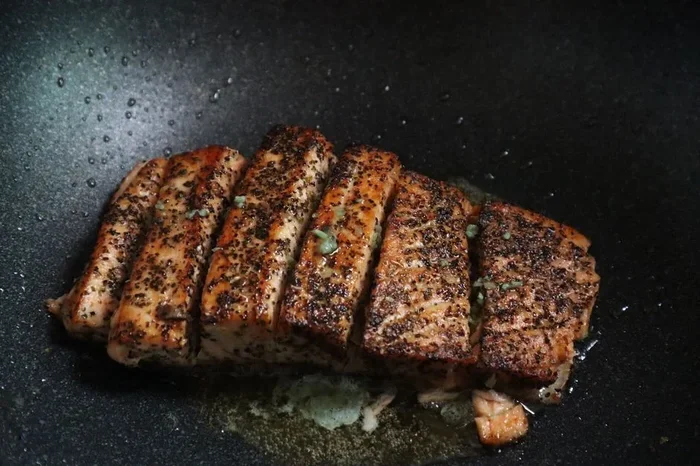
Pan-searing is the fastest way to cook trout, and it produces the most satisfying texture. The hot pan renders the skin until it is golden and crunchy. The flesh stays moist and tender inside. This method is perfect when you want dinner on the table in under fifteen minutes.
Before you start, make sure your trout fillets are dry. Moisture is the enemy of crispy skin. If the surface is wet, the fish will steam instead of sear. Use a hot pan with a thin layer of oil — butter burns too quickly on its own, so mix it with a little olive oil for stability.
The Cooking Process
- Heat a non-stick or cast-iron skillet over medium-high heat. Add a thin layer of oil.
- Place the fillets skin-side down gently. Do not crowd the pan.
- Press the fillets lightly with a spatula for the first thirty seconds. This prevents curling.
- Cook for three to four minutes without moving the fish. Let the skin get golden and crisp.
- Flip carefully and cook for two to three minutes on the other side.
- Remove from heat and let the fillets rest for a minute before serving.
The key to perfect pan-seared trout is patience. Do not flip too early. Let the skin do its thing. Once you master this technique, you will never go back to soggy, overcooked fish.
Grilling Trout Outdoors
Preparing the Grill
Grilling trout adds a wonderful smoky flavor that complements the fish’s mild taste. Start by cleaning your grill grates thoroughly. A clean grill cover and well-maintained grates prevent sticking and ensure beautiful grill marks. Preheat the grill to medium-high heat and lightly oil the grates before placing the fish on.
For whole trout, use a fish grill basket. It makes flipping easier and keeps the fish intact. For fillets, place them skin-side down and resist the urge to move them too soon. Let the grill do its work for about five to six minutes before checking.
Best Practices for Grilled Trout
- Keep the grill lid partially closed to maintain steady heat.
- Use a fish spatula for gentle flipping. Regular spatulas can break delicate fillets.
- Brush the fish with a little oil before grilling to prevent sticking.
- Let the grill cool slightly if the fish starts to stick. It will release naturally once the crust forms.
- Serve grilled trout with a drizzle of lemon butter sauce for extra richness.
Grilled trout makes an excellent centerpiece for a summer cookout. Pair it with grilled vegetables or a fresh salsa for a vibrant, flavorful meal. The outdoor cooking experience adds an extra layer of enjoyment that you just cannot get from the stovetop.
Common Mistakes and How to Fix Them
Overcooking the Fish
The most common mistake people make is leaving trout on the heat too long. Trout dries out quickly because it has very little fat compared to salmon or tuna. Set a timer and check the fish a minute or two before you think it is done. If the flesh is still slightly translucent in the center, it will continue to cook from residual heat after you remove it from the pan or oven.
Remember the trout internal temperature of 145°F. A digital instant-read thermometer takes the guesswork out of cooking. It is a small investment that pays off every time you make healthy fish recipes.
Skipping the Pat-Dry Step
Many home cooks skip drying the fish before cooking. This is a big mistake. Surface moisture creates steam, and steam prevents crispy trout skin from forming. Always pat your fillets dry with paper towels before seasoning. You can even let them sit uncovered in the fridge for thirty minutes before cooking. This draws out even more moisture and improves the texture dramatically.
Using the Wrong Pan or Heat
Cooking trout on low heat leads to steaming instead of searing. Use medium-high heat for pan-searing and make sure your pan is hot before adding the fish. A cold pan will cause the skin to stick and cook unevenly. Similarly, overcrowding the pan drops the temperature and creates soggy patches. Give each fillet enough space to cook properly.
Not Letting the Fish Rest
Just like with steak or chicken, trout benefits from a short rest after cooking. This allows the juices to redistribute throughout the fillet. Skip this step, and the fish may seem dry even if you cooked it perfectly. Let it rest for about one minute on the plate before serving.
Expert Tips for Perfect Trout Every Time
Buy Skin-On Fillets
Skin-on trout fillets are easier to handle and produce better texture. The skin acts as a natural protective layer during cooking. It also adds a satisfying crunch when cooked correctly. If you buy skinless fillets, you lose this advantage and the fish can fall apart more easily during trout cooking.
Bring the Fish to Room Temperature
Take your trout out of the fridge about fifteen minutes before cooking. Cold fish in a hot pan cooks unevenly — the outside overcooks while the center stays cold. Bringing it closer to room temperature ensures more even cooking throughout the fillet. This small step makes a noticeable difference in the final result.
Experiment with Flavors
Trout is a mild fish that absorbs flavors beautifully. Try different trout seasoning combinations to keep things interesting. A Cajun spice blend works well for grilled trout. A honey-mustard glaze adds sweetness for baked fillets. Asian-inspired marinades with soy sauce and ginger bring a completely different flavor profile. The possibilities are endless when you understand the basics of how to cook trout.
Pair with the Right Sides
Trout pairs well with light, fresh sides. Roasted asparagus, garlic mashed potatoes, quinoa pilaf, or a simple mixed green salad all complement the fish without overpowering it. For a complete simple fish dinner, keep the sides straightforward and let the trout be the star of the plate.
Frequently Asked Questions
What is the best way to cook trout?
The best way depends on your preference and the tools you have. Oven-baking is the easiest and most forgiving method for beginners. Pan-searing produces the crispiest skin and works great for a quick meal. Grilling adds a smoky flavor that is hard to beat. All three methods produce excellent results when you follow the basic techniques outlined in this guide.
How long does it take to cook trout?
Trout cooking time varies by method and fillet thickness. Pan-seared fillets take about five to seven minutes total. Oven-baked fillets need twelve to fifteen minutes at 400°F. Grilled whole trout or fillets take about twelve to sixteen minutes. Always check the internal temperature with a thermometer to confirm doneness.
Should I cook trout with the skin on or off?
Cooking trout with the skin on is highly recommended. The skin protects the delicate flesh, holds the fillet together, and becomes crispy when cooked properly. It also contains healthy omega-3 fats. If you prefer skinless trout, you can remove the skin before cooking, but you will lose some of the texture and flavor benefits.
Can I use frozen trout?
Yes, you can cook trout from frozen, but fresh trout always gives better results. If you must use frozen trout, thaw it overnight in the refrigerator. Pat it dry thoroughly before cooking. Avoid thawing it at room temperature, as this can affect the texture and safety of the fish. Proper thawing ensures your trout fillet preparation goes smoothly and the fish cooks evenly.
What temperature should trout be cooked to?
The safe internal temperature for cooked trout is 145°F. At this temperature, the flesh is fully opaque and flakes easily with a fork. Using a digital instant-read thermometer is the most reliable way to check. Remember that the temperature will continue to rise slightly after you remove the fish from the heat, so pull it off a few degrees early.
How do I prevent my trout from sticking to the pan?
The key is a hot pan and a dry fillet. Make sure your skillet is properly heated before adding the fish. Use a thin layer of oil or a mix of oil and butter. Pat the trout completely dry with paper towels before seasoning. If the fish still sticks, do not force it to move. Wait until a natural crust forms, and it will release from the pan easily.
Conclusion
How to cook trout is a skill that anyone can learn with a little practice. From oven-baked fillets with a crispy breadcrumb topping to perfectly seared skin-on fillets on the stovetop, the methods in this guide cover every base. You now know how to choose fresh trout, prepare it properly, season it well, and cook it to perfection using your preferred method.
The beauty of trout lies in its simplicity and versatility. It is a healthy fish that cooks fast and tastes incredible. Whether you are making a quick weeknight dinner or impressing guests at a weekend gathering, trout delivers every time. Start with the basics, follow the tips in this guide, and soon you will be cooking trout with confidence and creativity.
Grab some fresh trout from your local market, fire up your kitchen, and give these methods a try. You will be surprised at how easy it is to create restaurant-quality fish right at home. Happy cooking!