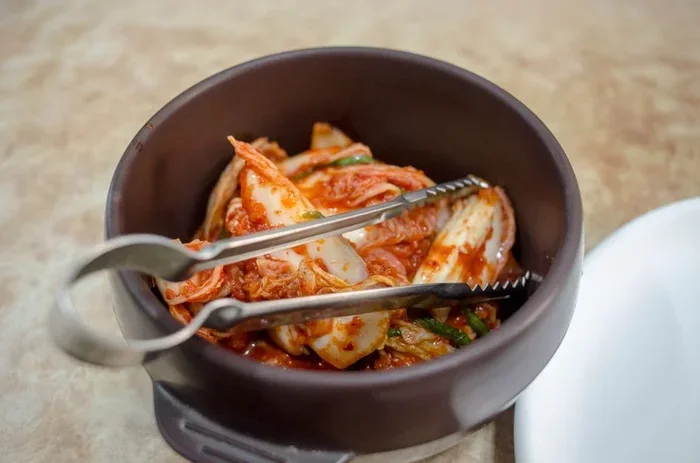
Fermented food is any food that has been transformed by beneficial bacteria, yeast, or microbes through a natural process called fermentation. Eating fermented foods can boost your gut health, improve digestion, and strengthen your immune system. This guide covers everything you need to know about fermented foods, from how they work to why you should eat them more often.
Key Takeaways
- Fermented food is created when good bacteria or yeast break down sugars in food, creating probiotics and unique flavors.
- Regular consumption of fermented foods supports gut health, digestion, and a stronger immune system.
- Popular fermented foods include yogurt, kimchi, sauerkraut, kombucha, and miso.
- The fermentation process has been used for thousands of years to preserve food and enhance nutrition.
- You can easily make fermented foods at home with simple ingredients and basic tools.
- Store-bought fermented foods must contain live cultures to deliver the full health benefits.
- Adding fermented foods to your daily meals is one of the simplest steps toward better health.
📑 Table of Contents
What Is Fermented Food?
Fermented food is any food that has been left to transform through a natural process. During fermentation, tiny living organisms like bacteria and yeast eat the sugars in food. They then produce acids, alcohol, or gases as a byproduct. This process changes the taste, texture, and nutritional value of the food.
People have been fermenting food for thousands of years. Before refrigerators existed, fermentation was one of the best ways to keep food fresh. Today, we eat fermented foods not just for preservation but for the amazing health benefits they offer. Fermented food is now a hot topic in nutrition science, and for good reason.
The fermentation process relies on beneficial bacteria and microorganisms. These tiny helpers work hard to convert sugars into lactic acid or alcohol. This creates an environment where harmful bacteria cannot survive. The result is a food that is rich in probiotics and packed with flavor.
How Does Fermentation Work?
Fermentation happens when microorganisms feed on carbohydrates in food. They break these sugars down in the absence of oxygen. This is called anaerobic fermentation. The process produces compounds that preserve the food and give it a tangy or sour taste.
There are several types of fermentation. Lactic acid fermentation is the most common for food. Bacteria like Lactobacillus convert sugars into lactic acid. This is what gives yogurt, kimchi, and sauerkraut their signature sour taste. Alcoholic fermentation happens when yeast converts sugars into alcohol and carbon dioxide. This is how beer, wine, and bread are made.
Here is a simple breakdown of the fermentation process:
- Step 1: Sugars and starches in the food serve as fuel for microorganisms.
- Step 2: Bacteria or yeast begin to feed on these sugars.
- Step 3: The microorganisms produce acids, gases, or alcohol.
- Step 4: The food changes in flavor, texture, and nutritional content.
- Step 5: The fermented food is ready to eat or store.
Why Is Fermented Food Good for Your Health?
Eating fermented food offers a wide range of health benefits. These foods are loaded with live microorganisms that support your body in many ways. Let us look at the top reasons why you should consider adding more fermented foods to your plate.
Gut Health and Digestion
Your gut is home to trillions of bacteria. These microorganisms make up what scientists call the gut microbiome. A healthy gut microbiome is essential for proper digestion and overall well-being. Probiotic-rich foods like yogurt and kefir introduce beneficial bacteria into your gut. This helps balance the good and bad bacteria in your digestive system.
When your gut is healthy, digestion improves. You may experience less bloating, gas, and discomfort. Many people find that eating fermented foods regularly helps them feel lighter and more energetic after meals.
Stronger Immune System
Did you know that about 70% of your immune system lives in your gut? A healthy gut microbiome plays a big role in fighting off illness. The probiotics found in fermented foods help strengthen your immune defenses. They train your body to recognize and fight harmful invaders.
Studies show that people who eat fermented foods regularly may get sick less often. These foods can also help reduce inflammation in the body. Lower inflammation is linked to a reduced risk of many chronic diseases.
Better Nutrient Absorption
Fermentation can actually increase the nutritional value of food. The process breaks down certain compounds that can block nutrient absorption. For example, phytic acid in grains and legumes can reduce mineral absorption. Fermentation helps break down phytic acid, making more minerals available to your body.
Fermented foods are also rich in vitamins. Many fermented foods contain B vitamins, vitamin K2, and various antioxidants. These nutrients play important roles in energy production, bone health, and cell protection.
Popular Fermented Foods You Should Try
There is a huge variety of fermented foods from around the world. Each one offers unique flavors and health benefits. Here are some of the most popular fermented foods you can find in stores or make at home.
Yogurt
Yogurt is one of the most well-known probiotic-rich foods in the world. It is made by adding bacterial cultures to milk. The bacteria ferment the lactose (milk sugar) and produce lactic acid. This gives yogurt its thick texture and tangy taste. Look for yogurt labels that say “live and active cultures” to get the full benefits.
Kimchi
Kimchi is a traditional Korean side dish made from fermented vegetables. Napa cabbage is the most common base, but radishes and other vegetables are also used. Kimchi is seasoned with garlic, ginger, chili flakes, and fish sauce. It is rich in beneficial bacteria, vitamins A and C, and fiber. Kimchi adds a spicy, tangy kick to rice dishes, noodles, and tacos.
Sauerkraut
Sauerkraut is fermented cabbage that originated in Germany. It is made by mixing shredded cabbage with salt and letting it ferment for weeks. The salt draws out moisture and creates the perfect environment for lactic acid bacteria to grow. Real sauerkraut should be refrigerated and contain live cultures. Pasteurized sauerkraut from a shelf will not have the same probiotic benefits.
Kombucha
Kombucha is a fizzy fermented tea drink. It is made by adding a symbiotic culture of bacteria and yeast (called a SCOBY) to sweetened tea. The SCOBY ferments the sugars over several weeks. The result is a tangy, bubbly drink that is full of probiotics. Kombucha comes in many flavors and is a great alternative to sugary sodas.
Miso
Miso is a traditional Japanese paste made from fermented soybeans. It is often used in soups, marinades, and dressings. Miso adds a deep, savory umami flavor to dishes. It also contains probiotics and is a good source of B vitamins and minerals. The fermentation time for miso can range from a few weeks to several years.
Other Fermented Foods Worth Trying
The world of fermented food goes far beyond these five. Here are other delicious options to explore:
- Tempeh: A fermented soybean cake from Indonesia. It has a nutty flavor and firm texture.
- Kefir: A fermented milk drink that is similar to yogurt but more liquid.
- Natto: A sticky Japanese dish made from fermented soybeans. Rich in vitamin K2.
- Pickles (fermented): Cucumbers fermented in salt water, not vinegar.
- Sourdough bread: Bread made with a natural fermented starter instead of commercial yeast.
- Fermented hot sauce: Hot peppers fermented for a complex, tangy flavor.
How to Add Fermented Food to Your Daily Diet
Incorporating fermented food into your meals is easier than you might think. You do not need to overhaul your entire diet. Small changes can make a big difference. Here are some practical tips to get started.
Start Small and Build Up
If you are new to fermented foods, start with small amounts. Your gut needs time to adjust to the new bacteria. Begin with a few tablespoons of sauerkraut or a small cup of yogurt each day. Over time, you can increase your portions. Pay attention to how your body feels. Some people experience mild bloating when first introducing fermented foods. This usually passes within a few days.
Simple Ways to Enjoy Fermented Foods
Here are easy ideas for adding fermented foods to your daily routine:
- Add a spoonful of yogurt to your morning smoothie.
- Top your eggs with a side of sauerkraut or kimchi.
- Use miso paste to make a quick and savory soup for lunch.
- Drink a small glass of kombucha as an afternoon refreshment.
- Spread tempeh on sandwiches or crumble it into salads.
- Use fermented hot sauce as a condiment for tacos or grilled meats.
- Swap regular bread for sourdough bread at breakfast.
Homemade Fermented Foods
Making fermented foods at home is surprisingly simple and affordable. You do not need fancy equipment. A basic food processor like the kind reviewed for cauliflower rice prep can help you chop vegetables quickly for homemade sauerkraut or kimchi. All you really need are fresh vegetables, salt, water, and a clean jar.
Here are some tips for making fermented foods at home:
- Always use clean, sanitized jars and utensils.
- Use non-chlorinated water, as chlorine can kill beneficial bacteria.
- Keep your fermentation area at room temperature.
- Be patient. Good fermentation takes time.
- Store your finished fermented foods in airtight long-term storage containers to keep them fresh for weeks or months.
- Use airtight food storage containers designed for pantry storage to maintain the quality of your homemade ferments.
- Label your jars with the date so you can track fermentation time.
Once your fermented foods are ready, proper storage is key. The right containers keep your ferments safe and flavorful for longer. Investing in good storage solutions ensures that the beneficial bacteria in your foods stay alive and active until you are ready to enjoy them.
Fermented Food vs. Pickled Food: What Is the Difference?
Many people confuse fermented foods with pickled foods. While they share some similarities, they are not the same thing. Understanding the difference helps you choose the right foods for your health.
Pickling is a method of preserving food using vinegar or brine. Vinegar-based pickles are not fermented. They do not contain live probiotics. On the other hand, fermented pickles are made through the natural fermentation process. They develop probiotics over time as bacteria convert sugars into lactic acid.
Here is a quick comparison:
- Fermented pickles: Made with salt brine, contain live cultures, develop probiotics over time, and have a complex tangy flavor.
- Vinegar pickles: Made with vinegar, do not contain live cultures, have a sharp acidic taste, and are shelf-stable without fermentation.
When shopping for fermented pickles, always check the label. Look for phrases like “raw,” “live cultures,” “unpasteurized,” or “naturally fermented.” Products that are pasteurized have been heated, which kills the beneficial bacteria.
Common Mistakes to Avoid with Fermented Foods
Even though fermented foods are simple to prepare, there are some common mistakes that can reduce their benefits. Avoid these pitfalls to get the most out of your fermented food journey.
Buying Pasteurized Products
This is the biggest mistake people make. Pasteurization heats food to kill bacteria. While this extends shelf life, it also kills the beneficial bacteria you are looking for. Always choose refrigerated fermented foods that mention live cultures on the label.
Adding Too Much Too Soon
Your digestive system needs time to adjust to probiotics. Eating large amounts of fermented food right away can cause gas, bloating, or discomfort. Start with small servings and gradually increase over a couple of weeks.
Using the Wrong Salt
If you are fermenting at home, the type of salt matters. Use non-iodized salt like sea salt or Himalayan salt. Iodized salt can inhibit the fermentation process and harm the beneficial bacteria.
Ignoring Storage Conditions
Fermented foods need proper storage to stay safe and effective. Once opened, keep them refrigerated. Use containers that seal well to prevent contamination. If you are storing large batches of fermented vegetables, consider using proper food storage containers or vacuum seal storage bags designed for long-term food preservation.
Expecting Instant Results
Health benefits from fermented foods build up over time. Do not expect dramatic changes overnight. Consistency is key. Make fermented foods a regular part of your diet, and your gut will thank you in the weeks and months ahead.
Final Thoughts on Fermented Food
Fermented food is one of the simplest and most delicious ways to support your health. From yogurt and kimchi to kombucha and sauerkraut, these foods have nourished humans for thousands of years. The fermentation process creates probiotics that boost your gut health, strengthen your immune system, and improve nutrient absorption.
You do not need to be a chef or a fermentation expert to enjoy these foods. Start small. Try adding a serving of yogurt to breakfast or a spoonful of sauerkraut to lunch. Experiment with different flavors and recipes. Over time, you will find the fermented foods that fit your taste and lifestyle best.
The beauty of fermented food is that it is accessible to everyone. Whether you buy them from the store or make them at home, the health benefits are real and well-supported by science. Your gut microbiome thrives on the diversity of live cultures found in these foods. So take a step today toward better digestive health by adding a little fermentation to your plate.
Remember, good health starts in the gut. And the easiest, most affordable way to care for your gut is through the foods nature has provided us for millennia. Embrace the world of fermented food and feel the difference it can make in your daily life.
Frequently Asked Questions
What are the best fermented foods for beginners?
Yogurt, sauerkraut, and kimchi are the best fermented foods for beginners. They are widely available, affordable, and easy to incorporate into meals. Start with small servings and gradually increase as your gut adjusts to the new bacteria.
Can I eat fermented food every day?
Yes, eating fermented food every day is generally safe and beneficial. Most nutrition experts recommend one to two servings per day. Listen to your body and adjust the amount if you experience any discomfort.
Are all pickles considered fermented food?
No, not all pickles are fermented. Vinegar-based pickles are preserved with acid and do not contain live probiotics. Only pickles made through a natural salt brine fermentation process contain beneficial bacteria and qualify as fermented food.
How long do homemade fermented foods last?
Homemade fermented foods can last for several months when stored properly in the refrigerator. Use airtight containers and always use clean utensils when handling them. The flavor will continue to develop and strengthen over time.
Can children eat fermented food?
Yes, children can eat fermented food in moderate amounts. Yogurt and mild fermented vegetables are great options for kids. The probiotics in these foods can support their developing digestive systems and overall immune health.
Do fermented foods help with weight loss?
Fermented foods can support weight management by improving gut health and digestion. While they are not a magic weight loss solution, a healthy gut microbiome is linked to better metabolism and reduced inflammation. They work best as part of a balanced diet and active lifestyle.