There are 16 cups in a gallon of water. This simple conversion is essential for cooking, baking, meal prep, and staying properly hydrated. Whether you are following a recipe or tracking your daily water intake, knowing this gallon to cups conversion saves time and prevents mistakes.
Have you ever stared at a recipe and wondered how much water you actually need? Maybe a friend told you to drink a gallon of water a day, and you thought, “How many cups is that, really?” You are not alone. Understanding how many cups in a gallon of water is one of those small kitchen facts that makes a huge difference. It helps you cook better, bake more precisely, and stay on track with your hydration goals. Once you know the simple math behind it, you will never second-guess a measurement again.
The answer might surprise you because it is simpler than you think. A standard US liquid gallon contains exactly 16 cups of water. That is the number to remember. Whether you are meal prepping for the week, scaling a recipe up or down, or just trying to drink more water, this conversion is your secret weapon. Let us break it all down so it sticks with you.
Key Takeaways
- 16 cups equal one gallon: This is the standard US liquid measurement you need to remember.
- It matters for cooking and baking: Using the wrong ratio can ruin recipes and waste ingredients.
- Hydration tracking becomes easier: Knowing how many cups are in a gallon helps you plan your daily water intake.
- Metric vs imperial differences exist: A US gallon is not the same as an imperial gallon.
- Quick mental math works: Doubling 8 cups gives you a gallon, making it easy to calculate on the fly.
- Common mistakes are avoidable: Confusing liquid and dry measurements leads to errors in the kitchen.
📑 Table of Contents
- What Exactly Is a Gallon and Why Does It Matter?
- How Many Cups in a Gallon of Water: The Simple Math
- Why Knowing This Conversion Matters in Daily Life
- Common Mistakes People Make With Water Measurements
- Tips for Tracking Your Daily Water Intake
- Quick Conversion Chart and Handy References
- Final Thoughts on How Many Cups Are in a Gallon
What Exactly Is a Gallon and Why Does It Matter?
A gallon is a unit of liquid volume measurement used in the United States and a few other countries. It is part of the imperial and US customary systems of measurement. When we talk about a gallon of water, we are referring to a specific amount of space that liquid takes up. In the US, one gallon equals 128 fluid ounces or 3.785 liters.
Why does this matter for everyday life? Think about all the times you measure water. Brewing coffee, making soup, boiling pasta, or preparing drinks for a party. Every single one of these tasks involves pouring liquid into a container. If you do not know your basic conversions, you might end up with too much or too little water. That is where things go wrong fast. Knowing your cup-to-gallon ratio gives you confidence in the kitchen and beyond.
The Difference Between US and Imperial Gallons
Here is something many people do not realize. Not all gallons are created equal. The US liquid gallon is different from the imperial gallon used in the United Kingdom and some Commonwealth countries. A US gallon holds about 16 cups. An imperial gallon holds roughly 20 cups because it is a larger unit of measurement.
If you follow recipes from British cookbooks or websites, keep this difference in mind. Using a US gallon when a recipe calls for an imperial gallon will throw off your ratios. For most everyday cooking and hydration tracking in the United States, the 16-cup US gallon is the one you need to know. But it is always good to be aware of the distinction, especially if you love baking or experimenting with international recipes.
How Many Cups in a Gallon of Water: The Simple Math
Let us get straight to the point. One gallon of water equals 16 cups. That is the core fact you need. But let us look at how this breaks down into smaller, more manageable units. This way, you can do the math in your head no matter what situation you are in.
- 1 gallon = 16 cups
- 1 gallon = 8 pints
- 1 gallon = 4 quarts
- 1 gallon = 128 fluid ounces
See how easy it is once you know the base number? If you remember that 16 cups make a gallon, you can work backward or forward however you need. Need half a gallon? That is 8 cups. Need a quarter gallon? That is 4 cups. The pattern is simple and consistent.
How This Applies to Daily Water Intake
Many health experts recommend drinking a gallon of water per day. That sounds like a lot until you put it in terms of cups. Sixteen cups of water a day is very doable when you think about it. That is roughly two standard water bottles you might buy at a store, or four refillings of a typical 32-ounce travel mug.
If you are trying to hit your daily hydration goals, break the gallon into smaller chunks. Drink four cups in the morning, four at lunch, four in the afternoon, and four in the evening. Spreading it out makes the task feel much less overwhelming. You can also use a marked water bottle that shows measurements in cups or ounces to track your progress throughout the day.
Quick Mental Math Tricks
Not everyone wants to pull out a calculator in the middle of cooking. Here are some quick tricks to help you estimate water conversions on the fly:
- Double 8 cups and you get a full gallon.
- Half a gallon is the same as 8 cups or 2 quarts.
- A quarter gallon equals 4 cups or 1 quart.
- One cup is about 8 fluid ounces, so 16 times 8 equals 128 fluid ounces in a gallon.
These little shortcuts work wonders when you are in the middle of cooking and need to measure water quickly. The more you use them, the more natural they become.
Why Knowing This Conversion Matters in Daily Life
You might be thinking, “I have a measuring cup. Why do I need to know how many cups are in a gallon?” Fair question. The truth is that this knowledge comes in handy more often than you might expect. It is not just about drinking water. It is about cooking, baking, meal planning, and even cleaning.
When you are following a recipe that calls for a gallon of stock or water, you need to know exactly how much that is. Pouring 16 cups one at a time takes longer than you would think, and having a clear picture of the volume helps you plan your prep time. Accurate water measurement also affects the texture and taste of what you are making. Too much water in a soup or a batter can dilute flavors and change the final result.
Cooking and Baking Precision
Baking is a science. It relies on precise ratios of ingredients. If a bread recipe calls for a gallon of water and you only add 12 cups, your dough will be too dry. If you accidentally pour 20 cups, it will be a soupy mess. Knowing the exact gallon to cups conversion ensures your recipes turn out right every time.
This is especially true for things like bread dough, pasta dough, and certain desserts where the liquid ratio is critical. Even in savory cooking, getting the water amount right affects how rice cooks, how soups thicken, and how stews develop flavor. Measuring water accurately is one of the simplest ways to improve your cooking results.
Meal Prep and Batch Cooking
Meal prep is all about efficiency. When you are cooking for a family or prepping lunches for the week, you often need to scale recipes up. If a single serving calls for 2 cups of water and you are making 8 servings, you need 16 cups total. That is exactly one gallon. Understanding this relationship makes batch cooking much faster and less error-prone.
You can also use this knowledge when making large batches of beverages, like iced tea or lemonade for a party. A gallon-sized pitcher holds 16 cups, which serves about 12 to 16 people depending on portion size. Planning your quantities becomes a breeze when you have these conversions in your back pocket.
Common Mistakes People Make With Water Measurements
Even experienced cooks make measurement errors. The good news is that most of these mistakes are easy to avoid once you know what to watch out for. Here are some of the most common pitfalls people run into when measuring water and other liquids.
Confusing Liquid and Dry Measuring Cups
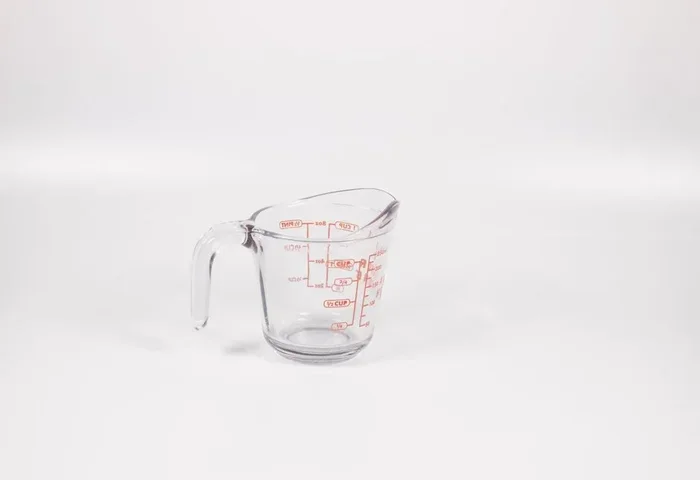
This is probably the number one mistake in home cooking. Liquid measuring cups and dry measuring cups are designed differently. Liquid cups are typically clear with a spout and measurement lines that go right to the rim. Dry measuring cups are solid and designed to be leveled off with a flat edge.
Using a dry measuring cup to measure water is awkward and inaccurate. You will likely spill or not fill the cup properly. Always use a liquid measuring cup for water and other liquids. It gives you a more precise reading and makes the process much smoother. If you are measuring coffee in a coffee maker, the same principle applies. Use the right tool for the right job.
Using the Wrong Size Cup
Not all cups are the same size. A standard US measuring cup holds 8 fluid ounces. But some mugs, cups, and drinking vessels hold more or less than that. If you are eyeballing water into a large coffee mug that holds 12 ounces, your “one cup” measurement is actually 1.5 cups.
This might not sound like a big deal for a single glass of water, but it adds up fast. Over the course of a day, those extra ounces can mean you are drinking more or less than you intended. Use proper measuring cups for accuracy, especially when cooking or tracking hydration.
Forgetting About Temperature and Expansion
Here is a subtle point that catches people off guard. Water expands when it freezes and contracts slightly when heated. The volume of a gallon of cold water is not exactly the same as a gallon of hot water, though the difference is small for everyday purposes. When you are boiling water in an Instant Pot or measuring water for a hot recipe, keep in mind that the volume can shift slightly with temperature changes.
For most home cooking and drinking purposes, this does not matter much. But if you are doing precision cooking or scientific experiments, it is worth noting. For general use, just remember that a gallon is a gallon, and 16 cups will get you there.
Tips for Tracking Your Daily Water Intake
Drinking enough water every day is one of the simplest things you can do for your health. But many people struggle to stay consistent. Having a system in place makes all the difference. Here are some practical tips to help you hit your daily water goals without even thinking about it.
- Use a gallon jug: Fill a 1-gallon water bottle in the morning. When it is empty, you have hit your goal of 16 cups.
- Set hourly reminders: Drink one cup of water every hour during your waking hours. That is 16 cups over 16 hours.
- Infuse your water: Add lemon, cucumber, or mint to make plain water more enjoyable. You will be more likely to drink it.
- Track it in an app: Many phone apps let you log your water intake in cups or ounces. Seeing your progress keeps you motivated.
- Pair water with meals: Drink one cup of water with each meal and snack. Three meals and two snacks equals five cups right there.
These small habits compound over time. Before long, drinking enough water becomes second nature. And the gallon-to-cups knowledge gives you a clear framework to work within.
How This Relates to Other Kitchen Measurements
Once you understand the gallon-to-cups relationship, other kitchen conversions become much easier. For example, if you know that 16 cups equal a gallon, you can easily figure out how much water you need for measuring coffee in a coffee maker or other daily kitchen tasks. The same logic applies when you are boiling water in an Instant Pot without a lid or scaling any recipe up or down.
Think of it as a building block for all your kitchen math. Start with the gallon and cups, and you can work outward to pints, quarts, fluid ounces, and even liters. This foundational knowledge makes you more efficient and confident in the kitchen. You will waste less food, save time, and enjoy better results from your cooking.
Quick Conversion Chart and Handy References
Here is a simple reference chart you can keep in mind or even print out and stick on your fridge. This covers the most common water volume conversions you will need in everyday life.
- 1 cup = 8 fluid ounces
- 2 cups = 1 pint (16 fluid ounces)
- 4 cups = 1 quart (32 fluid ounces)
- 8 cups = 1 half gallon (64 fluid ounces)
- 16 cups = 1 gallon (128 fluid ounces)
- 1 gallon = 3.785 liters
- 1 cup = approximately 237 milliliters
Keep this list handy. The more you reference it, the faster the numbers will become second nature. Within a week or two of using these conversions regularly, you will not need to think twice about how much water a gallon holds.
Water measurement is one of those fundamental kitchen skills that pays dividends in every area of cooking and health. Whether you are a beginner just learning the ropes or a seasoned home cook looking to sharpen your basics, mastering this simple conversion is well worth the effort.
Final Thoughts on How Many Cups Are in a Gallon
The answer is straightforward: there are 16 cups in a gallon of water. This single fact opens the door to better cooking, more accurate baking, smarter meal prep, and improved hydration habits. It is a small piece of knowledge that delivers big results.
Next time you are in the kitchen, try putting this into practice. Fill a gallon jug and pour it into cups to see the conversion in action. The hands-on experience will reinforce what you have learned here. And over time, you will find yourself reaching for this knowledge without even thinking about it.
Remember, the kitchen is all about building small habits that add up to big improvements. Understanding liquid volume and water conversion is one of those habits. It takes minutes to learn but serves you every single day. So go ahead, grab a glass, fill it up, and toast to your newfound measurement skills. Your cooking and your health will thank you.
Whether you are drinking water, brewing coffee, making soup, or preparing any recipe that involves liquid, you now have the knowledge to get it right. Sixteen cups in a gallon. Keep that number close, and you will never have to guess again.
Frequently Asked Questions
How many cups of water are in a gallon?
There are exactly 16 cups of water in one US liquid gallon. This is the standard measurement used in the United States for cooking, baking, and daily hydration tracking. Remembering “16 cups per gallon” makes kitchen math much simpler.
Is a gallon of water the same as 16 cups in all countries?
No, the US liquid gallon contains 16 cups. However, an imperial gallon, which is used in the United Kingdom and some other countries, is larger and holds approximately 20 cups. Always check which measurement system a recipe or guideline uses before converting.
How many ounces are in a gallon of water?
A US gallon of water contains 128 fluid ounces. Since one cup equals 8 fluid ounces, you can multiply 16 cups by 8 to get 128 ounces. This is useful when reading nutrition labels or using measuring tools marked in ounces.
Does drinking a gallon of water daily have health benefits?
Drinking a gallon of water per day can support hydration, digestion, energy levels, and skin health. However, individual water needs vary based on body size, activity level, climate, and overall health. Always listen to your body and consult a healthcare professional if you have specific concerns.
Can I use a regular drinking mug to measure a gallon of water?
You can, but it is not the most accurate method. A standard US measuring cup holds 8 fluid ounces, while a typical drinking mug may hold 12 ounces or more. Using proper measuring cups ensures your water measurements are precise, especially for recipes and hydration tracking.
How do I convert gallons to liters for water?
One US gallon equals approximately 3.785 liters. To convert gallons to liters, simply multiply the number of gallons by 3.785. This is helpful when following recipes from countries that use the metric system or when tracking water intake in liters.