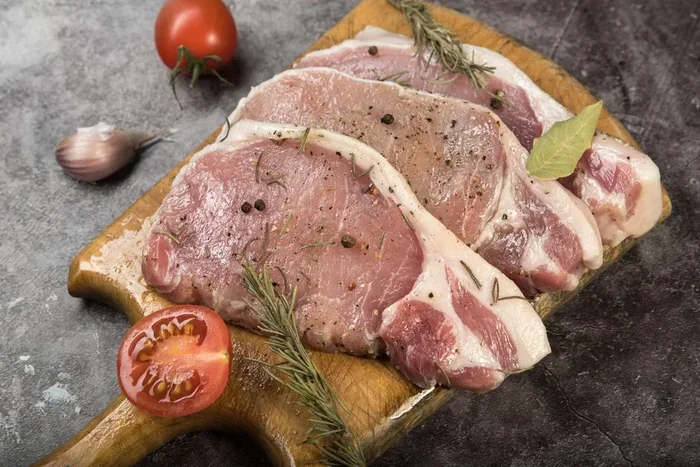
Discover the ultimate roasted pork loin recipe that delivers juicy, tender meat every single time. This straightforward guide walks you through seasoning, roasting, and resting techniques that guarantee spectacular results. Whether you are a beginner or a seasoned cook, you will find practical tips to elevate your pork loin roast game.
Key Takeaways
- Brining or marinating is the secret to juicy roasted pork loin every time.
- Cook to the right internal temperature (145°F) to keep the meat tender and safe.
- Rest the roast for 10 minutes before slicing to lock in the juices.
- Simple seasoning with herbs, garlic, and mustard creates incredible flavor.
- Sear before roasting for a beautiful crispy crust on your pork loin.
- Leftover roasted pork loin makes amazing sandwiches, salads, and stir-fries.
- High protein pork chop recipes like this one make weeknight dinners effortless.
📑 Table of Contents
- Why Roasted Pork Loin Is the Ultimate Weeknight Dinner
- What Makes Pork Loin Juicy and Tender
- Ingredients You Will Need for Perfect Roasted Pork Loin
- Step-by-Step Roasted Pork Loin Recipe
- Pro Tips for the Best Pork Loin Every Time
- Serving Suggestions and Meal Ideas
- Common Mistakes to Avoid
- Expert Insights on Cooking Pork Loin
- Frequently Asked Questions
- Conclusion
Why Roasted Pork Loin Is the Ultimate Weeknight Dinner
There is something magical about a roasted pork loin sitting on the dinner table. It looks impressive. It tastes incredible. And it is easier to make than you think.
Many people skip pork loin because they fear dry, tough meat. That fear is completely understandable. But with the right technique, your pork loin roast turns out perfectly juicy every single time.
This recipe is perfect for busy weeknights. It also shines on holidays and special occasions. The whole family will love it. Even picky eaters will come back for seconds.
Once you master this method, you will never order takeout again. You will have a reliable go-to dinner that takes under an hour from start to finish.
What Sets This Recipe Apart
Most pork loin recipes focus only on cooking time. This guide goes deeper. We cover brining, seasoning, searing, roasting, and resting. Every step matters.
The result? Meat that is moist, flavorful, and tender. A golden crust on the outside. A juicy pink center on the inside. That is the kind of pork loin you want to serve again and again.
What Makes Pork Loin Juicy and Tender
Understanding the science behind juicy meat helps you cook better. Let us break down what makes roasted pork loin turn out tender every time.
The Role of Moisture
Pork loin is a lean cut. That means it has less fat than other pork cuts. Less fat can mean drier meat if you are not careful.
But lean does not mean boring. With the right approach, you keep all the moisture locked inside. The key is to not overcook it.
Why Brining Works
Brining is the single best trick for juicy pork. Soaking the meat in a salt water solution helps it retain moisture during cooking.
Even a quick 30-minute brine makes a huge difference. The salt changes the protein structure. It lets the meat hold onto more water. The result is noticeably juicier slices.
Temperature Control Is Everything
Cooking pork loin at the right temperature is critical. Too high and the outside burns before the inside cooks. Too low and the meat dries out slowly.
The sweet spot is a moderate oven temperature around 400°F. This cooks the meat evenly. It also creates a beautiful sear on the outside.
Ingredients You Will Need for Perfect Roasted Pork Loin
Great roasted pork loin starts with simple, quality ingredients. You do not need anything fancy. Here is what you need:
- 1 boneless pork loin roast (about 2 pounds)
- 2 tablespoons olive oil for searing
- 4 cloves garlic minced finely
- 1 teaspoon smoked paprika for depth of flavor
- 1 teaspoon dried rosemary or fresh sprigs
- 1 teaspoon dried thyme
- 1 teaspoon salt and half a teaspoon black pepper
- 2 tablespoons Dijon mustard for a tangy crust
- 1 tablespoon honey for caramelization
- 1 cup chicken broth for the pan juices
Every ingredient has a purpose. The mustard creates a flavorful crust. The honey adds a touch of sweetness. The herbs bring freshness. Together they make a pork loin roast that is anything but ordinary.
If you want to experiment, try adding a splash of apple cider vinegar. It adds a bright note that cuts through the richness of the meat beautifully.
Step-by-Step Roasted Pork Loin Recipe
Now let us get cooking. This roasted pork loin recipe is straightforward and foolproof. Follow each step and you will nail it.
Step 1: Prep the Pork Loin
Remove the pork loin from the refrigerator 30 minutes before cooking. Let it come to room temperature. Cold meat cooks unevenly.
Pat the roast dry with paper towels. Dry meat sears better. It gets a nicer crust. Season generously with salt and pepper on all sides.
Step 2: Make the Marinade
Mix the olive oil, minced garlic, smoked paprika, rosemary, thyme, Dijon mustard, and honey in a small bowl. Stir until everything is combined.
Rub the mixture all over the pork loin. Get into every crevice. This coating does double duty. It adds flavor and helps create that gorgeous golden crust.
For the best results, let the marinated pork sit for at least 20 minutes. If you have more time, refrigerate it overnight. The flavors will penetrate deeper.
Step 3: Sear for a Perfect Crust
Heat a large oven-safe skillet over medium-high heat. Add a splash of olive oil. Once it shimmers, place the pork loin in the pan.
Sear for 3 to 4 minutes on each side. You want a deep golden brown color. This step is non-negotiable. Searing locks in moisture and builds incredible flavor.
Do not move the meat around while it sears. Let it do its thing. You will hear a satisfying sizzle. That means it is working.
Step 4: Roast in the Oven
After searing all sides, add the chicken broth to the skillet. It will sizzle and steam beautifully. Transfer the skillet to a preheated 400°F oven.
Roast for 20 to 25 minutes. Use a meat thermometer to check the internal temperature. You want it to reach 145°F in the thickest part.
Do not overcook. Pork loin dries out fast past 150°F. Pull it off the heat right at 145°F. The temperature will rise a few degrees while resting.
Step 5: Rest and Slice
This is the step most people skip. Do not skip it. Transfer the roasted pork loin to a cutting board and tent it loosely with foil.
Let it rest for 10 minutes. The juices redistribute throughout the meat. When you finally slice, every piece is moist and tender.
Slice against the grain into 1/2-inch thick pieces. Serve immediately with the pan drippings spooned over the top.
Pro Tips for the Best Pork Loin Every Time
Even experienced cooks can benefit from a few extra tricks. These tips will take your pork loin roast from good to absolutely outstanding.
Brine for Extra Juiciness
If you have the time, brine your pork loin before cooking. Dissolve 1/4 cup kosher salt in 4 cups of water. Submerge the roast for 1 to 2 hours.
This simple step transforms the texture of the meat. The pork becomes more forgiving during cooking. Even if you slightly overcook it, it stays juicier than unbrined meat.
Use a Meat Thermometer
A meat thermometer is the single best tool for perfect pork. Guessing leads to overcooked or undercooked meat. A thermometer removes all the guesswork.
Insert it into the thickest part of the roast. Avoid touching bone or fat. The target temperature is 145°F. Pull the meat when it hits 140°F and let it rest.
Do Not Skip the Rest
Resting is not just a suggestion. It is a crucial step. When hot meat sits on a cutting board, the juices relax and settle back into the fibers.
If you cut too early, all those juices run out onto the board. You lose all that moisture. Ten minutes of resting makes a dramatic difference.
Save the Pan Juices
The drippings left in the skillet are liquid gold. Strain them and use them as a simple pan sauce.
Add a splash of cream or a knob of butter. Whisk over medium heat for a few minutes. Drizzle this over your sliced pork loin. It adds richness and depth that store-bought sauces simply cannot match.
Serving Suggestions and Meal Ideas
A perfect roasted pork loin deserves great sides. Here are some pairing ideas that make the meal complete.
Best Side Dishes
- Crispy roasted potatoes tossed with rosemary and garlic
- Steamed green beans with a squeeze of lemon
- Creamy mashed potatoes for a comforting classic
- Roasted root vegetables like carrots and parsnips
- Simple mixed green salad with a light vinaigrette
For a complete meal, pair the pork with roasted sweet potatoes and sautéed kale. The sweetness of the potatoes complements the savory pork beautifully.
Leftover Ideas
Do not let leftovers go to waste. Roasted pork loin reheats wonderfully and makes fantastic next-day meals.
Slice the leftovers and toss them into a stir-fry with vegetables and soy sauce. Use them in sandwiches with coleslaw and a drizzle of BBQ sauce. Chop them up and add to scrambled eggs for a protein-packed breakfast.
If you love exploring different ways to use leftover meat, check out our 20 Leftover Pork Chop Recipe Ideas for more inspiration.
For families looking for easy weeknight meals, our 17 Slow Cooker Pork Chop Recipes for Families offers plenty of additional ideas to keep dinner exciting.
Common Mistakes to Avoid
Even the best recipes can go wrong if you make common errors. Here is what to watch out for when cooking roasted pork loin.
Overcooking the Meat
This is the number one mistake. Pork loin is lean and has very little fat to protect it from drying out. Once it passes 150°F, the moisture starts escaping quickly.
Set a timer. Check the temperature frequently. And remember, the meat continues cooking after you pull it from the oven. Factor in that carryover cooking.
Skipping the Sear
Some people go straight from the marinade to the oven. Do not do this. Searing creates a flavorful crust through the Maillard reaction.
That golden brown exterior adds texture and depth. It is what separates a mediocre pork loin from an extraordinary one.
Using Too Much Heat
A scorching hot oven might seem like a shortcut. But high heat dries out lean pork loin before the center has a chance to cook evenly.
Stick to 400°F for the best results. This temperature cooks the meat gently while still developing a beautiful crust on the outside.
Not Letting the Meat Rest
We mentioned this before because it is so important. Cutting into a hot pork loin releases all the juices immediately.
Give it time. Ten minutes is all it takes. Your patience will be rewarded with slices that are juicy and tender instead of dry and bland.
Expert Insights on Cooking Pork Loin
Professional chefs share a few secrets that elevate pork loin roast from ordinary to restaurant quality.
Chef Michael Ruhlman once said that the secret to great pork is patience. Let the meat come to room temperature before cooking. Do not rush the sear. And always, always rest the meat.
Another expert tip is to tie the pork loin with kitchen twine before searing. This helps it cook evenly and holds its shape. It also makes slicing easier and more uniform.
For those who love bold flavors, try adding a rub with cumin and chili powder. This gives the pork a southwestern twist that pairs beautifully with corn salsa and avocado.
If you enjoy exploring different pork recipes, our 13 Boneless Pork Chop Recipes That Are Juicy Tender collection offers plenty of variety for your next dinner.
For a healthier twist, our 14 High Protein Pork Chop Recipes for Dinner page has great options that keep the protein high while keeping meals interesting.
Frequently Asked Questions
How long does it take to roast a pork loin?
A 2-pound roasted pork loin takes about 45 minutes total. That includes 10 minutes of searing and 20 to 25 minutes of roasting. Always use a meat thermometer to check for doneness at 145°F internal temperature.
Should I cover the pork loin while roasting?
No, roast the pork loin uncovered. This allows the outside to develop a crispy golden crust. Covering traps steam and prevents browning. The uncovered method gives you the best texture and flavor.
Can I use a bone-in pork loin for this recipe?
Yes, but adjust the cooking time. Bone-in roasts take about 5 to 10 minutes longer. The bone slows heat transfer to the center. Use a meat thermometer and check the temperature near the bone for accuracy.
What temperature should pork loin be when done?
The USDA recommends an internal temperature of 145°F for pork. This ensures the meat is safe to eat while remaining juicy and tender. Let the temperature reach 140°F before pulling it from the oven and allow carryover cooking to bring it up to 145°F.
How do I keep pork loin from drying out?
Brine the meat before cooking, do not overcook it, and always let it rest for 10 minutes before slicing. These three steps make the biggest difference in keeping your pork loin roast moist and tender.
Can I freeze leftover roasted pork loin?
Absolutely. Wrap the sliced pork loin tightly in plastic wrap and foil. Store in an airtight container or freezer bag. It keeps well for up to 3 months. Reheat gently in the oven or microwave to prevent drying out.
Conclusion
A perfectly cooked roasted pork loin is one of the most satisfying things you can make at home. It is simple, elegant, and incredibly delicious.
The secret is in the details. Brine or marinate for moisture. Sear for a beautiful crust. Roast at the right temperature. And always rest before slicing.
Once you try this roasted pork loin juicy tender recipe, it will become a staple in your kitchen. It works for weeknight dinners and holiday feasts alike.
Your family and guests will rave about it. And you will feel proud knowing you created something truly special from scratch. So grab a pork loin, fire up your oven, and get cooking tonight.