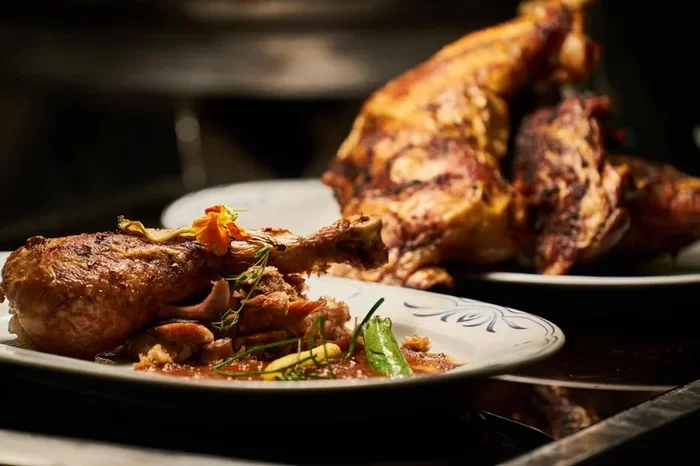
Our turkey roasting time and temperature chart gives you everything you need to cook a perfect turkey with confidence. Learn the right roasting times, safe internal temperatures, and simple tips for a juicy golden bird. Whether you are a first-time cook or looking to improve your results, this guide covers it all.
Roasting a turkey can feel intimidating, especially if you have never done it before. There is so much to think about. What temperature should you use? How long does it actually take? And how do you know when it is done?
The good news is that a turkey roasting time and temperature chart takes all the guesswork out of the process. With the right chart and a few simple tips, you can roast a turkey that is juicy, golden, and full of flavor. This guide breaks everything down in a way that is easy to follow, even if you are a complete beginner.
Whether you are planning a Thanksgiving dinner or a Sunday roast for the family, knowing your roasting temperature and timing is the key to success. Let us walk through everything you need to know, step by step.
Key Takeaways
- Roast at 325°F for the safest and most even cooking results
- Plan for about 13 minutes per pound for an unstuffed turkey
- Always use a meat thermometer to check the internal temperature
- Let the turkey rest for at least 20 minutes before carving
- A stuffed turkey needs extra cooking time compared to an unstuffed one
- Covering the turkey with foil partway through prevents over-browning
📑 Table of Contents
- Why a Turkey Roasting Chart Matters
- Turkey Roasting Time and Temperature Chart
- How to Choose the Right Turkey Size
- Step-by-Step Turkey Roasting Guide
- Turkey Roasting Time and Temperature for Different Methods
- Common Turkey Roasting Mistakes to Avoid
- Tips for a Juicy and Golden Turkey
- Frequently Asked Questions
- Final Thoughts
Why a Turkey Roasting Chart Matters
A turkey cooking chart is one of the most helpful tools you can have in the kitchen. It tells you exactly how long to cook your bird based on its weight. Without a chart, it is easy to undercook or overcook the turkey, and nobody wants a dry bird on the table.
Here is why using a chart works so well:
- It removes guesswork. You do not have to wonder if your turkey is done.
- It saves time. You can plan your whole meal around the roasting schedule.
- It improves food safety. Knowing the right internal temperature helps you avoid undercooking.
- It gives consistent results. Every time you roast, you get better outcomes.
Think of a roast turkey recipe chart as your personal cooking coach. It guides you from start to finish so you can focus on enjoying the process instead of worrying about the outcome.
Turkey Roasting Time and Temperature Chart
The most important numbers to remember are the roasting temperature and the time per pound. Most experts agree that 325°F is the best temperature for roasting a turkey. This heat level cooks the bird evenly and keeps it moist.
Basic Turkey Roasting Time Chart
Here is a simple breakdown based on turkey weight. These times are for an unstuffed turkey roasted at 325°F:
- 8 to 12 pounds: About 2 hours 45 minutes to 3 hours
- 12 to 14 pounds: About 3 to 3 hours 45 minutes
- 14 to 18 pounds: About 3 hours 45 minutes to 4 hours 15 minutes
- 18 to 20 pounds: About 4 hours 15 minutes to 4 hours 45 minutes
- 20 to 24 pounds: About 4 hours 45 minutes to 5 hours 15 minutes
These are general guidelines. Every oven is different, and the actual turkey roasting time can vary. That is why a meat thermometer is your best friend in the kitchen.
Internal Temperature Guide
The turkey internal temperature is the real indicator of doneness. Here is what you should aim for:
- Breast meat: 165°F (74°C)
- Thigh meat: 175°F (79°C)
- Drumsticks: 175°F (79°C)
- Stuffing (if inside the turkey): 165°F (74°C)
Always insert the thermometer into the thickest part of the thigh and the thickest part of the breast. Avoid touching the bone, as this can give you a false reading. A reliable instant-read thermometer makes this step quick and easy.
How to Choose the Right Turkey Size
Picking the right size turkey is the first step. If the bird is too small, you may run out. If it is too big, it may not fit in your oven or cook evenly.
Sizing Guide for Different Group Sizes
- 4 to 6 people: 8 to 10 pounds
- 6 to 8 people: 12 to 14 pounds
- 8 to 10 people: 14 to 18 pounds
- 10 to 14 people: 18 to 22 pounds
- 14 or more people: 22 to 24 pounds
Remember to account for about 1 to 1.5 pounds per person. This includes the bone weight, so you get a good amount of meat per serving. If you love leftovers, go a little bigger.
Also, keep in mind that larger turkeys take significantly longer to roast. A 24-pound bird can take over 5 hours. Make sure you plan ahead and have enough time on your cooking day.
Step-by-Step Turkey Roasting Guide
Now that you understand the chart, let us walk through the actual roasting process. Following these steps will help you get the best results every time.
Step 1: Prep the Turkey
Take the turkey out of the refrigerator about 1 hour before roasting. This lets it come to room temperature, which helps it cook more evenly. Remove the giblets and neck from the cavity, and pat the bird dry with paper towels. Dry skin crisps up better in the oven.
Step 2: Season Generously
Season the inside of the turkey with salt and pepper. You can also add herbs like thyme, rosemary, or sage. Rub butter or olive oil over the outside of the bird to help the skin turn golden and crispy.
Step 3: Stuff or Leave Unstuffed
Some people love stuffing their turkey, while others prefer to cook it separately. If you stuff the turkey, add about 15 extra minutes to the roasting time. The stuffing must reach 165°F to be safe to eat.
Step 4: Place in the Roasting Pan
Set the turkey breast-side up in a roasting pan. You can add vegetables like onions, carrots, and celery to the bottom of the pan. They add flavor to the drippings and keep the bird elevated for better air circulation.
If you want even browning, consider placing a pizza stone for grill and oven under the roasting pan. This helps distribute heat more evenly around the turkey.
Step 5: Roast and Monitor
Put the turkey in the oven and roast according to the chart. Baste the bird every 45 minutes or so to keep it moist. About two-thirds of the way through cooking, you can loosely tent the turkey with foil if the skin is getting too dark.
Step 6: Check the Temperature
In the last 30 minutes of cooking, start checking the internal temperature. The turkey is done when it reaches the safe temperatures listed above. Remember that the temperature will rise a few more degrees after you take it out of the oven.
Step 7: Let It Rest
This step is super important. Let the turkey rest for at least 20 to 30 minutes before carving. This allows the juices to redistribute throughout the meat, making it much juicier and easier to slice. If you are wondering how to keep the turkey warm during this resting period, you can find helpful tips on how to keep a turkey warm in the oven.
Turkey Roasting Time and Temperature for Different Methods
Not all turkey roasting is the same. Different methods can change your cooking time and temperature slightly. Here is a quick look at the most common approaches.
Traditional Oven Roasting
This is the most common method. Roast at 325°F and follow the time chart above. This method works well for most turkey sizes and gives you a beautifully even cook with crispy skin.
Roasting with a Bag
Some cooks use roasting bags to trap moisture and speed up cooking. A turkey roasted in a bag can cook about 20 to 30 minutes faster than one roasted without a bag. The skin may not get as crispy, but the meat stays very moist.
Covered vs. Uncovered Roasting
Roasting the turkey covered with foil for the first part of cooking traps steam and keeps the meat tender. You can then remove the foil for the last 30 to 45 minutes to crisp up the skin. If you want to keep moisture in while covering, you can use best high temperature plastic wrap for cooking as a seal over the pan before adding foil.
| Method | Temperature | Time Per Pound | Notes |
|---|---|---|---|
| Traditional Oven (unstuffed) | 325°F | 13 minutes | Most reliable and even cooking |
| Traditional Oven (stuffed) | 325°F | 15 minutes | Add 15 minutes per pound |
| Roasting Bag | 325°F | 11 minutes | Faster, juicier, less crispy skin |
| Covered then Uncovered | 325°F | 13 minutes | Best of both worlds for moisture and crispness |
Common Turkey Roasting Mistakes to Avoid
Even experienced cooks sometimes make mistakes when roasting a turkey. Here are the most common ones and how to avoid them.
- Not using a meat thermometer. Relying on time alone is not enough. Ovens vary, and the only way to know for sure is with a thermometer.
- Roasting at too high a temperature. High heat dries out the turkey before the inside is cooked. Stick with 325°F for the best results.
- Skipping the resting time. Cutting into the turkey right away lets all the juices run out. Be patient and let it rest.
- Over-stuffing the cavity. Too much stuffing blocks heat from reaching the center, which can lead to uneven cooking.
- Forgetting to bring the turkey to room temperature. A cold turkey going into a hot oven cooks unevenly. Give it at least one hour on the counter first.
- Not basting regularly. Basting keeps the turkey moist and helps develop even browning. Set a timer to remind yourself.
Tips for a Juicy and Golden Turkey
Roasting a turkey that looks great and tastes amazing is easier than you think. Here are some proven tips that make a real difference.
Brine the Turkey Overnight
Brining is the process of soaking the turkey in a saltwater solution. It helps the meat absorb moisture, which makes the final result much juicier. A simple brine of water, salt, sugar, and bay leaves works wonders. Brine for 12 to 24 hours before roasting for the best results.
Use Compound Butter
Mix softened butter with garlic, herbs, and a little lemon zest. Slide some of this compound butter under the skin of the breast before roasting. It adds incredible flavor and keeps the breast meat moist throughout cooking.
Let the Turkey Come to Room Temperature
Take the turkey out of the fridge about 60 minutes before it goes in the oven. This small step helps the bird cook more evenly from edge to center.
Use a Roasting Rack
A roasting rack lifts the turkey off the bottom of the pan. This allows hot air to circulate around the entire bird, which promotes even cooking and crispier skin. If you do not have one, you can use chopped vegetables as a stand.
Save the Drippings
The drippings at the bottom of the pan are liquid gold. Use them to make gravy, or save them for other recipes. If you are looking for leftover ideas, a hearty ham and bean soup recipe can be a great way to use up leftovers from your feast.
Frequently Asked Questions
How long does it take to roast a 12-pound turkey?
A 12-pound unstuffed turkey roasted at 325°F takes about 3 to 3 hours and 45 minutes. Always use a meat thermometer to confirm the internal temperature has reached 165°F in the thickest parts of the bird.
What is the best temperature to roast a turkey?
The best temperature to roast a turkey is 325°F. This moderate heat cooks the bird evenly without drying out the meat. Higher temperatures may brown the skin faster but can leave the inside undercooked or dry.
Should I roast my turkey covered or uncovered?
A good approach is to roast the turkey covered with foil for most of the cooking time, then uncover it for the last 30 to 45 minutes. This keeps the meat moist while allowing the skin to crisp up beautifully.
How do I know when the turkey is done?
The turkey is done when the internal temperature reaches 165°F in the breast and 175°F in the thigh. Use a meat thermometer inserted into the thickest part of each area, avoiding the bone for an accurate reading.
Can I roast a frozen turkey?
Yes, you can roast a turkey from frozen, but it will take about 50 percent longer than a thawed bird. The USDA recommends thawing the turkey in the refrigerator for safety and better cooking results. Plan for 24 hours of thawing time for every 4 to 5 pounds.
How long should the turkey rest before carving?
Let the turkey rest for at least 20 to 30 minutes after taking it out of the oven. This resting period allows the juices to settle back into the meat, making it juicier and much easier to carve clean slices.
Final Thoughts
Roasting a turkey does not have to be scary. With a reliable turkey roasting time and temperature chart, a little planning, and a few simple tips, you can serve a stunning roast turkey that your whole family will love. The key is to be patient, use a thermometer, and let the bird rest before you carve it.
Start with the right size bird, follow the timing guide, and trust the process. Each time you roast, you will get a little better. Before you know it, you will be the person everyone turns to for the perfect Thanksgiving turkey or holiday roast.
Remember, the best roast turkey recipe is the one that works for you. Experiment with seasonings, try different methods, and most importantly, enjoy the process. Happy roasting!