Air fryers typically use less energy than traditional ovens because they heat up faster and cook food more quickly. Smaller cooking spaces mean less power waste and better efficiency for everyday meals. If you want to lower your monthly electricity bill, switching to an air fryer for smaller portions makes smart sense. However, large family meals may still require a full-sized oven for best results.
If you have ever stood in your kitchen wondering which appliance drains more power, you are not alone. Many home cooks ask the same question every day. The answer depends on how you cook, what you cook, and how often you use each machine. Both appliances have their strengths, and both can fit into a smart kitchen routine.
Understanding energy use helps you make better choices. It also helps you keep your utility bills under control. Small changes in cooking habits can add up over time. In this guide, we will break down the differences in simple terms. You will learn how each appliance works, when one saves more power, and how to get the best results from both.
Let’s start with the basics. A traditional oven heats a large enclosed space. An air fryer uses a compact basket and a powerful fan. That simple difference changes everything. It affects speed, heat distribution, and the amount of electricity needed to finish a meal. Once you see how they compare, choosing the right tool becomes much easier.
Key Takeaways
- Air fryers generally consume less electricity than standard ovens due to faster preheating and shorter cook times.
- Smaller cooking chambers improve energy efficiency by focusing heat directly on the food instead of warming a large cavity.
- Ovens remain more practical for large batches, roasting, and baking multiple dishes at once.
- Cooking time and temperature settings play a major role in overall power consumption for both appliances.
- Using the right appliance for the job helps you save money without sacrificing meal quality.
- Regular maintenance and proper airflow keep both ovens and air fryers running at peak efficiency.
📑 Table of Contents
- What Uses More Energy Oven or Air Fryer in Daily Cooking
- How an Air Fryer Uses Electricity Compared to an Oven
- Oven Energy Consumption and When It Makes Sense
- Factors That Change Energy Use for Both Appliances
- Tips to Lower Power Use While Cooking
- Common Mistakes That Waste Energy in the Kitchen
- Expert Insights on Appliance Efficiency
- Final Thoughts on What Uses More Energy Oven or Air Fryer
What Uses More Energy Oven or Air Fryer in Daily Cooking
When people compare power use, they usually want a clear answer. The short version is that air fryers often use less electricity for smaller meals. They reach cooking temperature quickly. They also cook food faster because hot air moves around the food at high speed. That means the heating element runs for a shorter time.
Ovens work differently. They need more time to preheat. They also hold a much larger space, which takes more energy to warm evenly. Even when you cook a single dish, the oven still heats a big cavity. That extra space can lead to higher power use, especially for quick meals or small portions.
That said, the gap is not always huge. A modern oven can be fairly efficient, especially if you keep the door closed and avoid repeated temperature checks. An air fryer can also lose efficiency if you overfill the basket or run it for very long periods. The real winner depends on the task at hand.
How Cooking Time Affects Power Use
Time matters a lot. The longer an appliance runs, the more electricity it uses. Air fryers usually cook faster because they rely on intense convection. That strong airflow browns food and speeds up heating. If you are making fries, chicken pieces, or reheated leftovers, the shorter cycle often means lower energy use.
Ovens often need longer bake times. They are better suited for casseroles, large roasts, and baked goods that need steady heat. In those cases, the oven may run longer, but it handles the job in one go. So the comparison changes based on the recipe. A quick snack favors the air fryer. A full dinner may favor the oven.
How Size and Space Change Efficiency
Size plays a big role in efficiency. A smaller appliance heats a smaller volume of air. That usually means less energy waste. An air fryer focuses heat on a limited amount of food. A standard oven must warm shelves, walls, and a much larger interior. If you only need to cook a few servings, the oven can feel like using a large tool for a small job.
On the other hand, capacity matters when feeding a family. If you need to roast vegetables, bake a tray of cookies, and cook a main dish all at once, the oven makes more sense. Using two or three separate air fryer batches could actually use more total energy. The best choice depends on how much food you prepare at one time.
How an Air Fryer Uses Electricity Compared to an Oven
Air fryers are built around speed and circulation. They use a heating element and a strong fan to move hot air rapidly around the food. This design helps food cook evenly and crisp up faster. Because the cooking chamber is compact, the appliance does not need to warm a large area. That design usually leads to lower power draw for everyday meals.
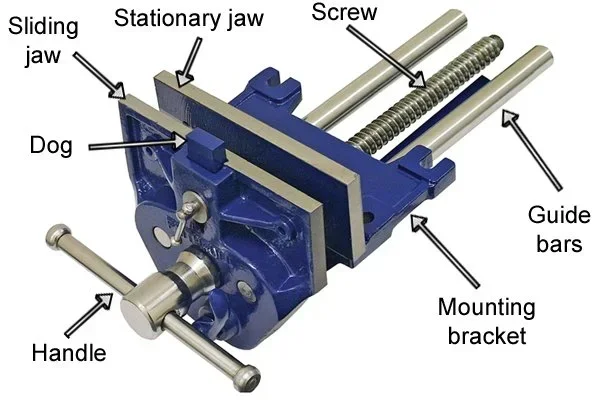
Visual guide about air fryer vs oven energy
Image source: wonkeedonkeetools.co.uk
Most air fryers also preheat very quickly. Some models barely need a preheat at all. That saves time and reduces the amount of electricity used before cooking even starts. For busy weeknights, that quick startup is a real advantage. You can put food in sooner and finish the meal faster.
Still, air fryers are not magic. They work best when food has room to breathe. Overcrowding can reduce airflow and extend cook time. If you have to cook in several rounds, the energy savings shrink. The appliance remains efficient, but only when used the right way.
Why Hot Air Circulation Matters
Good airflow is the secret behind faster cooking. When hot air moves constantly around the food, heat transfers more efficiently. That means the surface of the food browns sooner and the inside cooks more quickly. This is why air fryers can often match oven results with less running time.
In an oven, airflow can be gentler unless you use a convection setting. Even then, the oven’s larger size changes the equation. The fan helps, but the cavity still needs to stay hot for the full cooking period. If you want crisp results with less runtime, the air fryer’s compact design often has the edge.
When an Air Fryer Saves the Most Power
An air fryer saves the most energy when you cook smaller portions and want quick results. Think frozen snacks, vegetables, small cuts of protein, or reheating leftovers. These tasks do not need a large oven space. They also benefit from shorter cooking cycles. If your goal is convenience and lower power use, the air fryer is a strong choice.
It also helps when you avoid unnecessary preheating. Many air fryer recipes work well with a short warm-up or none at all. That cuts down on idle power use. If you keep the basket clean and maintain good airflow, the appliance can stay efficient meal after meal.
Oven Energy Consumption and When It Makes Sense
Ovens remain a kitchen workhorse for a reason. They handle larger meals, more delicate bakes, and recipes that need steady heat over time. A standard oven can hold temperature well, which is useful for roasting, baking, and multi-dish cooking. That reliability comes with a different energy profile.
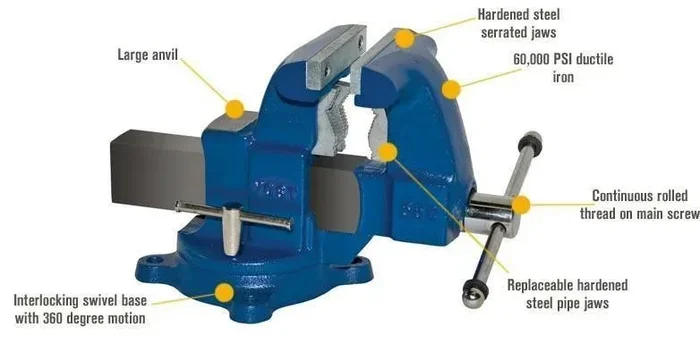
Visual guide about air fryer vs oven energy
Image source: i.pinimg.com
Because ovens are larger, they usually draw more power during preheating and cooking. The exact amount depends on the model, insulation, and how often the door opens. Every time the door opens, heat escapes. That forces the oven to work harder to recover the lost temperature. Good habits can reduce waste, but the base energy use is still higher than a compact air fryer for many small tasks.
For bigger meals, though, the oven can be the smarter option. Cooking everything together in one cavity may use less total energy than running multiple air fryer cycles. If you are preparing several servings or a large roast, the oven’s capacity becomes an advantage rather than a drawback.
Convection Ovens and Their Impact
Convection ovens add a fan to move air around the cavity. That helps food cook more evenly and can shorten cook time a bit. If your oven has this feature, you may see better efficiency than with a standard bake mode. It is a useful middle ground for people who want oven versatility with slightly better performance.
Even with convection, the oven still heats a larger space than an air fryer. So while it may improve results and reduce time, it does not always beat a compact appliance for small portions. The best approach is to match the tool to the meal. Use the oven when volume matters. Use the air fryer when speed and smaller batches matter more.
Large Batches and Family Meals
Big cooking jobs change the comparison. A family dinner often needs more than a single tray of food. In that case, the oven can cook more at once. That reduces the need for repeated batches. If you tried to do the same amount of food in an air fryer, you might run it several times in a row. More cycles can mean more total electricity used.
Planning helps here. If you know you are cooking for several people, group compatible items together. Use the oven for the main dish and side dishes that fit well together. Save the air fryer for quick extras or smaller snacks. That balanced approach keeps cooking efficient and practical.
Factors That Change Energy Use for Both Appliances
Energy use is not fixed. It shifts based on temperature, cook time, food quantity, and kitchen habits. Two people can use the same appliance and get different results. The main idea is simple: the less time and waste involved, the less power you use.
Visual guide about air fryer vs oven energy
Image source: redboxtools.com
Temperature settings matter too. Very high heat can cook food faster, but it may also increase power draw during the cycle. Lower temperatures can take longer. The best setting is the one that matches the recipe without extra running time. Efficiency comes from using the right heat level, not just the lowest one.
Door opening is another big factor for ovens. Each peek lets heat out. That makes the oven recover temperature more often. Air fryers usually stay closed during cooking, which helps them hold heat better in their small chamber. Keeping the cooking environment stable is one of the easiest ways to reduce waste.
Temperature Settings and Preheating
Preheating is useful for some recipes, but it also uses power before the food even goes in. Air fryers usually need very little preheating. Ovens often benefit from it, especially for baked goods or foods that need a strong initial heat. If you preheat only when necessary, you avoid wasting energy on meals that do not need it.
You can also save power by avoiding extreme temperature changes. If a recipe can tolerate a moderate temperature, you may not need to push the appliance harder than necessary. The goal is to cook food properly, not to use more heat than the dish requires. Small adjustments can make a noticeable difference over time.
Door Opening and Heat Loss
Heat loss is one of the easiest problems to fix. Try to keep the oven closed as much as possible. Use the light and window if your oven has one. Trust the timer instead of checking every few minutes. Those habits help the oven hold temperature and reduce extra work.
Air fryers also benefit from staying closed. Opening the basket too often interrupts airflow and can extend cooking time. If you need to check food, do it quickly. The less you disturb the cooking environment, the more efficiently the appliance can do its job.
Tips to Lower Power Use While Cooking
You do not need to choose just one appliance to save energy. You can use both wisely. The trick is to match the method to the meal and avoid unnecessary waste. A few simple habits can improve efficiency without changing your favorite recipes.
Start by planning your cooking. If you have several items to prepare, group them when possible. Use the oven for larger loads. Use the air fryer for quicker, smaller tasks. That way, you are not running extra cycles or heating empty space. Good planning saves time and power at the same time.
Keep your appliances clean and in good shape. Grease and food buildup can affect airflow and heat transfer. A clean basket or tray helps hot air move the way it should. It also makes cooking more consistent. Maintenance is not glamorous, but it supports better performance and better efficiency.
Batch Cooking and Smart Scheduling
Batch cooking is one of the best ways to reduce waste. If you are already heating the oven, use it for more than one dish when possible. Roast vegetables while a main item cooks. Bake sides together with dinner if the temperatures align. That makes the most of the energy already being used.
With an air fryer, batching works differently. You can cook similar items back to back without long gaps. That keeps the appliance warm and may reduce total runtime. Just avoid overfilling the basket. Good airflow still matters, even when you are trying to save time.
Choosing the Right Appliance for the Meal
The right choice depends on portion size, texture, and timing. For crispy snacks and quick meals, the air fryer often fits better. For casseroles, baked pastries, and large roasts, the oven usually works better. When you use each appliance for what it does best, you get better results with less wasted effort.
If you are deciding between the two, ask a few simple questions. How much food am I cooking? Do I need crisping or browning? Will I need to cook in batches? The answers will guide you toward the more efficient option for that specific meal.
Common Mistakes That Waste Energy in the Kitchen
Even small habits can raise power use without you noticing. One common mistake is preheating when it is not needed. Another is opening the oven door too often. Both actions force the appliance to spend extra energy recovering heat. Avoiding these habits is easy and pays off over time.
Overcrowding is another issue, especially with air fryers. When food blocks airflow, cooking takes longer. Longer cooking means more electricity. Leaving space around the food helps the appliance work the way it was designed to. It also improves texture and browning.
Using the wrong appliance for the job can also waste energy. If you run multiple air fryer cycles for a large meal, you may end up using more power than a single oven session. If you heat a big oven just for a tiny snack, you may be using more than you need. Matching the task to the tool keeps everything balanced.
Overcrowding the Basket or Oven
Crowding reduces efficiency in both appliances. In an air fryer, it limits airflow. In an oven, too many dishes can block heat circulation if they are packed too tightly. Give food room to breathe. That helps it cook evenly and reduces unnecessary extra time.
If you have a lot to cook, split it into sensible rounds. Keep the batches reasonable. That way, you protect airflow and avoid extending the cooking cycle longer than needed.
Using the Wrong Appliance for the Job
A mismatch can cost you time and power. A tiny portion does not need a large oven. A large meal may not be ideal for a small basket. Think about the amount of food and the desired result before you start. The right fit usually means less waste and better cooking.
This is where smart kitchen habits really help. When you treat each appliance as a tool with a specific strength, you make better decisions. That leads to smoother cooking and lower overall energy use.
Expert Insights on Appliance Efficiency
Cooking efficiency is less about one perfect appliance and more about using each one well. The most efficient kitchen is the one that matches the tool to the task. Air fryers shine with quicker, smaller, crispier meals. Ovens shine with larger, slower, more flexible cooking jobs. When you understand those strengths, you can plan better and waste less.
Another useful insight is that consistency matters. Stable temperatures, clean surfaces, and sensible batch sizes all support better performance. You do not need complicated tricks to improve efficiency. You just need steady habits and a little planning. Over time, those choices can make cooking easier on your wallet and your schedule.
It also helps to remember that the best appliance is the one that fits your real life. If you cook often for one or two people, an air fryer may be the more practical everyday option. If you host family dinners or bake regularly, the oven may stay essential. Both can belong in the same kitchen, and both can be used efficiently when you know their limits.
Final Thoughts on What Uses More Energy Oven or Air Fryer
So, what uses more energy oven or air fryer? In many everyday situations, the air fryer uses less electricity because it heats faster, cooks quicker, and works in a smaller space. For small portions and crispy foods, it is often the more efficient pick. For larger meals, the oven can still be the better choice because it handles more food at once.
The smartest approach is to use both appliances with purpose. Keep preheating to what the recipe truly needs. Avoid opening the door too often. Do not overcrowd the basket or oven. Plan your cooking so you make the most of each cycle. Those simple habits help you save power without giving up the meals you enjoy.
When you think about it, efficiency is really about fit. The right appliance for the right meal makes cooking smoother and less wasteful. If you keep that in mind, you can choose confidently and cook with less worry about energy use.
Frequently Asked Questions
Does an air fryer use less electricity than an oven?
Yes, an air fryer usually uses less electricity for smaller meals because it heats faster and cooks food in a shorter time. The smaller cooking space also means less energy is wasted warming a large cavity.
Why does an oven use more energy than an air fryer?
An oven typically uses more energy because it has to heat a larger interior and often needs a longer preheat time. It also loses heat when the door opens, which makes the appliance work harder to maintain temperature.
Can using an air fryer lower my electric bill?
It can help if you use it for smaller, quicker meals instead of heating a full oven for every dish. The savings are biggest when you cook portions that fit well in the basket and avoid running multiple long cycles.
Is a convection oven more efficient than a regular oven?
A convection oven can be more efficient because the fan moves hot air around and may shorten cook time. It still heats a larger space than an air fryer, so it is not always the most efficient choice for very small portions.
Should I use an air fryer or an oven for a large family meal?
For a large family meal, the oven is often the better option because it can cook more food at once. Using the air fryer for a big batch may require several rounds, which can increase total energy use.
What is the easiest way to save energy while cooking?
The easiest way is to match the appliance to the meal and avoid unnecessary preheating or frequent door opening. Cooking in sensible batches and keeping the appliance clean also helps both ovens and air fryers run more efficiently.