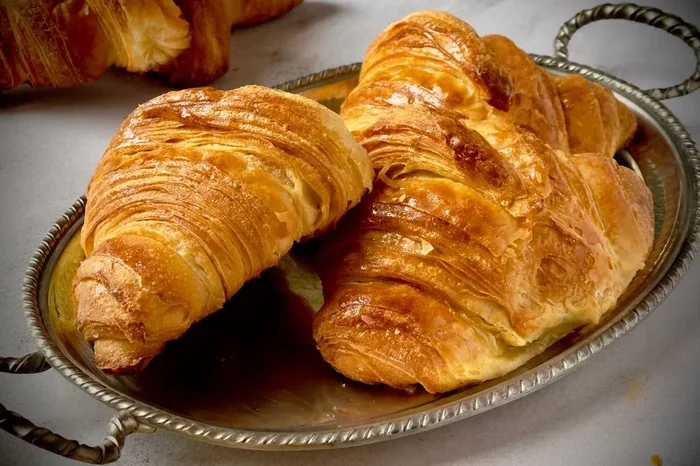
The croissant was originally made in Austria as the kipferl before it traveled to France and transformed into the flaky, buttery pastry we love today. This buttery, layered pastry has a rich history that spans centuries and crosses borders, evolving from a simple crescent-shaped bread into a global breakfast staple. Understanding where croissants originally came from gives you a deeper appreciation for every golden, flaky bite you take.
Have you ever bit into a warm, flaky croissant and wondered about its origins? The answer might surprise you. Where were croissants originally made is a question that takes us on a journey through centuries of baking tradition, cross-cultural exchange, and culinary innovation.
The croissant is one of the most beloved breakfast pastries in the world. Its buttery layers, golden crust, and delicate crunch make it a favorite for millions. But behind this elegant pastry lies a story that stretches from the streets of Vienna to the bakeries of Paris. The croissant history is richer and more fascinating than most people realize.
Many people assume the croissant is purely French. After all, France is the home of great baking tradition and artisan French bakery culture. But the truth is that the croissant has Austrian roots. It began as a simple crescent-shaped bread called the kipferl. Over time, it evolved into the laminated, butter-rich pastry we know and love today. Understanding this journey helps us appreciate every bite even more.
Key Takeaways
- Croissants originated in Austria: The early form, called the kipferl, predates the French croissant by centuries.
- The Ottoman siege of Vienna sparked the legend: Bakers played a heroic role in alerting the city to a nighttime attack.
- Paris transformed the kipferl into the croissant: French bakers perfected the laminated dough technique that creates the flaky layers.
- The crescent shape has symbolic roots: It may represent the crescent moon on the Ottoman flag or simply a traditional pastry shape.
- Modern croissants use laminated dough: This technique of folding butter into dough creates the signature airy, flaky texture.
- Croissants are now a global breakfast favorite: They have evolved into countless variations enjoyed around the world.
📑 Table of Contents
The Austrian Origins of the Croissant
The story of the croissant begins in Austria. Long before it became a symbol of French morning pastry culture, the kipferl was a humble Viennese bread. The name kipferl means “crescent” in German. This simple bread was shaped like a crescent moon and baked with basic ingredients like flour, water, and yeast.
The Kipferl: A Simple Crescent Bread
The kipferl was not a flaky, buttery pastry. It was more like a dense, bread-like roll. Bakers shaped the dough into a crescent form, which gave it its distinctive look. This shape had cultural and symbolic meaning. The crescent moon was a common motif in Central European baking and was associated with good luck and celebration.
The kipferl was enjoyed as a everyday bread in Austrian households. It was not a luxury item. It was simple, satisfying, and easy to make. Bakers in Vienna had been making this pastry for generations before it ever reached French soil.
The bread history of the kipferl is an important part of understanding the full croissant history. Without the Austrian kipferl, there would be no croissant. The French did not invent the shape or the concept. They transformed it into something extraordinary through skill, technique, and a love of butter.
The Legend of the Ottoman Siege
One of the most famous stories about the origin of the croissant involves the Ottoman siege of Vienna in 1683. According to legend, Ottoman troops tried to invade the city by tunneling underground. Viennese bakers working in their basements heard the digging and alerted the authorities. The city was saved, and the bakers were celebrated as heroes.
To commemorate the victory, bakers created a pastry shaped like the crescent moon on the Ottoman flag. This pastry was said to symbolize the defeat of the Ottoman Empire. The crescent shape of the kipferl was already familiar to Viennese bakers, so it was a natural choice.
While historians debate the accuracy of this legend, it has become one of the most enduring stories in European cuisine. It shows how food and culture are deeply connected. Pastries carry stories, and the croissant carries the story of a city that stood strong.
How the Croissant Traveled to France
The journey of the croissant from Austria to France is a story of migration, adaptation, and culinary creativity. The kipferl did not become the croissant overnight. It took decades of refinement and innovation by French bakers who saw potential in the simple Austrian pastry.
The Role of Austrian Bakers in Paris
In the 1830s and 1840s, Austrian bakers began opening shops in Paris. They brought their recipes and techniques with them. The kipferl was one of the pastries they introduced to French audiences. Parisians were curious about this crescent-shaped bread, and it quickly gained popularity.
French bakers were known for their perfectionism. They looked at the kipferl and saw room for improvement. They wanted a pastry that was lighter, flakier, and more indulgent. This desire led to one of the most important innovations in pastry history: laminated dough.
The French bakers began experimenting with laminated dough. This technique involves folding butter into the dough multiple times to create thin layers. When baked, these layers puff up and separate, creating the airy, flaky texture that defines a great croissant. This was a game-changer for pastry evolution.
The Birth of the French Croissant
By the late 19th century, the croissant as we know it had taken shape. French bakers had transformed the dense kipferl into a light, buttery, flaky pastry. The crescent shape was retained, but the texture and flavor were completely different. The French croissant was richer, more delicate, and far more complex than its Austrian ancestor.
The croissant became a staple of French breakfast pastry culture. It was enjoyed with coffee in the morning, served in French bakery shops across Paris, and eventually became a symbol of French culinary excellence. The viennoiserie category of pastries, which includes croissants, pain au chocolat, and other enriched doughs, became a cornerstone of French baking.
The Science Behind the Flaky Layers
What makes a croissant so special? The answer lies in the dough. A great croissant is all about layers. Understanding how these layers form helps us appreciate the skill that goes into every single croissant.
Laminated Dough Explained
Laminated dough is the secret behind the croissant’s flaky texture. The process involves wrapping a block of cold butter inside a sheet of dough, then rolling and folding it repeatedly. Each fold creates more layers. A classic croissant dough is folded three times, which results in 27 individual layers of dough and butter.
When the croissant bakes, the water in the butter turns to steam. This steam pushes the layers apart, creating the airy, flaky texture we love. The butter also melts into the dough, adding richness and flavor. The result is a pastry that is crispy on the outside and soft and tender on the inside.
This technique is not unique to croissants. It is also used to make puff pastry and other flaky pastry items. But the croissant is special because the dough is enriched with milk, sugar, and yeast, giving it a slightly sweet, bread-like flavor that sets it apart from plain puff pastry.
Why Butter Matters So Much
The quality of the butter makes a huge difference in a croissant. French butter, especially from brands like Beurre d’Isigny, is known for its high fat content and rich flavor. This type of butter creates the best layers and the most delicious taste.
Bakers who make great croissants take their butter seriously. The butter must be cold but pliable. It needs to be evenly distributed throughout the dough. If the butter is too warm, it will melt into the dough and the layers will not form properly. If it is too cold, it will tear the dough.
This attention to detail is what separates a good croissant from a great one. It is why artisan French bakery croissants taste so different from mass-produced versions. The baking tradition of care and precision is alive in every well-made croissant.
Modern Croissant Variations and Popularity
Today, the croissant has evolved far beyond its original form. Bakers around the world have created countless variations that put their own spin on this classic pastry. The croissant is no longer just a French breakfast item. It is a global phenomenon.
Creative Fillings and Flavors
One of the most popular modern twists is the chocolate croissant, known in France as pain au chocolat. This variation features a stick of chocolate wrapped inside the dough. When baked, the chocolate melts into a gooey, delicious center. It is a favorite in French bakery shops everywhere.
Other popular variations include almond croissants, which are filled with frangipane and topped with sliced almonds and powdered sugar. Ham and cheese croissants turn the pastry into a savory meal. Some bakeries even experiment with savory fillings like spinach, mushrooms, or smoked salmon.
If you love exploring different pastry flavors, you might enjoy 12 Air Fryer Dessert Recipes Made Simple for creative ideas on using pastry dough in new ways. These recipes show how versatile and adaptable pastry dough can be.
The Croissant Around the World
The croissant has become a beloved pastry in countries far beyond France. In Japan, square-shaped croissants filled with custard or sweet potato are hugely popular. In the United States, the “croissant donut” or croissant-style pastry has taken breakfast menus by storm. In Australia, the flat, buttery variety known as a “croc” is a morning staple.
Each culture has adapted the croissant to suit local tastes and ingredients. This shows the incredible versatility of the pastry. The culinary heritage of the croissant continues to grow and evolve with each new generation of bakers.
For those who love baking at home, classic butter layered dough techniques can be applied to many pastries. You can even try making your own croissants following a traditional recipe. The process is time-consuming but deeply rewarding. There is nothing quite like pulling a batch of golden, flaky croissants out of your own oven.
If you are a baking enthusiast, you might also enjoy Classic Shortbread Cookie Recipe Made Simple. Both pastries rely on the quality of butter and the technique of working with dough to achieve the perfect texture.
Common Mistakes When Making Croissants
Making croissants at home can be challenging. Even experienced bakers sometimes run into problems. Here are some common mistakes to avoid if you want to achieve bakery-quality results.
- Using warm butter: The butter must be cold throughout the process. If it melts into the dough, you will not get distinct layers.
- Skipping the resting time: The dough needs to rest in the refrigerator between folds. This relaxes the gluten and keeps the butter firm.
- Overfilling the croissants: Too much filling can cause the pastry to burst during baking. Less is more when it comes to croissant fillings.
- Baking at too low a temperature: Croissants need a hot oven to puff up and develop a crispy crust. A temperature around 375°F (190°C) works best.
- Using low-quality butter: The flavor of the croissant depends heavily on the butter. Invest in good-quality, high-fat butter for the best results.
Avoiding these mistakes will help you create croissants that are flaky, buttery, and delicious. The traditional recipe has been perfected over generations, and following it closely will give you the best chance of success.
Expert Tips for the Perfect Croissant
Want to take your croissant game to the next level? Here are some expert tips from professional bakers who have mastered the art of croissant making.
- Use a stand mixer with a dough hook: This saves time and ensures the dough is kneaded evenly. The gluten needs to develop properly for the croissant to rise well.
- Invest in a good rolling pin: A long, thin French rolling pin gives you more control when rolling out the dough. This helps create even layers.
- Be patient with the folds: The rolling and folding process takes time. Rushing it will result in uneven layers and a less flaky texture.
- Let the shaped croissants proof slowly: A slow, cold proof in the refrigerator overnight develops better flavor and a more beautiful rise.
- Brush with egg wash before baking: This gives the croissant a beautiful golden shine and helps the crust crisp up.
Following these tips will help you achieve professional-quality croissants at home. The key is patience and attention to detail. Great baking tradition is built on care and practice.
The Cultural Significance of the Croissant
The croissant is more than just a pastry. It is a cultural symbol. In France, it represents the art of living well. A fresh croissant with a cup of coffee is a daily ritual for many French people. It is a moment of pleasure in a busy day.
The croissant also represents the blending of cultures. It is a pastry born from Austrian tradition, refined by French technique, and enjoyed by people all over the world. This cross-cultural journey is what makes the croissant so special. It is a reminder that great food often comes from the meeting of different traditions and ideas.
The European cuisine tradition of viennoiserie continues to inspire bakers everywhere. From the classic plain croissant to elaborate filled versions, this pastry category has something for everyone. The pastry evolution from simple kipferl to modern croissant shows how food traditions grow and change over time.
If you are planning a dinner that features French-inspired dishes, consider serving croissants as part of the meal. For great dinner ideas that pair well with fresh pastries, check out 19 Rotisserie Chicken Dinner Recipes Made Easy for a complete French-inspired meal plan.
Conclusion
Where were croissants originally made? The answer takes us from the bakeries of Vienna to the streets of Paris. The croissant began as the simple Austrian kipferl, a crescent-shaped bread enjoyed for generations. Through the skill and creativity of French bakers, it was transformed into the flaky, buttery pastry we know today.
The croissant history is a story of cultural exchange and culinary innovation. It shows how a simple idea can travel across borders and evolve into something truly extraordinary. Every croissant carries with it centuries of baking tradition, from the Ottoman siege of Vienna to the French bakery counters of modern Paris.
Next time you enjoy a croissant, take a moment to appreciate its rich culinary heritage. Every flaky layer tells a story. Every buttery bite connects you to a long line of bakers who perfected their craft over generations. The croissant is not just a pastry. It is a piece of living history.
Whether you bake them at home or buy them from your local French bakery, croissants continue to bring joy to people around the world. Their pastry evolution is far from over. New flavors, new fillings, and new techniques will continue to shape this beloved pastry for generations to come. And at the heart of it all will always be that simple, beautiful crescent shape that started it all.
Frequently Asked Questions
Were croissants invented in France?
No, croissants were not invented in France. They originated in Austria as the kipferl, a simple crescent-shaped bread. French bakers later transformed the kipferl into the flaky, buttery croissant we know today by perfecting the laminated dough technique in Paris during the 19th century.
What is the origin of the croissant shape?
The crescent shape of the croissant has its roots in the Austrian kipferl, which was already shaped like a crescent moon. The popular legend links the shape to the crescent moon on the Ottoman flag, symbolizing the victory of Vienna during the 1683 siege. Whether or not this legend is entirely true, the crescent shape has remained a defining feature of the pastry.
What is the difference between a kipferl and a croissant?
The kipferl is a dense, bread-like roll from Austria, while the croissant is a light, flaky, buttery pastry from France. The key difference is the technique. French bakers developed laminated dough, which creates the signature flaky layers of the croissant. The kipferl does not use this method and has a much denser texture.
Why is the croissant associated with French cuisine?
The croissant is associated with French cuisine because French bakers perfected and popularized it in Paris during the 1800s. They transformed the Austrian kipferl into a refined pastry using laminated dough and high-quality butter. France’s strong baking tradition and reputation for excellence helped the croissant become a global symbol of French viennoiserie.
Can you make croissants at home?
Yes, you can make croissants at home, but it requires patience and practice. The process involves making a laminated dough, folding it multiple times with cold butter, shaping the croissants, and letting them proof slowly. The result is a fresh, homemade croissant that rivals anything from a professional French bakery.
What is viennoiserie?
Viennoiserie is a category of baked goods that includes croissants, pain au chocolat, and other enriched dough pastries. The name comes from Vienna, reflecting the Austrian origins of these pastries. French bakers adopted and refined these recipes, making viennoiserie a cornerstone of European cuisine and French bakery culture.