Understanding what 2 oz in ml means is essential for anyone who cooks, bakes, or follows international recipes. Two fluid ounces equals approximately 59 milliliters in the US system, and the conversion is simple once you know the formula. This guide breaks down the math, offers handy tips, and shows you how to use this conversion in everyday kitchen tasks.
Ever stared at a recipe and wondered, “What does 2 oz in ml even mean?” You are not alone. Whether you are following a favorite cocktail recipe, a baking formula, or a skincare instruction, the gap between ounces and milliliters can feel confusing. The good news is that the conversion is straightforward once you know the basics. This guide walks you through everything you need to convert 2 fluid ounces into milliliters with confidence.
We will cover the simple math, the difference between US and UK fluid ounces, and real-world examples you can use right away. By the end, you will never second-guess a liquid measurement again. Let us dive in and make 2 oz in ml conversions easy and stress-free.
Key Takeaways
- 2 oz in ml equals roughly 59 ml in the US fluid ounce system.
- The conversion formula is simple: multiply ounces by 29.57 to get milliliters.
- US and UK fluid ounces differ slightly, so always check which system a recipe uses.
- A measuring cup with ml markings makes conversions effortless in the kitchen.
- Practical examples like water, oil, and syrup help you apply the conversion daily.
- Common mistakes include confusing weight ounces with fluid ounces.
📑 Table of Contents
- What Does 2 Oz in Ml Mean?
- The Simple Math Behind 2 Oz in Ml
- US Fluid Ounce vs UK Fluid Ounce: What Is the Difference?
- How to Measure 2 Oz in Ml Using Kitchen Tools
- Real-World Examples of 2 Oz in Ml in the Kitchen
- Common Mistakes When Converting 2 Oz in Ml
- Quick Tips for Easy 2 Oz in Ml Conversions
- Why Knowing This Conversion Matters
- Final Thoughts on 2 Oz in Ml
What Does 2 Oz in Ml Mean?
Before we get into the numbers, let us clear up what we are actually converting. The term “2 oz” in most cooking and baking contexts refers to fluid ounces, not weight ounces. A fluid ounce measures volume, which is how much space a liquid takes up. A milliliter, or ml, does the same thing in the metric system.
So when a recipe calls for 2 oz in ml, it wants to know how many milliliters of liquid equal 2 fluid ounces. This distinction matters a lot. If you confuse a fluid ounce with a weight ounce, your measurements will be off, and your dish could suffer. Always check whether the recipe means volume or weight before you start converting.
The Difference Between Fluid Ounces and Weight Ounces
Here is a quick way to think about it. A fluid ounce measures liquid volume. A weight ounce measures how heavy something is. For example, 2 oz of water by volume is very different from 2 oz of flour by weight. When you see “oz” in a liquid recipe, it almost always means fluid ounces. That is the number you convert to milliliters.
For dry ingredients, you usually measure by weight, not volume. But when the recipe says 2 oz in ml, it is talking about liquids like water, milk, oil, or juice. Keep this in mind every time you see the abbreviation “oz” in a recipe.
The Simple Math Behind 2 Oz in Ml
Now for the part you have been waiting for: the actual conversion. The formula is easy to remember and even easier to use.
1 US fluid ounce = 29.57 milliliters
So to find out what 2 oz in ml equals, you simply multiply:
- 2 x 29.57 = 59.14 ml
That is it. Two fluid ounces is approximately 59 milliliters. Round it to 59 ml and you are good to go. For most cooking and baking purposes, this level of precision is more than enough.
Why 29.57? Where Does the Number Come From?
The number 29.57 comes from the standard definition of a US fluid ounce. One US fluid ounce is defined as 1/128 of a US gallon. When you convert that to the metric system, it equals 29.57 ml. You do not need to memorize this. Just remember the conversion factor: multiply fluid ounces by 29.57 to get milliliters.
If you ever need to convert other amounts, the same formula works. 4 oz in ml? Multiply 4 by 29.57 and you get 118.28 ml. It is a one-step process that works every time.
US Fluid Ounce vs UK Fluid Ounce: What Is the Difference?
Here is something many people do not realize. Not all fluid ounces are the same size. The US and the UK use different definitions for a fluid ounce. This means that 2 oz in ml could be slightly different depending on which system the recipe follows.
| System | 1 Fluid Ounce | 2 Fluid Ounces |
|---|---|---|
| US Fluid Ounce | 29.57 ml | 59.14 ml |
| UK (Imperial) Fluid Ounce | 28.41 ml | 56.82 ml |
As you can see, the difference is small but real. The UK fluid ounce is about 4% smaller than the US version. For most home cooking, the difference is negligible. But if you are working on precise baking or scientific recipes, it pays to know which system you are using.
Most American recipes use the US fluid ounce. If you are following a British recipe, it likely uses the UK (Imperial) fluid ounce. When in doubt, check the source of the recipe and adjust accordingly.
How to Measure 2 Oz in Ml Using Kitchen Tools
You do not need to do math every time you cook. There are simple tools that make measuring 2 oz in ml effortless. Let us look at the best options.
Measuring Cups with Ml Markings
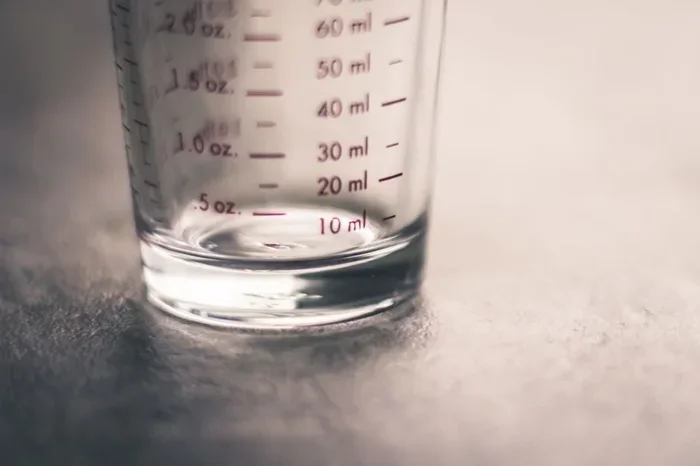
Many measuring cups sold today include both ounce and milliliter markings. Simply find the 2 oz line or the 59 ml line, and pour your liquid to that level. This is the easiest method for most home cooks. Look for a set that includes both metric and imperial markings on the side.
A good measuring cup with clear markings saves a lot of time and guesswork. Glass measuring cups with metric lines are especially helpful because you can see the liquid from the side and pour accurately.
Kitchen Scales for Liquid Measurement
Did you know you can also use a kitchen scale? Water weighs about 1 gram per milliliter. So 59 ml of water weighs roughly 59 grams. If your scale measures in grams, you can weigh out 59 grams of water to equal 2 oz in ml. This trick works best for water and similar liquids with a density close to water.
Measuring Spoons and Tablespoons
Another handy approach is using tablespoons. One US tablespoon equals about 14.79 ml. So 2 oz in ml (59 ml) is roughly 4 tablespoons. This is a quick mental math trick that works well in a pinch when you do not have a measuring cup handy.
Real-World Examples of 2 Oz in Ml in the Kitchen
Theoretical math is great, but seeing how this conversion applies in real situations makes it stick. Let us look at some everyday examples where you might need to know what 2 oz in ml equals.
Example 1: Measuring Water for Cooking
Imagine you are making rice in a rice cooker and the recipe calls for 2 oz of water. You would measure out about 59 ml of water. If you do not have a measuring cup with ml markings, 4 tablespoons works perfectly here. For tips on using a rice cooker effectively, check out our guide on how to reheat rice in a rice cooker, which also covers liquid ratios and measurements.
Example 2: Following a Cocktail Recipe
Cocktail recipes often list ingredients in ounces. A classic shot is 1.5 oz, and some recipes call for a 2 oz pour. If you are using a jigger marked in milliliters, you need to know that 2 oz in ml is about 59 ml. Pour to the 59 ml line and your cocktail will turn out just right.
Example 3: Converting a Boiling Recipe
Some recipes for boiling vegetables or proteins call for specific amounts of liquid. If a recipe says to add 2 oz of broth, you need 59 ml. Knowing this conversion helps you scale recipes up or down without any hassle. For more on boiling techniques, our article on how to boil in an Instant Pot covers liquid measurements in detail.
Example 4: Dehydrating and Oven Recipes
When you are dehydrating vegetables in the oven, precise liquid measurements matter for marinades and brines. If a marinade calls for 2 oz of olive oil, you need exactly 59 ml to get the right flavor balance. This is especially true for drying herbs, where the ratio of oil to other ingredients affects how evenly they dehydrate.
Common Mistakes When Converting 2 Oz in Ml
Even with a simple conversion, mistakes happen. Here are the most common errors people make and how to avoid them.
Confusing Fluid Ounces with Weight Ounces
This is the number one mistake. Fluid ounces measure volume. Weight ounces measure mass. They are not interchangeable. If a recipe says 2 oz of flour, you cannot convert that to milliliters. Flour is a dry ingredient measured by weight. Only convert fluid ounces to milliliters when you are dealing with liquids.
Using the Wrong Conversion Factor
Some people use 30 ml per ounce for quick mental math. That gives you 60 ml for 2 oz, which is close enough for most cooking. But if you need precision, use 29.57. In baking, small differences can change the texture of your final product. Always use the correct factor when accuracy matters.
Ignoring the US vs UK Difference
As we covered earlier, US and UK fluid ounces are slightly different. If you follow a British recipe and use the US conversion, you will be off by a few milliliters. For everyday cooking this does not matter much, but for precision baking, it is worth noting.
Not Checking the Measuring Tool
Different measuring cups have different levels of accuracy. A cheap plastic cup might not have clear ml markings. Always use a reliable measuring tool with clear metric lines. This small step prevents big measurement errors.
Quick Tips for Easy 2 Oz in Ml Conversions
Here are some fast tips to make your life easier every time you need this conversion.
- Memorize the key number: 1 oz = 29.57 ml. That is all you need.
- Use the 4-tablespoon trick: 2 oz equals about 4 tablespoons, which is easy to remember.
- Buy a dual-marked measuring cup: One with both oz and ml lines makes conversions instant.
- Round for everyday cooking: 59 ml is close enough to 60 ml for most non-baking recipes.
- Keep a conversion chart handy: Tape one to the inside of your kitchen cabinet for quick reference.
Why Knowing This Conversion Matters
You might wonder why you need to know what 2 oz in ml equals when your measuring cup has both units printed on it. The truth is, not every tool has dual markings. Not every recipe uses the same system. And not every situation gives you time to look up the conversion.
When you cook or bake regularly, you encounter recipes from all over the world. American recipes use ounces. European recipes use milliliters. Asian recipes might use both. Knowing how to convert 2 oz in ml on the fly makes you a more versatile and confident cook. It also helps you scale recipes, adjust serving sizes, and substitute ingredients without any guesswork.
This skill is especially useful for people who follow international food blogs, watch cooking shows from other countries, or experiment with fusion recipes. The more comfortable you become with metric and imperial conversions, the more creative and confident you can be in the kitchen.
For more practical kitchen tips and measurement guides, explore our other resources on cooking techniques and food preparation. Whether you are storing food safely or learning new cooking methods, understanding basic conversions like 2 oz in ml gives you a strong foundation.
Final Thoughts on 2 Oz in Ml
Converting 2 oz in ml does not have to be complicated. The formula is simple: multiply 2 by 29.57 and you get 59 ml. Remember the difference between US and UK fluid ounces, and always make sure you are converting fluid ounces and not weight ounces. With a little practice, this conversion becomes second nature.
Keep a measuring cup with metric markings in your kitchen. Memorize the 4-tablespoon shortcut. And do not be afraid to double-check your work when a recipe calls for precision. The more you use these conversions, the faster and easier they become. You will wonder how you ever cooked without them.
Now that you know exactly what 2 oz in ml means, go ahead and try it in your next recipe. Whether you are making a sauce, a marinade, a cocktail, or a simple pot of rice, this small piece of knowledge will make your cooking smoother and more enjoyable. Happy measuring!
Frequently Asked Questions
Is 2 oz the same as 2 fl oz?
Yes, in most cooking contexts, 2 oz and 2 fl oz mean the same thing. The “fl” stands for fluid, which tells you it is a volume measurement. Always check that the recipe is referring to a liquid before converting to milliliters.
Can I use 60 ml instead of 59 ml for 2 oz?
For most everyday cooking, yes. Rounding 59.14 ml to 60 ml is perfectly fine. The small difference will not affect your recipe. However, for precision baking, use the exact 59 ml measurement.
What is 2 oz in ml for water specifically?
2 oz in ml for water is approximately 59 ml. Water has a density of 1 gram per ml, so 59 ml of water also weighs about 59 grams. This makes water one of the easiest liquids to convert.
How many tablespoons are in 2 oz?
Two fluid ounces equals approximately 4 tablespoons. One tablespoon is about 14.79 ml, so 4 tablespoons give you roughly 59 ml, which matches the 2 oz in ml conversion perfectly.
Do I need a special measuring cup to measure 2 oz in ml?
No, a standard liquid measuring cup with metric markings works great. Many measuring cups include both ounce and ml lines. If yours does not, a simple kitchen scale set to grams can also do the job since 59 ml of water weighs about 59 grams.
Why do some recipes use ounces and others use milliliters?
It comes down to which measurement system the recipe follows. American recipes typically use the imperial system (ounces), while most other countries use the metric system (milliliters). Knowing how to convert between them, like 2 oz in ml, helps you follow any recipe with confidence.