Baked beans are a delicious, nutritious, and versatile dish packed with protein, fiber, and essential nutrients. Whether you prefer them homemade or from a can, baked beans offer incredible health benefits that support heart health, digestion, and energy levels. This guide covers everything from nutrition and recipes to storing and enjoying baked beans the right way.
Baked beans are one of those meals that just make life better. Whether you are cooking them on the stove, in a slow cooker, or pulling a can from the pantry, they bring comfort and nutrition to the table. People around the world love them, and for good reason. They are simple, affordable, and packed with flavor.
But baked beans are more than just a tasty side dish. They are a nutritional powerhouse filled with protein, fiber, and essential vitamins. In this guide, we will explore everything you need to know about baked beans. From their history and health benefits to easy recipes and storage tips, you will find it all here.
So grab a bowl, and let us dive into the wonderful world of baked beans. By the end of this article, you will know why this humble dish deserves a permanent spot in your kitchen.
Key Takeaways
- Baked beans are rich in protein and fiber: They support muscle growth, digestion, and long-lasting energy.
- They are incredibly versatile: You can enjoy baked beans for breakfast, lunch, dinner, or as a snack.
- Homemade baked beans taste better: With a few simple ingredients, you can make them from scratch in under an hour.
- Storing baked beans is easy: They last up to 5 days in the fridge and can be frozen for months.
- Baked beans have a rich history: They have been a beloved dish across cultures for centuries.
📑 Table of Contents
- What Are Baked Beans and Why Are They So Popular?
- The Nutritional Powerhouse Behind Baked Beans
- How to Make Perfect Homemade Baked Beans
- Baked Beans Around the World
- Storing and Reheating Baked Beans the Right Way
- Common Mistakes to Avoid When Making Baked Beans
- How Baked Beans Fit Into a Healthy Diet
- Conclusion
What Are Baked Beans and Why Are They So Popular?
Baked beans are a dish made primarily from white beans cooked in a savory tomato-based sauce. The most common beans used are navy beans, but you will also see kidney beans, cannellini beans, and great northern beans used in various recipes. The sauce typically includes tomato paste, molasses, brown sugar, mustard, and spices. This combination creates a sweet, tangy, and deeply flavorful meal.
The popularity of baked beans stretches back centuries. They originated as a staple in Native American cuisine and were later adopted by European settlers. Today, baked beans are a beloved comfort food in the United States, the United Kingdom, Australia, and many other countries. They show up at backyard barbecues, family dinners, and quick weeknight meals alike.
One of the reasons baked beans remain so popular is their convenience. You can buy them canned, make them from dried beans, or cook them in a slow cooker. They also pair well with almost anything, from hot dogs and hamburgers to toast and rice. This flexibility makes them a go-to choice for home cooks of all skill levels.
A Brief History of Baked Beans
The story of baked beans begins with Native American tribes who taught early settlers how to cook beans with maple syrup and bear fat. Over time, the recipe evolved. Molasses replaced maple syrup in many regions, and tomato became a key ingredient. By the 1800s, canned baked beans became widely available, making the dish accessible to nearly everyone.
In the United Kingdom, baked beans on toast became a breakfast staple. In the United States, Boston baked beans grew famous for their use of molasses, which was readily available through the city’s trade history. Each culture added its own twist, and that is part of what makes baked beans so special today.
The Nutritional Powerhouse Behind Baked Beans
Baked beans are not just delicious. They are also incredibly good for you. A single serving provides a wide range of nutrients that support overall health. Let us break down what makes baked beans such a nutritional standout.
Protein and Fiber Content
Baked beans are an excellent source of plant-based protein. A one-cup serving can provide around 12 to 15 grams of protein. This makes them a great option for vegetarians, vegans, or anyone looking to add more plant protein to their diet.
Fiber is another major benefit. One serving of baked beans can contain 7 to 10 grams of dietary fiber. This helps with digestion, keeps you feeling full longer, and supports healthy cholesterol levels. Most people do not get enough fiber in their daily diet, and baked beans help fill that gap.
Vitamins and Minerals
Baked beans provide several important vitamins and minerals:
- Iron: Essential for carrying oxygen in your blood.
- Folate: Supports cell growth and brain health.
- Magnesium: Helps with muscle function and energy production.
- Potassium: Regulates blood pressure and fluid balance.
- Vitamin B6: Supports brain development and immune function.
Baked Beans Calories and Health Benefits
A typical serving of baked beans contains around 200 to 250 calories, depending on the recipe and ingredients. This makes them a satisfying and filling meal without being overly heavy. The combination of protein and fiber means you get steady energy without a sugar crash.
Studies have shown that regular bean consumption supports heart health, helps manage blood sugar levels, and promotes a healthy weight. The low glycemic index of beans means they release energy slowly, keeping you fueled throughout the day.
How to Make Perfect Homemade Baked Beans
Making baked beans from scratch is easier than you might think. Once you try homemade baked beans, you will never go back to the canned version. The flavor is richer, the texture is better, and you control exactly what goes into your food.
Ingredients You Will Need
Here is a simple list of ingredients for classic homemade baked beans:
- 1 pound dried navy beans (or two 15-ounce cans of canned beans)
- 1 onion, diced
- 3 cloves garlic, minced
- 1 cup tomato sauce or tomato paste
- 1/4 cup molasses or brown sugar
- 2 tablespoons yellow mustard
- 1 tablespoon apple cider vinegar
- Salt and pepper to taste
- 4 to 6 cups water or broth
Step-by-Step Cooking Instructions
Follow these steps to make perfect baked beans every time:
- Soak the beans overnight. Rinse the dried beans and cover them with plenty of water. Let them sit for at least 8 hours or overnight. This reduces cooking time and helps them cook evenly.
- Drain and rinse the beans. After soaking, drain the water and rinse the beans under cold water. This removes some of the complex sugars that can cause digestive discomfort.
- Cook the beans. Add the beans to a large pot with fresh water or broth. Bring to a boil, then reduce heat and simmer for about 1 to 2 hours until the beans are tender. If you use a pressure cooker, the cooking time drops significantly, though navy beans work best in a slow cooker or on the stovetop.
- Prepare the sauce. In a separate pan, sauté the onion and garlic until softened. Add the tomato sauce, molasses, mustard, and vinegar. Stir well and let it simmer for 5 minutes.
- Combine and bake. Add the sauce to the cooked beans. Transfer everything to a baking dish and bake at 300°F for 30 to 45 minutes. This slow baking melds all the flavors together beautifully.
- Season and serve. Taste and adjust salt, pepper, and sweetness as needed. Serve warm and enjoy.
Quick Tips for Better Baked Beans
- Use a slow cooker for even easier preparation. Just add everything in the morning and let it cook on low for 6 to 8 hours.
- Add a smoked ham hock or bacon for extra depth of flavor.
- A splash of Worcestershire sauce adds a nice umami kick.
- Let the beans cool and reheat the next day. The flavors improve overnight.
- If you are short on time, store your soaked beans properly so you can use them later in the week.
Baked Beans Around the World
Baked beans are not just an American or British dish. Many cultures have their own version of beans baked in a rich sauce. Let us take a quick tour around the world.
American Baked Beans
In the United States, baked beans are often associated with New England. Boston baked beans use molasses and salt pork, giving them a distinctive sweet and savory flavor. In the American South, baked beans are often cooked on the barbecue with a smoky, spicy kick. They are a staple at cookouts and tailgate parties.
British Baked Beans
In the United Kingdom, baked beans are a breakfast favorite. Heinz baked beans on toast is a classic dish that almost every British person grew up eating. The sauce is slightly sweeter and less thick than American versions. Baked beans are also a common addition to full English breakfasts and jacket potatoes.
Canadian and Australian Versions
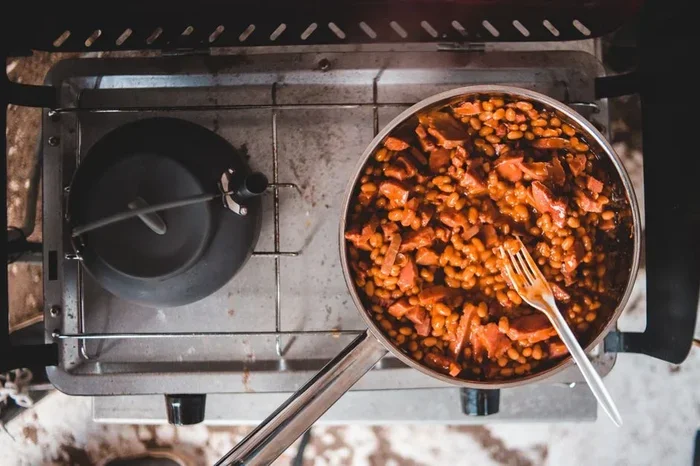
In Canada, baked beans are often prepared with maple syrup instead of molasses, giving them a milder, woodsy sweetness. In Australia, baked beans are a popular campfire food. They are cooked in cast iron pots over open flames and often include sausages or bacon.
No matter where you are in the world, beans cooked in a rich sauce bring people together. They are a universal comfort food that transcends borders and cultures.
Storing and Reheating Baked Beans the Right Way
One of the best things about baked beans is that they store well. Whether you made too much or want to meal prep for the week, proper storage keeps your baked beans fresh and safe to eat.
How Long Do Baked Beans Last?
Cooked baked beans can be stored in the refrigerator for up to 5 days. Make sure to place them in an airtight container. If you bought them in a can, transfer the leftovers to a glass or plastic container rather than keeping them in the can.
For longer storage, baked beans freeze very well. They can last up to 6 months in the freezer. Portion them into airtight containers or freezer bags, leaving some room for expansion. Thaw them overnight in the refrigerator before reheating.
If you are storing leftover beans from a crockpot meal, like a crockpot ham and beans recipe, make sure they cool to room temperature before placing them in the fridge. This prevents condensation and keeps the texture intact.
Best Ways to Reheat Baked Beans
- Stovetop: Heat beans in a saucepan over medium heat, stirring occasionally. This is the best method for maintaining texture.
- Microwave: Place beans in a microwave-safe bowl and heat in 30-second intervals, stirring between each. This prevents hot spots.
- Oven: Spread beans in an oven-safe dish, cover with foil, and heat at 350°F for 15 to 20 minutes.
Avoid reheating baked beans multiple times. Each reheating cycle reduces quality and increases the risk of foodborne illness. Only reheat what you plan to eat in one sitting.
Common Mistakes to Avoid When Making Baked Beans
Even experienced cooks can make mistakes when preparing baked beans. Here are some common pitfalls and how to avoid them.
Skipping the Soaking Step
If you are using dried beans, do not skip the soaking step. Unsoaked beans take much longer to cook and often end up with an uneven texture. Soaking also helps reduce the gas-causing compounds in beans, making them easier to digest.
Overcooking the Beans
Baked beans should be tender but not mushy. Overcooking breaks down the beans too much and makes the final dish lose its shape. Check the beans regularly during the simmering phase. They should be soft but still hold their form.
Using Too Much Sugar
The sweetness in baked beans should balance the savory and tangy flavors, not overpower them. Start with a small amount of molasses or brown sugar and add more to taste. Remember that the sauce will thicken and concentrate as it bakes, so a little goes a long way.
Not Letting the Flavors Develop
Baked beans taste best after they have had time to sit. The flavors meld and deepen as the beans cool. If you have the time, make them a day ahead and reheat before serving. This is a trick many professional cooks use to get the richest flavor possible.
How Baked Beans Fit Into a Healthy Diet
Baked beans can absolutely be part of a healthy, balanced diet. They are a plant-based protein source that is lower in fat and calories than many animal proteins. The high fiber content supports gut health and helps you maintain a healthy weight by keeping you satisfied longer.
If you are watching your sodium intake, look for low-sodium canned beans or make your own from scratch. Homemade baked beans allow you to control the amount of salt and sugar in the recipe. You can also use fresh or low-sodium broth instead of water for extra flavor without the extra salt.
Baked beans also work well in a variety of diet plans, including vegetarian, vegan, and Mediterranean diets. They are naturally gluten-free and can easily be made dairy-free. This makes them one of the most inclusive and accessible meals you can prepare.
Baked Beans for Breakfast, Lunch, or Dinner
Do not limit yourself to thinking of baked beans as just a side dish. They make a fantastic breakfast served on toast with a fried egg on top. For lunch, toss them into a salad or wrap them in a tortilla. For dinner, serve them alongside grilled chicken, roasted vegetables, or crusty bread.
The versatility of baked beans means you can enjoy them any time of day. They are quick to prepare, easy to customize, and satisfying to eat. Once you make them a regular part of your meal rotation, you will wonder how you ever lived without them.
Conclusion
Baked beans are truly one of the greatest comfort foods ever created. They are affordable, nutritious, incredibly versatile, and easy to prepare. Whether you stick with a simple canned version or take the time to make them from scratch, you are getting a meal that is packed with protein, fiber, and essential nutrients.
The health benefits of baked beans are hard to ignore. They support heart health, aid digestion, provide steady energy, and fit into almost any dietary plan. With so many varieties and preparation methods to explore, you will never get bored with this classic dish.
Now that you know everything about baked beans, it is time to put that knowledge to work. Try a new recipe this week, experiment with different flavors, and share your creations with family and friends. Baked beans are more than just food. They are a tradition, a comfort, and a celebration of simple, honest cooking.
Frequently Asked Questions
Are baked beans healthy to eat every day?
Yes, baked beans can be eaten daily as part of a balanced diet. They provide excellent protein and fiber. Just be mindful of sodium content, especially if you rely on canned versions. Homemade baked beans give you better control over ingredients and salt levels.
Can I freeze baked beans?
Absolutely. Baked beans freeze very well for up to 6 months. Let them cool completely, then store them in airtight containers or freezer bags. Thaw overnight in the refrigerator before reheating for the best texture and flavor.
What beans are best for baked beans?
Navy beans are the traditional choice for baked beans because of their mild flavor and creamy texture. However, kidney beans, cannellini beans, and great northern beans also work well. Each bean variety brings a slightly different taste and texture to the final dish.
How long do cooked baked beans last in the fridge?
Cooked baked beans stay fresh in the refrigerator for up to 5 days when stored in an airtight container. Make sure they are cooled to room temperature before refrigerating. Always reheat leftovers thoroughly before eating.
Can I use canned beans for baked beans?
Yes, canned beans are a convenient and time-saving option. Simply drain and rinse them before adding them to your sauce. While homemade beans from dried versions have a better texture, canned beans work perfectly well for quick weeknight meals.
What is the difference between American and British baked beans?
American baked beans tend to be thicker, smokier, and often include meat like bacon or ham hocks. British baked beans are typically sweeter, thinner, and made primarily with tomatoes and sugar. Both versions are delicious and reflect their respective culinary traditions.