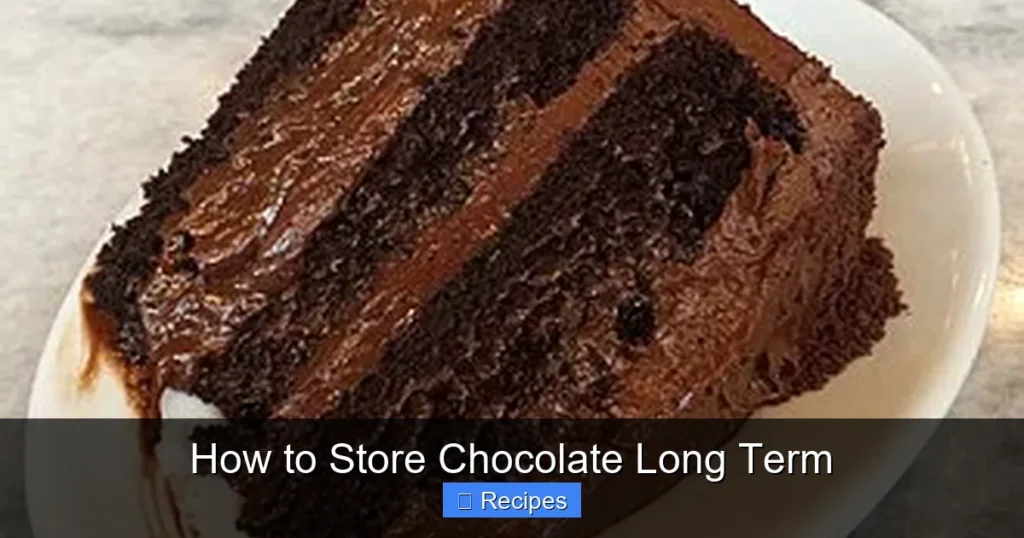
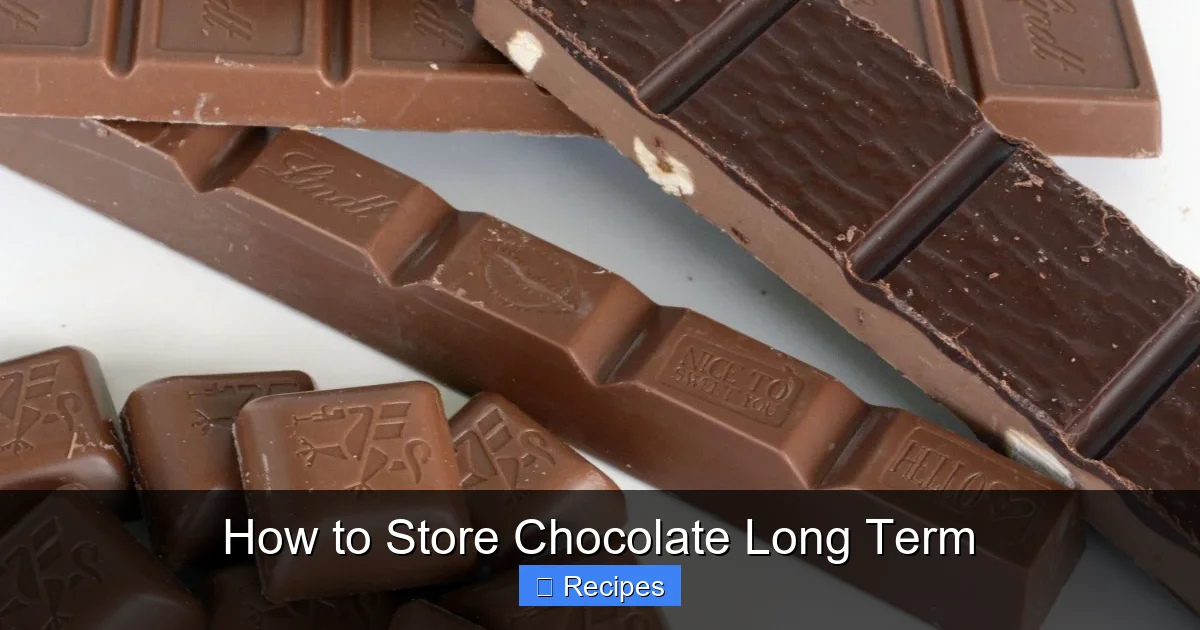
Proper temperature and humidity control are the keys to keeping chocolate fresh for months or even years. Store it in a cool, dark place—ideally 55‑65°F (13‑18°C) with less than 55% relative humidity—sealed in an airtight container or vacuum‑packed bag to prevent moisture, odors, and bloom. By following these simple steps, you’ll preserve flavor, texture, and snap, ensuring your chocolate stays as delightful as the day you bought it.
Key Takeaways
- Control temperature: Keep chocolate at 55‑65°F (13‑18°C) for optimal longevity.
- Maintain low humidity: Store in a <20% RH environment to prevent sugar bloom.
- Use airtight containers: Prevent odor absorption and moisture ingress.
- Avoid light exposure: Keep chocolate in dark or opaque packaging to stop flavor degradation.
- Separate flavors: Store each type individually to preserve distinct tastes.
- Label and rotate: Mark dates and use older stock first.
- Freeze as last resort: Wrap tightly and thaw gradually to avoid condensation.
📑 Table of Contents
How to Store Chocolate Long Term
Chocolate is a universal comfort food. When you crack open a bar of dark or milk chocolate and feel that smooth melt, you know you’re in for a treat. But what happens when you buy a big chocolate gift box, or a chocolate bar from a local shop, and you only want to enjoy it weeks later? If you don’t take care of it, chocolate can develop a dull, chalky film or, worse, a brownish “bloom” that ruins the look and texture. The good news is that chocolate is actually quite resilient if you know the right storage tricks. In this guide, I’ll walk you through everything you need to keep your chocolate tasting fresh for months—no fancy gadgets required.
Think of chocolate like a delicate flower: it needs a specific environment to keep its aroma, taste, and appearance intact. From the right temperature to the right container, I’ll share practical, everyday tips that even a busy kitchen can follow. Spoiler: you’ll never have to throw away a chocolate bar again.
1. Understand Chocolate’s Science
What Happens When Chocolate Goes Bad?
Chocolate is made of cocoa solids, cocoa butter, sugar, and sometimes milk. The cocoa butter is the key player—it’s a fat that melts at just below body temperature. When chocolate is exposed to heat, it can “temper” incorrectly and develop a white film called fat bloom. Moisture can cause sugar bloom, making the surface look powdery. Both are harmless but change the look and texture.
Visual guide about Chocolate long-term storage
Image source: c.pxhere.com
Ideal Temperature and Humidity
Chocolate thrives at 60‑65°F (15‑18°C) with humidity below 50%. That’s the sweet spot where the cocoa butter stays solid, sugars don’t dissolve, and the flavor stays sharp. If you’re in a hot climate, a cooler pantry or the back of a fridge door (where the temperature is a bit lower than the main compartment) can be a lifesaver.
Why Light Matters
Just like wine, chocolate can be damaged by light. Sunlight or harsh indoor lighting can degrade the flavor compounds, leaving a bitter aftertaste. Store chocolate in a dark place or wrap it in foil or an opaque container to keep the light out.
2. Pick the Right Container
Paper vs. Plastic vs. Waxed Cardboard
Paper packaging is great for short-term storage because it allows the chocolate to breathe. However, for long-term storage, a tight-fitting container is better. Waxed cardboard boxes are common and keep moisture out, but they’re not airtight. Plastic containers (like Tupperware) can trap humidity if not sealed properly.
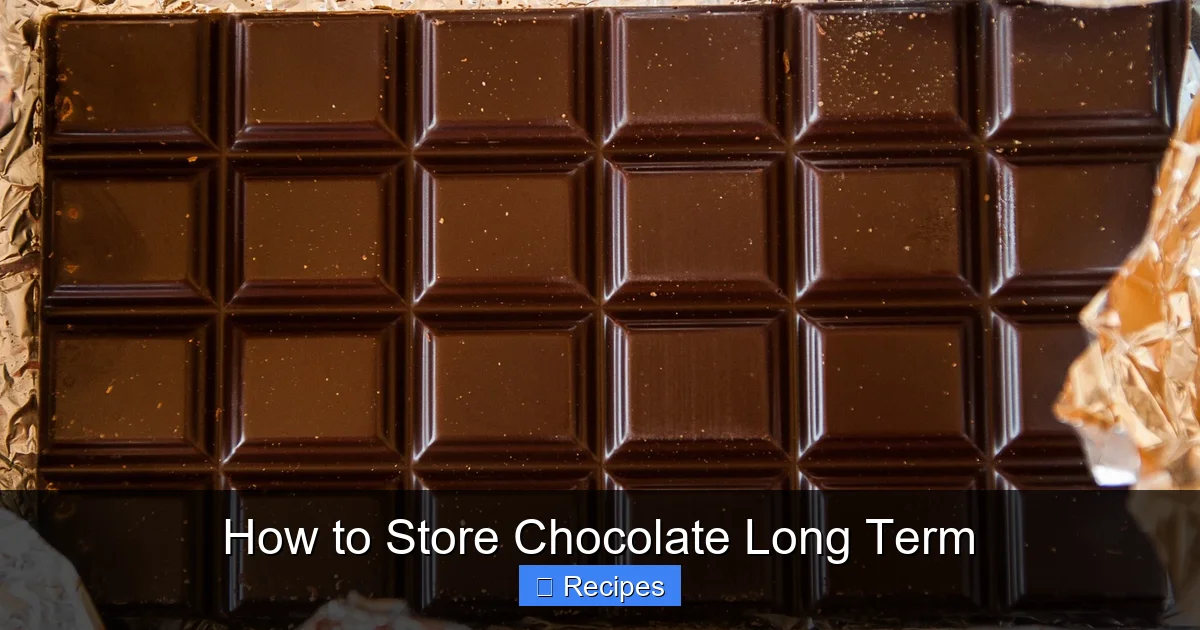
Visual guide about Chocolate long-term storage
Image source: publicdomainpictures.net
Use Airtight Containers
An airtight container—think a small glass jar with a screw-on lid or a vacuum-sealed bag—keeps out moisture and air. If you don’t have a vacuum sealer, simply use a zip-top bag and squeeze out as much air as possible. Another trick is to place a small piece of silica gel sachet inside; it absorbs moisture without affecting the chocolate’s flavor.
Label Everything
When you store chocolate for months, labeling the date and type is essential. This way, you’ll know which bars are closest to their best-before date and can enjoy them first.
3. Temperature Control Tips
Keep Chocolate Away from Heat Sources
Don’t store chocolate in the kitchen cabinet or near a stove. Even the heat from a microwave or toaster can raise the temperature enough to melt the cocoa butter. Instead, choose a cool, dark spot like a pantry shelf or a cupboard.
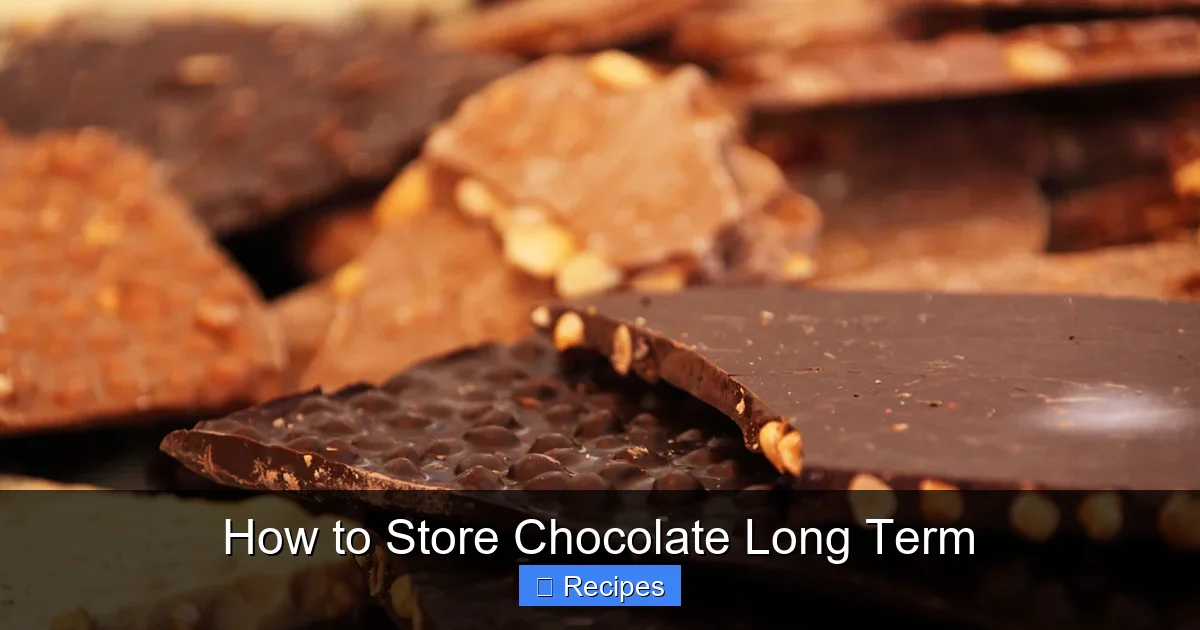
Visual guide about Chocolate long-term storage
Image source: publicdomainpictures.net
Use a Dedicated Chocolate Box
If you’re serious about long-term storage, consider a small insulated box with a built-in temperature control pack. These are inexpensive and can keep the chocolate at a stable 60‑65°F, especially during hot summer months.
Refrigeration: A Last Resort
Refrigerating chocolate is generally not recommended because the temperature swings when you take it out and the humidity can cause blooming. If you must refrigerate—say during a heat wave—use a sealed container and let the chocolate come to room temperature slowly before eating.
Use a Thermometer
Place a digital thermometer in the container to monitor the temperature. If it drifts above 70°F, you’re risking bloom. Adjust the storage spot or add a small ice pack (wrapped in a towel) if needed.
4. Best Practices for Different Types of Chocolate
Dark Chocolate
- Higher cocoa content means it’s less prone to blooming.
- Store it in a dry place; it can last up to 12 months if conditions are right.
- If you notice a white film, it’s fat bloom; just reheat gently to restore the look.
Milk Chocolate
- Contains milk solids that are more sensitive to heat.
- Best kept in a cooler spot; avoid direct sunlight.
- Bloom can make it look greasy; reheat in a microwave at 20% power for 10 seconds to regain shine.
White Chocolate
- Made of cocoa butter, sugar, and milk; highly susceptible to heat.
- Store in a dark, cool place and avoid temperature swings.
- Bloom here is common; it’s safe to eat but may look off.
Chocolate with Additives (nuts, caramel, sea salt)
- Added ingredients can change moisture levels.
- Keep these in airtight containers to prevent the nuts from drying out or the caramel from melting.
- Check the packaging for any specific storage instructions.
5. Practical Storage Setups
Setup 1: The Classic Pantry Box
- Choose a cardboard box lined with parchment paper.
- Place chocolate on a rack or a paper towel to keep it from sticking.
- Store in a dark corner of the pantry.
Setup 2: The Fridge Door Jar
- Use a small glass jar with a lid.
- Fit a zip-top bag inside, squeeze out air.
- Place the jar in the fridge door where temperature is slightly cooler.
Setup 3: The Vacuum-Sealed Bag
- Buy a vacuum sealer or use a zip-top bag.
- Seal each chocolate bar individually.
- Store in a cool, dark cabinet.
6. How Long Can Chocolate Stay Good?
Chocolate’s shelf life depends on type and storage conditions. Here’s a quick reference:
| Chocolate Type | Ideal Shelf Life |
|---|---|
| Dark (70%+ cocoa) | 12–24 months |
| Milk | 6–12 months |
| White | 6–12 months |
| With Additives | 6–12 months |
These times assume optimal conditions: 60‑65°F, low humidity, no light exposure, and tight sealing. If you notice any off smell, mold, or a significant change in texture, discard the chocolate—better safe than sorry.
Conclusion
Storing chocolate long term isn’t rocket science; it’s all about keeping it cool, dry, and dark. By choosing the right container, monitoring temperature, and following a simple set of guidelines, you can keep your chocolate bars in top shape for months. The next time you open a chocolate gift or stock up on your favorite bar, you’ll know exactly how to preserve its flavor and beauty. Happy chocolate storing, and enjoy every bite!
Frequently Asked Questions
What is the best temperature for storing chocolate long term?
The ideal temperature for long‑term chocolate storage is between 60°F and 70°F (15°C‑21°C). Keeping chocolate within this range prevents fat bloom and maintains flavor without the need for refrigeration.
How long can chocolate stay fresh if stored correctly?
When stored in a cool, dry place away from light, most chocolate can retain its quality for 12‑24 months. Dark chocolate typically lasts longer than milk or white varieties due to its lower dairy content.
Do I need to refrigerate chocolate for long‑term storage?
Refrigeration is generally not recommended because moisture can cause sugar bloom. Only refrigerate chocolate if you live in a very hot, humid climate and you seal it airtight to protect it from condensation.
What type of container is best for how to store chocolate long term?
Use an airtight container such as a heavy‑bottomed tin or a sealed plastic jar. Adding a food‑grade desiccant packet can absorb excess humidity and keep the chocolate dry.
Can I freeze chocolate for long‑term storage, and how should I do it?
Freezing is acceptable for very long‑term storage, but chocolate must be wrapped tightly in plastic wrap and then placed in a freezer‑safe bag. Thaw it slowly in the refrigerator before bringing it to room temperature to avoid condensation.
How does light exposure affect chocolate when storing it long term?
Exposure to direct sunlight or strong indoor lighting can cause chocolate to develop off‑flavors and surface discoloration (fat bloom). Store chocolate in a dark pantry or use an opaque container to protect it from light.