Keeping chickpeas fresh is easier than you think. From choosing the right containers to knowing when to refrigerate or freeze, these simple tricks will help you enjoy chickpeas anytime, whether they’re dry, canned, or cooked.
Key Takeaways
- Choose airtight containers: Prevent moisture and odors from spoiling chickpeas.
- Rotate stock: Use first‑in, first‑out to keep chickpeas at peak flavor.
- Store dry chickpeas cool, dry, and dark: Ideal temperature is 55–65°F (13–18°C).
- Refrigerate cooked chickpeas promptly: They last 4–5 days in the fridge.
- Freeze cooked chickpeas for up to 6 months: Portion them first for easy use.
- Avoid plastic bags for long term: They trap moisture; glass or BPA‑free containers are best.
- Check for spoilage: Bad odor or mold means discard.
📑 Table of Contents
- Introduction
- Why Storage Matters: The Science of Chickpeas
- Storing Dry Chickpeas: The Pantry Basics
- Storing Canned Chickpeas: Quick and Convenient
- Storing Cooked Chickpeas: Fresh, Freezer, or Pantry?
- Practical Storage Hacks You Can Try Today
- When to Replace Chickpeas and How to Tell if They’re Bad
- Linking to Related Cooking Tips (Internal Links)
- Conclusion: Keep Your Chickpeas Fresh, Flavorful, and Ready to Go
Introduction
Chickpeas, also known as garbanzo beans, have been a staple in kitchens worldwide for centuries. Their nutty flavor, protein punch, and versatility make them perfect for salads, stews, hummus, and even snacks. But like any pantry good, chickpeas need proper storage to stay fresh and tasty. Whether you buy them dry, canned, or cook them yourself, knowing how to store chickpeas can save you money, reduce waste, and keep your dishes delicious.
In this guide we’ll walk through every type of chickpea, explain the science behind their shelf life, and give you practical, hands‑on tips. You’ll learn how to keep dry chickpeas from going stale, how to refrigerate or freeze cooked ones, and how to spot spoilage before it becomes a problem. By the end, you’ll feel confident handling chickpeas like a pro.
Why Storage Matters: The Science of Chickpeas
Moisture and Temperature
Chickpeas are legumes, meaning they store starches and proteins that can degrade if exposed to moisture or heat. Moisture encourages mold growth, while heat can cause the beans to lose flavor and become rubbery. The ideal storage environment is cool, dry, and dark, with minimal air exposure.
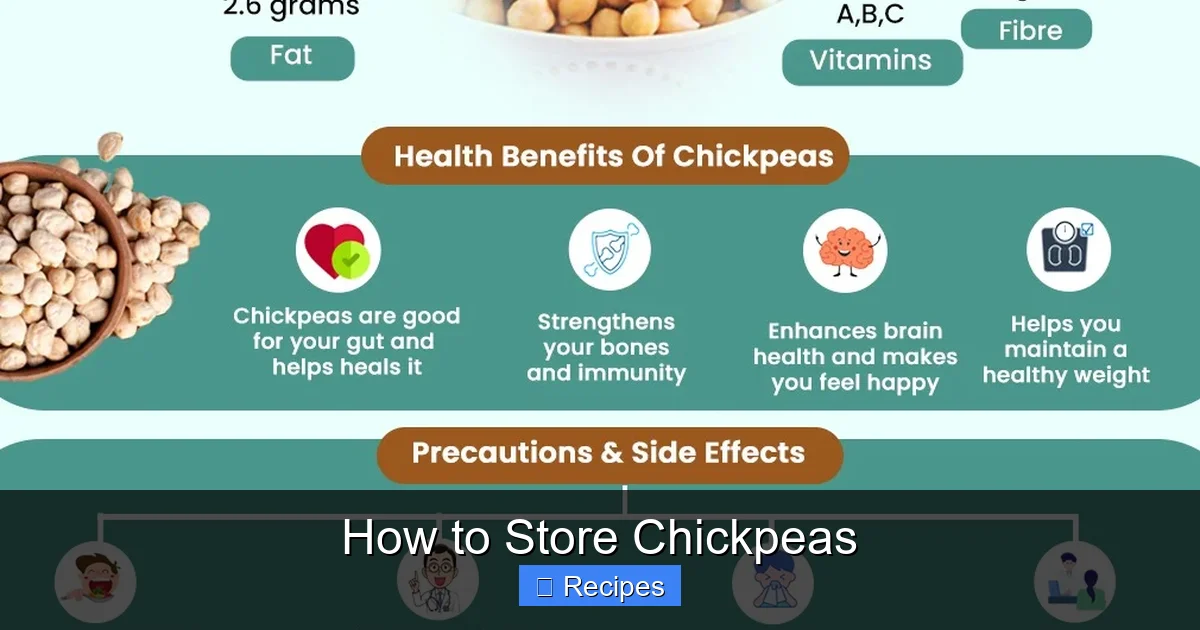
Visual guide about chickpeas storage
Image source: happytummy.aashirvaad.com
Oxygen Exposure
Oxygen can oxidize fats in chickpeas, leading to rancidity. Airtight containers or vacuum sealing reduce oxygen contact, extending freshness. This is why many store‑shelf products use resealable bags or sealed jars.
Light and Humidity
Light can trigger photodegradation of nutrients and cause discoloration. Humidity introduces moisture, accelerating spoilage. Keep chickpeas away from windows and in a pantry that stays below 70°F (21°C).
Storing Dry Chickpeas: The Pantry Basics
Choose the Right Container
Plastic bags are convenient, but they’re porous and can let in moisture. Opt for glass jars with tight seals, or use BPA‑free plastic containers. Vacuum‑sealed bags are excellent for long‑term storage.
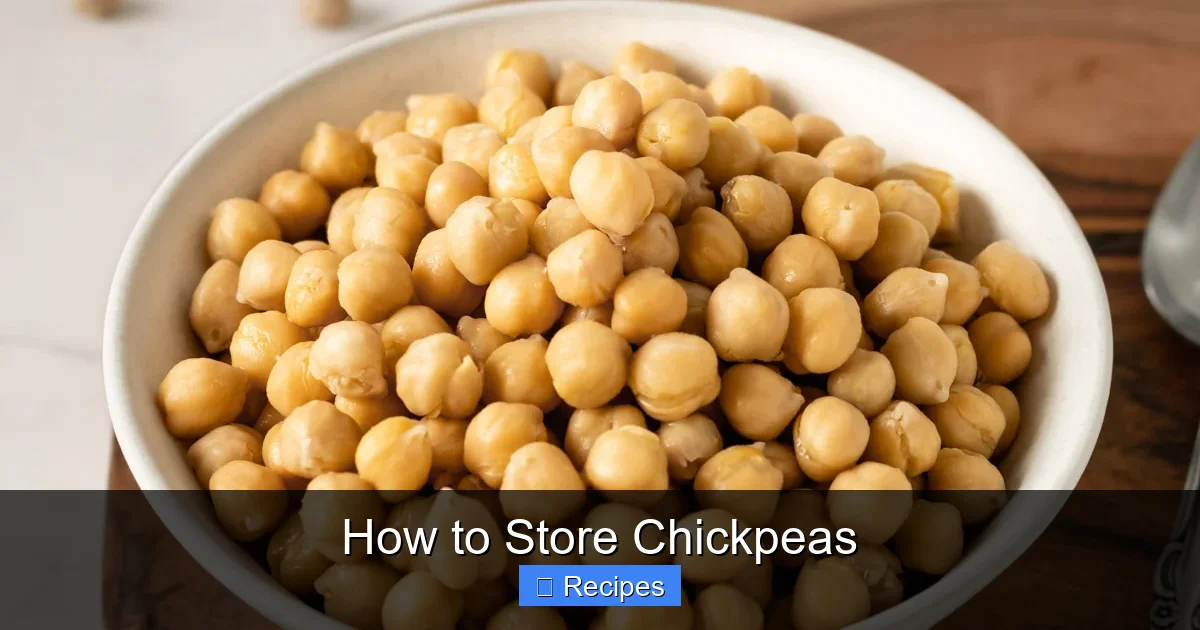
Visual guide about chickpeas storage
Image source: forksandfoliage.com
Keep Them Cool and Dark
Place the container in a pantry shelf away from heat sources. A cupboard behind the stove or a low shelf in the back of the pantry works well. Avoid the kitchen counter unless the room stays cool.
Use the First‑In, First‑Out Method
Every time you buy a new bag, label the old one with the purchase date. Use the older batch first to keep everything fresh.
Check for Spoilage Regularly
Inspect your dry chickpeas every few months. A faint sour smell or visible mold means it’s time to discard. Even if they look fine, a small amount of stale beans can affect the taste of your dish.
Storing Canned Chickpeas: Quick and Convenient
After Opening
Drain the liquid and transfer the beans to an airtight container. Store them in the refrigerator for up to 5 days. If you need them longer, freeze them.
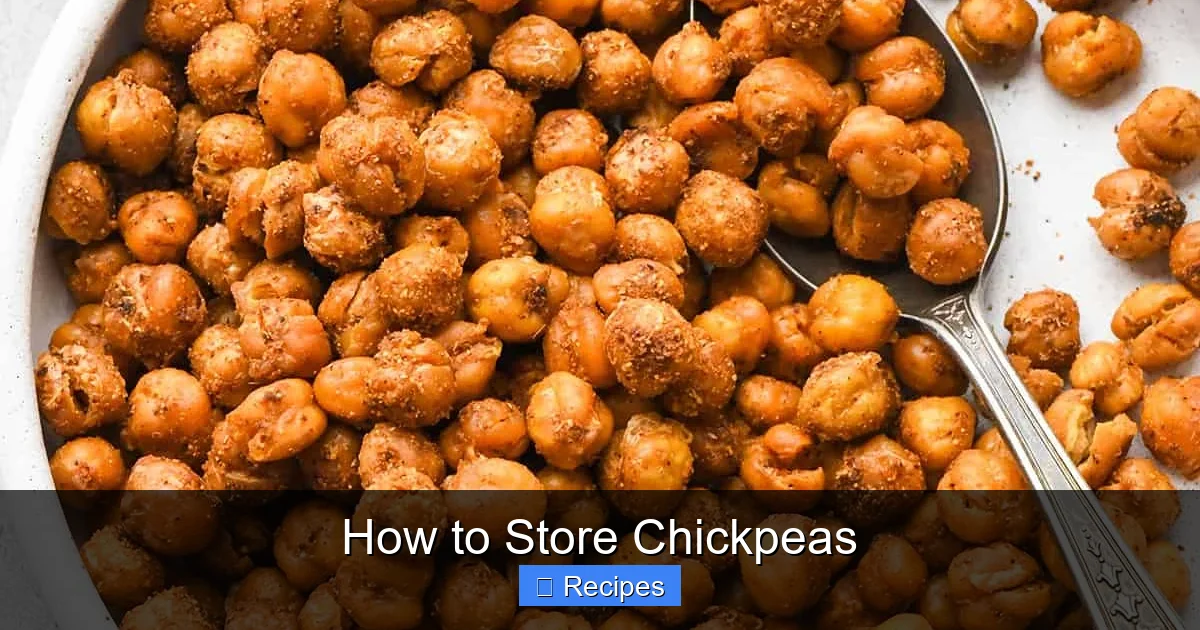
Visual guide about chickpeas storage
Image source: joyfoodsunshine.com
Whole Unopened Cans
Keep them in a cool, dry pantry. Canned chickpeas have a long shelf life—often 1–2 years—if stored properly. Check the expiration date and rotate stock.
Storing Cooked Chickpeas: Fresh, Freezer, or Pantry?
Refrigeration Tips
Cool cooked chickpeas to room temperature, then place them in a shallow airtight container. They’ll stay good for 4–5 days. Stir them once a day to keep moisture from pooling.
Freezing for Long‑Term Storage
Freeze cooked chickpeas in single‑layer trays first, then transfer to freezer bags. This prevents clumping. Label with the date; they’ll keep for up to 6 months.
Using Cooked Chickpeas in Recipes
Thaw in the fridge overnight or rinse under cold water if you’re short on time. Reheating is simple—just warm in a skillet or microwave.
Practical Storage Hacks You Can Try Today
Create a Chickpea Shelf
Designate a small shelf or drawer in your pantry for beans. Use a stackable jar system so you can see all your batches at a glance. Add a small label with the purchase date.
Use Silica Gel Packets
Place a silica gel packet in the container to absorb excess moisture. Replace it every few months to keep it effective.
Incorporate Chickpeas into Daily Meals
Plan meals that use chickpeas so you’re less likely to let them sit unused. A quick hummus, a chickpea salad, or a stir‑in for soup are all great options.
When to Replace Chickpeas and How to Tell if They’re Bad
- Dry Chickpeas: If they feel soft or have a sour smell, discard.
- Canned Chickpeas: If the can is bulging, dented, or the liquid smells off, throw it out.
- Cooked Chickpeas: If they develop a sour odor, slimy texture, or mold, discard immediately.
Linking to Related Cooking Tips (Internal Links)
Once your chickpeas are stored properly, you can start cooking them. For a step‑by‑step guide on how to cook raw chickpeas, check out our How To Cook Raw Chickpeas article.
If you’re looking to pair your chickpeas with bacon for a hearty dish, you’ll want to know how to store cooked bacon safely. Learn more in How To Store Cooked Bacon.
Need a quick snack? Use cooked chickpeas in a smoothie. Find out how to keep your smoothies fresh in How To Store Smoothies.
Conclusion: Keep Your Chickpeas Fresh, Flavorful, and Ready to Go
Storing chickpeas properly is a simple habit that pays off in flavor, nutrition, and convenience. By choosing the right containers, keeping them cool and dry, and rotating your stock, you’ll enjoy chickpeas at their best for months. Don’t let a little extra effort spoil the experience of this versatile legume. Happy cooking!
Frequently Asked Questions
What is the best way to store dry chickpeas?
Store them in airtight glass jars or BPA‑free plastic containers in a cool, dark pantry. Use the first‑in, first‑out method to keep them fresh.
Can I keep cooked chickpeas in the fridge for a week?
Cooked chickpeas are best used within 4–5 days in the refrigerator. After a week, they may start to lose flavor and texture.
How long do canned chickpeas last on the shelf?
Unopened canned chickpeas can last 1–2 years if stored in a cool, dry place. Once opened, refrigerate and use within 5 days.
Should I rinse chickpeas before storing?
Yes, rinse both dry and cooked chickpeas to remove dust or residues, then pat them dry to reduce moisture before storage.
Can I freeze dry chickpeas?
Dry chickpeas are already low‑moisture. Instead, freeze cooked chickpeas in portions for up to 6 months.
How do I tell if cooked chickpeas have gone bad?
Look for a sour or off smell, slimy texture, or visible mold. If any of these appear, discard the batch immediately.