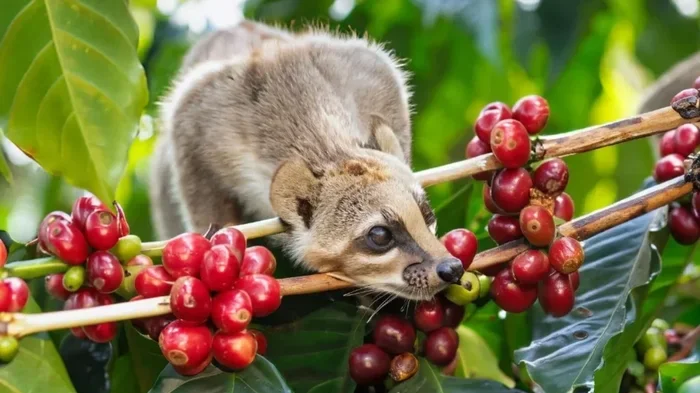
The animal that eats coffee beans is usually the Asian palm civet, famous for producing rare civet coffee. But many birds and mammals also snack on coffee cherries, affecting farms worldwide. Understanding this helps growers protect crops and manage wildlife safely.
Coffee grows on lush bushes in warm, high-altitude regions around the world. Farmers carefully tend these plants to produce the rich beans we grind each morning. But the fields are never truly empty. Wildlife often visits coffee farms, and one curious question keeps coming up: animal that eats coffee beans. The answer is more interesting than you might think. It involves rare delicacies, farm challenges, and important ecological balance.
Many people imagine coffee beans as hard, roasted seeds sitting in a bag. In reality, coffee starts as a bright red fruit called a cherry. Animals are drawn to the sweet outer flesh, not the raw seed inside. Some creatures even play a direct role in how certain specialty coffees are made. Others simply snack on the fruit and move on. Either way, their presence matters to growers and coffee lovers alike.
In this guide, we will explore which creatures interact with coffee plants, why they do it, and what it means for coffee production. We will also look at safety concerns, ethical questions, and practical tips for farmers and coffee fans. By the end, you will understand the full story behind the animal that eats coffee beans and how it connects to your daily cup.
Key Takeaways
- Civet cats are the most famous bean-eating animal: They consume coffee cherries and excrete the beans, creating unique Kopi Luwak coffee.
- Many wildlife species eat coffee cherries: Birds, monkeys, and rodents often feed on ripe fruit in coffee-growing regions.
- Wildlife can damage coffee crops: Large groups of animals may reduce yield and quality for farmers.
- Ethical concerns exist around civet coffee: Captive civets often face poor conditions, making wild-sourced options more humane.
- Farmers use natural deterrents: Nets, noise devices, and habitat management help reduce animal interference.
- Coffee beans are not toxic to most animals: But caffeine can still cause health issues in pets and wildlife if consumed in large amounts.
- Understanding animal behavior improves farming: Knowledge of local wildlife helps growers balance production and conservation.
📑 Table of Contents
The Most Famous Animal That Eats Coffee Beans
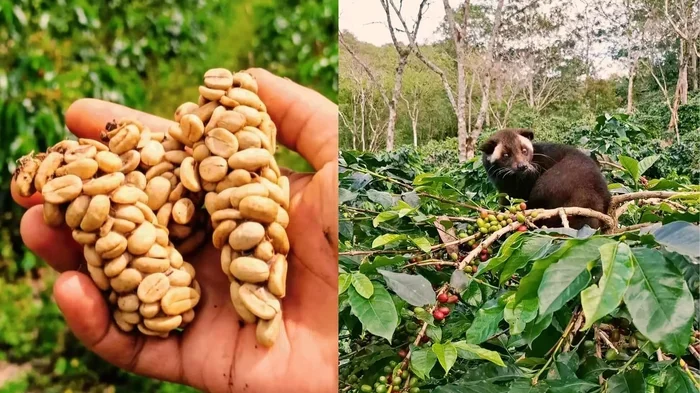
When people search for an animal that eats coffee beans, they usually mean the Asian palm civet. This small mammal lives in Southeast Asia and has become famous for its unusual coffee habit. The civet eats ripe coffee cherries, digests the fruit flesh, and passes the beans naturally. The result is a prized product known as Kopi Luwak or civet coffee.
How the Civet Coffee Process Works
The civet chooses the ripest cherries on the coffee plant. Its digestive enzymes break down the outer fruit while the inner bean stays intact. After the beans are excreted, collectors gather them from the ground. The beans are then cleaned, roasted, and brewed into a smooth, distinctive coffee. Many coffee lovers seek this rare drink for its unique flavor profile.
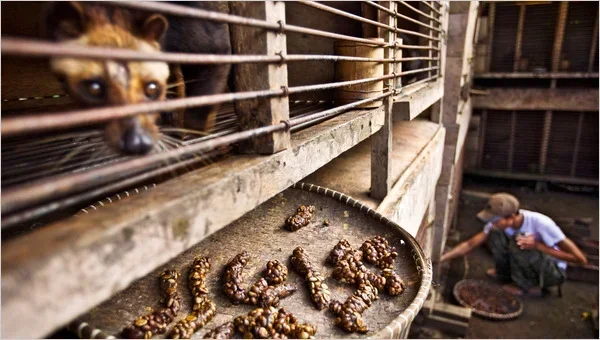
However, popularity has created serious problems. High demand led to crowded civet farms where animals live in small cages and eat only coffee cherries. This practice raises animal welfare concerns and changes the quality of the final product. Wild-sourced civet coffee is more ethical, but it is also harder to find and verify. If you care about humane sourcing, always ask how the beans were collected.
Is Civet Coffee Worth the Hype?
Civet coffee often costs far more than regular specialty coffee. Supporters say the digestion process reduces bitterness and creates a smoother cup. Critics argue the taste difference is small and the price is inflated by rarity. If you want to try it, look for reputable suppliers who confirm wild collection and ethical practices. You can also explore other high-quality beans that offer excellent flavor without the ethical baggage.
Other Wildlife That Snack on Coffee Cherries
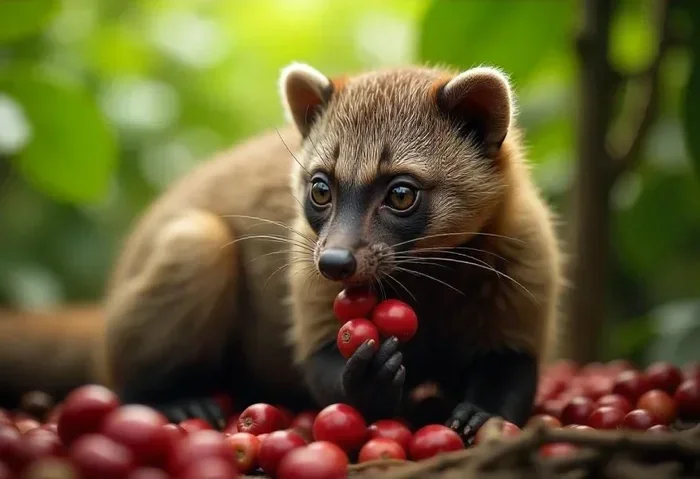
The civet is not the only creature that visits coffee plants. Many coffee-growing regions are rich in birds, mammals, and insects. When the cherries ripen, these animals often come looking for a sweet meal. In this sense, the animal that eats coffee beans is really part of a larger ecosystem that surrounds coffee farms.
Visual guide about Coffee beans animal feeding
Image source: fnb.coffee
Birds and Coffee Plants
Birds are common visitors to coffee fields. Some species eat the fruit flesh and drop the beans below the plant. Others may peck at unripe cherries and cause minor damage. In shaded coffee farms, birds often help control insect populations, which can benefit the crop. Their role is mixed, but they are a natural part of the coffee landscape.
Monkeys, Rodents, and Small Mammals
In parts of Africa, South America, and Asia, monkeys and rodents also feed on coffee cherries. These animals usually target the sweet outer layer. They may scatter beans across the ground or damage branches while feeding. Farmers sometimes see this as a nuisance, especially when large groups visit the same plot. Still, these animals are simply following their natural food sources.
Insects and Other Pests
Not every coffee lover is large or furry. Insects can also affect coffee plants in significant ways. Some pests attack the fruit, while others target the leaves or roots. Farmers monitor these threats carefully to protect yield and quality. Good farm management helps keep the balance between helpful wildlife and harmful pests.
How Coffee Farmers Handle Animal Visitors
Coffee growers face a real challenge when wildlife feeds on their crops. They want to protect their harvest, but they also want to avoid harming local animals. The best solutions usually focus on deterrence, habitat management, and smart farming practices. Understanding the animal that eats coffee beans helps farmers choose the right approach for their region.
Visual guide about Coffee beans animal feeding
Image source: cdn.shopify.com
Physical Barriers and Netting
One of the simplest methods is using nets or fencing around coffee plots. This can stop birds and small mammals from reaching the cherries. Some farmers cover individual bushes during peak ripening season. These barriers work well when installed correctly, but they can also be labor-intensive and costly for larger farms.
Noise, Light, and Natural Deterrents
Many growers use noise makers, reflective objects, or motion-based devices to scare away animals. These methods work best when moved regularly, so wildlife does not get used to them. Some farms also maintain buffer zones or natural habitats away from the main crop. This gives animals alternative food sources and reduces pressure on the coffee plants.
Ethical and Ecological Considerations
It is important to remember that coffee farms exist within larger ecosystems. Completely removing wildlife can harm local biodiversity and even reduce natural pest control. The goal should be balance, not elimination. Sustainable farming often includes shade trees, wildlife corridors, and careful harvest planning. These practices support both the crop and the creatures that live nearby.
Can Coffee Beans Harm Animals?
People often ask whether coffee beans are dangerous to wildlife. The answer depends on the amount and the animal. Raw coffee beans contain caffeine and other compounds that can affect animals differently than humans. A few cherries are unlikely to cause serious harm, but large amounts of caffeine can be problematic for some species.
Visual guide about Coffee beans animal feeding
Image source: static01.nyt.com
Caffeine and Animal Health
Caffeine is a stimulant that can speed up heart rate and cause restlessness in animals. Pets such as dogs and cats are especially sensitive to it. Wildlife that eats coffee cherries occasionally is usually not at high risk, but repeated heavy consumption could cause issues. This is why farmers and pet owners should keep large quantities of coffee beans away from animals.
Raw Beans Versus Roasted Beans
Raw coffee beans are harder and less aromatic than roasted ones. Animals in the wild are more likely to encounter ripe cherries or fallen beans than packaged roasted coffee. Roasted beans are not a natural food source for wildlife and should not be left where animals can eat them. If you store coffee at home, keep it sealed and out of reach of pets.
Why This Matters for Coffee Lovers
You do not need to be a farmer to care about the animal that eats coffee beans. The way coffee is grown affects flavor, price, sustainability, and animal welfare. When you understand the relationship between wildlife and coffee plants, you can make smarter buying choices. That means better coffee for you and a lighter impact on the environment.
Choosing Ethical and Sustainable Coffee
Look for coffee brands that explain where and how their beans are grown. Shade-grown coffee often supports more wildlife and healthier ecosystems. Fair farming practices also help local communities and reduce pressure on animals. If you are curious about specialty options, you can explore guides on best coffee maker that makes lattes and cappuccinos to enjoy your beans in different ways. You can also read more about how is coffee beans made to understand the full journey from plant to cup.
Storage and Home Safety
Once coffee reaches your kitchen, proper storage keeps it fresh and safe. Coffee should stay in a cool, dry place and away from curious pets. If you use filters, learn how to store coffee filters so your brewing setup stays clean and organized. For leftover equipment, check how to dispose of old coffee maker options responsibly instead of tossing items in the trash.
Common Questions About Wildlife and Coffee
Many coffee fans wonder how wildlife affects the beans they buy. Others want to know whether animals can safely eat coffee-related products. Here are some common questions that help clarify the topic.
Do animals actually eat the coffee bean itself?
Most animals eat the sweet fruit flesh around the bean rather than the raw seed itself. The bean usually passes through the digestive system and is left behind. In that sense, the animal is eating the coffee cherry, not the roasted bean you brew at home.
Is Kopi Luwak made by an animal that eats coffee beans?
Yes, Kopi Luwak comes from coffee cherries eaten and excreted by the Asian palm civet. The beans are collected after they pass through the animal’s digestive tract. Ethical sourcing matters because captive civet farming can be harmful to the animals.
Can dogs or cats eat coffee beans?
No, coffee beans are not safe for dogs or cats because caffeine can be toxic to them. Even small amounts may cause restlessness, vomiting, or more serious health problems. Keep coffee beans, grounds, and brewed coffee out of reach of pets.
Do birds damage coffee crops?
Birds can cause some damage by pecking at cherries, but they also help control insects in many coffee farms. Their overall impact depends on the species and the farm setup. Shade-grown coffee often creates a healthier balance between birds and crops.
What can farmers do to protect coffee from wildlife?
Farmers can use netting, noise deterrents, and habitat management to reduce wildlife interference. The best approach usually combines several methods instead of relying on one solution. Sustainable practices also help protect biodiversity while safeguarding the harvest.
Are coffee cherries safe for wildlife in small amounts?
In small amounts, coffee cherries are usually not dangerous for most wildlife. The main concern is caffeine buildup if animals consume large quantities regularly. Natural foraging is generally different from animals eating concentrated coffee products.
Final Thoughts on the Animal That Eats Coffee Beans
The idea of an animal that eats coffee beans is both fascinating and practical. It leads us to the famous civet, the sweet coffee cherry, and the many wildlife species that share coffee-growing landscapes. It also reminds us that coffee is not just a product. It is part of a living environment where animals, plants, and people all interact.
For coffee drinkers, this knowledge can deepen your appreciation for every cup. It can also guide better choices about sourcing, sustainability, and pet safety. For farmers, understanding wildlife behavior is a key part of protecting crops without harming the ecosystem. The best results come from balance, respect, and smart management.
So the next time you enjoy a fresh brew, remember the journey behind it. From the coffee cherry on the branch to the animals that visit the farm, every step shapes the coffee you love. And if you want to brew that coffee in a convenient way, you may even explore a best coffee maker that grinds beans and brews single cup for your daily routine.