
Drinking coffee before or after workout sessions can boost your energy and help muscles recover. Caffeine triggers adrenaline, which improves focus and endurance during exercise. However, timing matters to avoid dehydration or stomach issues. Read on to find the best strategy for your fitness routine.
Many people start their morning with a fresh cup of joe. It wakes up the brain and gets the body moving. But athletes and fitness lovers often ask a different question. They want to know about coffee before or after workout sessions. This is a common debate in the fitness world.
Some swear by a pre-workout cup for energy. Others prefer it post-exercise for recovery. The truth is, both options have benefits. It depends on your goals and how your body reacts. Caffeine is a natural stimulant found in coffee beans. It affects the central nervous system. This can change how you feel during physical activity.
In this guide, we will break down the science. We will look at timing, benefits, and risks. You will learn how to use caffeine wisely. Let us dive into the details of fueling your fitness journey.
Key Takeaways
- Timing Matters: Drinking coffee 30 to 60 minutes before exercise maximizes performance benefits.
- Energy Boost: Caffeine increases adrenaline levels, helping you push harder during workouts.
- Recovery Aid: Consuming coffee after training may reduce muscle soreness and speed up recovery.
- Hydration Check: Coffee contributes to fluid intake, but water remains essential for hydration.
- Stomach Sensitivity: Avoid drinking coffee on an empty stomach if you experience acidity or jitters.
- Moderation is Key: Limit caffeine intake to 400mg per day to avoid negative side effects.
- Listen to Your Body: Individual tolerance varies, so test what works best for your system.
📑 Table of Contents
- Understanding Caffeine and Exercise Performance
- Benefits of Drinking Coffee Before Exercise
- Timing Your Coffee Intake Correctly
- Potential Downsides and Risks
Coffee is not perfect for everyone. There are downsides to consider. Being aware of them helps you avoid problems.
Dehydration Concerns
- Coffee After Workout: Is It Useful?
- Who Should Avoid Caffeine Around Workouts?
- Tips for Maximizing Coffee Benefits
- Common Mistakes to Avoid
- Conclusion
Understanding Caffeine and Exercise Performance
Caffeine is one of the most studied supplements in sports. It is not just a morning habit. It is a performance enhancer. When you drink coffee, caffeine enters your bloodstream quickly. It blocks adenosine receptors in the brain. Adenosine makes you feel tired. By blocking it, caffeine keeps you alert.
How Caffeine Affects the Body
Your body releases adrenaline when caffeine hits. This is the fight-or-flight hormone. It prepares your muscles for action. Blood flow increases to your heart and muscles. Fat cells break down body fat. This releases free fatty acids into the blood. Your body uses this fat as fuel. This process is called lipolysis.
This means you might save your glycogen stores. Glycogen is the stored energy in your muscles. Saving it helps you last longer. Endurance athletes love this effect. Runners and cyclists often use caffeine to delay fatigue. It also lowers the perception of effort. Exercise feels easier than it actually is.
The Role of Adenosine Receptors
Adenosine builds up during the day. It makes you feel sleepy. Caffeine looks like adenosine to your brain. It sits in the receptors without activating them. This stops the tired signal. Your neuron firing increases. This leads to better focus and reaction time. For sports requiring precision, this is huge.
Benefits of Drinking Coffee Before Exercise
Taking caffeine before you train is popular. Many pre-workout supplements contain caffeine. Drinking coffee is a natural way to get it. Here are the main benefits of having it before you move.
Visual guide about Coffee before or after workout
Image source: adamkempfitness.com
Increased Energy and Alertness
The most obvious benefit is energy. You feel more awake and ready. This is great for early morning workouts. If you struggle to get out of bed, coffee helps. It sharpens your mind. You focus better on your form. This reduces the risk of injury.
Improved Physical Performance
Studies show caffeine improves performance. It helps with high-intensity activities. Weightlifting and sprinting benefit from this. You might lift heavier or run faster. The boost in adrenaline helps muscle contraction. This leads to more power output.
Endurance also gets a boost. You can train for longer periods. Fatigue sets in later than usual. This allows for more volume in your session. More volume often means better results over time.
Fat Burning Potential
As mentioned, caffeine aids lipolysis. This makes it a favorite for those cutting weight. It mobilizes fat stores for energy. When combined with exercise, this effect is stronger. Your body burns more calories during the session. It also boosts your metabolic rate slightly.
Timing Your Coffee Intake Correctly
Timing is everything. Drinking it too early or too late changes the effect. You want the peak caffeine levels to match your workout.

Visual guide about Coffee before or after workout
Image source: bestqualitycoffee.s3.us-east-2.amazonaws.com
The 30 to 60 Minute Window
Caffeine peaks in your blood between 30 and 60 minutes. Drinking it right before you start might be too late. You want the peak to happen during your main sets. Try drinking your cup half an hour before training. This gives it time to absorb.
If you drink it too early, the effect might fade. If you drink it too late, you might feel jittery. Find your sweet spot. Everyone metabolizes caffeine differently. Genetics play a role here. Some people process it fast. Others process it slow.
Considerations for Morning vs. Evening Workouts
Morning workouts are common. Coffee fits well here. It replaces the need for a heavy breakfast for some. However, evening workouts need care. Caffeine stays in your system for hours. It can ruin your sleep quality. Poor sleep hurts recovery and muscle growth.
If you train at night, consider decaf. Or limit the amount. Sleep is crucial for fitness progress. Do not sacrifice rest for a small energy boost.
Potential Downsides and Risks
Coffee is not perfect for everyone. There are downsides to consider. Being aware of them helps you avoid problems.
Dehydration Concerns
Caffeine is a mild diuretic. This means it makes you urinate more. Some worry this causes dehydration. However, regular coffee drinkers build a tolerance. The fluid in the coffee offsets the loss. But water is still king. Do not replace all your water with coffee.
During long sessions, hydration is critical. Sweat loss is high. You need electrolytes and water. Coffee can be part of your fluid intake. But prioritize plain water during intense sweat sessions.
Stomach Issues and Jitters
Coffee is acidic. It can irritate the stomach lining. Drinking it on an empty stomach might cause pain. Some people feel nauseous during exercise after drinking coffee. Acid reflux is another risk. If you have a sensitive stomach, be careful.
Jitters are also common. Too much caffeine causes anxiety. Your heart rate might spike too high. This feels uncomfortable. It can ruin your focus. Start with a small cup. See how you feel before increasing the dose.
Sleep Disruption
Sleep is when muscles repair. Caffeine blocks sleep signals. If you drink it late, you might lie awake. Poor sleep lowers testosterone and growth hormone. These are vital for recovery. Always prioritize sleep hygiene. Cut off caffeine at least 6 hours before bed.
Coffee After Workout: Is It Useful?
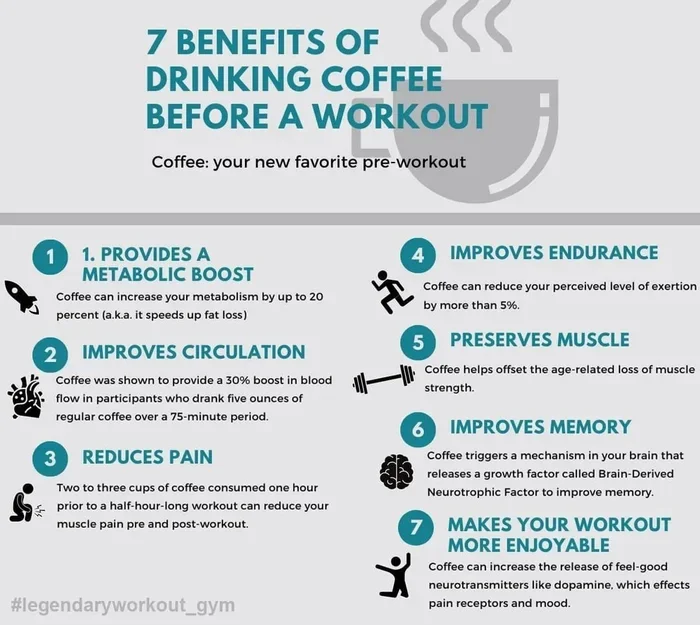
What about coffee before or after workout recovery? Post-exercise coffee has its place. It is not just for pre-workout energy.
Visual guide about Coffee before or after workout
Image source: i.pinimg.com
Muscle Recovery and Soreness
Some research suggests caffeine helps recovery. It may reduce delayed onset muscle soreness. This is the pain you feel a day later. Less pain means you can train again sooner. Caffeine also helps replenish glycogen stores. When paired with carbs, absorption improves.
This is useful for endurance athletes. They need to refill energy quickly. A coffee with a carb snack works well. It tastes good and aids recovery.
Hydration and Replenishment
After sweating, you need fluids. Coffee counts towards your daily fluid goal. It helps rehydrate you mildly. But again, water is better for immediate rehydration. Coffee can be a nice addition. It provides antioxidants too. Exercise creates oxidative stress. Antioxidants help fight this damage.
Relaxation and Routine
For some, post-workout coffee is a ritual. It marks the end of the session. It provides a moment to relax. Mental recovery is just as important. Enjoying a warm drink helps you unwind. This lowers stress levels. Lower stress aids physical recovery too.
Who Should Avoid Caffeine Around Workouts?
Not everyone should use caffeine for fitness. Certain groups need to be cautious. Health conditions matter here.
Sensitive Individuals
Some people are very sensitive. Small amounts cause heart palpitations. Others feel anxious or shaky. If you feel bad, stop using it. There is no benefit to feeling awful. Listen to your body signals.
People with Sleep Issues
If you already have insomnia, avoid caffeine. It will make it worse. Poor sleep kills fitness gains. You grow when you rest, not when you train. Protect your sleep at all costs.
Those with Heart Conditions
Caffeine raises blood pressure slightly. For most, this is safe. But for some heart conditions, it is risky. Always talk to a doctor. They know your medical history. Safety comes first.
Tips for Maximizing Coffee Benefits
Want to get the most out of your cup? Follow these simple tips. They help you use caffeine strategically.
Choose Quality Beans
Not all coffee is the same. Cheap beans might have defects. High-quality beans taste better. They also have consistent caffeine levels. Organic options reduce pesticide exposure. Freshly ground beans offer the best flavor.
Watch What You Add
Black coffee has almost no calories. But lattes and frappes are different. Sugar and cream add calories. This might counteract fat loss goals. If you need sweetness, try a little honey. Or use plant-based milk. Keep it clean to match your fitness goals.
Stay Hydrated
Drink water alongside your coffee. This ensures you stay hydrated. Aim for a glass of water for every cup of coffee. This balances the diuretic effect. Hydration supports performance and recovery.
Test Your Tolerance
Start low. Try half a cup before training. See how you feel. If you feel good, you can increase it. Do not jump to high doses immediately. Find the minimum effective dose. This reduces side effects.
Combine with Proper Nutrition
Coffee is not a meal. Eat something light if needed. Carbs provide energy for intense work. Protein supports muscle repair. Coffee enhances these nutrients. It does not replace them. A banana with coffee is a great pre-workout snack.
Common Mistakes to Avoid
Many people make errors with caffeine and training. Avoid these pitfalls to stay on track.
- Drinking too late: This ruins your sleep cycle.
- Ignoring stomach pain: Pushing through pain is not wise.
- Relying only on coffee: Food and water are more important.
- Using sugary additives: This adds unnecessary calories.
- Inconsistent timing: Try to drink it at similar times to gauge effects.
Avoiding these mistakes keeps you healthy. It ensures you get the benefits without the downsides.
Conclusion
So, should you choose coffee before or after workout sessions? The answer depends on your goals. If you need energy and focus, drink it before. Aim for 30 minutes prior to training. If you want recovery and relaxation, drink it after.
Caffeine is a powerful tool. It boosts performance and aids fat loss. But it must be used wisely. Hydration and sleep are still priorities. Listen to your body and adjust as needed. With the right approach, your daily cup can fuel your fitness success.
Frequently Asked Questions
Does coffee dehydrate you during exercise?
Coffee has a mild diuretic effect, but it still contributes to your daily fluid intake. As long as you drink water alongside it, dehydration is unlikely during moderate exercise.
How much coffee should I drink before a workout?
Most experts suggest 3 to 6 milligrams of caffeine per kilogram of body weight. For most people, one to two cups of coffee 30 minutes before training is sufficient.
Can coffee help with muscle soreness after training?
Some studies indicate caffeine may reduce perceived muscle soreness and aid glycogen replenishment when paired with carbohydrates. It can be a helpful part of your post-workout recovery routine.
Is it bad to drink coffee on an empty stomach before training?
It can cause acidity or jitters for some people. If you have a sensitive stomach, try having a small snack with your coffee to buffer the acid.
Will coffee affect my sleep if I work out in the evening?
Yes, caffeine can stay in your system for several hours and disrupt sleep quality. If you train at night, consider limiting intake or choosing decaf to protect your rest.
Does coffee count towards my hydration goals?
Yes, coffee contributes to your total fluid intake. However, plain water is still the best source for hydration, especially during intense sweating.



