Looking for the best fermented foods list to improve your gut health? This guide covers everything you need to know about probiotic-rich foods like kimchi, kombucha, sauerkraut, and yogurt. You will learn what fermented foods are, their amazing health benefits, and exactly how to add them to your daily meals. Whether you are a beginner or a fermentation pro, this fermented foods list will help you make smarter choices for a healthier gut and a stronger immune system.
Key Takeaways
- Fermented foods are rich in probiotics that support gut health, digestion, and immunity.
- Popular fermented foods include kimchi, sauerkraut, kombucha, yogurt, kefir, miso, and tempeh.
- Adding fermented foods to your diet is simple and can improve mood, weight management, and nutrient absorption.
- Start with small servings and gradually increase to avoid digestive discomfort.
- Making fermented foods at home is easy and saves money while giving you full control over ingredients.
- Always choose unpasteurized options when shopping to ensure live cultures are present.
- Fermented foods pair well with a balanced diet and work best alongside whole grains, fresh vegetables, and lean proteins.
📑 Table of Contents
- What Are Fermented Foods And Why Do They Matter?
- Your Ultimate Fermented Foods List For Better Health
- Health Benefits Of Eating Fermented Foods
- How To Start Adding Fermented Foods To Your Diet
- Common Mistakes To Avoid When Eating Fermented Foods
- Expert Tips For Making Fermented Foods At Home
- Quick Tips For Choosing The Best Fermented Foods
- Conclusion
What Are Fermented Foods And Why Do They Matter?
Fermented foods are foods that have been left to undergo a natural process where bacteria, yeast, or other microorganisms break down sugars and starches. This process creates lactic acid bacteria and other beneficial microbes. The result? Foods that are packed with probiotics — live organisms that are great for your body.
The fermentation process has been around for thousands of years. People across the world have been fermenting foods long before refrigerators existed. From Korea to Germany, from Japan to Eastern Europe, fermentation was a way to preserve food and boost its nutritional value at the same time.
Today, science confirms what our ancestors already knew. Eating fermented foods supports your gut microbiome, which is the community of trillions of bacteria living in your digestive system. A healthy gut microbiome plays a huge role in your overall well-being. It affects everything from digestion to mood to immune function.
If you want to eat healthier, adding a probiotic-rich foods list to your meals is one of the simplest steps you can take. Let us dive into the best options you should consider.
Your Ultimate Fermented Foods List For Better Health
Here is a comprehensive fermented foods list that covers a wide range of options. Each one brings unique benefits and flavors to your table. You will find vegetables, dairy, beverages, and soy-based foods on this list.
1. Kimchi
Kimchi is a staple of Korean cuisine. It is made primarily from fermented cabbage, along with spices like gochugaru (red pepper flakes), garlic, ginger, and scallions. Kimchi benefits include high levels of vitamins A, B, and C, plus a strong dose of healthy bacteria that aid digestion.
You can eat kimchi on its own, mix it into rice dishes, or use it as a topping for tacos and sandwiches. It has a tangy, spicy, and slightly sour taste that adds depth to any meal.
2. Sauerkraut
Sauerkraut is fermented cabbage that originated in Eastern Europe. It is one of the most accessible fermented foods you can find. Look for raw, unpasteurized sauerkraut in the refrigerated section of your grocery store. The canned versions often lack live cultures.
Sauerkraut is rich in fiber, vitamin C, and iron. It also contains live cultures that support digestive health. A small side of sauerkraut alongside sausages, salads, or sandwiches works wonderfully.
3. Kombucha
Kombucha is a fermented tea drink. It is made by adding a symbiotic culture of bacteria and yeast (called a SCOBY) to sweetened tea. The result is a fizzy, tangy beverage that is full of probiotics.
Many people enjoy kombucha as a replacement for sugary sodas. It comes in a variety of flavors, from ginger to berry to plain original. Just be mindful of the sugar content, as some brands add extra sweeteners after fermentation.
4. Yogurt
Yogurt is one of the most well-known fermented dairy products. It is made by adding bacterial cultures to milk, which thickens the texture and adds a tangy flavor. Yogurt benefits include calcium, protein, and a healthy dose of probiotics.
When shopping for yogurt, always check the label. Look for phrases like “live and active cultures.” Avoid yogurts loaded with added sugars and artificial flavors. Plain, unsweetened yogurt is your best bet for maximum health benefits.
5. Kefir
Kefir is a fermented milk drink that originated in the Caucasus Mountains. It is similar to yogurt but has a thinner, drinkable consistency. Kefir contains a wider variety of bacterial strains than most yogurts, making it a powerful probiotic source.
You can drink kefir on its own, blend it into smoothies, or use it as a base for salad dressings. It is also naturally lower in lactose than regular milk, which makes it easier to digest for people with mild lactose sensitivity.
6. Miso
Miso is a fermented soybean paste that is a cornerstone of Japanese cooking. It is made by fermenting soybeans with salt and a type of fungus called koji. Miso paste adds a deep, savory, umami flavor to soups, marinades, and glazes.
Miso is rich in B vitamins, vitamin K, and essential minerals. It also contains probiotics that support gut health. Just remember that miso is high in sodium, so use it in moderation.
7. Tempeh
Tempeh is a fermented soybean product that originated in Indonesia. Unlike tofu, tempeh is made from whole soybeans that are fermented and pressed into a firm cake. This process makes it easier to digest and increases the bioavailability of nutrients.
Tempeh is an excellent source of plant-based protein, fiber, and probiotics. You can slice it, marinate it, and grill it, bake it, or crumble it into stir-fries. It has a nutty, earthy flavor that works beautifully in many dishes.
8. Sourdough Bread
Sourdough bread is made through a natural fermentation process using wild yeast and lactic acid bacteria. Unlike regular bread, sourdough does not rely on commercial yeast. The fermentation breaks down phytic acid, which can improve mineral absorption.
Many people find sourdough easier to digest than conventional bread. It has a slightly tangy flavor and a chewy texture that makes it perfect for sandwiches, toast, or dipping in olive oil.
9. Pickles (Fermented, Not Vinegar-Pickled)
Not all pickles are created equal. When we talk about fermented pickles, we mean cucumbers that have been cured in a saltwater brine over time. This natural process produces lactic acid bacteria that are great for your gut.
Avoid pickles that are labeled “vinegar-pickled,” as vinegar pickling does not involve live fermentation. Look for words like “fermented,” “raw,” or “live cultures” on the label to get the real probiotic benefits.
10. Natto
Natto is a traditional Japanese food made from fermented soybeans. It has a strong smell and a slimy texture that can be an acquired taste. But do not let that scare you away. Natto is one of the most nutrient-dense fermented foods on the planet.
Natto is incredibly rich in vitamin K2, which supports bone health and heart function. It also contains the enzyme nattokinase, which may help improve blood circulation. You can eat natto over rice, in soups, or mixed with vegetables.
Health Benefits Of Eating Fermented Foods
Adding fermented foods to your daily routine can do wonders for your body. Here are some of the most notable health benefits of fermented foods:
Improved Digestion
The probiotics in fermented foods help balance the bacteria in your gut. This can ease bloating, reduce gas, and improve overall digestion. If you struggle with digestive issues like irritable bowel syndrome, incorporating fermented foods may bring noticeable relief.
Stronger Immune System
A large portion of your immune system resides in your gut. By supporting a healthy gut microbiome with probiotic-rich foods, you give your immune system a natural boost. Studies show that people who regularly eat fermented foods tend to get sick less often.
Better Nutrient Absorption
Fermentation breaks down certain compounds in food, making it easier for your body to absorb vitamins and minerals. For example, fermentation increases the bioavailability of B vitamins, vitamin K, and minerals like iron and zinc.
Mental Health Support
There is growing evidence linking gut health to mental health through what scientists call the gut-brain axis. Some research suggests that probiotics in fermented foods may help reduce symptoms of anxiety and depression. While more studies are needed, the connection is promising.
Weight Management
Some studies suggest that fermented foods may help with weight management. The probiotics in these foods can influence how your body stores fat and how it regulates hunger hormones. Combined with a balanced diet and regular exercise, fermented foods can be a helpful addition to a weight loss plan.
How To Start Adding Fermented Foods To Your Diet
If you are new to fermented foods, the idea of adding them to your diet might feel overwhelming. The good news is that it does not have to be complicated. Here is a simple approach to get started.
Start Small
Begin by adding just one fermented food to your daily meals. A small side of sauerkraut with lunch or a glass of kombucha in the afternoon is a great start. Your body needs time to adjust to the new bacteria, so go slow.
Read Labels Carefully
Not all products labeled as fermented actually contain live cultures. Pasteurization kills the beneficial bacteria, so always look for products that say “raw,” “unpasteurized,” or “contains live cultures.” Shopping at health food stores or farmers markets often gives you better options.
Experiment With Recipes
Fermented foods are incredibly versatile. You can stir miso into soups, add kimchi to fried rice, blend kefir into smoothies, or top salads with pickled vegetables. The possibilities are endless, and experimentation makes the process fun.
Keep A Kitchen Setup Ready
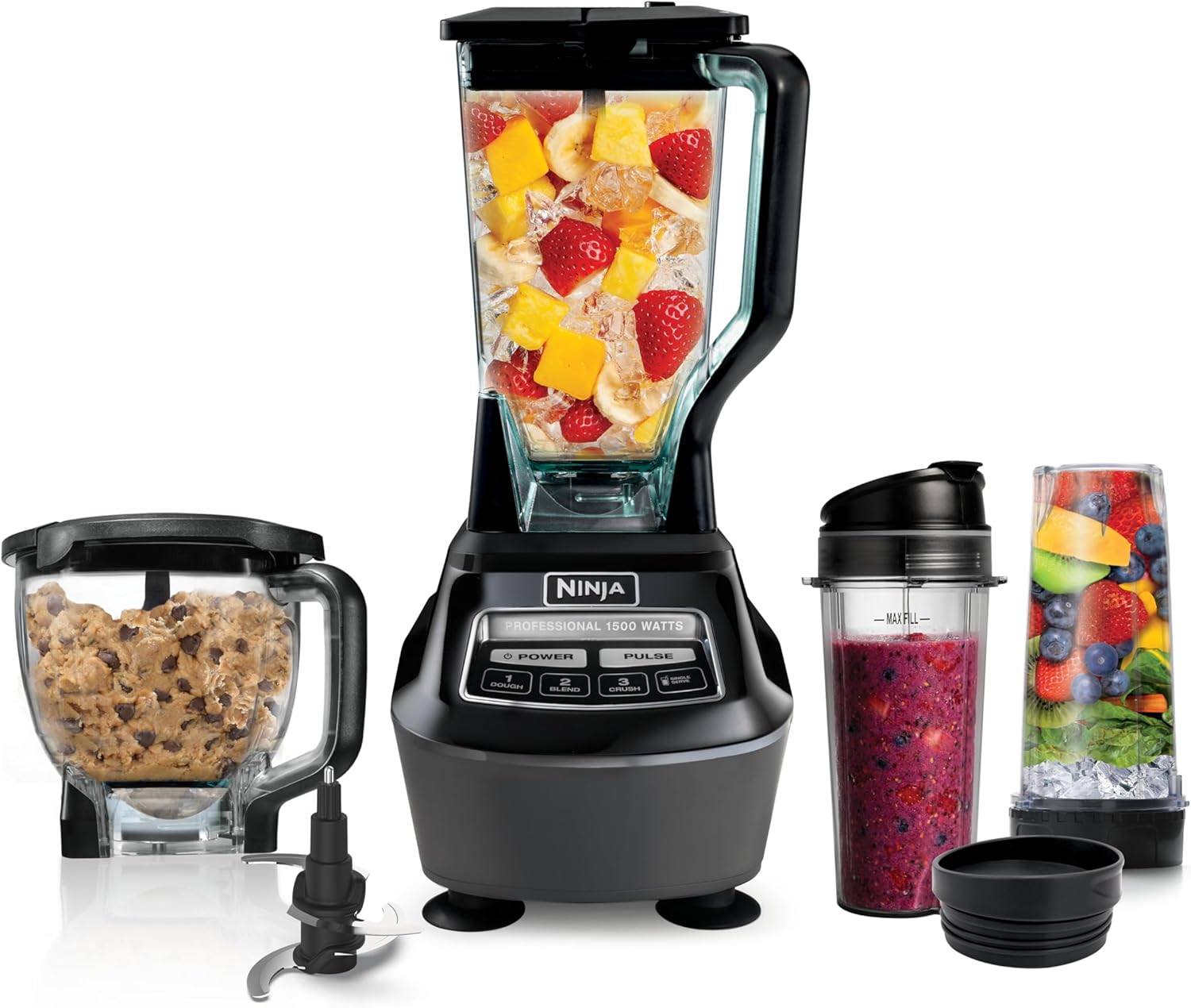
Having the right tools in your kitchen makes a big difference when preparing meals with fermented foods. A well-organized kitchen with quality cutting boards, mixing bowls, and storage containers will make it much easier to incorporate these foods into your routine. Check out our list of 21 kitchen utensils for inspiration on what to keep on hand.
Common Mistakes To Avoid When Eating Fermented Foods
Even though fermented foods are incredibly good for you, there are some common pitfalls to watch out for:
- Buying pasteurized products. Pasteurization kills the live cultures you are looking for. Always choose refrigerated, raw options.
- Eating too much too soon. Introducing large amounts of fermented foods suddenly can cause bloating and gas. Start with small portions.
- Ignoring sodium content. Some fermented foods like miso, kimchi, and sauerkraut are high in sodium. If you watch your salt intake, be mindful of portion sizes.
- Assuming all fermented foods are equal. Not every fermented product contains probiotics. Some are fermented for flavor only and do not retain live cultures.
- Skipping the variety. Eating only one type of fermented food limits the diversity of probiotics you consume. Rotate between different options for the best results.
Expert Tips For Making Fermented Foods At Home
Making fermented foods at home is easier than you might think. It also gives you complete control over the ingredients and the fermentation process. Here are some tips from experienced fermenters:
Invest In Basic Equipment
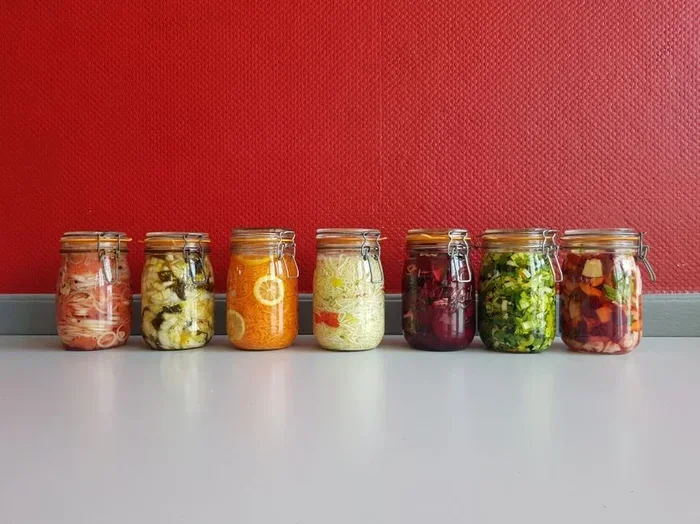
You do not need fancy equipment to start fermenting at home. All you really need are glass jars, salt, and fresh vegetables. A fermentation weight helps keep vegetables submerged under the brine, which prevents mold growth.
Having a well-stocked kitchen with the right tools makes the process smoother. A good set of kitchen utensils can save you time and frustration when preparing fermented dishes at home.
Use Quality Ingredients
The quality of your ingredients matters a lot in fermentation. Choose fresh, organic vegetables and unrefined salts like sea salt or Himalayan pink salt. The better the input, the better the output.
Be Patient
Fermentation takes time. Some foods like sauerkraut need one to four weeks to develop their full flavor and probiotic content. Do not rush the process. Let nature do its work, and the results will be worth the wait.
Keep It Clean
Always sanitize your jars and utensils before starting a new batch. While you want beneficial bacteria, you do not want harmful bacteria contaminating your ferment. A clean workspace leads to better results.
Track Your Progress
Keep a simple journal of what you are fermenting, the dates, and your observations. Over time, you will learn what works best for your taste preferences and your environment. Every batch teaches you something new.
Quick Tips For Choosing The Best Fermented Foods
- Always check for “live and active cultures” on the label.
- Choose refrigerated options over shelf-stable ones.
- Look for short ingredient lists with no artificial additives.
- Start with milder fermented foods like yogurt or kefir if you are a beginner.
- Buy from reputable brands or local producers who specialize in traditional fermentation methods.
- Store fermented foods properly to maintain their quality and potency.
Conclusion
Adding a fermented foods list to your weekly meal planning is one of the simplest and most effective ways to boost your health. From kimchi and sauerkraut to kombucha and kefir, there are so many delicious options to explore. Each one brings a unique combination of probiotics, vitamins, and minerals that support your gut, your immune system, and your overall well-being.
Remember to start small, read labels carefully, and aim for variety. Whether you buy fermented foods from the store or make them at home, the benefits are real and backed by science. Your gut will thank you, and you will feel the difference in your energy, mood, and digestion.
So go ahead. Pick one or two fermented foods from this fermented foods list and start today. Your journey to better health through better food begins with a single step — or in this case, a single bite.
Frequently Asked Questions
What is the most nutritious fermented food?
While all fermented foods offer benefits, many experts consider kefir and kimchi to be among the most nutritious. They contain a wide variety of probiotic strains and are rich in vitamins and minerals. The best choice depends on your individual health goals and dietary preferences.
How often should I eat fermented foods?
Most nutritionists recommend eating one to two servings of fermented foods per day. Start with smaller amounts if you are new to them, and gradually increase as your body adjusts. Consistency matters more than quantity.
Can fermented foods help with weight loss?
Fermented foods alone will not cause weight loss, but they can support your efforts. The probiotics in fermented foods may improve metabolism and help regulate appetite hormones. When combined with a balanced diet and regular exercise, they can be a helpful addition.
Are fermented foods safe for everyone?
Most people can safely enjoy fermented foods. However, individuals with compromised immune systems or severe digestive conditions should consult a healthcare provider first. Some people may experience temporary bloating when they first introduce fermented foods into their diet.
Can I make fermented foods at home without special equipment?
Absolutely. Many fermented foods like sauerkraut and kimchi require nothing more than vegetables, salt, water, and a glass jar. You do not need expensive equipment. A simple setup and a little patience are all you need to get started.
Do fermented foods expire?
Yes, fermented foods do have a shelf life, but it varies by type. Refrigerated fermented foods like kimchi and sauerkraut can last for several months past their printed date if stored properly. Always check for signs of spoilage like off smells or mold before consuming.