
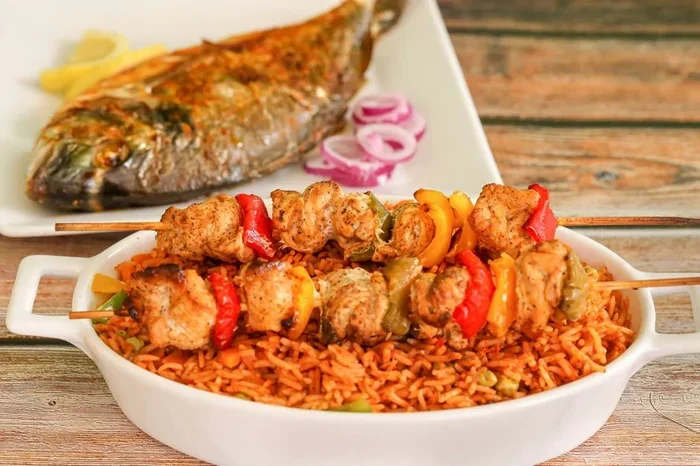
Jollof rice is a beloved West African one-pot dish made with rice, tomatoes, and aromatic spices. This guide covers everything from the essential ingredients to cooking techniques that give you perfectly smoky, flavorful jollof rice every time. Whether you are a beginner or a seasoned cook, you will find practical tips and secrets to elevate your jollof rice game.
Key Takeaways
- Authentic Base: The secret to great jollof rice lies in a rich tomato base blended with onions, scotch bonnet peppers, and a balanced spice mix.
- Rice Choice Matters: Long-grain parboiled rice works best because it stays firm and absorbs flavor without turning mushy.
- The “Party Jollof” Factor: Slight charring at the bottom of the pot, known as “kanzo,” adds a smoky depth that makes jollof rice legendary.
- Low and Slow Wins: Cooking jollof rice on low heat with a tight lid ensures even cooking and prevents burning.
- Regional Variations Exist: Nigerian, Ghanaian, and Senegalese jollof rice each bring unique twists to the dish.
- Storage and Reheating: Jollof rice stores well for up to 3 days and reheats beautifully in a pot or rice cooker.
📑 Table of Contents
- What Is Jollof Rice and Why Is It So Popular?
- Essential Ingredients for Authentic Jollof Rice
- Step-by-Step Jollof Rice Recipe
- Tips for the Perfect Jollof Rice Every Time
- Regional Variations of Jollof Rice
- Common Mistakes to Avoid When Making Jollof Rice
- How to Store and Reheat Jollof Rice
- Frequently Asked Questions About Jollof Rice
- Conclusion
What Is Jollof Rice and Why Is It So Popular?
Jollof rice is a one-pot rice dish that has its roots in West Africa. It is made by cooking rice in a rich, tomato-based sauce along with onions, peppers, and a blend of warm spices. The dish is a staple at celebrations, family gatherings, and weekend cookouts across Nigeria, Ghana, Senegal, and beyond.
What makes jollof rice so special is its bold, smoky flavor. Every family has its own recipe. Every cook has their own secret. And every region puts its own unique spin on the dish. This is exactly why jollof rice has become one of the most celebrated African dishes in the world.
People often compare jollof rice to fried rice or pilau. But jollof rice stands on its own. The tomato base gives it a deep red color and a rich, slightly tangy taste that you simply cannot get from other rice dishes. Once you make it at home, you will understand why people are so passionate about it.
Essential Ingredients for Authentic Jollof Rice
Getting the right ingredients is the first step to making perfect jollof rice. You do not need anything exotic. Most of these items are already in your kitchen or easy to find at any grocery store.
The Tomato Base
The foundation of any great jollof rice is the tomato sauce. You will need fresh tomatoes, tomato paste, and canned tomatoes if fresh ones are not available. The tomato base gives the rice its signature color and rich flavor. Some cooks also blend red bell peppers and onions into the mix for extra depth.
Rice Selection
Not all rice is equal when it comes to jollof rice. Long-grain parboiled rice is the best choice. It holds its shape, absorbs flavor well, and does not stick together. You can also use basmati rice for a slightly fragrant twist. Avoid short-grain or sushi rice because they tend to turn mushy.
If you are looking for the best vessel to cook your rice in, check out our guide on the best pot to cook rice on stove. A heavy-bottomed pot works wonders for jollof rice.
Spices and Seasonings
The spice blend is what transforms simple rice into jollof rice. Here is what you need:
- Bay leaves
- Thyme (dried or fresh)
- Curry powder
- White pepper
- Salt to taste
- Scotch bonnet pepper (for heat)
- Onion powder or blended onions
- Chicken or vegetable stock cubes
Protein and Vegetables (Optional)
While traditional jollof rice is a standalone dish, many people add protein. Chicken, beef, shrimp, or plantains all pair beautifully. You can also stir in green peas or carrots for color and nutrition.
Step-by-Step Jollof Rice Recipe
Now that you have your ingredients ready, let us walk through the process. Making jollof rice is straightforward, but patience is key. Rushing the process is the number one mistake home cooks make.
Step 1: Blend the Tomato Mixture
Start by blending fresh tomatoes, red bell peppers, onions, and scotch bonnet pepper into a smooth paste. You want a thin, pourable consistency. If the mixture is too thick, add a little water. This blend forms the soul of your jollof rice.
Step 2: Cook Down the Tomato Base
Pour the blended mixture into a large pot and bring it to a boil. Then reduce the heat and let it simmer until the water evaporates and the sauce thickens. This step is crucial. It concentrates the flavor and removes the raw tomato taste. This can take 20 to 30 minutes. Stir occasionally to prevent sticking.
Once the sauce has thickened, add your tomato paste. Stir well and let it cook for another 5 to 10 minutes. The paste deepens the color and adds richness. This is also where you add your thyme, curry powder, white pepper, and stock cubes.
Step 3: Fry the Tomato Sauce
Add oil or butter to a separate pan and fry the tomato sauce for about 10 minutes. This step, often called “frying the sauce,” removes excess moisture and develops a deeper flavor. The sauce should darken slightly and become thick and glossy.
Step 4: Add the Rice and Water
Add your washed parboiled rice directly into the tomato sauce. Stir gently to coat every grain. Then add your stock or water. The liquid should cover the rice by about one inch. Taste the liquid and adjust the salt now, since the rice will absorb all the seasoning.
Step 5: Cook on Low Heat
Cover the pot with a tight-fitting lid. Reduce the heat to low and let the rice cook undisturbed for about 25 to 35 minutes. Resist the urge to lift the lid or stir. The steam trapped inside does the work. Check the rice near the end. It should be tender and the water fully absorbed.
If you are using a rice cooker for this recipe, you can transfer the cooked tomato sauce and rice into the cooker. For tips on using your appliance, see our article on how to cook on rice cooker.
Step 6: The “Party Jollof” Finish
For that legendary smoky bottom, increase the heat to medium-low for the last 2 to 3 minutes. Listen for a gentle sizzle at the bottom of the pot. This slight char, known as “kanzo” in West African kitchens, is the mark of truly great jollof rice. Stir it in gently so every serving gets some of that crispy, smoky goodness.
Tips for the Perfect Jollof Rice Every Time
Mastering jollof rice takes a bit of practice. Even experienced cooks have off days. These tips will help you get consistent, delicious results.
Use Quality Tomato Paste
The tomato paste you choose matters more than you think. Look for a paste with deep red color and concentrated flavor. Avoid pastes that taste metallic or overly salty. A good tomato paste adds body and richness to the entire dish.
Do Not Skip the Frying Step
Frying the tomato sauce before adding the rice is non-negotiable. This step removes the raw, acidic taste of tomatoes and builds a complex, layered flavor. Skipping it will leave your jollof rice tasting flat and thin.
Season in Layers
Do not add all your seasoning at once. Season the tomato base, then again when you add the rice, and taste before serving. Layering flavors creates a more balanced and aromatic dish.
For additional flavor ideas, you might enjoy our guide on how to add flavor to rice in rice cooker. Many of these techniques translate beautifully to stovetop jollof rice as well.
Let It Rest
Once the rice is cooked, remove it from the heat and let it sit covered for 5 to 10 minutes. This resting period allows the rice to steam evenly and firm up slightly. It also makes the grains easier to fluff without breaking apart.
Adjust the Heat to Your Liking
Scotch bonnet peppers bring authentic heat to jollof rice. If you are sensitive to spice, remove the seeds and ribs before blending. You can also add a whole pepper and remove it before serving, which gives a milder flavor without overwhelming heat.
Regional Variations of Jollof Rice
One of the most fascinating things about jollof rice is how it varies from country to country. Each region has its own style, ingredients, and techniques. Here is a quick look at the most popular versions.
| Variation | Country | Key Characteristics |
|---|---|---|
| Nigerian Jollof Rice | Nigeria | Rich tomato base, smoky bottom, bold seasoning |
| Ghanaian Jollof Rice | Ghana | Uses basmati rice, slightly sweeter, less smoky |
| Senegalese Thieboudienne | Senegal | Fish-based, tamarind for tang, national dish |
| Cameroonian Jollof | Cameroon | Lighter tomato flavor, often with shrimp |
The Nigerian version is probably the most well-known internationally. It is bold, smoky, and unapologetically rich. The Ghanaian version tends to be slightly sweeter and uses basmati rice for a fluffier texture. The Senegalese version, called Thieboudienne, is a completely different dish with fish and tamarind, but it shares the same soul as jollof rice.
There is a friendly rivalry among West Africans about whose jollof rice is the best. This debate has become a cultural phenomenon. The truth is, every version is delicious in its own way. The best jollof rice is the one that tastes like home.
Common Mistakes to Avoid When Making Jollof Rice
Even with the best intentions, it is easy to make mistakes. Here are the most common ones and how to avoid them.
- Using the wrong rice: Short-grain rice turns sticky and mushy. Stick with long-grain parboiled rice or basmati.
- Adding too much water: Excess water makes the rice soggy and washes out the flavor. Measure carefully.
- Opening the lid too often: Every time you lift the lid, you release steam. Steam is what cooks the rice evenly. Keep the lid on.
- Rushing the tomato base: If you do not cook the tomato sauce long enough, your rice will taste raw and acidic.
- Overcrowding the pot: Use a large pot. The rice needs room to expand and steam properly.
- Forgetting to rest the rice: Skipping the resting step leads to mushy, overcooked grains.
If you have leftover jollof rice, you can store it and enjoy it later. Learn more about how long rice stays fresh in our article on how long can rice stay good in a rice cooker.
How to Store and Reheat Jollof Rice
Jollof rice tastes even better the next day. The flavors meld together and deepen overnight. Proper storage keeps it safe and delicious.
Let the rice cool to room temperature before storing. Place it in an airtight container and refrigerate within two hours. Properly stored jollof rice stays fresh for up to three days in the fridge. For longer storage, you can freeze it for up to one month.
When reheating, add a splash of water or stock to prevent drying out. Cover and heat on low, stirring gently. A rice cooker also works well for reheating. Our guide on how to reheat rice in rice cooker has detailed instructions that work perfectly for jollof rice.
Avoid reheating jollof rice multiple times. Each cycle dries it out further and increases the risk of bacterial growth. Reheat only what you plan to eat in one sitting.
Frequently Asked Questions About Jollof Rice
What is the difference between Nigerian and Ghanaian jollof rice?
Nigerian jollof rice typically uses long-grain parboiled rice and has a bolder, smokier flavor from frying the tomato base longer. Ghanaian jollof rice often uses basmati rice, resulting in a fluffier texture, and tends to be slightly sweeter with less emphasis on smokiness.
Can I make jollof rice without a stove?
Yes, you can cook jollof rice in a rice cooker. Prepare the tomato sauce on the stove first, then transfer everything to the rice cooker with the rice and water. Use the white rice setting and let it cook. This method is convenient and produces great results.
Why is my jollof rice mushy?
Mushy jollof rice usually means there was too much water or the rice cooked for too long. Make sure to measure your liquid carefully and use long-grain parboiled rice. Also, avoid lifting the lid while cooking, as this releases steam and can cause uneven texture.
Can I make jollof rice vegan?
Absolutely. Simply use vegetable stock instead of chicken stock, skip any meat, and use oil instead of butter. Jollof rice is naturally adaptable to vegan diets. The tomato base and spices provide plenty of flavor on their own.
What is “party jollof” and why is it famous?
“Party jollof” refers to jollof rice that has a slightly burnt, smoky layer at the bottom of the pot. This charred layer, called “kanzo,” is considered a delicacy in West African culture. It adds a unique smoky depth that makes party jollof rice so crave-worthy and legendary.
Can I freeze jollof rice for later?
Yes, jollof rice freezes well. Let it cool completely, then pack it into airtight freezer bags or containers. It stays good for up to one month in the freezer. Reheat on the stovetop with a little water or stock, covered, on low heat.
Conclusion
Making jollof rice at home is easier than you think. With the right ingredients, a little patience, and these simple techniques, you can create a dish that tastes just as good as any restaurant or family gathering version. The key is in the tomato base, the rice choice, and the low-and-slow cooking method.
Jollof rice is more than just a meal. It is a celebration of West African culture and culinary tradition. Every pot tells a story. Every family has its own secret. Now that you have the knowledge and techniques from this guide, you can start building your own jollof rice legacy.
Start with the basic recipe, experiment with your favorite spices, and find your perfect balance of smoky and savory. Once you make jollof rice at home, you will never look at plain rice the same way again. So grab your pot, blend those tomatoes, and get cooking. Your perfect jollof rice is waiting.



