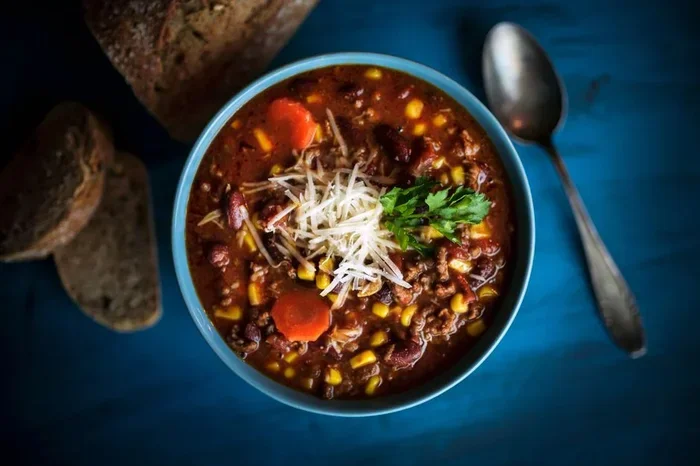
When making classic chili, the most commonly used beans are kidney beans, pinto beans, and black beans. Each bean brings a unique texture and flavor that can transform your homemade chili. Choosing the right bean depends on your recipe style, cooking method, and personal taste preferences.
When you think of a warm, hearty bowl of chili, beans probably come to mind right away. They are one of the most important ingredients in any classic chili recipe. But here is the thing, not all beans work the same way in chili. Some break down and thicken your pot, while others hold their shape and add a satisfying bite. So which beans are commonly used when making classic chili? Let us break it all down.
Chili is one of America’s most beloved comfort foods. Whether you cook it on the stove, in a slow cooker, or in a Dutch oven, beans play a big role. They add protein, fiber, and that thick, satisfying texture everyone loves. But with so many bean varieties at the grocery store, picking the right one can feel overwhelming. This guide will walk you through the most popular options and help you choose the best beans for your next pot of chili.
## Why Beans Matter in Classic Chili
Beans are not just an add-in for chili. They are a foundational ingredient. They bring body to the broth, balance the heat of the spices, and make every spoonful feel filling and complete. Without beans, chili would taste quite different.
### The Role of Beans in Chili Texture
Different beans create different textures. Some beans dissolve slightly as they cook, which naturally thickens your chili. Others stay firm and chewy, adding a pleasant bite. The bean you choose will change the entire feel of your dish. If you like thick, chunky chili, you want beans that hold their shape. If you prefer a smoother, more stew-like consistency, beans that break down a bit work better.
### Beans Add Nutrition Too
Beyond texture, beans pack a serious nutritional punch. They are loaded with plant-based protein, fiber, iron, and potassium. Adding beans to your chili means you get a more balanced, nourishing meal without extra effort. This is one reason chili is such a popular meal for families and meal prep.
## Kidney Beans: The Classic Chili Bean
Kidney beans are the undisputed king of chili beans. When most people picture a bowl of classic chili, they see those reddish-brown, kidney-shaped beans floating in the rich sauce. They are the go-to choice for a reason.
### Why Kidney Beans Work So Well
Kidney beans have a firm skin that holds up during long cooking times. They do not turn mushy the way some other beans do. This makes them perfect for chili, which often simmers for hours. Their mild, slightly earthy flavor absorbs the spices, tomatoes, and meat juices beautifully.
Another big plus, kidney beans are widely available. You can find them canned or dried at almost any grocery store. They are also affordable, which makes them a practical choice for everyday cooking.
### Tips for Using Kidney Beans in Chili
If you use canned kidney beans, drain and rinse them before adding them to your pot. This removes excess sodium and the starchy liquid that can make your chili taste slightly off. If you use dried kidney beans, soak them overnight and cook them separately before adding them to your chili. This ensures they cook evenly and maintain a great texture.
## Pinto Beans: The Creamy Comfort Bean
Pinto beans are another top choice for classic chili, especially in southwestern and Tex-Mex style recipes. They have a mild, nutty flavor and a creamy texture that blends wonderfully with bold chili spices.
### What Makes Pinto Beans Special
Pinto beans are softer than kidney beans when cooked. They tend to break down a little during the long simmering process, which naturally thickens your chili. If you like a heartier, more cohesive bowl of chili, pinto beans are a fantastic option.
Their mild flavor also makes them a perfect partner for strong spices like cumin, chili powder, and smoked paprika. They do not overpower the dish. Instead, they soak up all those wonderful flavors and become part of the sauce.
### How to Use Pinto Beans in Chili
You can use pinto beans canned or dried. Canned pinto beans save time and work great in quick weeknight chili recipes. Dried pinto beans need soaking and longer cooking, but they offer a richer, more authentic flavor. For the best results, add dried pinto beans early in the cooking process so they have time to soften and absorb the chili broth.
## Black Beans: The Bold and Earthy Choice
Black beans bring a deeper, earthier flavor to chili. They are especially popular in Mexican-style chili and vegetarian chili recipes. Their dark color also adds a striking visual contrast to the bright red or orange of your chili sauce.
### Why Black Beans Shine in Chili
Black beans have a dense, creamy interior that holds up well during cooking. They do not fall apart easily, which gives your chili a satisfying bite. Their flavor is slightly sweet and rich, which pairs beautifully with tomatoes, peppers, and onions.
Many cooks also love black beans because they blend well with other bean varieties. You can mix black beans with kidney beans or pinto beans for a more complex chili with layers of flavor and texture.
### Best Practices for Black Beans in Chili
Like with other beans, you can use canned or dried black beans. Canned beans are convenient and work well in most recipes. If you use dried black beans, plan for a longer soak and cooking time since they are denser than kidney or pinto beans. Adding them to your chili about 45 minutes before serving gives them time to cook through without losing their shape.
## Navy Beans and Great Northern Beans: The Underrated Options
Not everyone thinks of navy beans or Great Northern beans when they picture chili, but these white beans deserve more attention. They are mild, creamy, and work beautifully in certain styles of chili.
### Navy Beans
Navy beans are small, white, and very tender. They cook quickly and tend to break down easily, which makes them ideal for thick, stew-like chili. They have a very mild flavor that lets the spices and meat take center stage.
### Great Northern Beans
Great Northern beans are slightly larger than navy beans and hold their shape a bit better. They have a delicate, nutty flavor that complements the hearty ingredients in chili. These beans are a great middle ground between the firmness of kidney beans and the creaminess of pinto beans.
## Canned Beans vs. Dried Beans for Chili
One of the most common questions home cooks ask is whether to use canned or dried beans in chili. Both options work well, but they come with different trade-offs.
### The Case for Canned Beans
Canned beans are fast and convenient. You can open a can, rinse the beans, and toss them right into your chili. They are already cooked, so there is no waiting for them to soften. For busy weeknights or quick weeknight dinners, canned beans are a lifesaver.
The downside is that canned beans can contain added sodium. Always drain and rinse them to reduce salt levels. Some cooks also feel that canned beans have a slightly softer texture compared to dried beans.
### The Case for Dried Beans
Dried beans offer a richer, more robust flavor. They cook in their own liquid, which means you can control the seasoning from the start. Dried beans also have a firmer texture that holds up better during long simmering.
The trade-off is time. Dried beans need soaking, usually overnight, and then several hours of cooking. If you have the time, dried beans are worth the extra effort. For best results with dried beans, check out our guide on how to store beans after soaking to make the most of your batch.
### Quick Comparison Table
| Feature | Canned Beans | Dried Beans |
|---|---|---|
| Prep Time | Minutes | Hours (soaking + cooking) |
| Flavor | Mild, slightly tinny | Rich, full-bodied |
| Texture | Softer | Firmer, holds shape better |
| Sodium | Higher (rinse to reduce) | None added |
| Cost | Higher per serving | Lower per serving |
| Convenience | Very high | Requires planning |
## How to Choose the Best Beans for Your Chili
Picking the right beans comes down to a few simple factors. Think about the style of chili you want to make, how much time you have, and what flavors you love.
### Consider Your Chili Style
Traditional Texas chili often omits beans entirely, but many other styles rely heavily on them. Southwestern chili pairs well with pinto beans. Mexican-style chili shines with black beans. Classic American chili leans on kidney beans as the standard.
### Think About Cooking Time
If you are using a slow cooker or pressure cooker, choose beans that hold their shape well. Kidney beans and black beans are great choices for these methods. If you are making a quick stovetop chili, canned beans save you a lot of time and effort.
### Experiment with Mixes
Do not be afraid to combine beans. A mix of kidney beans and black beans gives you the best of both worlds. You get the firmness of kidney beans and the rich flavor of black beans in every bite. Many cooks find that a two-bean or three-bean chili is the most satisfying option.
## Common Mistakes People Make with Beans in Chili
Even experienced cooks sometimes make mistakes when adding beans to chili. Here are a few to watch out for.
### Adding Beans Too Early or Too Late
Adding beans too early can cause them to overcook and turn mushy. Adding them too late means they may not absorb enough flavor. A good rule of thumb is to add canned beans during the last 20 to 30 minutes of cooking. For dried beans, add them early enough that they cook through completely.
### Skipping the Rinse
Never skip rinsing canned beans. The liquid they come in is full of starch and sodium. Rinsing them under cold water removes the excess salt and gives you cleaner, better-tasting chili.
### Using Only One Bean Type
While a single bean works fine, mixing beans adds depth and interest to your chili. Try combining two or three varieties for a more complex and satisfying bowl.
## Expert Tips for Perfect Bean Chili
Here are some pro tips that will take your chili to the next level.
– Soak dried beans overnight. This reduces cooking time and helps the beans cook evenly.
– Season your beans separately. Cooking beans with a little garlic and onion before adding them to chili boosts their flavor.
– Add beans in stages. If you use multiple bean types, add the firmer beans first and the softer ones later.
– Let chili rest before serving. Chili thickens as it sits, and the beans absorb more flavor overnight.
– Use homemade stock when possible. It gives the beans a richer base to soak up all those delicious flavors.
## Final Thoughts on Beans for Classic Chili
Choosing the right beans can truly make or break your chili. Whether you stick with the classic kidney bean, go creamy with pinto beans, or bring bold flavor with black beans, each option has something special to offer. The beauty of chili is that you can customize it to your taste. Mix beans, try new varieties, and find your perfect combination.
Next time you are planning a pot of chili, think about what kind of experience you want. Do you want thick and hearty, or light and brothy? Do you prefer a specific flavor profile? Your answers to these questions will guide you to the right beans. And remember, the best chili is the one you enjoy eating. So experiment, have fun, and make it your own.
For more chili inspiration, check out our classic taco soup recipe with ground beef which pairs beautifully with similar bean choices. You can also explore our guide on how long to cook mung beans in a pressure cooker if you are curious about cooking beans quickly. And for those who love a good slow-cooked meal, our crockpot ham and beans recipe is another fantastic way to enjoy beans in a comforting, easy-to-make dish.
Key Takeaways
- Kidney beans are the #1 choice for classic chili: They hold their shape well and absorb chili flavors beautifully.
- Pinto beans add creaminess and mild flavor: They blend seamlessly into southwestern-style chili recipes.
- Black beans bring a rich, earthy taste: They work wonderfully in hearty, bold chili dishes.
- Canned vs. dried beans both work: Each option has pros and cons for convenience and flavor.
- You can mix bean varieties: Combining beans creates a more complex texture and flavor profile.
- Soaking dried beans matters: Proper soaking reduces cooking time and improves texture.
- Bean choice affects chili consistency: Some beans thicken your pot, while others stay firm.
Frequently Asked Questions
Can I use frozen beans instead of canned or dried beans in chili?
Yes, frozen beans work in a pinch. They are usually pre-cooked, so you can add them directly to your chili. However, they may have a slightly different texture than canned or dried beans. Drain them well before adding to avoid extra liquid in your pot.
How many beans should I add to a pot of chili?
A good starting point is about one to two cups of beans per pound of meat. This gives you a balanced chili with enough beans to add substance without overwhelming the other ingredients. Adjust based on your personal preference and the number of servings you need.
Are kidney beans safe to eat in chili without pre-cooking?
Yes, canned kidney beans are fully cooked and safe to eat straight from the can. Just make sure to drain and rinse them first. If you use dried kidney beans, you must cook them thoroughly before adding them to your chili to avoid any digestive issues.
Can I make chili without any beans at all?
Absolutely. Some traditional chili recipes, especially Texas-style chili, do not include beans at all. The chili relies on meat, tomatoes, and spices for its flavor and body. If you prefer bean-free chili, simply omit them and focus on quality meat and a rich sauce.
Which beans are the highest in protein for chili?
All common chili beans are good sources of protein, but kidney beans and black beans tend to have the highest protein content per serving. A cup of cooked kidney beans provides about 15 grams of protein, making them an excellent addition to a protein-rich meal.
Can I add beans to chili right at the beginning of cooking?
If you are using canned beans, it is better to add them in the last 20 to 30 minutes of cooking. This prevents them from becoming too soft and mushy. If you are using dried beans, add them early so they have enough time to cook through and absorb the chili flavors.
=== CONCLUSION ===
The beans you choose shape your chili in big ways. Kidney beans, pinto beans, and black beans are the most commonly used options, and each one brings something unique to the table. Kidney beans give you firmness and that classic chili look. Pinto beans add creaminess and a mild, nutty flavor. Black beans bring bold, earthy richness. You can use one type or mix several for a more complex chili.
Remember that canned and dried beans both work well. Canned beans save time, while dried beans deliver deeper flavor. Rinse your beans, add them at the right time, and do not be afraid to experiment with combinations. The best chili is the one that fits your taste and your schedule.
Now that you know which beans are commonly used when making classic chili, you are ready to head to the kitchen and create something delicious. Grab your favorite beans, fire up the stove, and enjoy a warm, hearty bowl of chili tonight.