
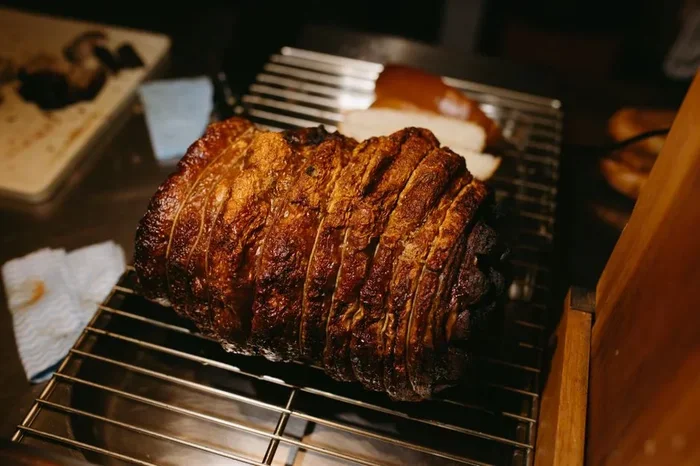
Our pork shoulder roasting time chart gives you exact cook times, temperatures, and tips for perfect results every time. Whether you are cooking bone-in or boneless, we cover all the details you need. Learn how long to roast pork shoulder at different temperatures and sizes. This guide makes meal planning easy and stress-free for beginners and pros alike.
There is nothing quite like a perfectly roasted pork shoulder. The meat falls apart with just a touch, the outside is crispy and golden, and the whole house smells incredible. But getting to that point can feel tricky if you do not know exactly how long to cook it or at what temperature.
That is exactly why we put together this pork shoulder roasting time chart. Whether you are a first-time cook or someone who roasts pork shoulder every weekend, this guide has everything you need. We break down cook times by weight, temperature, and cut so you can plan your meals with confidence.
Below you will find a detailed pork shoulder roasting time chart, helpful tips for each stage of cooking, and answers to the most common questions we hear. Let us get started so your next pork shoulder roast turns out better than ever.
Key Takeaways
- Cooking Time Varies by Weight: A 4 to 8 pound pork shoulder takes roughly 4 to 10 hours depending on your oven temperature and whether it is bone-in or boneless.
- Low and Slow Is the Way to Go: Roasting at 250°F to 325°F gives you the most tender, juicy results with a beautiful crust.
- Internal Temperature Matters Most: Pull your pork shoulder when it reaches 195°F to 205°F for the best shreddable texture.
- Bone-In Takes Longer: Expect an extra 30 to 60 minutes compared to boneless cuts of the same weight.
- Resting Is Non-Negotiable: Let the roast rest for at least 20 to 30 minutes before cutting to lock in juices.
- Use a Meat Thermometer: Never rely on time alone. A reliable thermometer removes all guesswork from pork shoulder roasting.
- Leftovers Are a Bonus: Extra pork shoulder makes amazing sandwiches, tacos, and soups throughout the week.
📑 Table of Contents
- Why a Pork Shoulder Roasting Time Chart Matters
- Pork Shoulder Roasting Time Chart by Weight
- Bone-In vs Boneless Pork Shoulder: What You Need to Know
- Internal Temperature: The Most Important Factor
- Tips for the Perfect Pork Shoulder Roast
- Common Mistakes to Avoid When Roasting Pork Shoulder
- Quick Reference: Pork Shoulder Roasting Time Chart
- Conclusion
Why a Pork Shoulder Roasting Time Chart Matters
Cooking pork shoulder without a plan is like driving without a map. You might eventually get there, but you will likely waste time and possibly end up with dry or undercooked meat. A pork shoulder roasting time chart removes all the guesswork. It tells you exactly what to expect based on the size of your cut and your chosen cooking temperature.
Here is why having a clear time chart makes such a big difference:
- Meal Planning Becomes Easy: You know exactly when dinner will be ready, which is especially helpful when feeding a family or hosting guests.
- You Avoid Overcooking: Pork shoulder dries out fast if you leave it in too long. A chart keeps you on track.
- Consistent Results Every Time: Once you learn the patterns, you can replicate your perfect roast without fail.
- It Builds Confidence: New cooks feel more comfortable when they have a clear roadmap to follow.
The key thing to remember is that time is only one part of the equation. Internal temperature matters just as much, if not more. We will cover that in detail below.
Pork Shoulder Roasting Time Chart by Weight
This is the heart of our guide. The chart below shows estimated roasting times for pork shoulder at three popular temperatures. These times apply to a standard oven set to the listed temperature. Always use a meat thermometer to confirm doneness.
Roasting Times at 250°F (Low and Slow)
Cooking at 250°F is the go-to method for many barbecue fans and home cooks who want ultra-tender results. The low temperature slowly breaks down the connective tissue in the pork, giving you that melt-in-your-mouth texture.
- 3 to 4 pounds: 4 to 5 hours
- 4 to 6 pounds: 5 to 7 hours
- 6 to 8 pounds: 7 to 9 hours
- 8 to 10 pounds: 9 to 11 hours
This method takes the longest but delivers the most flavorful results. It is ideal for weekends when you have plenty of time. Many people who make pulled pork prefer this approach because it gives the meat a deep, smoky flavor even without a smoker.
Roasting Times at 300°F (Balanced Approach)
Roasting at 300°F strikes a nice balance between speed and tenderness. You get great flavor without spending the whole day in the kitchen.
- 3 to 4 pounds: 3 to 4 hours
- 4 to 6 pounds: 4 to 5.5 hours
- 6 to 8 pounds: 5.5 to 7 hours
- 8 to 10 pounds: 7 to 9 hours
This temperature works well for weeknight dinners when you start the roast in the morning. The meat develops a nice crust while staying juicy on the inside.
Roasting Times at 325°F (Faster Method)
If you need your pork shoulder done faster, 325°F is your best bet. The higher temperature shortens cook time significantly while still producing tender meat.
- 3 to 4 pounds: 2.5 to 3.5 hours
- 4 to 6 pounds: 3.5 to 4.5 hours
- 6 to 8 pounds: 4.5 to 6 hours
- 8 to 10 pounds: 6 to 7.5 hours
Keep in mind that higher temperatures can dry out the outer layers if you are not careful. Wrapping the shoulder in foil partway through helps retain moisture.
Bone-In vs Boneless Pork Shoulder: What You Need to Know
One of the biggest factors that affects your pork shoulder roasting time is whether you choose bone-in or boneless. Each option has its own advantages, and understanding the differences helps you plan better.
Bone-In Pork Shoulder
Bone-in pork shoulder takes longer to cook because the bone slows down heat transfer. However, many cooks prefer it because the bone adds extra flavor to the meat. The roast also looks more impressive on a serving platter, which makes it a great choice for holiday gatherings or dinner parties.
As a general rule, add about 30 to 60 minutes to the times listed in the chart above if you are cooking bone-in pork shoulder. The bone acts as an insulator, so the meat near it takes a bit longer to reach the right internal temperature.
Boneless Pork Shoulder
Boneless pork shoulder cooks faster and more evenly since there is no bone blocking the heat. It is also easier to carve and shred after cooking. If you are short on time or prefer convenience, boneless is the way to go.
Boneless cuts work beautifully for pulled pork. After roasting, you simply shred the meat with two forks and mix it with your favorite barbecue sauce. The result is a crowd-pleasing dish that everyone loves. If you want more ideas for preparing boneless pork, check out our guide on 13 Boneless Pork Chop Recipes That Are Juicy Tender for inspiration on getting the most out of boneless cuts.
Internal Temperature: The Most Important Factor
Time is helpful, but internal temperature is the real gold standard for knowing when your pork shoulder is done. Relying solely on a clock can lead to overcooked or undercooked meat, and nobody wants that.
Here are the key temperature benchmarks you should know:
- 145°F: This is the USDA-recommended safe temperature for pork. However, pork shoulder at this temperature will still be tough and chewy because the connective tissue has not fully broken down.
- 160°F to 170°F: The meat is cooked through but not yet tender. It will still have a lot of chew and is not ideal for pulling.
- 195°F to 205°F: This is the sweet spot for pork shoulder. The collagen has fully melted, and the meat will shred easily with a fork. This is the target range for most pulled pork and slow-roasted pork shoulder recipes.
Invest in a good instant-read meat thermometer if you do not already have one. Probe thermometers are even better because you can monitor the temperature without opening the oven door every few minutes. Every time you open the oven, you lose heat and extend the cooking time.
Quick Tip: Insert the thermometer into the thickest part of the shoulder, avoiding any bone. The bone conducts heat differently and can give you a false reading.
Tips for the Perfect Pork Shoulder Roast
Now that you understand the timing and temperature basics, let us look at some pro tips that take your pork shoulder from good to great.
Start with a Quality Cut
The quality of your pork shoulder matters more than you might think. Look for a cut with good marbling, which means thin streaks of fat running through the meat. This fat melts during cooking and keeps the pork shoulder moist and flavorful. Avoid cuts that look dry or have very little fat.
If you are unsure which cut to buy, ask your butcher for a recommendation. A good butcher can guide you toward the best pork shoulder for roasting based on what you plan to make.
Season Generously
Pork shoulder has a lot of flavor, but a solid seasoning blend takes it to the next level. A simple rub of salt, black pepper, garlic powder, and paprika works wonders. Some cooks like to add brown sugar for a touch of sweetness and a beautiful caramelized crust.
Apply your seasoning at least one hour before cooking, or even the night before. Letting the rub sit on the meat allows the flavors to penetrate deeper. For more seasoning ideas, our 16 Bone In Pork Chop Recipes For Flavorful Meals article has some excellent rub and marinade suggestions that work just as well on pork shoulder.
Do Not Skip the Resting Period
This is one of the most overlooked steps in pork shoulder roasting. Once the meat reaches its target internal temperature, take it out of the oven and let it rest for at least 20 to 30 minutes. During this time, the juices redistribute throughout the meat, making it much more tender and flavorful when you cut into it.
If you skip the resting period and cut right away, all those delicious juices will run out onto the cutting board instead of staying in the meat. That is a lot of flavor you will be missing out on.
Wrap in Foil for Moisture Retention
Wrapping your pork shoulder in foil partway through the cook is a technique borrowed from barbecue tradition. It is sometimes called the “Texas crutch.” The foil creates a sealed environment that traps steam and moisture, preventing the outer layers from drying out.
Wrap the shoulder in foil once it has developed a nice bark (the flavorful crust on the outside). Continue cooking until it reaches the target internal temperature. Then remove the foil for the last 15 to 20 minutes if you want the bark to get extra crispy.
Plan for Leftovers
Pork shoulder is one of those dishes that actually gets better the next day. The flavors have time to meld together, and the meat absorbs more of the juices and sauce. Plan to cook more than you need so you can enjoy leftovers throughout the week.
Leftover pork shoulder makes fantastic sandwiches, tacos, nachos, and soups. For creative ways to use your leftovers, our 20 Leftover Pork Chop Recipe Ideas article is packed with inspiration. Most of these ideas work just as well with pork shoulder since the meat is so versatile.
Common Mistakes to Avoid When Roasting Pork Shoulder
Even experienced cooks can make mistakes when roasting pork shoulder. Here are the most common pitfalls and how to avoid them.
- Skipping the Thermometer: Time estimates are just that, estimates. Every oven is different, and every cut of meat varies in size and shape. A thermometer takes the guesswork out completely.
- Cooking at Too High a Temperature: It is tempting to turn up the heat to save time. But high temperatures toughen the protein fibers before the collagen has a chance to break down. Stick with low and slow for the best results.
- Not Letting the Meat Rest: Cutting into the roast too early releases all the juices. Patience pays off here.
- Underseasoning: Pork shoulder needs a bold seasoning profile. Do not be shy with your rub. The thick layer of fat needs strong flavors to penetrate through.
- Ignoring Carryover Cooking: The internal temperature of the pork shoulder will rise 5 to 10 degrees after you take it out of the oven. Factor this into your decision about when to pull the roast.
Quick Reference: Pork Shoulder Roasting Time Chart
Here is a quick summary you can refer to whenever you are planning your next pork shoulder roast. Print it out or save it to your phone for easy access in the kitchen.
- 250°F (Low and Slow): 10 to 15 minutes per pound for bone-in. 8 to 12 minutes per pound for boneless.
- 300°F (Balanced): 8 to 12 minutes per pound for bone-in. 6 to 10 minutes per pound for boneless.
- 325°F (Faster): 6 to 9 minutes per pound for bone-in. 5 to 8 minutes per pound for boneless.
- Target Internal Temperature: 195°F to 205°F for tender, shreddable meat.
- Resting Time: Minimum 20 minutes, ideally 30 minutes, before cutting.
Keep in mind that these are guidelines, not exact rules. Use them as a starting point and adjust based on your specific oven, the size of your cut, and your personal preferences. The more you roast pork shoulder, the better you will get at reading your own oven and adjusting accordingly.
For those who love experimenting with different cooking methods, our 17 Slow Cooker Pork Chop Recipes For Families article explores slow cooking as an alternative to oven roasting. Both methods produce tender, flavorful pork, so it is worth trying both to see which you prefer.
Conclusion
Roasting pork shoulder does not have to be complicated. With the right pork shoulder roasting time chart, a good meat thermometer, and a little patience, you can achieve restaurant-quality results in your own kitchen. The key is to cook low and slow, hit the right internal temperature, and never rush the resting period.
Remember that every pork shoulder is a little different, so treat the time chart as a guide rather than a strict rule. Trust your thermometer, trust your instincts, and most importantly, enjoy the process. The aroma of a slow-roasting pork shoulder filling your kitchen is one of life’s simple pleasures.
Now that you have all the information you need, it is time to fire up your oven and put this knowledge to work. Your next pork shoulder roast is going to be a showstopper. Happy cooking!
Frequently Asked Questions
How long does it take to roast a 4-pound pork shoulder?
At 250°F, a 4-pound pork shoulder takes about 4 to 5 hours. At 300°F, it takes roughly 3 to 4 hours. At 325°F, expect about 2.5 to 3.5 hours. Always check the internal temperature rather than relying solely on time. The meat is done when it reaches 195°F to 205°F.
Can I roast pork shoulder at 350°F?
Yes, you can roast pork shoulder at 350°F, but the cook time will be shorter and the meat may be less tender. You will need to monitor the internal temperature closely to avoid drying out the outer layers. Wrapping in foil partway through helps retain moisture at higher temperatures.
How do I know when pork shoulder is done without a thermometer?
The best way to tell is by using a probe or fork test. Insert a fork into the thickest part of the meat and twist. If the meat pulls apart easily with little resistance, it is done. However, a meat thermometer is always the most reliable method for checking doneness accurately.
Should I cover pork shoulder with foil while roasting?
Covering pork shoulder with foil partway through the cook helps retain moisture and speeds up cooking slightly. Many cooks leave the meat uncovered for the first half to develop a nice bark, then wrap it in foil for the remainder. You can also leave it uncovered the entire time if you prefer a crispier exterior.
How much cooked pork shoulder will I get from a raw cut?
Pork shoulder loses about 30 to 40 percent of its weight during cooking due to moisture loss and fat rendering. So a 10-pound raw pork shoulder will yield roughly 6 to 7 pounds of cooked meat. Plan about 1/3 to 1/2 pound of cooked meat per person for serving.
What is the best way to reheat leftover roasted pork shoulder?
The best way to reheat leftover pork shoulder is to add a splash of broth or barbecue sauce and warm it in a covered pan over low heat on the stovetop. You can also reheat it in the oven at 250°F wrapped in foil to keep it moist. Avoid microwaving if possible, as it can dry out the meat quickly.
=== INTERNAL LINKS ===
- 13 Boneless Pork Chop Recipes That Are Juicy Tender
- 16 Bone In Pork Chop Recipes For Flavorful Meals
- 20 Leftover Pork Chop Recipe Ideas
- 17 Slow Cooker Pork Chop Recipes For Families



