
Choosing the right butter churner makes homemade butter easy and fun. Whether you prefer a hand-cranked model or an electric butter churner, this guide walks you through every option. You will learn about types, features, and top picks to find your ideal butter churner.
Making butter at home feels rewarding in a way that store-bought simply cannot match. The rich aroma, the creamy texture, and the satisfaction of creating something from scratch — it all starts with choosing the right butter churner. Whether you are a seasoned homesteader or a curious home cook, this guide will help you find the perfect machine for your kitchen.
A butter churner is more than just a gadget. It is a tool that connects you to centuries of food traditions. People have been churning cream into butter for thousands of years, and today’s models make the process easier than ever. In this guide, we will break down every type, feature, and consideration so you can make a confident choice.
Key Takeaways
- Multiple Types Available: From traditional wooden churns to modern electric models, there is a butter churner for every skill level and budget.
- Electric Models Save Time: An electric butter churner can produce fresh butter in minutes with minimal effort.
- Hand-Cranked Options Are Authentic: Manual churners offer a traditional experience and give you full control over the churning process.
- Capacity Matters: Choose a size that fits your household needs, from small batches for two to large batches for a family.
- Material Affects Flavor: Wood, stainless steel, and plastic each bring different benefits to your butter-making experience.
- Easy Cleanup Is Key: Look for models that are simple to disassemble and clean after each use.
📑 Table of Contents
Why You Should Use a Butter Churner
Before diving into the options, let us talk about why a butter churner deserves a spot in your kitchen. The benefits go far beyond just making butter.
First, homemade butter tastes incredible. You control the ingredients. No preservatives, no additives, just pure cream and salt if you want it. Second, churning butter is a fun and educational activity. Kids love watching cream transform into solid butter right before their eyes. It teaches them about food science in the most hands-on way possible.
Third, making your own homemade butter can save money over time. A single pint of heavy cream yields about one cup of butter. When you factor in the cost of quality cream versus store-bought organic butter, the savings add up. Plus, you can use fresh butter in so many recipes, from baking to cooking to simply spreading on warm toast.
Many people also enjoy the artisanal quality of hand-churned butter. The texture is often creamier and more flavorful than commercial alternatives. Once you start making your own, it is hard to go back.
Types of Butter Churners
Not all butter churners are the same. Each type offers a unique experience, and understanding the differences helps you pick the right one for your needs.
Hand-Cranked Butter Churners
The hand-cranked butter churner is the classic choice. These models require you to turn a handle or crank a dasher to agitate the cream. The process takes anywhere from 20 to 45 minutes, depending on the temperature of the cream and the model you choose.
Hand-cranked churners are perfect for people who enjoy a slower, more intentional kitchen process. They are also great for camping trips or situations where you do not have access to electricity. Most hand-cranked models are made from wood, glass, or food-grade plastic.
The Mason jar churner is one of the most popular hand-cranked options. You simply add heavy cream to a mason jar with a built-in dasher and shake away. They are affordable, compact, and easy to store.
Electric Butter Churners
If you want speed and convenience, an electric butter churner is the way to go. These machines do all the work for you. You pour in the cream, press a button, and wait for the magic to happen.
Most electric models produce butter in 10 to 20 minutes. Some advanced units can churn multiple batches in an hour. They are ideal for families, small-scale homesteaders, or anyone who wants fresh butter without the arm workout.
Electric churners come in various sizes. Some are designed for countertop use, while others are more compact and fit easily in a kitchen cabinet. Look for models with a motor that can handle continuous churning without overheating.
Traditional Wooden Butter Churns
Traditional wooden churns, like the classic dash churn or the barrel churn, represent the oldest method of butter making. These beautiful pieces of kitchen history are often crafted from oak, maple, or other hardwoods.
Wooden churns add a rustic charm to any kitchen. They also provide natural insulation, which helps maintain a consistent temperature during the churning process. Many people who value traditional cooking methods swear by the flavor that a wooden butter churner produces.
However, wooden churns require more maintenance. You need to season them properly and keep them dry to prevent mold. If you are willing to put in the care, a wooden churner can last for generations.
Mini and Portable Butter Churners
For those who only need a small batch, mini butter churners are a fantastic option. These compact machines typically churn half a cup to one cup of cream at a time. They are perfect for couples, singles, or anyone testing the butter-making waters for the first time.
Portable churners are also great for travel. You can bring one to a farmers market, a cooking class, or a family gathering. They make wonderful gifts for food lovers who appreciate the art of homemade cooking.
Key Features to Consider
Not every butter churner is created equal. Here are the features that matter most when making your decision.
Capacity
Capacity is one of the first things to think about. How much butter do you want to make at once? A single batch of butter typically requires about two cups of heavy cream, which yields roughly one cup of butter.
For individuals or couples, a small-capacity churner that handles one to two cups of cream works perfectly. Families might want a larger model that can process four cups or more. Keep in mind that overfilling a churner can lead to uneven churning and messy results.
Material
The material of your butter churner affects both performance and cleanup. Here is a quick comparison:
- Wood: Beautiful and traditional, but requires regular maintenance.
- Stainless Steel: Durable, easy to clean, and resistant to staining.
- Glass: Lets you watch the churning process, but can be fragile.
- Plastic: Lightweight and affordable, but may not last as long.
Stainless steel is often the best all-around choice. It is sturdy, hygienic, and easy to wipe down after each use. If you want to see the cream transform into butter in real time, a glass jar model is a delightful option.
Speed and Power
For electric models, speed and power are critical. A motor with at least 100 watts should handle most churning tasks smoothly. Look for models with adjustable speed settings, as different creams and temperatures may require different churning speeds.
Some electric butter churners also come with a reverse function. This feature helps break up the butter solids more efficiently and can shorten your overall churning time.
Ease of Cleaning
Let us be honest — cleanup is not the most fun part of making butter. Choose a butter churner with removable parts that are dishwasher safe. A model with fewer crevices and joints will save you time and frustration.
After churning, you need to wash the butter thoroughly to remove buttermilk. Residual buttermilk can cause the butter to spoil faster, so rinse it well under cold water and work the butter gently with a spatula or wooden spoon to expel excess liquid.
How to Choose the Right Butter Churner for You
With so many options available, picking the right butter churner can feel overwhelming. Here is a simple framework to guide your decision.
Start by asking yourself what you want from the experience. Do you want a quick, no-fuss way to make butter at home? Go electric. Do you want a traditional, hands-on experience? Choose a hand-cranked model. Are you drawn to the beauty of old-world craftsmanship? A wooden churner might be your perfect match.
Next, consider your budget. Hand-cranked mason jar churners can cost as little as 15 to 30 dollars. Electric models range from 40 to 200 dollars depending on features and capacity. Traditional wooden churners can be more expensive, often running 100 dollars or more, but they are heirloom-quality pieces that last a lifetime.
Think about your kitchen space too. If you have limited counter space, a compact electric model or a jar-style hand churner is ideal. If storage is not a concern, a larger barrel churner can be a beautiful addition to your kitchen decor.
Also, think about what you plan to do with your fresh butter. Will you use it for cooking and baking? Spread it on bread? Gift it to friends and family? Whatever your plans, the right butter churner will make the process enjoyable and rewarding.
Once you have made your homemade butter, you can use it in so many delicious ways. Try spreading it on warm scones or using it to grease a baking pan. Check out our guide on how to grease a pan without oil or butter for tips on using fresh butter as a natural cooking fat. You can even fold it into cookie dough for an incredible homemade treat — our monster cookie recipe with oats and peanut butter is a perfect way to showcase your fresh butter.
Tips for Making Perfect Butter Every Time
Even with the best butter churner, a few tips can make the process smoother and more successful.
First, always start with cold cream. Cream that is between 50 and 60 degrees Fahrenheit churns best. If the cream is too warm, it may not separate properly. If it is too cold, the churning process takes longer.
Second, do not over-churn. Once the butter solids form and separate from the buttermilk, stop churning. Over-churning can make the butter grainy and tough. You will know it is done when the solid mass starts to clump together and the liquid becomes thin and watery.
Third, wash your butter thoroughly. After churning, place the butter in a bowl and knead it gently under cold water. This removes residual buttermilk and helps the butter stay fresh longer. You will notice the water turning cloudy at first. Keep rinsing until the water runs clear.
Fourth, add salt if you like. Salt acts as a natural preservative and enhances flavor. A quarter teaspoon of salt per cup of butter is a good starting point. You can also add herbs, garlic, or honey for a flavored twist.
Finally, store your butter properly. Homemade butter without preservatives should be kept refrigerated and used within one to two weeks. For longer storage, you can freeze butter for up to three months. Wrap it tightly in parchment paper or store it in an airtight container.
Common Mistakes to Avoid
Even experienced butter makers sometimes make mistakes. Here are a few to watch out for.
- Using low-quality cream: The better the cream, the better the butter. Choose heavy cream with a high fat content, ideally 36% or higher.
- Skipping the washing step: Unwashed butter spoils faster and can taste sour. Always rinse thoroughly.
- Overfilling the churner: Leave room for the cream to expand and move freely. Overfilling leads to messy spills and uneven churning.
- Ignoring temperature: Cream that is too warm or too cold will not churn properly. Aim for that sweet spot of 50 to 60 degrees Fahrenheit.
- Not draining the buttermilk completely: Residual buttermilk makes the butter go rancid faster. Squeeze and knead the butter under cold water until all liquid is removed.
Final Thoughts
Finding the perfect butter churner is all about matching the right tool to your needs and your kitchen. Whether you choose a simple hand-cranked jar, a convenient electric model, or a beautiful traditional wooden churn, the joy of making your own butter is unmatched.
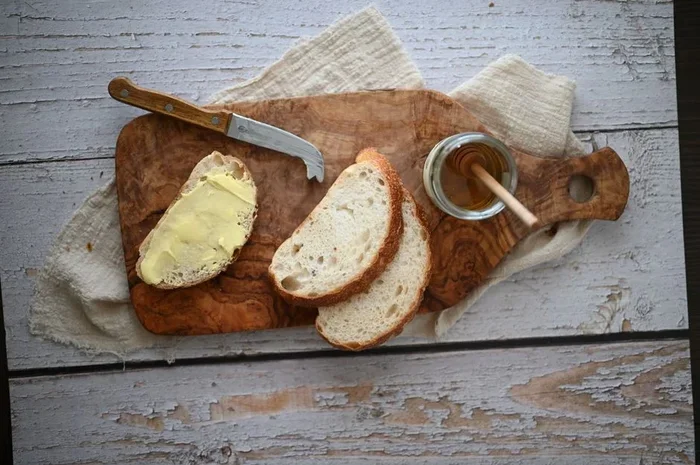
Start with a small batch if you are new to butter making. Experiment with different creams and flavors. Soon enough, you will be churning butter like a pro and wondering how you ever lived without it. The process is simple, the results are delicious, and the satisfaction of spreading fresh homemade butter on a slice of warm bread is something truly special.
So go ahead, pick up a butter churner, and bring this timeless tradition into your kitchen. Your taste buds will thank you.
Frequently Asked Questions
How long does it take to churn butter in a butter churner?
Hand-cranked models typically take 20 to 45 minutes, while electric butter churners can produce butter in 10 to 20 minutes. The time depends on the cream temperature, fat content, and the specific model you are using.
Can I use a butter churner with non-dairy cream?
Most butter churners are designed for dairy cream. Non-dairy alternatives like coconut cream may work in some models, but results vary. Always check the manufacturer’s guidelines before using alternative creams.
Is making butter at home with a butter churner difficult?
Not at all. The process is simple and beginner-friendly. You add cream, churn it, and wash the butter. With a little practice, you will be making delicious homemade butter in no time.
What is the best butter churner for beginners?
A mason jar hand-cranked churner or a small electric butter churner is ideal for beginners. They are affordable, easy to use, and simple to clean. Both options give you a great introduction to the butter-making process.
How should I clean my butter churner after use?
Disassemble all removable parts and wash them with warm soapy water. Rinse thoroughly and dry completely before storing. For wooden churners, avoid soaking and instead wipe clean with a damp cloth. Always refer to the manufacturer’s cleaning instructions for best results.
Can children safely use a butter churner?
Yes, with supervision. Hand-cranked models are great for kids because they teach coordination and patience. Electric models should be operated by adults or older children. It is a wonderful family activity that teaches where food comes from.
=== CONCLUSION ===
A quality butter churner opens the door to a healthier, more delicious way of eating. Whether you are drawn to the simplicity of a hand-cranked model or the convenience of an electric butter churner, there is a perfect option waiting for you. Consider your needs, budget, and kitchen space, and you will find the ideal match.
Start small, have fun with the process, and enjoy the incredible taste of fresh homemade butter. Once you experience the difference, you will never look back.



