
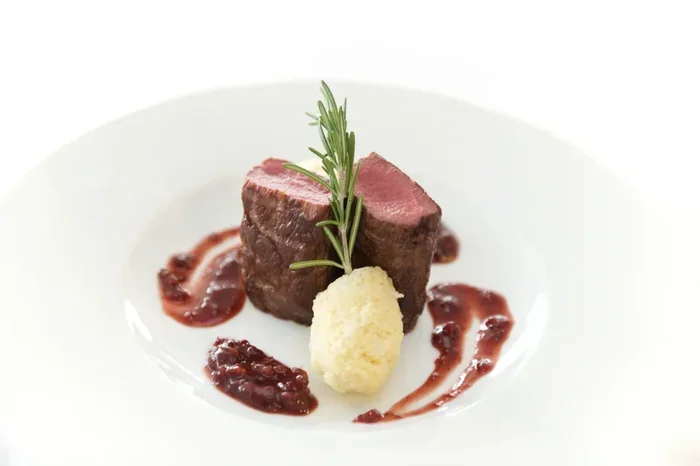
Finding the right filet mignon roast oven temperature is the key to a perfect, juicy roast every time. This guide walks you through the best temperatures, cooking times, and pro tips for oven-roasted filet mignon. Whether you prefer medium rare or well done, you will learn exactly how to achieve your desired doneness with confidence.
Cooking a filet mignon roast in the oven is one of the most rewarding things you can do in the kitchen. It is elegant, impressive, and simpler than you might think. The secret to a great roast lies in one thing: filet mignon roast oven temperature. Get that right, and everything else falls into place.
Many home cooks worry about roasting beef tenderloin. They fear drying it out or serving it unevenly. This guide removes all that guesswork. You will learn the exact oven temperature for filet mignon roast, how long to cook it, and the small steps that make a big difference. By the end, you will feel confident enough to roast a perfect filet mignon any night of the week.
A good oven roasted filet mignon starts with three things: the right temperature, a quality cut of meat, and a little patience. This article covers all three in detail. We will walk you through searing, roasting, resting, and serving. No fancy equipment is needed. Just a basic oven, a baking dish, and a meat thermometer.
Key Takeaways
- Optimal Temperature: Roast filet mignon at 400°F to 425°F for the best crust and juicy interior.
- Internal Doneness: Pull the roast at 120°F for rare, 130°F for medium rare, and 140°F for medium.
- Searing Matters: Always sear the roast before placing it in the oven for a flavorful crust.
- Resting Time: Let the roast rest for 10 minutes after cooking to lock in juices.
- Meat Thermometer: Use a reliable oven safe meat thermometer to avoid overcooking.
- Cooking Time: A 2-pound filet mignon roast takes about 25 to 35 minutes at 400°F.
📑 Table of Contents
- Why Oven Temperature Matters for Filet Mignon Roast
- What Temperature to Cook Filet Mignon Roast
- Internal Temperatures for Doneness
- Step-by-Step Guide to Roasting Filet Mignon
- Common Mistakes to Avoid
- Expert Tips for the Perfect Roast
- How Long Does a Filet Mignon Roast Take in the Oven?
- Storing and Reheating Leftover Roast
- Conclusion
Why Oven Temperature Matters for Filet Mignon Roast
The filet mignon roast oven temperature controls everything. Too low, and you get a gray, bland exterior. Too high, and the outside burns before the inside is done. The sweet spot is between 400°F and 425°F for most roasts.
At this temperature range, the outside develops a beautiful brown crust while the inside cooks evenly. The high heat triggers the Maillard reaction, which is what gives roasted beef its deep, savory flavor. This reaction only happens above 300°F, so a hot oven is essential.
Convection vs. Conventional Oven
If your oven has a convection setting, use it. Convection fans circulate hot air around the roast, cooking it more evenly. You can lower the temperature by 25°F when using convection. So if a recipe calls for 425°F conventional, set it to 400°F convection.
A conventional oven works just fine too. Just make sure you preheat it fully. Give your oven at least 15 to 20 minutes to reach the target temperature before the roast goes in. Skipping this step leads to uneven cooking and longer roast times.
The Role of the Baking Dish
Using the right best baking dish with lid for oven can improve your results significantly. A heavy, oven-safe dish holds heat well and promotes even cooking. A lid helps trap moisture, keeping the roast juicy during the cooking process.
If you do not have a lidded dish, you can use a roasting pan with aluminum foil tented over the top. Both methods work. The key is to avoid a thin, flimsy pan that loses heat every time you open the oven door.
What Temperature to Cook Filet Mignon Roast
The filet mignon roast oven temperature depends on the size of your roast and how done you like it. Here is a simple breakdown of the most common approaches.
High Heat Method (425°F)
This method is fast and produces a great crust. Preheat your oven to 425°F. Sear the roast first in a hot cast iron skillet with a little oil. Then transfer it to the oven and roast until it reaches your desired internal temperature.
This approach works well for smaller roasts, around 1 to 2 pounds. It takes about 20 to 30 minutes. The high heat seals the outside quickly, trapping juices inside.
Moderate Heat Method (400°F)
The 400°F method is the most popular for oven roast beef. It offers a balance between crust development and even cooking. Preheat to 400°F, sear the roast, and place it in the oven.
This temperature works great for roasts between 2 and 4 pounds. Expect a cooking time of about 25 to 40 minutes depending on size and desired doneness. The moderate heat allows the center to come up to temperature without overcooking the edges.
Low and Slow Method (325°F)
Some cooks prefer a lower temperature for a more gentle cook. At 325°F, the roast takes longer but offers a very uniform doneness from edge to center. This method is ideal for larger roasts over 4 pounds.
The trade-off is a lighter crust. You may want to sear the roast extra well before placing it in the low oven. This method is also more forgiving because the slower cook gives you a wider window to pull the roast at the right moment.
Internal Temperatures for Doneness
The filet mignon roast oven temperature in the oven gets the heat to the surface. But the internal temperature tells you when the roast is done. Use a quality oven safe meat thermometer inserted into the thickest part of the roast.
Here are the target internal temperatures for each level of doneness:
- Rare: 120°F to 125°F. The center is bright red and very soft.
- Medium Rare: 130°F to 135°F. The center is pink and warm. This is the most popular choice for filet mignon.
- Medium: 140°F to 145°F. The center is pink with a firmer texture.
- Medium Well: 150°F to 155°F. Very little pink remains.
- Well Done: 160°F and above. The roast is cooked through with no pink.
Remember that the temperature will rise 5 to 10 degrees after you remove the roast from the oven. This is called carryover cooking. So pull the roast a few degrees early and let it rest.
Step-by-Step Guide to Roasting Filet Mignon
Now that you know the filet mignon roast oven temperature, here is a simple step-by-step process you can follow every time.
Step 1: Prep the Roast
Remove the roast from the refrigerator 30 minutes before cooking. Let it come to room temperature. This ensures more even cooking throughout the roast. Pat it dry with paper towels and season generously with salt and pepper.
You can also add garlic cloves, fresh rosemary, or thyme to the pan for extra flavor. Some cooks like to coat the roast lightly with olive oil before searing. This helps the crust form faster.
Step 2: Sear the Roast
Searing is not optional. It adds flavor and color to the outside of the roast. Heat a cast iron skillet or heavy oven-safe pan over medium-high heat with a tablespoon of oil.
Place the roast in the hot pan and let it sear for 2 to 3 minutes on each side. You want a deep brown crust. Use tongs to sear the sides as well. This step takes about 5 minutes total.
Step 3: Transfer to the Oven
After searing, transfer the roast directly to the oven. Place it in a best baking dish with lid for oven or a roasting pan. Roast at your chosen temperature and check the internal temperature with a thermometer.
For a 2-pound roast at 400°F, plan on about 25 to 35 minutes. For a 3 to 4-pound roast, expect 35 to 50 minutes. The roast is done when the thermometer reads 5 degrees below your target doneness temperature.
Step 4: Rest the Roast
This is the step most people skip, and it is the most important. Remove the roast from the oven and tent it loosely with aluminum foil. Let it rest for 10 to 15 minutes.
During resting, the juices redistribute throughout the meat. If you cut too early, the juices run out and the roast dries out. Think of resting as the final step of cooking, not a pause.
Step 5: Slice and Serve
Use a sharp knife to slice the roast against the grain into 1-inch thick pieces. Serve immediately with your favorite sides. Roasted vegetables, mashed potatoes, or a simple salad all pair beautifully with filet mignon.
Common Mistakes to Avoid
Even experienced cooks make mistakes when roasting filet mignon. Here are the most common ones and how to avoid them.
- Skipping the sear: Searing builds flavor. Do not skip this step, no matter how eager you are to get the roast in the oven.
- Not using a thermometer: Guessing doneness leads to overcooked or undercooked meat. A simple meat thermometer takes the guesswork out completely.
- Opening the oven door too often: Every time you open the door, heat escapes. This slows cooking and can cause uneven results. Trust your thermometer and resist the urge to peek.
- Starting with a cold roast: A cold roast from the fridge cooks unevenly. Always bring it to room temperature first.
- Cutting too soon: Resting is essential. Cutting into the roast right out of the oven releases all the juices onto the cutting board instead of keeping them in the meat.
- Wrong pan choice: A thin, lightweight pan absorbs less heat and can cause uneven browning. Use a heavy, oven-safe pan or dish.
Expert Tips for the Perfect Roast
Here are some pro tips that separate a good roast from a great one.
Use a wire rack. Placing the roast on a wire rack set inside a baking pan allows hot air to circulate around it. This promotes even cooking on all sides. You can find a simple wire rack that fits inside most roasting pans.
Add fresh herbs at the end. If you are using rosemary or thyme, add fresh sprigs to the pan during the last 10 minutes of cooking. This prevents them from burning and keeps their flavor bright.
Make a pan sauce. After removing the roast, pour off excess fat and deglaze the pan with a splash of beef broth or red wine. Scrape up the browned bits and simmer for a few minutes. You will have a delicious sauce with minimal effort.
Keep warm using low oven heat. If your roast is done but your sides are not ready, you can keep the roast warm in a how to keep ribs warm in oven style approach. Set the oven to its lowest temperature, usually around 170°F to 200°F, and place the rested roast back inside. It will stay warm for up to 30 minutes without overcooking.
Brine for extra juiciness. For a special occasion, try brining the roast overnight in a saltwater solution. This adds moisture and seasoning deep into the meat. Simply dissolve 1/4 cup of salt in 4 cups of water, submerge the roast, and refrigerate overnight. Rinse and pat dry before cooking.
How Long Does a Filet Mignon Roast Take in the Oven?
Cooking time depends on the size of the roast and the oven temperature. Here is a general guide for a filet mignon roast oven temperature of 400°F:
- 1 to 2 pounds: 20 to 30 minutes
- 2 to 3 pounds: 30 to 40 minutes
- 3 to 4 pounds: 40 to 50 minutes
- 4 to 5 pounds: 50 to 65 minutes
Always use a meat thermometer to check doneness. These times are estimates. The actual time can vary based on your specific oven, the shape of the roast, and whether you seared it before roasting.
For comparison, how to broil a hamburger in oven uses a similar high-heat approach, but the cook time is much shorter because the patties are thin. Roasting a whole filet mignon takes longer because of the larger mass of meat. The principle is the same though: hot oven, good crust, precise internal temperature.
Storing and Reheating Leftover Roast
If you have leftover filet mignon roast, store it properly to enjoy it the next day. Let the roast cool completely, then wrap it tightly in plastic wrap or foil. Refrigerate within two hours of cooking.
To reheat, place the slices in a how to heat up casseroles in oven style approach. Cover with foil and warm in a 300°F oven for 10 to 15 minutes. Low and slow reheating prevents the meat from drying out. You can also reheat slices in a hot skillet with a little butter for added flavor.
Conclusion
Mastering the filet mignon roast oven temperature is the single most important step in making a perfect roast. Remember to roast at 400°F to 425°F, sear before baking, use a meat thermometer, and always let the roast rest. These simple steps produce restaurant-quality results in your own kitchen.
Filet mignon is a special cut of beef that deserves a little extra care. When you get the temperature right, the result is tender, juicy, and full of flavor. Whether you are cooking for a holiday dinner or a quiet weeknight meal, this guide gives you everything you need to succeed.
Now it is your turn. Pick up a beautiful filet mignon roast, preheat your oven, and put these tips into action. You will be amazed at how easy it is to create a stunning, delicious roast that will impress everyone at the table.
Frequently Asked Questions
What is the best oven temperature for filet mignon roast?
The best filet mignon roast oven temperature is between 400°F and 425°F. This range creates a great sear-like crust while cooking the inside evenly. For smaller roasts under 2 pounds, use 425°F. For larger roasts over 2 pounds, 400°F works better to prevent the outside from drying out before the center is done.
How long should I roast a filet mignon at 400°F?
A 2-pound filet mignon roast takes about 25 to 35 minutes at 400°F. Larger roasts of 3 to 4 pounds may need 40 to 50 minutes. Always use a meat thermometer to check the internal temperature rather than relying on time alone. Pull the roast when it reaches 5 degrees below your target doneness temperature.
Should I sear filet mignon before putting it in the oven?
Yes, searing is highly recommended. Searing the roast in a hot skillet for 2 to 3 minutes on each side creates a flavorful brown crust. This step is not strictly required, but it adds depth of flavor that makes a noticeable difference. After searing, transfer the roast directly to the preheated oven.
What internal temperature should filet mignon reach?
Target 130°F for medium rare, which is the most popular doneness for filet mignon. For rare, aim for 120°F. For medium, pull at 140°F. Remember that the temperature will rise 5 to 10 degrees during resting. Always use an oven safe meat thermometer for the most accurate reading.
Can I use a convection oven for filet mignon roast?
Yes, convection ovens work great for roasting filet mignon. Lower the temperature by 25°F when using the convection setting. So if the recipe calls for 425°F conventional, use 400°F convection. The fan circulates hot air more evenly, which can reduce cooking time by about 10 to 15 percent.
How do I keep a filet mignon roast warm after cooking?
After resting the roast for 10 to 15 minutes, you can keep it warm by placing it in an oven set to its lowest temperature, around 170°F to 200°F. This works the same way as how to keep ribs warm in oven techniques. The roast will stay warm for up to 30 minutes without overcooking. Just cover it loosely with foil to retain heat.
=== INTERNAL LINKS ===



