
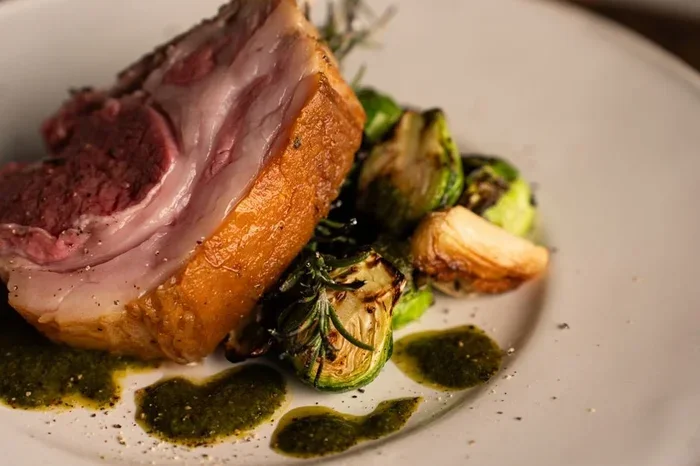
Finding the right leg of lamb cooking time is the key to a juicy, tender roast every time. Whether you prefer bone-in or boneless, slow-roasted or high-heat, this guide covers everything you need to know. You will learn exact times, temperatures, and simple tips that take the guesswork out of cooking lamb.
Cooking a leg of lamb can feel intimidating. There are so many variables to think about. Time. Temperature. Bone-in or boneless. But here is the good news. Once you understand the basics, it becomes simple and even fun.
This guide walks you through everything you need to know about leg of lamb cooking time. You will learn how long to cook it, what temperature to use, and how to get the juiciest results every single time. We will also cover common mistakes and compare different cooking methods.
Whether you are a beginner or a seasoned home cook, this article has something for you. Let us get started.
Key Takeaways
- Bone-in leg of lamb takes about 20 minutes per pound at 325°F for a medium-rare result.
- Boneless leg of lamb cooks faster, usually around 15 to 20 minutes per pound.
- The internal temperature is the most reliable way to know when your lamb is done.
- Resting the roast for 15 to 20 minutes keeps the juices inside.
- Slow roasting at low heat produces the most tender and flavorful results.
- Marinating or seasoning early adds deep flavor and helps create a great crust.
📑 Table of Contents
- Understanding Leg of Lamb and Why Cooking Time Matters
- How Long to Cook Leg of Lamb
- The Right Temperature for Leg of Lamb
- Step-by-Step Guide to Cooking Leg of Lamb
- Tips for the Juiciest Lamb Roast
- Common Mistakes That Ruin Your Lamb
- Best Cooking Methods Compared
- Flavor Pairings and Serving Suggestions
- How to Store and Reheat Leftover Lamb
- Conclusion
Understanding Leg of Lamb and Why Cooking Time Matters
The leg of lamb is one of the most popular cuts for roasting. It comes from the hind leg of the animal. This cut is known for its rich flavor and tender texture when cooked properly.
But why does cooking time matter so much? Because lamb is a lean meat. It does not have a lot of fat to keep it moist. Cook it too long and it dries out. Cook it too short and it may not be safe to eat. Finding the sweet spot is everything.
There are two main types of leg of lamb you will encounter. Bone-in and boneless. Each one has a slightly different cooking time. Bone-in takes a bit longer because the bone slows down heat transfer. Boneless cooks more evenly and faster. Knowing which cut you have helps you plan your meal better.
Before you start cooking, make sure you have the right tools. Having a good set of kitchen utensils on hand makes the whole process smoother. A sharp knife, a sturdy cutting board, and a reliable meat thermometer are essential.
How Long to Cook Leg of Lamb
The most common question people ask is, “How long does it take to cook a leg of lamb?” The answer depends on a few factors. Let us break it down.
Bone-In Leg of Lamb Cooking Time
For a bone-in leg of lamb, plan on about 20 minutes per pound at 325°F. This gives you a beautiful medium-rare result. Here is a quick reference chart.
- 3 pounds: About 60 minutes
- 5 pounds: About 1 hour and 40 minutes
- 7 pounds: About 2 hours and 20 minutes
- 9 pounds: About 3 hours
These times are for roast lamb cooked in the oven. They assume you start with the lamb at room temperature. Taking it out of the fridge 30 minutes before cooking helps it roast more evenly.
Boneless Leg of Lamb Cooking Time
Boneless leg of lamb cooks a bit faster. Plan for about 15 to 20 minutes per pound at 325°F. Because there is no bone in the way, the heat reaches the meat more directly. This means shorter cook times overall.
A 4-pound boneless roast will take roughly 1 hour to 1 hour and 20 minutes. A 6-pound roast will take about 1 hour and 30 minutes to 2 hours. Always use a meat thermometer to check doneness.
Slow Roast vs. High-Heat Method
There are two popular approaches to roasting lamb. The slow roast method uses lower temperatures around 275°F to 300°F. This takes longer but produces incredibly tender meat. The high-heat method starts at 425°F for the first 15 minutes, then drops to 325°F. This creates a nice crispy crust on the outside.
If you want the most tender result, go with the slow roast. It takes more time, but the flavor is worth it. Some cooks also use a large non-stick pot for braising lamb, which is another great option for tenderness.
The Right Temperature for Leg of Lamb
Temperature is just as important as time when it comes to roast lamb. Getting the temperature right ensures your lamb is safe to eat and delicious.
Internal Temperature Guide
Use a meat thermometer to check the internal temperature. Here is what each level looks like:
- Rare: 120°F to 125°F
- Medium-Rare: 130°F to 135°F
- Medium: 135°F to 145°F
- Well-Done: 155°F to 160°F
Most people prefer medium-rare for leg of lamb. This is when the meat is pink in the center and super juicy. The temperature will rise a few degrees while the lamb rests. So pull it out of the oven a few degrees before your target.
Oven Temperature Settings
The standard oven temperature for roast lamb is 325°F. This works well for both bone-in and boneless cuts. If you prefer a slower cook, drop the temperature to 275°F and add extra time.
For a faster cook with a crispy exterior, start at 425°F for the first 15 minutes. Then reduce to 325°F and continue cooking. This two-step method gives you the best of both worlds.
If you are using a convection oven, reduce the temperature by about 25°F. Convection ovens circulate hot air, which cooks food faster and more evenly.
Step-by-Step Guide to Cooking Leg of Lamb
Now that you know the basics, let us walk through the process step by step. Following these steps will help you achieve perfect results every time.
- Prepare the lamb. Remove it from the fridge 30 minutes before cooking. Pat it dry with paper towels. This helps create a nice crust.
- Season generously. Use salt, pepper, garlic, and fresh herbs like rosemary and thyme. You can also add olive oil to help the seasoning stick.
- Preheat the oven. Set it to 325°F for a steady roast or 425°F if you want a crispy start.
- Place the lamb in a roasting pan. Fat side up is the best position. This allows the fat to baste the meat as it cooks.
- Insert a meat thermometer. Place it into the thickest part of the meat. Avoid touching the bone, as it reads hotter than the meat.
- Cook until done. Check the temperature frequently after the halfway point. Remember the carryover cooking effect.
- Rest the lamb. Once done, let it sit for 15 to 20 minutes before slicing. This is one of the most important steps.
When you are ready to turn or baste the lamb, use a long wooden spoon. It gives you the reach you need and won’t scratch your roasting pan.
Tips for the Juiciest Lamb Roast
Getting a juicy leg of lamb is all about the details. Here are some expert tips that make a real difference.
Bring the Lamb to Room Temperature
Never cook a cold roast straight from the fridge. Cold meat cooks unevenly. The outside overcooks while the inside stays underdone. Take the lamb out 30 to 45 minutes before it goes in the oven.
Use a Meat Thermometer
Do not rely on time alone. Every oven is different. The size and shape of your lamb also vary. A meat thermometer takes the guesswork out of the equation. It is the single best tool for perfect lamb.
Let the Lamb Rest
Resting is not optional. When you cut into hot lamb, the juices run out. Resting lets the juices redistribute throughout the meat. Cover it loosely with foil and wait 15 to 20 minutes. Your patience will be rewarded.
Marinate for Extra Flavor
Marinating your lamb overnight adds incredible flavor. A simple mix of olive oil, garlic, lemon juice, and herbs works wonders. The acid in the lemon tenderizes the meat slightly. The garlic adds depth and richness.
Baste Regularly
Basting keeps the top of the lamb moist. Use a spoon or baster to scoop up the juices from the pan. Pour them over the roast every 20 to 30 minutes. This creates a beautiful glaze and adds flavor.
Common Mistakes That Ruin Your Lamb
Even experienced cooks make mistakes. Here are the most common ones and how to avoid them.
Cooking at Too High a Temperature
High heat can burn the outside while leaving the inside raw. Stick to 325°F for most of the cook time. Use the high-heat method only for the initial sear if you prefer.
Skipping the Rest Period
Cutting into the lamb right away releases all the juices. You end up with dry, flavorless meat. Always rest your roast for at least 15 minutes. This is one of the easiest ways to improve your lamb.
Not Using a Thermometer
Relying on color or time alone is risky. Lamb can go from perfectly done to overcooked in minutes. A thermometer gives you precision and confidence.
Over-Seasoning
While seasoning is important, too much can overpower the natural flavor of the lamb. Start with a light hand and adjust to taste. Let the quality of the meat shine through.
Ignoring Carryover Cooking
Carryover cooking means the internal temperature continues to rise after you remove the lamb from the oven. This can add 5 to 10 degrees. Pull the lamb out early to account for this.
Best Cooking Methods Compared
There are several ways to cook a leg of lamb. Each method has its own strengths. Here is how they compare.
| Method | Time per Pound | Best For | Difficulty |
|---|---|---|---|
| Oven Roast (325°F) | 20 min (bone-in) | Even cooking, classic flavor | Easy |
| Slow Roast (275°F) | 25 min | Tender, fall-off-the-bone | Easy |
| High-Heat Start | 18 min | Crispy crust, juicy inside | Moderate |
| Braising | 3 to 4 hours | Maximum tenderness | Medium |
| Grilling | 15 to 20 min | Smoky flavor, summer cooking | Moderate |
The oven roast method is the most popular and beginner-friendly. It gives consistent results with minimal effort. Slow roasting takes more time but rewards you with the most tender meat. Braising is great if you want to cook the lamb low and slow for hours.
Grilling adds a smoky flavor that many people love. It works best with smaller cuts or butterflied leg of lamb. If you do not have a grill, you can use a quality pot or pan on the stovetop for a similar searing effect before finishing in the oven.
Flavor Pairings and Serving Suggestions
A great leg of lamb deserves great sides. Here are some classic pairings that complement the rich flavor of roast lamb.
- Roasted vegetables: Potatoes, carrots, and root vegetables roast beautifully alongside lamb.
- Mint sauce: A classic pairing that cuts through the richness of the meat.
- Greek salad: Fresh tomatoes, cucumbers, and feta cheese balance the savory lamb perfectly.
- Crusty bread: Great for soaking up the juices from the roasting pan.
- Red wine reduction: A simple pan sauce adds elegance and deep flavor.
Serving lamb with the right sides elevates the whole meal. Keep it simple and let the lamb be the star of the show.
How to Store and Reheat Leftover Lamb
Leftover lamb is a gift. It makes amazing sandwiches, salads, and soups the next day. Store cooked lamb in an airtight container in the fridge. It stays good for up to 3 days.
To reheat, use a low oven temperature around 250°F. Cover the lamb with foil to keep it moist. Reheat slowly to avoid drying it out. A few tablespoons of broth or water added to the pan helps create steam and keeps the meat tender.
You can also freeze cooked lamb for up to 3 months. Wrap it tightly in plastic wrap and then in foil. Thaw it in the fridge overnight before reheating.
Conclusion
Mastering the leg of lamb cooking time is easier than you think. With the right temperature, a reliable thermometer, and a little patience, you can serve a roast that wows everyone at the table. Remember to bring the lamb to room temperature before cooking. Use 325°F as your default oven setting. And always let the roast rest before slicing.
Bone-in or boneless, slow-roasted or high-heat, the principles remain the same. Cook it to the right internal temperature, rest it properly, and season it well. These simple steps turn an ordinary cut into an extraordinary meal.
Now it is your turn. Pick up a leg of lamb this weekend and put these tips into practice. You will be amazed at how delicious and rewarding home-roasted lamb can be. Happy cooking!
Frequently Asked Questions
How long does it take to cook a leg of lamb at 325°F?
At 325°F, a bone-in leg of lamb takes about 20 minutes per pound. A boneless roast takes 15 to 20 minutes per pound. Always use a meat thermometer to check the internal temperature for the best results.
What is the best internal temperature for leg of lamb?
Most people prefer medium-rare, which is 130°F to 135°F. This gives you a juicy, pink center. If you prefer well-done, aim for 155°F to 160°F. Remember the temperature will rise a few degrees while the lamb rests.
Should I cover my leg of lamb with foil while cooking?
It is best to cook leg of lamb uncovered for the first part of the roast. This allows the outside to develop a nice crust. You can loosely cover it with foil during the resting period to keep it warm.
Can I cook leg of lamb in a slow cooker?
Yes, you can! Slow cooking works great for leg of lamb, especially for smaller cuts or butterflied legs. Cook on low for 6 to 8 hours or on high for 3 to 4 hours. The meat will be incredibly tender and flavorful.
How do I know if my leg of lamb is done without a thermometer?
Without a thermometer, you can use the touch test. Press the meat with your finger. If it feels soft and spongy, it is rare. If it feels firm but springy, it is medium-rare. However, a thermometer is always the most reliable method.
What is the best way to season leg of lamb?
A simple blend of salt, pepper, garlic, rosemary, and thyme works beautifully. Add olive oil to help the seasoning stick to the surface. For extra flavor, marinate the lamb overnight before cooking.



