
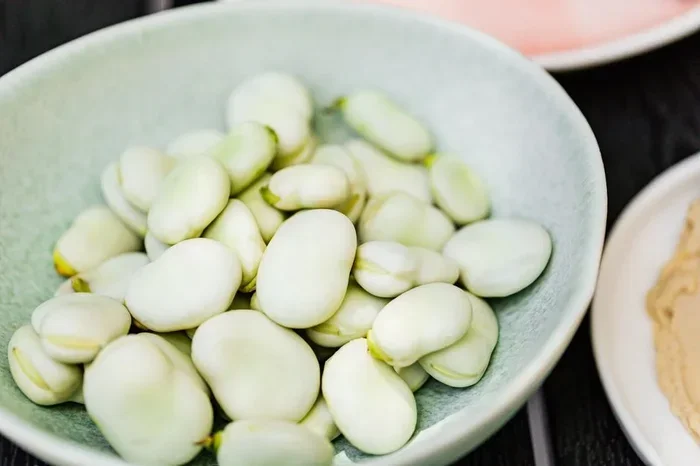
Broad beans are a fantastic crop for any garden. They are easy to grow, packed with nutrition, and incredibly versatile in the kitchen. This guide covers everything you need to know about growing and eating broad beans, from planting your first seed to cooking a delicious meal.
Broad beans have been a staple food for thousands of years. They show up in ancient Egyptian tombs and Roman recipes. Today, they remain one of the most rewarding crops you can grow at home. Whether you are a seasoned gardener or just starting out, broad beans are a wonderful choice.
Also known as fava beans, broad beans are hearty, nutritious, and full of flavor. They grow well in cool weather, which means you can plant them earlier in the season than most vegetables. Their large, flat seeds are easy to handle, making them perfect for kids and beginners. Plus, they fix nitrogen in the soil, which means they actually make your garden bed better for the next crop.
In this guide, we will walk you through everything you need to know. We will cover how to grow them, what they do for your health, the best ways to cook them, and how to store your harvest. By the end, you will feel confident planting, picking, and preparing broad beans all on your own.
Key Takeaways
- Broad beans are simple to grow: They thrive in cool weather and need minimal care.
- They are nutritional powerhouses: Rich in protein, fiber, and essential vitamins.
- Cooking is easy and flexible: You can boil, roast, stew, or blend them into dips.
- Storage is straightforward: Fresh, dried, or canned broad beans all keep well with proper methods.
- Companion planting helps your garden: Broad beans enrich the soil and support nearby plants.
- They suit beginners and experts alike: Even first-time gardeners can succeed with broad beans.
📑 Table of Contents
What Are Broad Beans?
Broad beans belong to the legume family. They are one of the oldest cultivated crops in human history. The plants grow tall, sometimes reaching four feet, and produce thick stems with clusters of white and black flowers. These flowers eventually turn into large pods filled with tender beans.
Each pod contains four to eight beans. The beans themselves are large, flat, and green when fresh. Once dried, they turn a creamy beige color. Their flavor is earthy, slightly sweet, and creamy when cooked. This makes them a favorite in soups, stews, salads, and dips around the world.
Broad beans go by many names. In the UK and parts of Europe, people call them broad beans. In the US, they are often called fava beans. In the Middle East, they are known as ful or ful medames. No matter what you call them, they are the same delicious and nutritious legume.
How To Grow Broad Beans
When To Plant Broad Beans
Broad beans are cool-weather crops. You can plant them as soon as the soil can be worked in early spring. In mild climates, you can even sow them in late autumn for a winter harvest. The ideal soil temperature for planting is around 50 to 60 degrees Fahrenheit.
Because they tolerate frost, broad beans are perfect for early-season gardening. They actually prefer cooler temperatures. Hot weather can cause the plants to struggle and the pods to develop poorly. Aim to plant them when the soil is just workable and the threat of hard frost has passed.
Soil And Sunlight Requirements
Broad beans are not picky about soil. They grow well in average garden soil as long as it drains well. They prefer a slightly acidic to neutral pH, around 6.0 to 7.0. Before planting, mix in some compost to add nutrients and improve drainage.
Choose a spot that gets full sun. Broad beans need at least six hours of direct sunlight each day. They can tolerate partial shade, but full sun leads to stronger plants and better pod production. Space your seeds about six inches apart and plant them two inches deep.
Caring For Broad Bean Plants
Once your broad beans are in the ground, they need very little attention. Water them regularly, especially during dry spells. The soil should stay moist but not waterlogged. A layer of mulch around the base helps retain moisture and keeps weeds down.
As the plants grow taller, they may need support. A simple stake or cage works well. This prevents the plants from toppling over in wind or rain. Broad beans are also excellent companion plants. They pair well with carrots, cauliflower, and strawberries. Their roots release nitrogen into the soil, feeding neighboring plants naturally.
Harvesting Broad Beans
Harvesting broad beans is one of the most satisfying parts of the process. You can pick the pods when they are plump and firm. The beans inside should be visible but not too bulgy. Young, tender pods are the best for eating whole.
For mature beans, wait until the pods turn brown and dry on the plant. Then shell them and let them dry further indoors. Fresh broad beans are best eaten within a few days of picking. If you have a large harvest, you can freeze or dry them for later use.
Broad Beans Nutrition And Health Benefits
Broad beans are one of the most nutrient-dense legumes you can eat. They are loaded with protein, fiber, and essential vitamins and minerals. A single cup of cooked broad beans provides a significant portion of your daily nutritional needs.
Here is a quick look at what a cup of cooked broad beans offers:
- Protein: About 13 grams, making them a great plant-based protein source.
- Fiber: Around 9 grams, which supports healthy digestion.
- Iron: A good amount of non-heme iron for energy and blood health.
- Folate: Essential for cell growth and especially important during pregnancy.
- Manganese: Supports bone health and metabolism.
- Potassium: Helps regulate blood pressure and heart function.
The health benefits of broad beans extend beyond basic nutrition. The high fiber content helps keep your gut healthy and your cholesterol levels in check. The protein makes them a valuable food for vegetarians and vegans. Their low glycemic index means they are a good choice for people managing blood sugar levels.
Broad beans also contain L-DOPA, a compound that the body converts into dopamine. This may support brain health and mood regulation. Some studies suggest that broad beans may help with symptoms of Parkinson’s disease. While more research is needed, the early findings are promising.
How To Cook And Eat Broad Beans
Preparing Fresh Broad Beans
Cooking broad beans starts with proper preparation. For young, tender beans, you can simply wash them and cook them whole. For larger, more mature beans, you will want to shell them first. Snap off the stem end of the pod and pull the string down the seam. The beans will pop right out.
Once shelled, you can blanch the beans in boiling water for two to three minutes. Then transfer them to an ice bath. This makes the skins slip right off. While this extra step is optional, it improves the texture and digestibility of the beans.
Simple Cooking Methods
There are many ways to cook broad beans. Here are some of the easiest and most popular methods:
- Boiling: Simmer shelled beans in salted water for 10 to 15 minutes until tender. Drain and serve with a drizzle of olive oil and a pinch of salt.
- Roasting: Toss shelled beans with olive oil, salt, and garlic. Roast at 400 degrees Fahrenheit for 20 to 25 minutes until slightly crispy.
- Stewing: Add broad beans to soups, stews, or curries in the last 15 minutes of cooking. They absorb flavors beautifully.
- Mashing: Boil the beans until soft, then mash them with garlic, lemon juice, and olive oil for a simple dip.
Broad beans pair wonderfully with many ingredients. Try them with mint, dill, lemon, garlic, parmesan cheese, or smoked meats. Their creamy texture and earthy flavor complement both simple and complex dishes.
Using Broad Beans In Recipes
The versatility of broad beans makes them a kitchen staple. You can toss them into pasta, fold them into risotto, or blend them into a hearty soup. A warm bowl of beans and ham stew is a comforting classic. Check out this crockpot ham and beans recipe for a hands-off, flavorful meal that the whole family will love.
In Mediterranean cuisine, broad beans are often served as a side dish with herbs and olive oil. In Egyptian cooking, they are the star of ful medames, a slow-cooked bean dish served with bread and vegetables. The possibilities are truly endless, and experimenting with different recipes is half the fun.
Growing Broad Beans: Tips And Tricks
Growing broad beans is one of the easiest gardening tasks you can take on. Here are some expert tips to help you get the best results:
- Start seeds indoors: If you live in a colder area, start your seeds indoors four weeks before the last frost. Transplant the seedlings once the weather warms up.
- Plant in blocks: Instead of a single row, plant broad beans in a block or cluster. This supports the plants and makes harvesting easier.
- Pinch the tips: Once the plants reach about 12 inches tall, pinch off the growing tips. This encourages the plant to focus energy on pod production rather than tall growth.
- Watch for pests: Aphids love broad bean plants. Check the undersides of leaves regularly and spray with water or neem oil if needed.
- Rotate your crops: Do not plant broad beans in the same spot every year. Rotate them with other crops to prevent disease buildup and maintain soil health.
One of the greatest advantages of growing broad beans is that they improve your soil. As legumes, they host beneficial bacteria on their roots that fix atmospheric nitrogen into the soil. After the growing season, chop the plants down and turn the roots into the ground. This natural fertilizer will benefit your next crop enormously.
Storing And Preserving Broad Beans
Once you have a good harvest, proper storage ensures you can enjoy your broad beans for weeks or even months. Fresh broad beans do not last long at room temperature. Store them in the refrigerator in a breathable bag or container. They should stay fresh for three to five days.
For longer storage, shell the beans and blanch them before freezing. Spread the blanched beans on a baking sheet, freeze them until solid, and then transfer them to airtight bags. Frozen broad beans keep well for up to six months.
Drying is another excellent preservation method. Spread mature, shelled beans on a tray in a dry, well-ventilated area. Once fully dry, store them in airtight containers in a cool, dark place. Dried broad beans can last for a year or more.
If you prefer canned beans, you can can green beans in an Instant Pot using a similar pressure-canning approach. Just make sure to follow safe canning guidelines to prevent spoilage and foodborne illness.
For beans you have already soaked, proper storage is key to maintaining freshness. Learn how to store beans after soaking to keep them safe and ready for your next recipe. Proper storage prevents spoilage and ensures your beans remain nutritious and delicious.
When comparing different methods, keep in mind that dried broad beans take longer to cook than fresh ones. If you are short on time, pressure cooking is a great option. You can find guidance on pressure cooking beans to get perfectly tender results every time.
Common Mistakes To Avoid
Even experienced gardeners can make mistakes with broad beans. Here are a few to watch out for:
- Planting too late: Broad beans need cool weather to thrive. Planting in the heat of summer often leads to poor pod development and bitter beans.
- Overwatering: Broad beans do not like soggy soil. Too much water can cause root rot and fungal diseases. Water deeply but less frequently.
- Ignoring pests: Aphids and bean weevils can damage your crop if left unchecked. Regular inspection helps you catch problems early.
- Harvesting too late: Overripe pods become tough and the beans inside turn hard and starchy. Pick pods when they are firm and plump for the best flavor.
- Skipping the blanching step: If you plan to freeze broad beans, always blanch them first. Skipping this step leads to mushy beans when thawed.
Avoiding these common pitfalls will set you up for a successful broad bean harvest. The key is to pay attention to your plants and act before problems get out of hand.
Expert Insights On Broad Beans
Gardeners and chefs alike have a lot of love for broad beans. Here are some expert tips that can elevate your broad bean experience:
- Choose the right variety: There are many broad bean varieties to choose from. Windsor beans are a classic choice for their large, tender seeds. Horse beans are bigger and better suited for drying.
- Eat the flowers too: Broad bean flowers are edible and add a mild, bean-like flavor to salads. Do not overlook this bonus harvest.
- Pair with acid: A squeeze of lemon juice brightens the flavor of broad beans. The acidity cuts through the creaminess and makes each bite more vibrant.
- Try them in breakfast: Broad beans make a fantastic addition to omelets, frittatas, and breakfast hashes. Their earthy flavor pairs well with eggs and cheese.
Growing and eating broad beans is a rewarding experience from start to finish. These versatile legumes bring nutrition, flavor, and garden success to your table. Once you start growing broad beans, you will wonder why you did not start sooner.
Whether you have a large backyard garden or just a few containers on a balcony, broad beans deserve a spot in your growing space. They are forgiving, productive, and endlessly useful in the kitchen. Start with a small planting this season and enjoy the journey from seed to plate.
Conclusion
Broad beans are truly one of the best crops you can grow. They are easy to plant, simple to care for, and packed with nutrition. From the garden to the kitchen, they offer a rewarding experience for gardeners of all levels. Their versatility in recipes means you will never get bored with your harvest.
Start by planting a small row this season. Enjoy watching them grow, harvesting the pods, and preparing delicious meals with your homegrown beans. With the tips and guidance in this guide, you are well on your way to mastering the art of growing and eating broad beans.
Grab your seeds, get your hands in the soil, and enjoy the many benefits of broad beans. Your garden and your taste buds will thank you.
Frequently Asked Questions
What Are Broad Beans Good For?
Broad beans are excellent for adding protein, fiber, and essential vitamins to your diet. They support heart health, digestion, and energy levels. They are also a great plant-based protein source for vegetarians and vegans.
How Long Does It Take To Grow Broad Beans?
Most broad bean varieties are ready to harvest within 80 to 100 days from planting. However, you can start eating the tender young beans much earlier, around 60 days. Cool weather helps them grow steadily without stress.
Can You Eat Broad Beans Raw?
Young, tender broad beans can be eaten raw in salads. However, larger beans are best cooked to improve their texture and digestibility. Cooking also brings out their full, rich flavor.
Are Broad Beans the Same As Fava Beans?
Yes, broad beans and fava beans are the same plant. The name varies by region. In the UK and Europe, they are commonly called broad beans. In the US and parts of the Middle East, they are known as fava beans or ful.
Can Broad Beans Grow in Containers?
Absolutely. Broad beans grow well in containers as long as the pot is at least 12 inches deep. Use a quality potting mix, provide support with a small stake, and place the container in a sunny spot. Container-grown broad beans produce a satisfying harvest even in small spaces.
What Is the Best Way to Freeze Broad Beans?
The best method is to shell the beans, blanch them in boiling water for two to three minutes, and then transfer them to an ice bath. Once cooled, dry them thoroughly and freeze them in a single layer on a baking sheet before transferring to freezer bags. This keeps them fresh and flavorful for up to six months.
=== CONCLUSION ===
Broad beans are a rewarding and nutritious addition to any garden or kitchen. From the moment you plant the seed to the last bite of a delicious homecooked meal, the journey is filled with satisfaction. Whether you grow them for the health benefits, the ease of cultivation, or the wonderful flavor they bring to your table, broad beans deliver on every promise.
Use the tips in this guide to plan your next growing season. Experiment with different recipes. Store your harvest properly so nothing goes to waste. With broad beans, you have a crop that gives back in more ways than one. Start growing today and enjoy the incredible taste of fresh, homegrown broad beans all season long.



