Making your own corned beef spice packet is easier than you think. This guide walks you through every step of creating a homemade blend that beats store-bought packets. You will learn the exact ingredients, measurements, and tips for flavorful corned beef spice packet results every single time.
Have you ever opened a store-bought corned beef packet and thought, “This doesn’t taste right”? You are not alone. Many home cooks feel that pre-made spice blends fall flat. They often contain fillers, excess sodium, and artificial flavors that dull the natural taste of the meat. That is exactly why learning how to make your own corned beef spice packet changes everything.
A homemade blend lets you control every ingredient. You decide how much salt goes in. You choose the freshness of your spices. And you get a truly rich, deep flavor that store-bought packets simply cannot match. Whether you are a beginner or a seasoned cook, this recipe will take your corned beef to the next level.
Key Takeaways
- DIY spice packets give you full control over salt levels and flavor intensity.
- Common pantry spices like mustard seed, coriander, and bay leaves form the base of a great blend.
- Homemade corned beef tastes fresher and more aromatic than most store-bought versions.
- Proper storage of your spice mix keeps it potent for months.
- Customization is easy — adjust heat, sweetness, and smokiness to your taste.
📑 Table of Contents
- What Is a Corned Beef Spice Packet?
- Ingredients You Will Need for the Perfect Spice Packet
- Step-by-Step Instructions to Make Your Spice Packet
- How to Use Your Homemade Spice Packet for the Best Results
- Tips for the Best Homemade Corned Beef
- Common Mistakes to Avoid When Making Corned Beef
- Why Homemade Beats Store-Bought Spice Packets
- Final Thoughts
What Is a Corned Beef Spice Packet?
A corned beef spice packet is a pre-mixed blend of dry spices and seasonings used to cure and flavor corned beef. Traditionally, corned beef starts with a brisket that gets soaked in a brine. The brine includes water, salt, sugar, and a mix of spices. The spice packet is the heart of that brine. It gives corned beef its signature savory, slightly sweet, and warmly spiced flavor.
Most people buy pre-packaged versions from the grocery store. But those packets often lack depth. They use lower-quality spices and include anti-caking agents. Making your own homemade corned beef seasoning is surprisingly simple. You probably already have most of the ingredients in your pantry right now.
Ingredients You Will Need for the Perfect Spice Packet
The beauty of a DIY spice packet is that you can tailor it to your preferences. Below is a complete list of ingredients for a standard batch that works perfectly for a 3 to 4 pound brisket.
Core Spices for Your Corned Beef Cure
- Pickling spices — This is the foundation of any great corned beef blend. Pickling spices typically include mustard seed, coriander, and allspice.
- Bay leaves — Dried bay leaves add a subtle herbal warmth that rounds out the flavor.
- Mustard seed — Yellow mustard seed gives that classic tangy bite that defines traditional corned beef.
- Coriander seeds — These bring a mild citrusy note that balances the heavier spices.
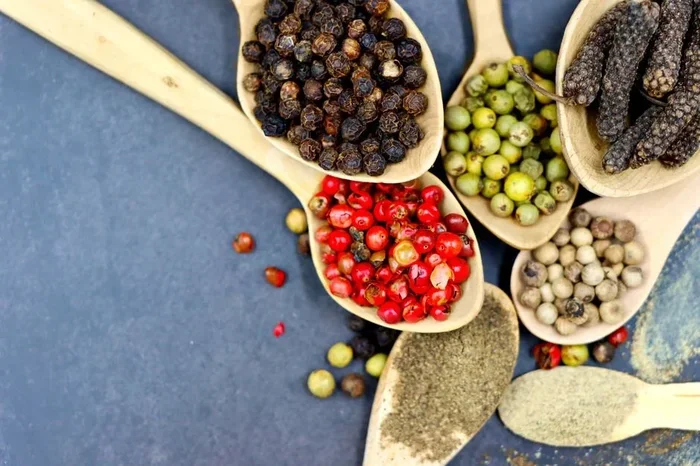
- Black peppercorns — Freshly crushed black pepper adds gentle heat and depth.
- Red pepper flakes — A small amount adds a mild kick without overwhelming the dish.
- Ground ginger — This spice contributes a warm, slightly sweet undertone.
Brine Essentials
Your spice packet works inside a brine. The brine itself needs a few more ingredients beyond the spice mix:
- Kosher salt — Use about 1 cup per gallon of water for proper curing.
- Brown sugar — Adds sweetness and helps balance the saltiness.
- Curing salt (optional) — Pink curing salt helps preserve the meat and gives it the classic pink color. Use it carefully and follow safe ratios.
- Garlic cloves — Fresh garlic adds a robust savory layer to the brine.
- Water — Enough to fully submerge the beef in your container.
Step-by-Step Instructions to Make Your Spice Packet
Making your own corned beef spice packet takes just a few minutes. Here is exactly how to do it.
Step 1: Gather and Measure Your Spices
Start by pulling out all of your whole spices. You will need the following measurements for one standard packet:
- 2 tablespoons yellow mustard seed
- 1 tablespoon coriander seeds
- 1 tablespoon whole allspice berries
- 1 teaspoon whole cloves
- 4 to 5 whole bay leaves, crumbled
- 1 teaspoon black peppercorns, lightly crushed
- 1 teaspoon red pepper flakes
- 1/2 teaspoon ground ginger
Grind the whole spices lightly using a mortar and pestle or a spice grinder. You do not want a fine powder. A slightly coarse grind releases flavor slowly during the curing process. This slow release is what gives homemade corned beef its deep, complex taste.
Step 2: Combine and Mix Thoroughly
Place all of your measured spices into a small bowl. Stir them together until everything is evenly distributed. Make sure the mustard seeds, coriander, and pepper flakes are well mixed. Uneven blending can cause some bites to be overly spicy while others taste bland.
Step 3: Store Your Spice Packet
Transfer your blend into a small glass jar or a sealed plastic bag. Label it with the date so you know when you made it. A properly stored homemade corned beef seasoning blend stays fresh for up to six months. Keep it in a cool, dark place away from heat and moisture.
Step 4: Use It in Your Brine
When you are ready to cure your beef, dissolve your spice mix into the brine along with salt, sugar, garlic, and water. Make sure the beef is fully submerged. Let it cure in the refrigerator for 5 to 7 days, flipping the meat once daily.
How to Use Your Homemade Spice Packet for the Best Results
Once your corned beef spice packet is ready, using it is straightforward. But a few tips will help you get the best possible outcome.
Choose the Right Cut of Beef
Traditional corned beef uses a beef brisket. You can choose the point cut for more marbling and tenderness, or the flat cut for a leaner result. Both work beautifully with your homemade spice blend. If you have never tried making corned beef from scratch, this is the perfect time to start.
Let the Brine Do Its Work
Patience is key. The curing process takes time. The spices need at least five days to fully penetrate the meat. Resist the urge to shorten this step. The longer the meat sits in the brine, the more flavorful and tender it becomes. If you are short on time, a minimum of three days will still produce good results.
Cook Low and Slow After Curing
After curing, rinse off the brine and cook your corned beef gently. Simmering on the stove or using a slow cooker both work well. Cooking at a low temperature for a long time breaks down the connective tissue and makes the meat incredibly tender. If you find your corned beef turns out tough, check out our guide on how to fix tough corned beef on the stove for quick solutions.
Store Your Finished Corned Beef Properly
Once cooked, store your corned beef in an airtight container in the refrigerator. It keeps well for up to five days. For longer storage, freezing works great too. Want to know more about keeping your beef fresh? Read our article on how to store beef for helpful tips on maximizing shelf life.
Tips for the Best Homemade Corned Beef
Making great corned beef at home is all about the details. Here are some expert tips that make a real difference.
- Use fresh spices. Old spices lose their potency. Check the expiration dates on your mustard seed and coriander before you start. Fresh spices give you a brighter, more vibrant flavor profile.
- Do not skip the sugar. Brown sugar is not just for sweetness. It helps balance the salt and creates a more complex flavor in the finished product.
- Flip the meat daily. This ensures the brine reaches all sides evenly. Uneven curing leads to patchy flavor.
- Taste the brine before adding the meat. The brine should taste pleasantly salty and aromatic. If it tastes too strong, add a little more water.
- Experiment with add-ins. Try adding a cinnamon stick or a few whole allspice berries for a unique twist. Some cooks even add a splash of beer to the brine for extra depth.
Common Mistakes to Avoid When Making Corned Beef
Even experienced cooks can run into trouble with corned beef. Here are the most common mistakes and how to avoid them.
- Using too much curing salt. Curing salt is powerful. More does not mean better. Follow safe measurements carefully to avoid an overly salty or unsafe product.
- Not grinding spices coarsely enough. A fine powder dissolves too fast and can make the brine cloudy and bitter. Keep your grind slightly coarse for a cleaner flavor.
- Rushing the curing process. Corned beef needs time. Three to five days is the minimum. Less time means less flavor penetration and a blander result.
- Cooking the meat too fast after curing. High heat toughens the meat. Always use low, gentle heat to achieve that melt-in-your-mouth texture.
- Forgetting to rinse the meat. After curing, rinse the beef thoroughly under cold water. This removes excess salt from the surface and prevents an overly salty final dish.
Why Homemade Beats Store-Bought Spice Packets
The difference between a homemade corned beef spice packet and a store-bought one is night and day. Pre-made packets often contain fillers, artificial flavors, and excess sodium. They give you a one-dimensional taste that lacks depth and warmth.
A homemade blend, on the other hand, lets you control every element. You choose the quality of each spice. You adjust the heat level. You decide how much salt goes in. The result is a corned beef that tastes richer, more aromatic, and far more satisfying. Once you try making your own, you will never go back to the boxed versions.
After you have mastered the basic blend, feel free to get creative. Try adding a touch of smoked paprika for a smoky twist. Or swap in a few whole juniper berries for a piney, earthy note. The possibilities are endless when you make your own corned beef seasoning blend from scratch.
Final Thoughts
Creating your own corned beef spice packet recipe is one of the simplest ways to elevate your home cooking. It takes just a few minutes to mix, and the results are worth every second. You get a fresher, more flavorful, and completely customizable blend that transforms ordinary beef brisket into something truly special.
Start with the core spices listed in this guide. Once you are comfortable, experiment with your own additions and ratios. The more you make it, the more you will understand how each spice contributes to the final flavor. Before long, making your own corned beef spice packet will feel second nature.
Grab your spices, pull out a good brisket, and give this recipe a try. Your taste buds will thank you. And once you experience the difference homemade seasoning makes, you will wonder why you ever relied on those plain store-bought packets in the first place.
Frequently Asked Questions
Can I use a corned beef spice packet for other recipes besides corned beef?
Absolutely. Your homemade blend works well as a dry rub for pork shoulder or roast chicken. The mustard seed and coriander add a warm, savory kick to any slow-cooked meat. Feel free to experiment with different proteins.
How long does a homemade corned beef spice packet last?
When stored in an airtight container in a cool, dark place, your spice mix stays fresh for up to six months. Always check the aroma before using — if the spices smell weak, it is time to make a new batch.
Do I need curing salt to make corned beef at home?
Curing salt is optional but recommended for traditional corned beef. It helps preserve the meat safely and gives it the classic pink color. If you prefer to skip it, use extra kosher salt and consume the meat within three days of curing.
Can I make a smaller batch of the spice packet?
Yes, you can easily scale the recipe down. Use half the amounts for a smaller brisket or a couple of smaller cuts. Just keep the ratios consistent so the flavor stays balanced.
What is the best way to cook corned beef after curing?
Simmering on the stove at a low temperature is the most traditional method. You can also use a slow cooker or a Dutch oven in the oven. Low and slow cooking keeps the meat tender and juicy.
Is corned beef the same as pastrami?
They start similarly but differ in seasoning and preparation. Pastrami is typically rubbed with a spice mix that includes more black pepper and sometimes smoked after curing. Corned beef focuses on the brine method with a milder spice profile.