
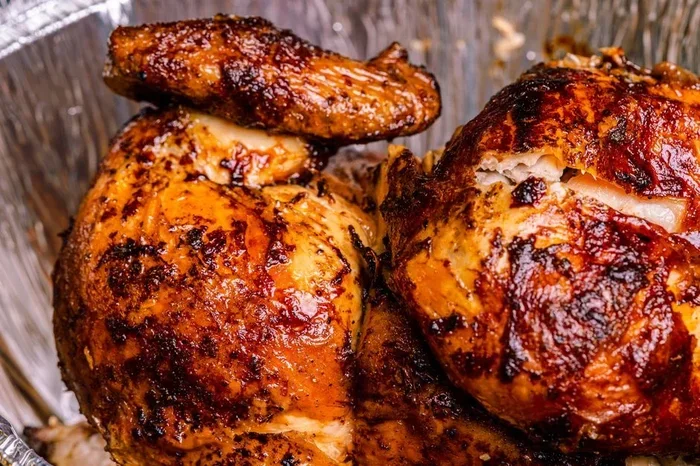
The ideal temperature to cook turkey in oven is 325°F to 350°F for even cooking and juicy meat. A whole turkey typically takes 3 to 4 hours at 325°F, while higher temps like 425°F work for faster roasting with crispy skin. Always use a meat thermometer to check that the internal temperature reaches 165°F in the thickest part.
Cooking a turkey in the oven can feel intimidating. Whether you are preparing a holiday feast or a simple Sunday dinner, getting the temperature right makes all the difference. The question what temp to cook turkey in oven comes up constantly, and for good reason. Too low and your turkey takes forever. Too high and you end up with dry meat and burnt skin.
This guide breaks down everything you need to know about oven-baked turkey temperatures. We will cover the best heat settings, cooking times, and practical tips that guarantee juicy results. By the end, you will feel confident roasting a perfect turkey every single time.
Key Takeaways
- 325°F is the gold standard: This temperature cooks turkey evenly and keeps it juicy throughout.
- Use a meat thermometer: The internal temperature must reach 165°F for food safety.
- Higher temps speed things up: 400°F to 425°F gives crispy skin but needs close monitoring.
- Resting time matters: Let your turkey rest for 20 to 30 minutes after cooking for juicier slices.
- Turkey size affects cooking time: A 12-pound bird takes about 3 hours at 325°F.
- Stuffing raises cooking time: A stuffed turkey needs extra time to reach safe internal temp.
- Brining helps juiciness: Soaking your turkey in salt water before roasting keeps it moist.
📑 Table of Contents
- The Best Temperature to Cook Turkey in Oven
- How Long to Cook Turkey at Different Temperatures
- Turkey Internal Temperature: The Most Important Number
- Tips for Juicy Turkey Every Time
- Common Mistakes to Avoid When Cooking Turkey
- Expert Insights for Perfect Roast Turkey
- Common Questions About Turkey Cooking Temperature
The Best Temperature to Cook Turkey in Oven
The most recommended temperature for roasting a whole turkey is 325°F. This moderate heat allows the meat to cook evenly from edge to center. It also gives the fat enough time to render and baste the bird naturally. Most culinary experts and the USDA agree that 325°F is the safest and most reliable setting.
However, 325°F is not the only option. Many home cooks prefer 400°F for a faster roast with beautifully crispy skin. The higher heat accelerates browning and creates a golden exterior. The trade-off is that you need to watch the turkey more carefully to avoid drying out the breast meat.
Why 325°F Works So Well
At 325°F, heat circulates evenly around the turkey. This means the white meat and dark meat cook at a similar rate. There is less chance of the outside burning before the inside is done. The lower temperature also gives collagen in the meat time to break down, which leads to tender, falling-apart texture.
If you are using a convection oven, you can reduce the temperature by 25°F. So set your convection oven to 300°F for the same results as a standard 325°F roast. Convection fans move hot air around the oven, which speeds up cooking and promotes even browning.
When to Use Higher Temperatures
Some cooks swear by a high-heat start method. This involves roasting at 425°F for the first 30 minutes, then dropping to 325°F. The initial blast of high heat kickstarts browning and crisps the skin quickly. After that, the lower temperature finishes the job gently without overcooking the meat.
This technique works especially well for turkeys under 14 pounds. Larger birds may need more time at the lower temperature to cook through fully. Always use a meat thermometer to check doneness, no matter which method you choose.
How Long to Cook Turkey at Different Temperatures
Cooking time depends on two things: the oven temperature and the weight of your turkey. A general rule of thumb is about 13 minutes per pound at 325°F for an unstuffed bird. But this is just a starting point. Every oven runs a little differently, and actual times can vary.
Cooking Time Chart for Whole Turkey
Here is a quick reference guide based on common turkey sizes roasted at 325°F:
- 8 to 10 pounds: About 2.5 to 3 hours
- 10 to 12 pounds: About 3 to 3.5 hours
- 12 to 14 pounds: About 3.5 to 4 hours
- 14 to 18 pounds: About 4 to 4.5 hours
- 18 to 20 pounds: About 4.5 to 5 hours
- 20 to 24 pounds: About 5 to 5.5 hours
These times are for unstuffed turkeys. If you are stuffing your bird, add about 30 to 45 minutes to the total cooking time. The stuffing needs to reach 165°F as well, which takes extra heat penetration through the cavity.
For faster cooking, roasting at 400°F can cut the time by about 20 to 30 percent. A 12-pound turkey might be done in about 2.5 hours at this higher temperature. Just remember that higher heat means you need to check the internal temperature more frequently to prevent overcooking.
How Long to Cook Turkey at 350°F
Many recipes call for 350°F as a middle-ground option. At this temperature, a 12-pound turkey will take roughly 3 to 3.5 hours. The meat cooks a bit faster than at 325°F, and you get a nice balance between juicy interior and crispy skin. This temperature works great for beginners who want a forgiving window.
If you are short on time, 375°F is another option. A 12-pound bird at 375°F will be done in about 2.5 to 3 hours. The key is to keep an eye on the internal temperature and tent the turkey with foil if the skin starts to darken too quickly.
Turkey Internal Temperature: The Most Important Number
The internal temperature of your turkey is the single most important factor in determining doneness. The USDA recommends that all poultry reach an internal temperature of 165°F. This applies to the breast, thighs, and wings. No part of the turkey should be below this temperature when served.
Where to Insert the Thermometer
Insert your instant-read thermometer into the thickest part of the thigh, making sure it does not touch the bone. The bone conducts heat differently than the meat, and a bone-touching reading can be inaccurate. Also check the thickest part of the breast, near the center of the bird.
For stuffed turkeys, check the temperature of the stuffing too. It must also reach 165°F to be considered safe. If the stuffing has not reached this temperature but the turkey is done, continue cooking until the stuffing catches up.
Turkey Breast Temperature vs. Thigh Temperature
Many experienced cooks pull the turkey from the oven when the breast reaches 160°F and the thighs reach 170°F to 175°F. The breast meat is leaner and dries out faster than the thighs. Dark meat, on the other hand, benefits from a slightly higher temperature because it has more connective tissue and fat. The carryover cooking that happens during resting will bring the breast up to the safe 165°F.
This approach takes some practice, but it is the secret to perfectly juicy turkey every time. If you are unsure, it is always better to pull the turkey a few degrees early and let carryover cooking do the rest.
Tips for Juicy Turkey Every Time
Getting a juicy turkey is about more than just temperature. Several factors work together to keep your bird moist and flavorful. Here are the most effective tips that real home cooks swear by.
Brine Your Turkey Overnight
Brining is one of the best things you can do for moisture. A simple brine of water, salt, and sugar works wonders. Submerge your turkey in the brine for 12 to 24 hours before roasting. The salt solution helps the meat retain moisture during cooking, even if you accidentally cook it a little longer than planned.
Dry the Skin Before Roasting
Pat the turkey skin completely dry with paper towels before putting it in the oven. Moisture on the surface creates steam instead of crispness. For extra-crispy skin, leave the turkey uncovered in the refrigerator overnight. The dry air in the fridge will help the skin dehydrate, which leads to better crisping in the oven.
Tent with Foil Partway Through
If your turkey is browning too fast, loosely tent it with aluminum foil. This shields the skin from burning while the interior continues to cook. Remove the foil during the last 30 minutes of roasting to let the skin finish crisping up nicely.
Let the Turkey Rest Before Carving
Resting is not optional. After removing the turkey from the oven, let it sit for at least 20 to 30 minutes before carving. During this time, the juices redistribute throughout the meat. If you cut too soon, those juices run out onto the cutting board instead of staying in the slices. A well-rested turkey is noticeably juicier than one carved immediately.
Common Mistakes to Avoid When Cooking Turkey
Even experienced cooks make mistakes when roasting turkey. Knowing what to avoid can save your bird from turning out dry or undercooked.
Not Using a Meat Thermometer
The biggest mistake is relying on a timer alone. Every oven heats differently, and turkey size varies. A meat thermometer removes all guesswork. It is the only reliable way to know your turkey is done and safe to eat. Get a good instant-read thermometer and use it every time.
Overcooking the Breast
The breast meat dries out fast because it has very little fat. Many people cook the turkey until the breast reaches 165°F, but by that point the thighs may be overcooked. Remember, carryover cooking will raise the temperature by 5 to 10 degrees after you pull the bird out. Pull the turkey when the breast hits 160°F and the thighs hit 170°F.
Roasting at Too High a Temperature
Some cooks crank the oven to 450°F or higher to save time. This often results in burnt exterior and raw interior. The outside cooks much faster than the inside at extreme temperatures. Stick to 325°F to 400°F for the best results, and be patient.
Skipping the Resting Period
Cutting into a hot turkey right out of the oven is tempting but counterproductive. The juices need time to settle. Skipping the rest means your carefully roasted turkey loses moisture the moment you slice it. Trust the process and wait at least 20 minutes.
Expert Insights for Perfect Roast Turkey
Professional chefs and cooking instructors share a few extra insights that can elevate your turkey from good to great.
One tip is to butter the skin before roasting. A thin layer of softened butter under the skin of the breast adds richness and helps the skin brown evenly. You can also rub herbs like thyme, rosemary, and sage under the skin for extra flavor.
Another pro move is to place vegetables in the bottom of the roasting pan. Carrots, celery, and onions not only flavor the drippings but also elevate the turkey, allowing hot air to circulate underneath. This promotes even cooking on all sides.
If you are using a roasting pan with a rack, make sure the turkey sits above the pan. Elevating the bird allows air to flow around it, which prevents the bottom from steaming and becoming soggy. A wire rack works just as well and is often more convenient.
For those who love crispy skin, try rubbing the outside with a thin layer of oil or melted butter before roasting. Oil conducts heat better than the fat naturally in the bird, which promotes faster and more even browning. Just use a light hand, as too much oil can cause excessive smoking in the oven.
Finally, keep in mind that your oven may not be accurate. Many home ovens run 10 to 25 degrees off from the set temperature. An oven thermometer placed inside your oven can help you verify the actual temperature. Once you know your oven’s true temperature, you can adjust accordingly for perfect results every time.
Common Questions About Turkey Cooking Temperature
Here are some of the most frequently asked questions about roasting turkey in the oven. These quick answers cover the details many cooks want to know.
Can I Cook a Turkey at 400°F?
Yes, cooking a turkey at 400°F works well for faster roasting and crispier skin. A 12-pound turkey at 400°F will take about 2.5 to 3 hours. Just monitor the internal temperature closely to prevent overcooking.
Is It Better to Cook a Turkey at 325°F or 350°F?
325°F is the safest and most even cooking temperature. 350°F cooks slightly faster but requires more attention. Both temperatures produce great results when you use a meat thermometer.
How Do I Know When My Turkey Is Done?
The turkey is done when the thickest part of the thigh reaches 165°F and the juices run clear when you pierce the thigh with a fork. Always use a meat thermometer for accuracy.
Should I Cover My Turkey with Foil While Roasting?
Most of the time, no. Leaving the turkey uncovered allows the skin to crisp. Only cover with foil if the skin is browning too quickly, and remove the foil for the last 30 minutes of cooking.
What Is Carryover Cooking and Why Does It Matter?
Carryover cooking means the internal temperature of the turkey continues to rise after you take it out of the oven. This can add 5 to 10 degrees of extra heat. Pulling the turkey out a few degrees early accounts for this rise and keeps the meat juicy.
Can I Use the Same Temperature for a Frozen Turkey?
Yes, cook frozen turkey at 325°F, but expect significantly longer cooking times. A frozen turkey can take twice as long as a thawed one. Always verify the internal temperature reaches 165°F in all areas.
Mastering the oven temperature for turkey is the foundation of a great roast. Whether you choose 325°F for a slow, even cook or 400°F for a faster golden roast, the key is using a meat thermometer and letting the turkey rest properly. These simple steps transform an intimidating dish into a showstopper that your family and guests will love.
Remember that every turkey is a little different, and experience is your best teacher. Each time you roast, you will learn more about your specific oven and how it behaves. Take notes on your cooking times and temperatures, and soon you will have a personal go-to method that never fails.
For more oven cooking tips and guides, check out our best pan to cook turkey in oven guide and learn how to keep your turkey warm in the oven after roasting. You might also enjoy our article on how long to cook chicken wings in oven at 400 if you love roasting poultry at high heat.
Now you have all the knowledge you need to roast a delicious, juicy turkey. Fire up your oven, grab your thermometer, and get ready to impress everyone at the table. Happy cooking!



