Knowing how to tell if eggs are still good is one of the most important kitchen skills you can learn. You can use the water test, smell test, and visual check to quickly determine egg freshness and avoid food safety risks. This guide covers every method you need to keep your eggs safe and your meals delicious.
There are few things more frustrating than cracking an egg only to realize it has gone bad. The smell hits you right away, and you are left wondering how you could have missed it. Whether you keep eggs in the fridge for weeks or buy them in bulk, knowing how to tell if eggs are still good is a skill that saves you money and keeps your family safe.
Eggs are a staple in almost every kitchen. They make breakfast quick, baking possible, and meals more nutritious. But like all perishable foods, eggs have a limited window of freshness. The good news is that you do not need fancy tools or lab tests to check. A simple glass of water, a quick sniff, and a basic visual inspection can tell you everything you need to know about egg freshness. In this guide, we walk you through every reliable method so you always know when your eggs are safe to eat.
Key Takeaways
- The Water Test Is the Gold Standard: Fresh eggs sink and lay flat in water, while older or bad eggs float.
- Your Nose Knows: A foul or sulfur-like odor is the clearest sign that eggs have gone bad.
- Check the Egg Carton Date: The sell-by or best-by date gives you a reliable starting point for egg freshness.
- Visual Clues Matter: Cracked shells, discolored egg whites, or runny egg yolks can signal spoilage.
- Proper Storage Extends Shelf Life: Storing eggs in the coldest part of the fridge keeps them fresh longer.
- Never Eat Eggs That Smell Off: Even if they look fine, a bad smell means you should throw them out.
📑 Table of Contents
Why Egg Freshness Matters
You might wonder why egg freshness is such a big deal. After all, an egg is just an egg, right? Not quite. Fresh eggs taste better, cook differently, and are much safer to eat than eggs that have started to spoil.
When eggs age, the egg white becomes thinner and the yolk loses its shape. This changes how they cook. A fresh egg holds its shape when fried or poached, while an older egg spreads out in the pan. More importantly, spoiled eggs can carry harmful bacteria like Salmonella. Eating a bad egg can lead to food poisoning, stomach cramps, and fever. That is why checking egg quality before cooking is so important.
The Role of the Eggshell
Many people do not realize that the eggshell is not a perfect barrier. It has thousands of tiny pores that allow air to pass through over time. As air enters, the egg loses moisture and carbon dioxide. This is a natural process. But it also means that the older an egg gets, the more its egg quality declines. Understanding this helps explain why the water test works so well.
The Water Test: The Best Egg Freshness Test
The water test for eggs is the most popular and reliable way to check freshness at home. It is simple, fast, and requires nothing more than a bowl of water. This method works because as an egg ages, air builds up inside through the shell’s pores, making it more buoyant.
How to Do the Water Test
Follow these steps to check your eggs:
- Fill a bowl or glass with cold water. The water should be deep enough to fully submerge the egg.
- Gently place the egg into the water. Do not drop it.
- Watch how the egg behaves.
Here is what the results mean:
- Sinks and lays flat on its side: The egg is very fresh. It is perfect for frying, poaching, or baking.
- Sinks but stands upright: The egg is still good but not as fresh. It is best for hard-boiling or scrambling.
- Floats to the top: The egg has gone bad. Throw it away immediately. Do not eat it.
The science behind this is straightforward. A fresh egg has very little air inside, so it sinks. As the egg ages, the air cell grows, and buoyancy increases. A floating egg has enough air to stay on the surface, which signals that it is no longer safe to eat.
When the Water Test Is Not Enough
While the water test is excellent for checking egg freshness, it is not the only tool you should use. Some eggs that sink may still be past their prime. This is why combining the water test with other methods gives you the best results.
Visual and Smell Tests for Egg Inspection
The water test tells you a lot, but your eyes and nose are also powerful tools for checking egg quality. These simple egg inspection methods take just seconds and can catch problems the water test might miss.
The Smell Test
Your nose is one of the best detectors of bad egg signs. When you crack an egg onto a clean plate or flat surface, smell it right away. A fresh egg has little to no odor. A spoiled egg will give off a strong, unpleasant egg odor that smells like sulfur or rotten eggs. If you detect any foul smell, discard the egg immediately and do not cook with it.
This is especially important for raw egg safety. Even if an egg looks perfectly fine, bacteria can be present without any visible signs. The smell test catches what your eyes cannot.
Checking the Egg White and Egg Yolk
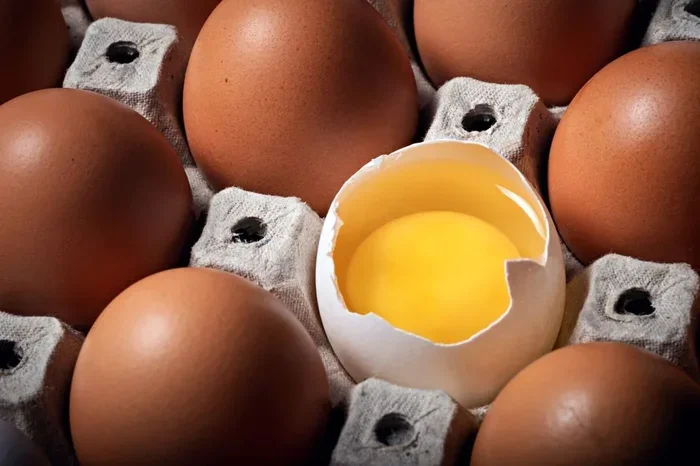
Once you crack the egg, take a moment to look at both the egg white and the egg yolk. A fresh egg has a thick, cloudy white that holds the yolk in place. The yolk should be round and firm.
Here is what to look for:
- Thin, runny egg white: This is normal for older eggs but not necessarily a sign of spoilage.
- Discolored egg white: Pink, green, or iridescent whites can indicate bacterial contamination. Throw the egg away.
- Flat or broken yolk: An older egg will have a flatter yolk. If the yolk breaks easily, the egg is past its prime but may still be safe for baking.
- Black or green spots: These spots on the yolk or white can signal mold or bacterial growth. Do not eat the egg.
Check the Shell Before Cracking
Before you even crack an egg, look at the shell. A fresh egg has a smooth, clean shell with a slight matte finish. Check for cracked shells or holes. If the shell is damaged, bacteria can enter, and the egg may have spoiled even before you open it. Also, look for any powdery or fuzzy residue on the shell, which can be a sign of mold.
Understanding Egg Dates and Labels
Egg cartons are full of numbers and dates that can be confusing. Understanding what they mean helps you judge egg shelf life before you even do a test.
Sell-By Date vs. Best-By Date
The sell-by date tells the store how long to display the eggs. It does not mean the eggs go bad on that day. In most cases, eggs are still good for three to five weeks past the sell-by date if stored properly in the fridge.
The best-by date is a closer indicator of peak egg freshness. Eggs are at their best for cooking and baking before this date. After that, they are still safe to eat for a while but may lose some quality.
The Julian Date
Many egg cartons also include a three-digit number called the Julian date. This number represents the day of the year the eggs were packed. For example, January 1 is 001, and December 31 is 365. The closer the Julian date is to today, the fresher the eggs. This is a great quick reference when you are at the grocery store.
Always check the egg carton date when buying eggs. Choose the carton with the latest date for the best egg quality at home.
How to Store Eggs Properly
Proper egg storage is one of the easiest ways to extend egg shelf life and maintain freshness. How you store eggs makes a bigger difference than most people realize.
Where to Keep Eggs in the Fridge
Always store eggs in the main body of the refrigerator, not in the door. The door is the warmest part of the fridge because it opens frequently. The main shelf or the back of the fridge stays colder and more consistent, which helps preserve egg freshness for longer.
Keep eggs in their original carton. The carton protects the eggs from absorbing odors from other foods and helps maintain moisture levels inside the shell. This is a simple step that many people overlook.
Can You Freeze Eggs?
Yes, you can freeze eggs, but not in their shells. Crack the eggs into a freezer-safe container, whisk them lightly, and freeze. Frozen eggs work great for baking and cooking but are not ideal for frying or poaching. For more detailed guidance on long-term egg storage, check out our article on how to store eggs for long term.
Storing Other Foods Alongside Eggs
Good egg storage goes hand in hand with overall kitchen organization. Keeping your fridge tidy and your food properly stored helps prevent cross-contamination and keeps everything fresher longer. For tips on keeping your kitchen space organized, read our guide on how to organize kitchen pantry. And just like you would follow proper methods for how to store hummus to keep it fresh, eggs also benefit from careful, consistent storage habits.
What Happens When You Eat Bad Eggs
Eating a spoiled egg can cause unpleasant symptoms. The most common culprit is Salmonella bacteria, which can be present in both the shell and the inside of the egg.
Common Symptoms of Food Poisoning
If you eat a bad egg, watch for these signs:
- Nausea and vomiting
- Stomach cramps and diarrhea
- Fever and chills
- Headache and fatigue
Symptoms usually appear within six to forty-eight hours after eating a contaminated egg. Most people recover within a few days, but food poisoning can be serious for young children, older adults, and anyone with a weakened immune system. When in doubt, throw the egg out.
When to See a Doctor
Most cases of egg-related food poisoning resolve on their own. However, seek medical attention if you experience severe dehydration, a fever above 102°F, or symptoms that last more than three days. It is always better to be safe than sorry with raw egg safety.
Quick Tips for Keeping Eggs Fresh
Here are some simple habits that make a big difference in egg freshness:
- Buy eggs from a refrigerated display: Never buy eggs from a shelf at room temperature.
- Refrigerate eggs within 30 minutes of buying: Do not leave them in a hot car or on the counter.
- Keep eggs in the original carton: The carton protects them and keeps them from absorbing fridge odors.
- Use older eggs for hard-boiling: Eggs that are a week or two old are easier to peel after boiling.
- Do not wash eggs before storing: Store-bought eggs are already washed. Washing them again removes the protective coating and can introduce bacteria.
- Do the water test regularly: Make it a habit to check a few eggs from each carton using the water test before cooking.
Common Mistakes People Make
Avoid these common errors that lead to wasted eggs or food safety risks:
- Relying only on the date on the carton: Dates are guidelines, not expiration deadlines. Always combine dates with the water test and smell test.
- Storing eggs in the fridge door: Temperature fluctuations in the door can reduce egg shelf life.
- Ignoring a faint smell: If something seems off, trust your nose. It is better to be cautious.
- Using cracked eggs without checking: A cracked shell can let bacteria in. Inspect every egg before adding it to your shopping cart.
Following these kitchen tips keeps your eggs safe, fresh, and ready to use whenever you need them. With a little attention and these simple methods, you will never have to wonder about the quality of your eggs again.
Conclusion
Knowing how to tell if eggs are still good is a simple but essential kitchen skill. The water test, smell test, and visual check give you everything you need to judge egg freshness with confidence. Combine these methods with smart egg storage and attention to carton dates, and you will always know exactly what is in your fridge.
Fresh eggs make every meal better. They taste richer, cook more predictably, and are much safer to eat. By taking a few extra seconds to check each egg, you protect your health and reduce food waste. Start using these tests today, and you will never second-guess an egg again.
Frequently Asked Questions
How long do eggs last in the fridge?
Fresh, raw eggs in their shell can last three to five weeks in the refrigerator when stored properly. The sell-by or best-by date on the carton gives you a helpful starting point, but the water test and smell test are the best ways to confirm freshness at any point during that window.
Can you eat eggs that float in the water test?
No, eggs that float to the top of a water test have gone bad and should be discarded. The floating indicates that enough air has entered through the shell pores over time, which means the egg is no longer safe to eat. Always throw floating eggs away without cracking them.
Is it safe to eat eggs past the best-by date?
Yes, eggs are often still safe to eat a few weeks past the best-by date if they have been stored in the refrigerator. However, you should always perform the water test and smell test before using them. If the egg passes both checks, it is likely still good.
What does a bad egg smell like?
A bad egg gives off a strong, unmistakable sulfur or rotten egg smell. This odor becomes apparent as soon as you crack the egg open. If you notice any foul egg odor, do not cook with it or eat it. Discard it immediately and wash your hands thoroughly.
Can you freeze eggs to extend their shelf life?
Yes, you can freeze eggs, but you must remove them from their shells first. Crack the eggs into a freezer-safe container, whisk them well, and freeze. Frozen eggs work great for baking, cooking, and making scrambled eggs. Label the container with the date so you can track how long they have been stored.
Why do some eggs have a blood spot?
A blood spot in an egg is caused by a ruptured blood vessel during egg formation. It is completely harmless and does not mean the egg is bad. You can simply remove the spot with the tip of a knife if it bothers you. A blood spot is actually a sign that the egg is very fresh, as commercial eggs are usually screened and removed if they have visible spots.