Keep your hummus tasting fresh longer by mastering the right storage methods. From airtight containers to freezer tricks, this guide shows you how to store hummus so it stays creamy, flavorful, and safe to eat.
Key Takeaways
- Use airtight containers: Prevent air and moisture from spoiling the dip.
- Refrigerate promptly: Cool hummus within two hours of preparation.
- Freeze for long‑term storage: Hummus can last up to three months frozen.
- Stir before serving: Mixing restores smooth texture after chilling or thawing.
- Watch for signs of spoilage: Off smell, discoloration, or mold mean it’s time to toss.
- Label with dates: Knowing when you made or opened hummus prevents waste.
- Store leftovers separately: Keep a small portion for snacking to avoid repeatedly opening the main jar.
📑 Table of Contents
Introduction: Why Proper Storage Matters
Hummus is a beloved dip that adds protein, fiber, and flavor to any snack. Whether you buy it from the store or whip up a batch at home, you’ll want it to stay fresh and tasty. The secret isn’t magic—it’s simple storage science. When hummus is exposed to air, heat, or moisture, the delicate balance of tahini, lemon, and chickpeas can break down, leading to off flavors and a shortened shelf life.
In this article we’ll walk through everything you need to know about how to store hummus safely. From the best containers to freezer‑friendly tricks, you’ll learn practical steps that keep your dip creamy for days, weeks, or even months.
1. Choose the Right Container
Why airtight matters
An airtight container creates a barrier that stops oxygen from reaching the hummus. Oxygen speeds up oxidation, which can turn the dip brown and develop a sour taste. Using a container with a tight‑fitting lid also blocks moisture, keeping the hummus from becoming watery.
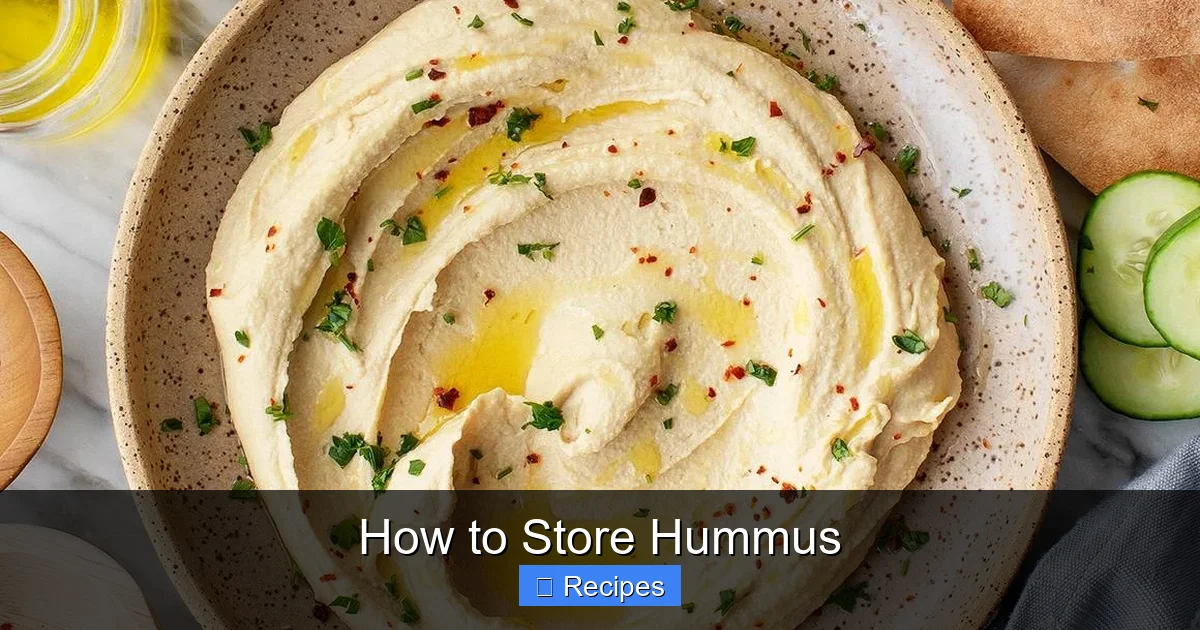
Visual guide about hummus storage tips
Image source: cdn.loveandlemons.com
Best options
- Glass jars with screw tops: Non‑reactive, easy to see the contents, and great for both fridge and freezer.
- Plastic food‑grade containers: Look for BPA‑free options with snap‑lock lids.
- Reusable silicone bags: Ideal for portioning and freezing.
Pro tip
Before sealing, place a thin layer of olive oil on the surface of the hummus. The oil creates an extra seal that helps preserve color and texture.
2. Refrigeration: The Everyday Method
Cooling timeline
After making hummus, let it cool to room temperature for no more than two hours. Then transfer it to your chosen airtight container and place it in the refrigerator set to 35–40°F (2–4°C). Properly refrigerated hummus will stay good for 4–7 days.

Visual guide about hummus storage tips
Image source: inspiredtaste.net
Storing store‑bought hummus
Even unopened store‑bought hummus benefits from a quick chill after purchase. Once opened, treat it the same as homemade: reseal tightly, add a drizzle of oil, and label the jar with the date you opened it.
Common mistakes
- Leaving the dip out on the counter for too long.
- Using a container with a loose lid.
- Storing near strong‑smelling foods (hummus can absorb odors).
3. Freezing Hummus for Long‑Term Storage
Is freezing safe?
Yes! Freezing is an excellent way to extend the life of hummus. When you freeze, you slow down bacterial growth and enzymatic reactions that cause spoilage.
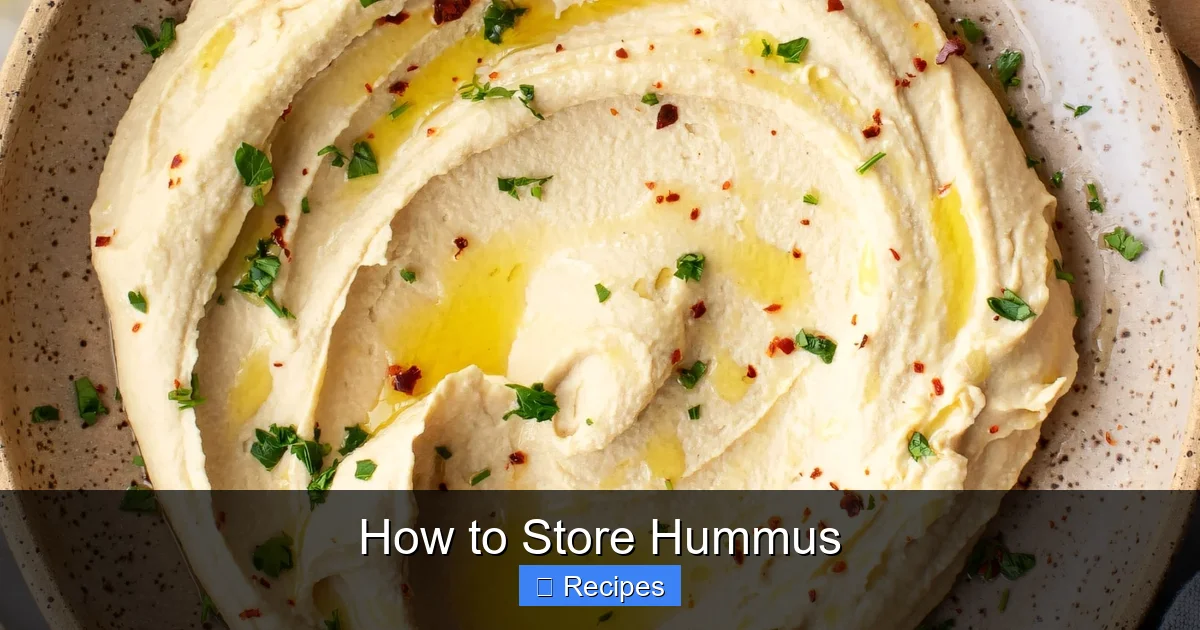
Visual guide about hummus storage tips
Image source: cdn.loveandlemons.com
Step‑by‑step freezing guide
- Portion the hummus into ½‑cup servings. Smaller portions thaw faster.
- Line a freezer‑safe container or silicone bag with a piece of parchment paper (optional) to prevent sticking.
- Press a thin layer of olive oil over the top.
- Seal tightly, label with the date, and place in the freezer.
How long can you keep it?
Frozen hummus maintains best quality for up to three months. It remains safe beyond that, but texture and flavor may degrade.
Thawing and reviving
Transfer the container to the refrigerator and let it thaw overnight. After thawing, stir vigorously. If the dip looks a little watery, drizzle a bit more olive oil and blend again. For a smoother finish, use a hand‑held immersion blender.
4. Extending Freshness with Simple Add‑Ons
Olive oil barrier
As mentioned earlier, a thin oil layer on the surface acts like a protective blanket. It also adds a pleasant richness.
Fresh lemon juice
Adding a splash of fresh lemon juice after thawing can brighten the flavor, especially if the hummus has dulled slightly during storage.
Herb garnish
Chopped parsley, cilantro, or mint not only looks inviting but also adds a fresh aroma that masks any minor off‑notes.
5. Spotting Spoiled Hummus
What to look for
- Smell: A sour, rancid, or fermented odor signals spoilage.
- Color: Darkening or pinkish spots indicate oxidation or mold.
- Texture: Excessive watery separation or a slimy surface are red flags.
- Mold: Any visible mold means discard immediately.
When in doubt, toss it
If you’re unsure, it’s safer to discard. Foodborne illness from spoiled hummus can be serious, especially for pregnant women, kids, and the immunocompromised.
6. Creative Uses for Leftover Hummus
Hummus as a spread
Spread on toast, sandwich wraps, or even use as a base for pizza. The creamy texture works well with veggies and meats.
Hummus‑based sauces
Thin with a bit of water or broth, add extra lemon, and you have a quick sauce for grilled chicken or roasted vegetables.
Ingredient in other recipes
Blend hummus into soups for extra body, or swirl into scrambled eggs for a protein boost. For more ideas, check out our guide on how to make toaster strudel for creative snack pairings.
Conclusion: Keep Your Hummus Happy
Knowing how to store hummus properly turns a simple dip into a reliable kitchen staple. Use airtight containers, refrigerate promptly, and don’t be afraid to freeze for later. Add a thin oil layer, label your jars, and always check for signs of spoilage. With these easy steps, you’ll enjoy fresh, creamy hummus every time you reach for a snack.
Frequently Asked Questions
How long does homemade hummus last in the fridge?
When stored in an airtight container at 35–40°F (2–4°C), homemade hummus stays fresh for 4–7 days.
Can I freeze store‑bought hummus?
Yes. Transfer the hummus to a freezer‑safe container, add a thin oil layer, and freeze for up to three months.
What’s the best way to thaw frozen hummus?
Move the container to the refrigerator and let it thaw overnight. Stir well and add a drizzle of olive oil or lemon juice if needed.
Is it safe to eat hummus that has a little mold on the surface?
No. Any visible mold means the entire batch should be discarded to avoid foodborne illness.
Can I store hummus in a plastic bag?
Yes, as long as the bag is food‑grade, BPA‑free, and sealed tightly. For best results, use a silicone freezer bag and squeeze out excess air.
What should I do if my hummus separates in the fridge?
Give it a good stir and add a splash of olive oil or lemon juice. The separation is normal and doesn’t mean the hummus is spoiled.