
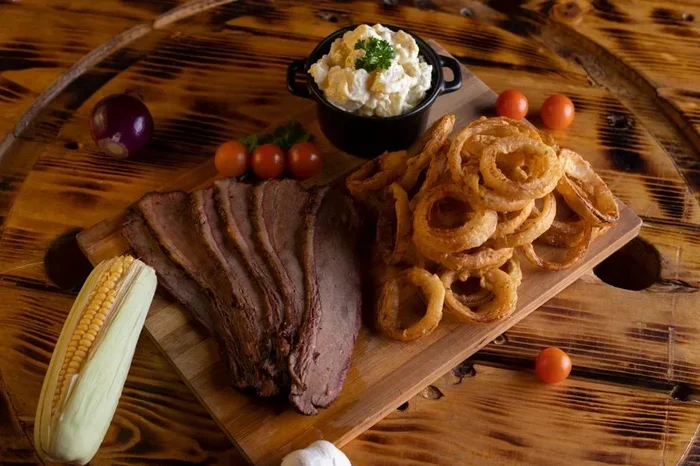
Baked corned beef brisket is the ultimate comfort food that brings rich flavor and tender meat to your dinner table. This guide walks you through everything you need to know, from choosing the perfect cut to baking it low and slow for maximum juiciness. You will learn proven techniques, mouthwatering glaze ideas, and storage tips that keep leftovers tasting fresh.
Key Takeaways
- Low and slow baking at 300-325°F delivers the most tender and juicy corned beef brisket.
- Soaking the brisket overnight removes excess salt and improves flavor balance.
- A simple glaze made from brown sugar, mustard, and spices adds a beautiful caramelized crust.
- Proper resting after baking keeps the juices locked inside the meat.
- Storing cooked brisket correctly ensures it stays delicious for days.
- Internal temperature of 200-205°F is the sweet spot for fall-apart tenderness.
- Pairing with the right sides like cabbage, potatoes, or hearty bread completes the meal.
📑 Table of Contents
- Baked Corned Beef Brisket: The Ultimate Comfort Food You Need to Try
- What Is Baked Corned Beef Brisket?
- Choosing the Right Brisket for Baking
- How to Prepare Corned Beef Brisket for Baking
- The Best Baking Method for Tender Corned Beef
- Common Mistakes to Avoid
- Serving Suggestions and Side Dishes
- Storing and Reheating Leftover Brisket
- Comparing Baking to Other Cooking Methods
- Expert Tips for the Perfect Baked Corned Beef Brisket
- Frequently Asked Questions
- Conclusion
Baked Corned Beef Brisket: The Ultimate Comfort Food You Need to Try
There is something deeply satisfying about a slow-baked corned beef brisket filling your kitchen with savory aroma. Baked corned beef brisket turns a tough cut of meat into something melt-in-your-mouth tender. Whether you are feeding a family or hosting a holiday gathering, this dish delivers big flavor with minimal effort.
The beauty of baking corned beef brisket lies in its simplicity. You season it, let the oven do the work, and wait for the magic to happen. Unlike stovetop methods that require constant attention, the oven approach gives you hands-free cooking time. The result is a juicy, flavorful brisket that practically falls apart at the touch of a fork.
If you have ever wondered how to get that perfect corned beef texture at home, you are in the right place. This guide covers every step from prep to plate. You will find practical tips, common mistakes to avoid, and creative variations that take your brisket to the next level.
What Is Baked Corned Beef Brisket?
Corned beef brisket starts as a cut from the breast or lower chest of the cow. It gets cured in a brine solution with salt, sugar, and spices. This curing process gives corned beef its signature pink color and bold, savory flavor.
Baking is one of the best ways to cook this cut because the dry, gentle heat breaks down the tough connective tissue over time. The oven slowly renders the fat and transforms a chewy piece of meat into something incredibly tender. Many home cooks prefer baking because it requires very little hands-on work.
Corned Beef vs. Fresh Brisket
It helps to understand the difference between corned beef and a fresh brisket. Corned beef has already been cured, which means it carries salt and seasoning throughout the meat. A fresh brisket is raw and unseasoned, so you control all the flavors from scratch.
For baked corned beef brisket, you want the cured version because the brine already does much of the flavor work. The curing salt also helps the meat retain moisture during the long baking process. This is why corned beef brisket tends to be more forgiving for beginner cooks.
Choosing the Right Brisket for Baking
Not all briskets are created equal, and picking the right one sets you up for success. The two main cuts you will encounter are the point and the flat.
- Flat Cut: This is the leaner option. It slices neatly and looks impressive on a platter. It can dry out faster if you overcook it, so keep a close eye on the temperature.
- Point Cut: This piece has more intramuscular fat, which means more flavor and juiciness. It is the better choice for beginners because it is harder to overcook.
- Packer Brisket: This includes both the point and flat connected together. It is the most common cut sold at butcher shops and grocery stores.
When buying baked corned beef brisket, look for a piece that has a good amount of marbling. The fat streaks throughout the meat melt during baking and keep everything moist. Avoid any brisket that looks dry or has a grayish color, as that suggests it has been sitting too long.
How to Prepare Corned Beef Brisket for Baking
Preparation is where the magic begins. Taking the right steps before the brisket hits the oven makes a huge difference in the final result.
Step 1: Rinse and Soak
Start by rinsing the brisket under cold water. This removes excess surface salt from the curing brine. Some cooks skip this step, but rinsing gives you more control over the final salt level.
For a less salty result, try soaking the brisket in cold water overnight. Change the water once or twice to draw out more salt. This simple step prevents the meat from tasting overly salty after baking.
Step 2: Season and Glaze
While corned beef already has plenty of flavor from the cure, a little extra seasoning never hurts. A light coating of brown sugar, cracked black pepper, and garlic powder adds a beautiful crust during baking.
For a classic glaze, mix brown sugar, Dijon mustard, apple cider vinegar, and a pinch of cloves. Spread this over the brisket about 30 minutes before the baking time ends. The glaze caramelizes in the heat and creates a sticky, sweet-savory exterior that everyone loves.
Step 3: Choose Your Baking Liquid
Adding liquid to the baking dish keeps the brisket moist. Beer, beef broth, or even cola all work wonderfully. The liquid creates steam inside the oven, which gently cooks the meat from all angles.
Beer is a popular choice because the bitterness balances the richness of the beef. If you prefer a non-alcoholic option, beef broth with a splash of apple cider vinegar does the same job beautifully.
The Best Baking Method for Tender Corned Beef
Temperature and time are the two most important factors in baking corned beef brisket. Getting these right means the difference between tough, chewy meat and perfectly tender slices.
Recommended Temperature and Time
Bake your brisket at 300 to 325 degrees Fahrenheit. This low temperature allows the collagen in the meat to break down slowly without drying it out. Here is a general guide:
- Small brisket (2-3 lbs): 3 to 3.5 hours
- Medium brisket (3-4 lbs): 3.5 to 4 hours
- Large brisket (4-5 lbs): 4.5 to 5.5 hours
The internal temperature is your best indicator of doneness. Pull the brisket out when it reaches 200 to 205 degrees Fahrenheit. At this point, the connective tissue has fully broken down and the meat will be tender and juicy.
Why Low and Slow Works
Baking at a low temperature mimics the principles of slow-cooking. The heat gently melts the collagen and fat without toughening the muscle fibers. This is the same concept behind crockpot beef roast recipes that deliver fall-apart tenderness.
Resist the urge to raise the temperature to speed things up. High heat will cook the outside too quickly while leaving the inside tough and chewy. Patience is the secret ingredient in every great baked corned beef brisket.
Common Mistakes to Avoid
Even experienced cooks can run into trouble with corned beef brisket. Knowing what goes wrong helps you avoid these pitfalls.
- Skipping the soak: Too much salt from the cure can make the meat unpleasantly salty. Always rinse or soak your brisket before baking.
- Cooking at too high a temperature: High heat dries out the meat and leaves it tough. Stick with 300-325 degrees for the best results.
- Cutting too early: Slicing the brisket right out of the oven releases all the juices. Let it rest for at least 15-20 minutes before cutting.
- Using the wrong cut: A lean flat cut without enough fat will dry out faster. Choose a well-marbled piece for juicier results.
- Not using a meat thermometer: Guessing the doneness leads to overcooked or undercooked meat. A thermometer takes the guesswork out entirely.
If your brisket does come out tough, do not throw it away. You can fix it by returning it to the oven with extra liquid and cooking it longer at a lower temperature. Tough corned beef is a common problem, and it usually has a simple solution.
Serving Suggestions and Side Dishes
The right sides can turn a great brisket into a memorable meal. Baked corned beef brisket pairs beautifully with classic comfort foods that balance its rich flavor.
- Corned beef and cabbage: The traditional pairing that never gets old. Boiled cabbage, carrots, and potatoes alongside sliced brisket is pure comfort.
- Buttery mashed potatoes: The creamy texture contrasts nicely with the firm slices of beef.
- Homemade bread or rolls: Use bread to soak up the savory juices from the cutting board.
- Braised red cabbage: A tangy, slightly sweet slaw adds a refreshing contrast to the rich meat.
- Roasted root vegetables: Carrots, parsnips, and turnips roasted with olive oil make a hearty, seasonal side.
For a lighter meal, serve thin slices of brisket over a fresh green salad with a tangy vinaigrette. The bold flavor of the corned beef stands up well to crisp, acidic greens.
Storing and Reheating Leftover Brisket
Leftover baked corned beef brisket is honestly even better the next day. The flavors deepen as the meat sits in its juices. But proper storage is key to keeping it safe and delicious.
Let the brisket cool to room temperature before storing. Place it in an airtight container and refrigerate within two hours of cooking. Properly stored, cooked brisket keeps well in the fridge for 3 to 4 days.
For longer storage, wrap the brisket tightly in foil and then in plastic wrap before freezing. Frozen brisket stays good for up to 3 months. When you are ready to eat it, thaw it in the refrigerator overnight and reheat gently in the oven at 300 degrees.
Avoid reheating brisket in the microwave if you can. The microwave tends to dry out the edges and make the meat rubbery. The oven or stovetop with a splash of broth preserves the texture much better. For more detailed guidance on storing leftover beef dishes, check out our guide on how to store cooked brisket for expert tips.
Comparing Baking to Other Cooking Methods
There are several ways to cook corned beef brisket, and each method brings something different to the table. Here is how baking compares to the most popular alternatives.
| Method | Time | Texture | Ease of Cooking |
|---|---|---|---|
| Baking (Oven) | 3-5.5 hours | Tender, firm slices | Very easy, hands-off |
| Slow Cooking (Crockpot) | 8-10 hours | Very tender, shreddable | Easiest, set and forget |
| Boiling | 2.5-3.5 hours | Soft, traditional | Moderate, needs monitoring |
| Grilling | 4-6 hours | Smoky, charred edges | Requires attention |
Baking strikes the perfect balance between convenience and flavor. It gives you a beautiful crust from the glaze while keeping the inside moist and tender. If you prefer shreddable meat, a crockpot beef roast might be your go-to method. But for classic sliced corned beef with a caramelized exterior, baking is hard to beat.
For those short on time, you can also explore stove top ground beef recipes for quicker weeknight alternatives. While not the same as a slow-baked brisket, these recipes deliver bold flavor in a fraction of the time.
Expert Tips for the Perfect Baked Corned Beef Brisket
Here are some pro-level tips that separate a good brisket from a great one:
- Start with room temperature meat. Take the brisket out of the fridge 30 minutes before baking. This ensures more even cooking throughout the piece.
- Fat side up. Place the brisket with the fat cap facing up. As it bakes, the fat melts and bastes the meat naturally.
- Use a rack in the baking dish. Elevating the brisket allows the hot air to circulate around it, promoting even cooking and a crispier exterior.
- Add liquid but do not submerge. About one cup of liquid in the bottom of the pan is enough. Too much liquid will boil the meat instead of baking it.
- Wrap in foil halfway through. If the exterior is getting too dark before the inside is tender, loosely cover it with foil for the remaining baking time.
These small adjustments make a noticeable difference in the final product. They are easy to implement and require no extra effort, but they elevate your brisket from good to outstanding.
Frequently Asked Questions
How long does it take to bake corned beef brisket?
Baking time depends on the size of the brisket. A 3 to 4 pound brisket typically takes 3.5 to 4.5 hours at 300 to 325 degrees Fahrenheit. Always use a meat thermometer to check for doneness rather than relying solely on time. The brisket is ready when it reaches an internal temperature of 200 to 205 degrees Fahrenheit.
Do you need to rinse corned beef before baking?
Yes, rinsing is recommended. The curing brine leaves excess salt on the surface of the meat. Rinsing under cold water removes this salt and prevents the finished brisket from tasting too salty. For an even milder flavor, you can soak the brisket in cold water overnight before baking.
What temperature should baked corned beef brisket reach?
The ideal internal temperature is 200 to 205 degrees Fahrenheit. At this range, the collagen in the meat has fully broken down, resulting in tender, juicy slices. Using a reliable meat thermometer is the best way to ensure your brisket is perfectly cooked every time.
Can you overcook corned beef brisket in the oven?
Yes, overcooking is possible, especially if you bake at too high a temperature or for too long. Overcooked brisket becomes dry and stringy. To avoid this, stick to the recommended temperature range and check the internal temperature frequently as it approaches the target time.
Is it better to bake or slow cook corned beef brisket?
Both methods produce excellent results, but they yield different textures. Baking creates a firmer slice with a caramelized exterior, while slow cooking produces very tender, shreddable meat. Choose baking for classic sliced corned beef and slow cooking for pulled or shredded brisket dishes.
How do you store leftover baked corned beef brisket?
Store leftover brisket in an airtight container in the refrigerator for up to 4 days. For longer storage, wrap it tightly and freeze for up to 3 months. Reheat gently in the oven at 300 degrees with a splash of broth to keep the meat moist. For more detailed storage tips, visit our guide on how to store beef.
Conclusion
Baked corned beef brisket is one of those dishes that brings people together around the table. It is hearty, flavorful, and surprisingly easy to make when you follow the right steps. From choosing the right cut to baking at the perfect temperature, every detail matters.
The key to success is patience. Low and slow baking transforms a humble cut of meat into something extraordinary. Add a simple glaze, pair it with your favorite sides, and you have a meal that feels like a warm hug on a cold day.
Now that you have all the tools and knowledge, it is time to put them to use. Try this baked corned beef brisket recipe on your next family dinner or holiday gathering. The aromas alone will have everyone gathered in the kitchen before the meal is even ready. You will not regret it.



