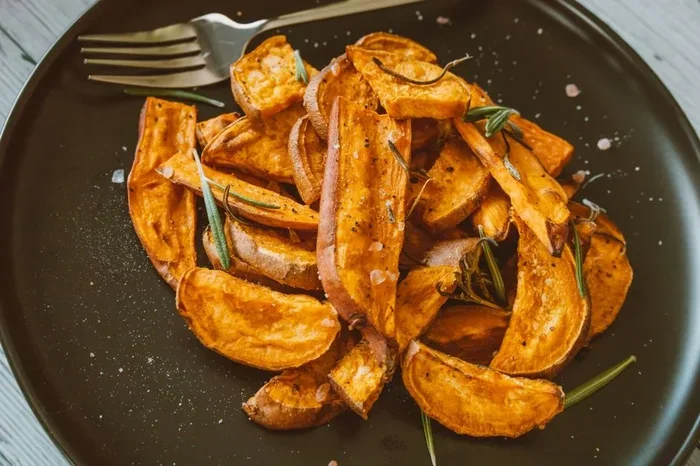
Baked sweet potato is one of the simplest and most nutritious meals you can prepare. This guide walks you through choosing, baking, and topping a baked sweet potato so it turns out perfect every single time. You’ll also discover how to store leftovers and avoid common pitfalls that ruin the texture.
There’s something deeply satisfying about a baked sweet potato fresh out of the oven. The skin crackles, the flesh turns creamy, and the natural sugars caramelize into a subtle sweetness. Unlike fried versions, baking lets the true flavor of the potato shine through.
A baked sweet potato is more than just a side dish. It can be a complete meal, a post-workout recovery food, or a healthy snack. The process is simple, but the results are impressive. Once you learn the basic method, you can experiment with different varieties and toppings.
Many people avoid baking sweet potatoes because they think it takes too long. In reality, a baked sweet potato cooks in about an hour, and you can do other things while it bakes. This guide will show you exactly how to get perfect results every time, from start to finish.
Key Takeaways
- Choose firm, unblemished sweet potatoes: Look for smooth skin and a heavy feel for the best baking results.
- Poke holes before baking: This releases steam and prevents the potato from bursting in the oven.
- Bake at 400°F for 45–60 minutes: High heat caramelizes the sugars and creates a fluffy interior.
- Skip the foil for crispier skin: Baking without foil allows the skin to dehydrate and crisp up.
- Top with butter, cinnamon, or savory options: A baked sweet potato pairs well with both sweet and savory flavors.
- Store leftovers properly: Keep cooked sweet potato in the fridge for up to 5 days, just like baked mac and cheese.
📑 Table of Contents
Why Baked Sweet Potato Deserves a Spot on Your Plate
A baked sweet potato is packed with nutrients that support overall health. It’s a great source of dietary fiber, which aids digestion and keeps you feeling full. The bright orange flesh is rich in beta-carotene, a compound your body converts into vitamin A. This vitamin is essential for healthy skin, vision, and immune function.
Unlike white potatoes, sweet potatoes have a lower glycemic index when baked. This means they cause a slower rise in blood sugar, making them a better choice for sustained energy. They also provide vitamin C, potassium, and several antioxidants. Baked sweet potato is a filling, wholesome food that fits almost any diet.
Nutritional Powerhouse
One medium baked sweet potato (about 150 grams) contains roughly 100 calories, 2 grams of protein, and 23 grams of carbohydrates. The fiber content is around 4 grams, which is excellent for gut health. The vitamin A alone can provide over 400% of your daily needs. This makes baked sweet potato a nutrient-dense choice that delivers big benefits in a small package.
A Blank Canvas for Flavors
Because of its mild sweetness, a baked sweet potato pairs well with both sweet and savory toppings. You can keep it simple with butter and salt, or go bold with chili, cheese, and herbs. This versatility is why baked sweet potato appears in cuisines around the world. From Mexican street corn toppings to Asian-inspired glazes, the possibilities are endless.
How to Choose the Best Sweet Potato
Not all sweet potatoes are the same. Different varieties have different textures and flavors. Choosing the right one sets the stage for a perfect bake. Here’s what to look for at the grocery store or farmers market.
Orange vs. Purple vs. Japanese Sweet Potatoes
The most common type is the orange-fleshed sweet potato, often labeled as a yam in the US. It has a moist, fluffy texture when baked. Purple sweet potatoes have a denser, starchier flesh and a subtle earthy flavor. Japanese sweet potatoes have purple skin and white or yellow flesh, and they taste slightly nutty and sweet. For baking, orange and Japanese varieties work best because they become fluffy inside.
Feel and Firmness
Always choose sweet potatoes that feel heavy for their size. The skin should be smooth and free of bruises or soft spots. Avoid any with sprouts or wrinkles. A firm sweet potato bakes evenly and develops a better texture. If the potato feels light or hollow, it may be dried out inside.
| Variety | Flesh Color | Texture When Baked | Best For |
|---|---|---|---|
| Orange (Garnet) | Bright orange | Fluffy and moist | Mashing, topping, general baking |
| Purple (Okinawan) | Deep purple | Dense and creamy | Roasting, salads |
| Japanese (Murasaki) | White or pale yellow | Firm and slightly dry | Fries, roasting, steaming |
This table helps you pick the right baked sweet potato for your desired outcome. The orange variety is the most versatile and widely available.
Step-by-Step Guide to Baking Sweet Potato
Baking a baked sweet potato is straightforward, but a few details make a big difference. Follow these steps for consistently great results.
Prep Work: Washing and Poking
Start by rinsing the sweet potato under cool water. Use a vegetable brush to remove any dirt. Pat it dry with a clean towel. Next, use a fork to poke several holes all around the potato. This step is crucial. It allows steam to escape during baking, which prevents the potato from bursting. Skip this, and you risk a messy oven and a potato that cooks unevenly.
Oven Temperature and Baking Time
Preheat your oven to 400°F (200°C). A hot oven is key to caramelizing the natural sugars and creating a crispy skin. Place the sweet potato directly on the center oven rack. You can line the rack with foil for easy cleanup, but leave the potato uncovered. Baking time depends on size. A medium sweet potato takes about 45 to 60 minutes. Very large ones may need up to 75 minutes.
Use this quick reference table to guide you:
| Sweet Potato Size | Weight | Oven Temp | Baking Time |
|---|---|---|---|
| Small | 4–6 oz | 400°F | 30–40 minutes |
| Medium | 7–10 oz | 400°F | 45–60 minutes |
| Large | 11–16 oz | 400°F | 60–75 minutes |
The sweet potato is done when a fork slides in easily with no resistance. The skin should be wrinkled and slightly charred in spots.
The Foil Debate
Some recipes recommend wrapping the sweet potato in foil. Foil traps moisture and speeds up cooking slightly. However, it also steams the skin, preventing it from crisping. For the best texture, bake your baked sweet potato without foil. The skin will turn out crackly and flavorful, which is a big part of the experience. Expert bakers often skip foil to get that perfect contrast between the crisp exterior and the fluffy interior.
Speeding It Up with a Toaster Oven or Air Fryer
If you’re short on time, you can use a toaster oven or air fryer. These appliances cook faster than a full-size oven. You can bake a potato in a toaster oven or air fryer at 400°F for about 30 to 40 minutes. Just remember to poke holes and watch it closely, as smaller appliances can cook more unevenly. The result is still delicious and fluffy.
Quick Tips for Perfect Baking
- Choose sweet potatoes of similar size for even cooking.
- Let the potato rest for 5 minutes after baking to firm up.
- For extra flavor, rub the skin with a little olive oil and salt before baking.
- Double-bake by cooking at 400°F for 30 minutes, then increasing to 425°F for the last 15 minutes for extra crispiness.
Toppings and Serving Ideas
A plain baked sweet potato is wonderful on its own, but toppings take it to the next level. You can keep it simple or get creative. Here are some ideas to inspire you.
Classic Comfort Toppings
- Butter and cinnamon: A pat of butter melts into the fluffy flesh, and cinnamon enhances the natural sweetness.
- Brown sugar and pecans: This sweet combination turns your baked sweet potato into a dessert-like treat.
- Marshmallows: A nostalgic campfire-style topping that caramelizes under the broiler.
Savory Twists
- Black beans, cheese, and salsa: A Mexican-inspired bowl that’s high in protein and flavor.
- Greek yogurt and dill: A tangy, lighter option that pairs well with roasted vegetables.
- Broccoli and cheddar: Steam broccoli florets and pile them on top with shredded cheese, then broil until bubbly.
Pairing with Other Dishes
A baked sweet potato makes an excellent side dish for grilled meats, roasted chicken, or fish. For a complete meal, serve it alongside a traditional German potato salad. The creamy, tangy salad balances the sweetness of the potato perfectly. This combination works well for picnics, potlucks, or a cozy dinner at home.
Expert Insight: According to nutritionists, pairing a baked sweet potato with a source of healthy fat, like avocado or olive oil, helps your body absorb the fat-soluble vitamins A and E more effectively. A little fat goes a long way for nutrition.
Storing and Reheating Leftovers
A baked sweet potato tastes just as good the next day if stored properly. Leftover sweet potato stores well, much like baked mac and cheese, and can be reheated without drying out. Here’s how to handle leftovers.
Refrigerator Storage
Let the baked sweet potato cool completely before storing. Place it in an airtight container or wrap it tightly in plastic wrap. It will keep in the fridge for up to 5 days. You can also store it whole or sliced, depending on how you plan to reheat it.
Freezing Tips
If you want to keep a baked sweet potato for longer, freezing is a great option. Wrap the cooled potato tightly in aluminum foil, then place it in a freezer-safe bag. It will keep for up to 3 months. To reheat from frozen, unwrap and bake at 350°F for 20 to 30 minutes, or microwave until heated through.
Reheating Without Drying Out
The microwave is the fastest way to reheat a baked sweet potato, but it can make the skin soggy. For better texture, reheat in the oven at 350°F for 10 to 15 minutes. This restores some of the crispiness. If you’re in a hurry, the microwave works fine—just add a small splash of water before covering to create steam.
Common Mistakes to Avoid
Even simple tasks can go wrong if you overlook small details. Here are common pitfalls when baking sweet potatoes, and how to avoid them.
Skipping the Poke Test
Forgetting to poke holes in the skin is the number one mistake. Without vents, steam builds up inside the potato. This can cause it to burst open in the oven, making a mess and potentially unevenly cooking the flesh. Always use a fork and make several deep punctures.
Overcooking to the Point of Dryness
While a longer bake can soften the potato, too much time dries out the interior. Check for doneness at the 45-minute mark. The potato should yield easily to a fork but still feel moist. If it’s hard in the center, give it another 10 minutes and check again.
Using the Wrong Temperature
Baking at too low a temperature (like 350°F) results in a pale, less flavorful skin and a longer cook time. The high heat of 400°F is essential for caramelization and a fluffy interior. Stick to 400°F for the best baked sweet potato experience.
Ignoring the Skin
Many people peel the sweet potato before baking, which removes valuable nutrients and fiber. The skin is edible and delicious when baked crispy. Just wash it thoroughly and leave it on. The skin also helps the potato hold its shape during baking.
Conclusion
Baking a baked sweet potato is one of the easiest ways to enjoy a healthy, satisfying meal. With the right selection, proper preparation, and a hot oven, you can achieve perfect results every single time. The skin becomes crispy, the inside turns fluffy, and the natural sweetness intensifies in a way that no other cooking method can match.
Remember to choose firm, heavy sweet potatoes, poke them well, and bake at 400°F for the right amount of time. Experiment with both sweet and savory toppings to keep things interesting. Store any leftovers carefully so you can enjoy them throughout the week. Once you master the basic baked sweet potato, you’ll wonder how you ever lived without it.
So next time you need a quick, nutritious meal, reach for a sweet potato and your oven. A little effort yields a big reward. Enjoy your perfectly baked sweet potato and all the delicious ways you can serve it.
Frequently Asked Questions
Can I bake a sweet potato in the microwave?
Yes, you can microwave a sweet potato for a quick meal. Poke holes, wrap it in a damp paper towel, and microwave on high for 5 to 8 minutes per potato. However, the skin won’t crisp up, and the texture is less fluffy than oven-baked. For the best results, use the oven method described above.
How do I know when a baked sweet potato is done?
A baked sweet potato is done when a fork slides into the center with no resistance. The skin should be wrinkled and slightly charred. If the potato is still hard in the middle, give it another 10 to 15 minutes. You can also squeeze the ends gently; they should give slightly when fully cooked.
Is the skin of a sweet potato edible?
Absolutely. The skin is packed with fiber and nutrients. As long as you wash it thoroughly, you can eat it. Baking the skin makes it crispy and flavorful. If you prefer a smoother texture, you can peel it before baking, but leaving the skin on is more nutritious.
Can I freeze a baked sweet potato?
Yes, you can freeze a baked sweet potato for up to 3 months. Let it cool completely, wrap it tightly in foil or freezer wrap, and place it in a freezer bag. To reheat, unwrap and bake at 350°F for 20 to 30 minutes, or microwave until warm. Freezing works well for meal prep.
What is the difference between a sweet potato and a yam?
In the United States, the terms are often used interchangeably, but true yams are a different species. Most orange-fleshed potatoes labeled as yams in grocery stores are actually sweet potatoes. True yams have rough, scaly skin and starchy, white or purple flesh. For baking, the sweet potato varieties we discussed work perfectly.
Can I add oil or butter to the sweet potato before baking?
Yes, rubbing the skin with a small amount of olive oil and salt before baking enhances crispiness and flavor. A little butter also works. However, this is optional. Baking without added fat still yields a delicious baked sweet potato with a natural, caramelized skin.