
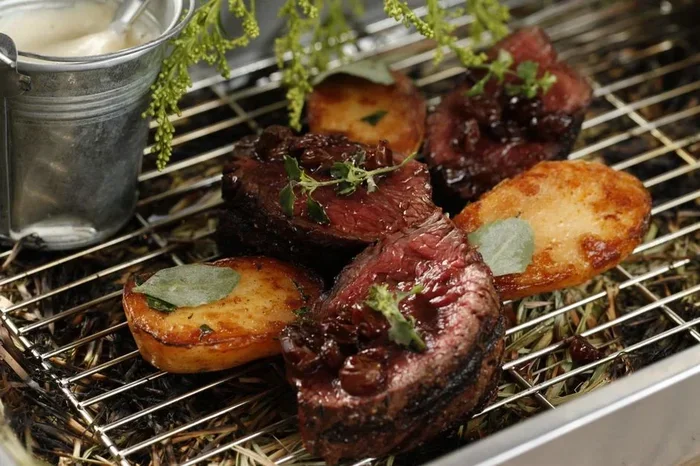
Preparing filet mignon in oven is easier than you think, and the results are restaurant-quality every time. This guide walks you through seasoning, searing, and baking the perfect steak with clear, simple steps. You will learn the ideal oven temperature, cooking times, and pro tips for a juicy, pink-centered filet mignon. Whether you are a beginner or a seasoned cook, this method delivers consistent, mouthwatering results.
There is something magical about a perfectly cooked filet mignon. The tender, buttery texture and the rich, beefy flavor make it one of the most beloved cuts of meat. Many people think you need a fancy steakhouse to get this right. But here is the truth. You can prepare filet mignon in oven at home and achieve results that rival any restaurant. It just takes a little know-how and the right technique.
This guide is designed to take you from start to finish. We will cover everything from choosing the right cut to the final resting period. You will learn how to sear filet mignon on the stovetop, transfer it to a hot oven, and bring it to the perfect internal temperature. By the end, you will feel confident enough to make this dish for a special dinner or a weeknight treat.
The beauty of oven-baked filet mignon lies in its simplicity. You do not need fancy equipment or years of experience. Just a good skillet, a reliable oven, and a meat thermometer. With these basics, you are already halfway to a stunning meal. Let us dive into the details and get you cooking.
Key Takeaways
- Start with quality beef: Choose well-marbled filet mignon that is at least 1.5 inches thick for the best oven results.
- Sear before baking: A hot pan sear locks in juices and creates a beautiful crust before the steak goes in the oven.
- Use a meat thermometer: This is the single most important tool for achieving your desired level of doneness every time.
- Rest your steak: Letting the filet mignon rest for 5-7 minutes after cooking redistributes the juices for a juicier bite.
- Oven temperature matters: Baking at 400°F to 425°F provides the perfect balance of gentle, even cooking and a great finish.
- Herb butter adds luxury: A simple compound butter elevates the flavor and keeps the steak moist during oven cooking.
📑 Table of Contents
- Why Oven-Baked Filet Mignon Works So Well
- Choosing the Best Filet Mignon for Oven Cooking
- Seasoning Your Filet Mignon for Maximum Flavor
- The Searing Process: Building a Perfect Crust
- Oven Temperature and Cooking Times for Filet Mignon
- Resting and Serving Your Oven-Baked Filet Mignon
- Common Mistakes to Avoid When Cooking Filet Mignon in the Oven
- Expert Tips for Consistently Perfect Filet Mignon
- Final Thoughts on Oven-Baked Filet Mignon
Why Oven-Baked Filet Mignon Works So Well
Cooking filet mignon in the oven offers a unique set of advantages. Unlike grilling, which can be unpredictable due to flare-ups and uneven heat, the oven provides consistent, surround heat. This means your steak cooks evenly from edge to center. The result is a uniform doneness that is hard to achieve on a grill.
Another reason this method shines is control. You can sear the outside on the stove to build a flavorful crust, then move the steak into a preheated oven to finish cooking gently. This two-step approach gives you the best of both worlds. You get that beautiful brown crust and a juicy, tender interior.
For those who prefer a more hands-off approach, oven-baking is also forgiving. You can set the temperature and timer and focus on other parts of your meal. There is no need to stand over a hot grill flipping steaks. This makes it a great option for entertaining guests or preparing a special dinner without stress.
Choosing the Best Filet Mignon for Oven Cooking
Look for the Right Thickness
Thickness is everything when it comes to oven-baked filet mignon. You want cuts that are at least 1.5 inches thick. Thinner steaks will overcook quickly in the oven, leaving you with a dry, tough piece of meat. A thicker cut gives you a larger margin of error and allows for a nice sear without overcooking the center.
When shopping, look for filet mignon steaks that are uniform in shape. Avoid pieces that are thin on one end and thick on the other. These uneven cuts cook inconsistently, which makes it hard to hit the right internal temperature for steak. A well-shaped steak ensures even cooking from edge to edge.
Marbling and Quality
Filet mignon is known for being lean, but a little marbling goes a long way. Look for steaks with fine streaks of white fat running through the meat. This fat melts during cooking and adds flavor and moisture. A well-marbled filet mignon will be more tender and juicy than a completely lean one.
When possible, choose USDA Prime or Choice grades. These higher grades have better marbling and more consistent quality. You do not need the most expensive cut, but investing in a good piece of beef makes a noticeable difference in the final result.
Bringing the Steak to Room Temperature
One step that many home cooks skip is bringing the steak to room temperature before cooking. Take your filet mignon out of the refrigerator about 30 to 45 minutes before you plan to cook it. This allows the meat to warm up evenly, which leads to more consistent cooking throughout.
If you put a cold steak straight into a hot oven, the outside will cook much faster than the inside. You will end up with a well-done exterior and a cold center. By tempering the meat first, you avoid this problem entirely. It is a small step that makes a big difference.
Seasoning Your Filet Mignon for Maximum Flavor
The Simple Salt and Pepper Method
Sometimes, less is more. A generous coating of kosher salt and freshly cracked black pepper is all you need for a classic preparation. Apply the seasoning at least 40 minutes before cooking, or right before you sear. The salt draws out moisture from the meat, which then gets reabsorbed. This process seasons the steak deeply and helps create a beautiful crust.
For a more flavorful approach, you can add garlic powder, onion powder, or a touch of smoked paprika. These additions complement the natural taste of the beef without overpowering it. Keep it simple and let the quality of the meat shine through.
Herb Butter for a Gourmet Touch
If you want to take your oven-baked filet mignon to the next level, try a compound butter. Mix softened butter with minced garlic, fresh thyme, rosemary, and a pinch of salt. Roll the mixture into a log using plastic wrap and refrigerate it until firm.
Once the steak comes out of the oven, place a generous slice of herb butter on top. As it melts over the hot meat, it adds richness and flavor in every bite. This technique is used in upscale restaurants and is surprisingly easy to replicate at home. It is one of those small touches that makes a big impression.
Seasoning Timing Matters
Timing your seasoning correctly can elevate your steak significantly. If you salt your filet mignon well in advance, the salt will penetrate deeper into the meat. This creates a more seasoned steak from the inside out. However, if you are short on time, salting just before searing still works well.
Avoid seasoning too early with salt if the meat will sit for hours. The salt can draw out too much moisture and create a wet surface, which prevents a good sear. Aim for a balance between enough time for the salt to work and not so much that the surface becomes damp.
The Searing Process: Building a Perfect Crust
Choosing the Right Pan
Your choice of pan matters more than you might think. A cast iron skillet is the gold standard for searing steak. It holds heat incredibly well and distributes it evenly across the surface. This means you get a consistent, golden-brown crust on every side of your filet mignon.
If you do not have a cast iron skillet, a heavy stainless steel pan works well too. Avoid non-stick pans for searing. They do not get hot enough to create the Maillard reaction, which is the chemical process responsible for that delicious brown crust and deep flavor.
Heating the Pan and Adding Oil
Place your skillet on the stove over medium-high heat. Let it get really hot before adding the steak. You can test the heat by flicking a few drops of water onto the pan. If they sizzle and evaporate immediately, the pan is ready.
Add a high-smoke-point oil like avocado oil or grapeseed oil. Olive oil is not ideal for searing because it has a low smoke point and can burn at high temperatures. Once the oil is shimmering, carefully place the filet mignon in the pan. You should hear a satisfying sizzle. If you do not, the pan is not hot enough.
Searing Without Moving the Steak
This is a common mistake. Resist the urge to move the steak around in the pan. Let it sit untouched for about 2 to 3 minutes on the first side. This allows the crust to form properly. You will know it is ready to flip when the steak releases easily from the pan. If it sticks, it needs more time.
After flipping, sear the other side for another 2 to 3 minutes. Then, if your pan is oven-safe, you can move it directly into the oven. This saves time and keeps the cooking process seamless. A seamless transition from stovetop to oven is the hallmark of a great oven-baked steak technique.
Oven Temperature and Cooking Times for Filet Mignon
The Ideal Oven Temperature
The sweet spot for oven-baked filet mignon is between 400°F and 425°F. This range provides enough heat to finish cooking the steak without drying it out. Preheating the oven is essential. Do not put the steak in a cold oven. A properly preheated oven ensures even cooking from the moment the steak goes in.
A hotter oven, around 425°F, works well for thicker cuts that need a shorter cooking time. A slightly lower temperature, around 400°F, gives you a bit more flexibility with thicker steaks. Choose the temperature based on the thickness of your cut and your desired level of doneness.
Cooking Times by Doneness
Cooking time depends on the thickness of your steak and your preferred level of doneness. Here is a general guide for a 1.5-inch thick filet mignon baked at 400°F after searing:
- Rare: 6 to 8 minutes in the oven
- Medium Rare: 8 to 10 minutes in the oven
- Medium: 10 to 12 minutes in the oven
- Medium Well: 12 to 14 minutes in the oven
- Well Done: 14 to 16 minutes in the oven
These times are estimates. Every oven is different, and every steak is unique. The only reliable way to know your steak is done is to use a meat thermometer. This simple tool takes the guesswork out of cooking and takes your steak from good to perfect.
Using a Meat Thermometer Correctly
Insert the thermometer into the thickest part of the steak, avoiding any bone or fat. For a juicy filet mignon, aim for an internal temperature of 130°F to 135°F for medium rare. This is the range where the steak is pink in the center and incredibly tender.
Remember that the temperature will rise by about 5 degrees after you remove the steak from the oven. This is called carryover cooking. Pulling the steak off a few degrees early ensures it reaches the perfect temperature while resting. It is a small detail that makes a noticeable difference.
Butter Basting for Extra Moisture
Butter basting is a restaurant technique that works beautifully in home ovens. About halfway through the cooking time, open the oven and add a tablespoon of butter to the skillet. Tilt the pan slightly and use a spoon to baste the melted butter over the steak repeatedly.
This adds richness and flavor to the exterior of the steak. It also helps keep the meat moist during the longer oven cooking time. You can add fresh thyme or a crushed garlic clove to the butter for extra aroma. The sizzle and fragrance that fills your kitchen during this step is pure cooking joy.
Resting and Serving Your Oven-Baked Filet Mignon
Why Resting Is Non-Negotiable
Resting your steak after cooking is just as important as the cooking process itself. When you cut into a hot steak immediately, the juices run out onto the cutting board instead of staying in the meat. This leaves you with a dry, less flavorful filet mignon.
Let the steak rest on a warm plate for at least 5 to 7 minutes. During this time, the juices redistribute throughout the meat. The internal temperature stabilizes, and the steak becomes more tender and flavorful. Tenting the steak loosely with aluminum foil helps keep it warm without trapping too much steam, which can soften the crust.
If you are cooking multiple steaks, you can rest them together. The residual heat keeps them warm while the juices settle. This is especially helpful when you are preparing a full meal and need to time everything perfectly.
Slicing and Serving Tips
When it is time to slice, always cut against the grain. This shortens the muscle fibers and makes the steak much more tender. Use a sharp carving knife and slice at a slight angle for the most tender pieces.
Serve your filet mignon with a drizzle of the pan juices from the skillet. These juices are packed with flavor from the sear and any butter basting. Pair the steak with roasted vegetables, mashed potatoes, or a simple green salad for a complete, satisfying meal.
Common Side Dishes That Pair Well
A great filet mignon deserves great sides. Here are some classic pairings that complement the rich flavor of oven-baked beef tenderloin:
- Crispy roasted potatoes: Toss baby potatoes with olive oil, garlic, and rosemary, then roast at 400°F alongside the steak.
- Grilled asparagus: A simple drizzle of olive oil and a squeeze of lemon brings brightness to the rich steak.
- Creamy mashed potatoes: The ultimate comfort food that pairs perfectly with a juicy filet mignon.
- Wilted spinach or arugula salad: A light, peppery salad balances the richness of the steak beautifully.
Common Mistakes to Avoid When Cooking Filet Mignon in the Oven
Even experienced home cooks can make mistakes with oven-baked steak. Here are some pitfalls to watch out for:
- Skipping the sear: The oven alone cannot create the flavorful crust you get from a good sear. Always sear first for the best results.
- Using the wrong pan: Thin or flimsy pans lose heat when the steak is added, leading to uneven cooking. Choose a heavy, oven-safe skillet.
- Overcooking: Filet mignon is lean and can dry out quickly. Use a meat thermometer and pull the steak off early. Carryover cooking will bring it up to the right temperature.
- Not letting the steak rest: Cutting too soon releases all the juices. Patience pays off with a juicier, more flavorful steak.
- Crowding the pan: Give each steak space in the skillet. Crowding traps steam and prevents a proper sear. Cook one or two steaks at a time for the best crust.
Expert Tips for Consistently Perfect Filet Mignon
Here are some professional tips that separate a good steak from a great one. These insights come from years of cooking and testing different methods:
- Dry the surface before searing: Pat the steak dry with paper towels before it goes in the pan. A dry surface sears better and creates a deeper crust.
- Use a wire rack: If you prefer not to sear first, place the steak on a wire rack set over a baking sheet. This allows air to circulate around the meat for more even oven cooking.
- Let the pan reheat between steaks: If you are cooking multiple steaks, let the pan get hot again before adding the next one. This ensures each steak gets a proper sear.
- Experiment with finishing salts: A sprinkle of flaky sea salt on top just before serving adds texture and a burst of flavor. It is a simple finishing touch that makes a big difference.
- Keep notes: Every oven is different. Write down your cooking times and temperatures so you can replicate your perfect steak again and again.
Final Thoughts on Oven-Baked Filet Mignon
Learning how to prepare filet mignon in oven is one of the most rewarding cooking skills you can develop. It is a dish that impresses guests, celebrates special occasions, and turns an ordinary evening into something memorable. The combination of a golden sear and a perfectly pink center is truly something special.
With the right cut, proper seasoning, and attention to timing, you can consistently achieve steakhouse-quality results in your own kitchen. The key is to not rush the process. Take your time with the sear, monitor the oven temperature, use a meat thermometer, and always let the steak rest. These small steps add up to a steak that is juicy, tender, and full of flavor.
Now that you have all the tools and knowledge, it is time to put them into practice. Pick up a beautiful piece of filet mignon, fire up your oven, and enjoy the process. Cooking a great steak is not just about the end result. It is about the confidence and satisfaction of creating something wonderful with your own hands.
So go ahead. Make that oven-baked filet mignon tonight. Your taste buds will thank you, and you will wonder why you ever ordered steak at a restaurant in the first place.
Frequently Asked Questions
Can I cook filet mignon in the oven without searing it first?
Yes, you can skip the sear and cook the steak directly in the oven. However, you will miss out on the flavorful crust that searing provides. If you choose this route, place the steak on a wire rack over a baking sheet for even air circulation. The result will be a more uniform gray exterior rather than a golden-brown crust.
What is the best internal temperature for filet mignon?
For a juicy and tender filet mignon, aim for an internal temperature of 130°F to 135°F for medium rare. This is widely considered the sweet spot for this lean cut. Remember to pull the steak out a few degrees early because the temperature will continue to rise during resting.
How long should I let filet mignon rest after cooking?
Let your filet mignon rest for at least 5 to 7 minutes on a warm plate. This resting period allows the juices to redistribute throughout the meat, resulting in a more flavorful and juicy steak. Tenting it loosely with foil helps keep it warm without overcooking the exterior.
Can I use a regular baking sheet instead of a skillet for oven-baked filet mignon?
You can, but a skillet is highly recommended. A cast iron skillet or heavy oven-safe pan provides better heat retention and allows you to sear the steak first. If you only have a baking sheet, use a wire rack to elevate the steak and promote even cooking. You will still get good results, though the crust will not be as pronounced.
How do I know if my filet mignon is done without a meat thermometer?
You can use the touch test by pressing the center of the steak with your finger. A rare steak feels soft and squishy, medium rare has a slight give, medium feels firm with some give, and well done feels very firm. However, a meat thermometer is far more accurate and takes all the guesswork out of determining doneness.
Can I prepare filet mignon in oven ahead of time for a dinner party?
Yes, you can sear the steaks ahead of time and store them in the refrigerator. When ready to serve, finish them in the oven at 400°F for about 6 to 8 minutes. This method works well for entertaining because it reduces last-minute cooking stress. Just make sure to let the steaks come to room temperature before placing them back in the oven.



