Cooking cabbage on stove top is one of the easiest ways to prepare this nutritious vegetable. Whether you prefer braised cabbage, sautéed cabbage, or boiled cabbage, the stove top gives you full control over texture and flavor. This guide walks you through every method, from choosing the right cabbage to pairing it with delicious seasonings and sides.
There is something deeply satisfying about cooking cabbage on stove top. It is a humble vegetable that transforms into something truly delicious with the right technique. Whether you are a beginner in the kitchen or a seasoned home cook, mastering stove top cabbage opens up a world of quick, healthy, and affordable meals.
Cabbage is one of the most versatile vegetables you can keep in your kitchen. It costs very little, lasts a long time in the fridge, and packs a serious nutritional punch. Best of all, it cooks fast on the stove. In this guide, we will walk you through every method, tip, and trick you need to get tender cabbage results every single time.
You will learn how to choose the best head of cabbage, what tools to use, and several cooking methods that suit different tastes. We will also cover seasoning ideas, common mistakes, and great side dish pairings. By the end, you will feel confident enough to make cabbage recipe after cabbage recipe without ever burning it or turning it soggy.
Key Takeaways
- Multiple methods work: You can braise, sauté, boil, or steam cabbage on the stove top for different textures and flavors.
- The right cabbage matters: Green, Savoy, Napa, and red cabbage each bring unique qualities to your dish.
- Cook time varies: Depending on the method, cabbage can be ready in as little as 5 minutes or up to 45 minutes.
- Seasoning is key: Butter, garlic, onions, and herbs transform plain cabbage into a flavorful side dish.
- Avoid common mistakes: Overcooking, cutting cabbage too thick, and skipping the preheat are the top errors to dodge.
- Pair it well: Cabbage complements meats, grains, and other stove top vegetables beautifully.
📑 Table of Contents
- Why Cook Cabbage on the Stove Top
- Choosing the Right Cabbage for Stove Top Cooking
- Essential Equipment for Cooking Cabbage on the Stove
- Step-by-Step Methods for Cooking Cabbage on the Stove Top
- Flavor Boosters and Seasoning Ideas
- Common Mistakes to Avoid When Cooking Cabbage
- Pairing Cooked Cabbage with Other Dishes
- Conclusion
Why Cook Cabbage on the Stove Top
Stove top cooking is the most straightforward way to prepare cabbage. Unlike oven roasting or grilling, the stove top gives you direct control over heat. You can adjust the temperature instantly, watch the cabbage change color, and test for tenderness with a simple fork poke.
Here is why stove top cooking works so well for cabbage:
- Speed: Most stove top methods take between 5 and 20 minutes. That is faster than waiting for an oven to preheat.
- Control: You can lower the heat the moment the cabbage starts to brown too quickly. This prevents burning and ensures even cooking.
- Flavor development: Sautéing and braising on the stove top create beautiful caramelization. The natural sugars in cabbage begin to brown, adding depth and sweetness.
- Minimal cleanup: One pan or pot, and you are done. No baking sheets, no foil, no extra dishes.
- Versatility: You can cook a small amount for one person or a large batch for a family dinner.
Compared to other methods like microwaving or boiling in a deep pot, the stove top gives you the best balance of texture and flavor. The leaves stay intact, the edges get just the right amount of char, and the center becomes perfectly tender cabbage without turning to mush.
Choosing the Right Cabbage for Stove Top Cooking
Not all cabbages are created equal. Different varieties bring different textures, flavors, and colors to the plate. Picking the right one makes a big difference in your final dish.
Green Cabbage
This is the most common type found in grocery stores. Green cabbage has firm, pale-green leaves and a mild, slightly peppery flavor. It holds up well to all cooking methods. Braised cabbage, sautéed cabbage, and stir-fried cabbage all work wonderfully with this variety. Look for heads that feel heavy for their size with tight, crisp leaves.
Savoy Cabbage
Savoy cabbage has crinkly, dark-green leaves that are more delicate than green cabbage. It cooks faster and has a softer, more buttery texture. This variety is excellent for quick sautéed cabbage dishes. The ruffled leaves also look beautiful on the plate, making it a great choice when presentation matters.
Napa Cabbage
Napa cabbage, also called Chinese cabbage, has elongated, pale-green leaves with a mild, slightly sweet flavor. It is not your traditional cabbage, but it cooks beautifully on the stove top. Try it in stir-fries or quick braises with soy sauce and garlic.
Red Cabbage
Red cabbage adds a stunning pop of color to any dish. It has a slightly peppery, earthy flavor and holds its shape well during cooking. It is perfect for braised cabbage recipes where you want a vibrant, jewel-toned result. Note that red cabbage can turn blue when cooked, so adding a splash of vinegar helps preserve its beautiful red color.
Essential Equipment for Cooking Cabbage on the Stove
You do not need fancy tools to cook great cabbage on the stove top. A few basic pieces of equipment will get the job done perfectly.
The Best Pans and Pots
A large skillet or sauté pan is your best friend for stove top cooking cabbage. Cast iron skillets distribute heat evenly and create beautiful browning. Stainless steel pans work great too, especially for sautéed cabbage where you want to monitor color changes closely.
If you prefer braised or boiled cabbage, a deep pot or Dutch oven works better. The extra depth allows the cabbage to cook in liquid without spilling over. For smaller batches, a best mini pots and pans for cooking set can also do the trick nicely.
Essential Tools
- Sharp chef’s knife: A good knife makes slicing cabbage fast and safe. Dull blades crush the leaves and make uneven cuts.
- Cutting board: Use a sturdy board with enough space to handle a full head of cabbage.
- Tongs or spatula: These help you flip and turn cabbage pieces without tearing them apart.
- Lid or cover: A tight-fitting lid traps steam and speeds up cooking, especially for braised or boiled methods.
Cookware to Avoid
Non-stick pans with scratched surfaces can cause uneven cooking. Very thin, flimsy pans also create hot spots that lead to burning in some spots and raw spots in others. If you are unsure about your current cookware, check out our guide on the best big pots for cooking non-stick for recommendations that work well with cabbage.
Step-by-Step Methods for Cooking Cabbage on the Stove Top
Now let us get into the fun part. Here are four proven methods for cooking cabbage on stove top, each with its own unique results and flavor profile.
Method 1: Sautéed Cabbage
Sautéing is the fastest and most popular way to cook cabbage on the stove. It produces slightly crispy edges with a golden-brown color and a rich, savory flavor.
Steps:
- Cut the cabbage in half and remove the core. Slice into thin strips about ¼ inch wide.
- Heat 2 tablespoons of butter or olive oil in a large skillet over medium-high heat.
- Add the cabbage in a single layer. Do not overcrowd the pan. Work in batches if needed.
- Cook without stirring for 2 to 3 minutes until the edges begin to brown.
- Stir, then cook for another 3 to 5 minutes until the cabbage is tender but still has a slight bite.
- Season with salt, pepper, and a splash of apple cider vinegar. Serve immediately.
This method takes about 10 minutes total. It is perfect for a quick weeknight side dish that pairs beautifully with roasted meats or grilled sausages.
Method 2: Braised Cabbage
Braising is a slower, more hands-off method that produces incredibly tender cabbage with deep, rich flavor. The cabbage cooks low and slow in a flavorful liquid.
Steps:
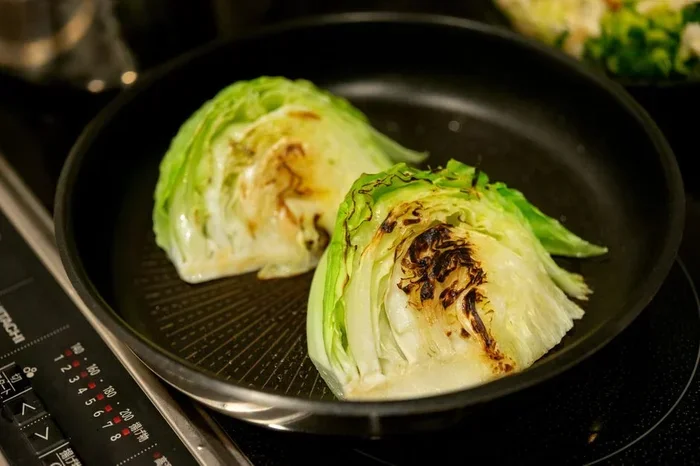
- Cut the cabbage into wedges, keeping the core intact so the leaves hold together.
- Heat oil in a Dutch oven or deep skillet over medium heat. Add diced onions and cook until soft, about 4 minutes.
- Add the cabbage wedges and pour in chicken or vegetable broth until it reaches about halfway up the cabbage.
- Add a tablespoon of butter, a pinch of salt, and your choice of herbs such as thyme or caraway seeds.
- Cover with a lid and reduce heat to low. Cook for 25 to 35 minutes, turning the wedges once halfway through.
- Remove the lid and cook for an additional 5 minutes to reduce the sauce.
Braised cabbage is a classic comfort food. It works especially well as a side for pot roast, grilled chicken, or pork chops. The braising liquid becomes a natural pan sauce that you can drizzle over the cabbage before serving.
Method 3: Boiled Cabbage
Boiling is the simplest method and works well when you want soft, mild cabbage for salads, wraps, or side dishes.
Steps:
- Cut the cabbage into wedges or quarters, removing the core.
- Bring a large pot of salted water to a rolling boil.
- Add the cabbage and cook for 8 to 12 minutes until the leaves are soft and tender.
- Drain immediately and toss with butter, salt, and pepper.
Boiled cabbage takes on a mild, clean flavor that makes it a great base for other ingredients. Try it in coleslaw, stuffed cabbage rolls, or alongside stove top vegetables like carrots and green beans.
Method 4: Cabbage with Onions and Garlic
This method combines the natural sweetness of onions with the aromatic depth of garlic. It is a simple yet restaurant-quality way to prepare cabbage and onions on the stove.
Steps:
- Slice one head of green cabbage into thin ribbons.
- Thinly slice two medium onions and mince three cloves of garlic.
- Heat butter in a large skillet over medium heat. Add the onions and cook until translucent, about 5 minutes.
- Add the garlic and stir for 30 seconds until fragrant.
- Add the cabbage and toss to coat in the onion mixture. Cook for 8 to 10 minutes, stirring occasionally.
- Season with salt, pepper, and a pinch of red pepper flakes for a subtle kick.
This dish is incredibly versatile. Serve it as a warm side, pile it onto sandwiches, or fold it into tacos. The caramelized onions and garlic create a flavor base that elevates the cabbage from ordinary to extraordinary.
Flavor Boosters and Seasoning Ideas
Plain boiled cabbage can taste bland. But with the right seasonings, cooking cabbage on stove top becomes an exciting culinary experience. Here are some flavor combinations that work beautifully:
Butter and Herb
Melt a generous knob of butter in the pan before adding the cabbage. Toss with fresh parsley, dill, or chives at the end. This classic combination brings out the natural sweetness of the cabbage and creates a rich, comforting side dish.
Asian-Inspired
For a quick stir-fry style, add soy sauce, sesame oil, and a pinch of ginger to your sautéed cabbage. A squeeze of lime juice at the end brightens everything up. This pairs wonderfully with rice or noodles.
Smoky and Spicy
Add smoked paprika and a dash of hot sauce to your sautéed cabbage. The smokiness adds depth while the heat gives it a lively kick. This works especially well with stove top ground beef recipes as a side dish.
Sweet and Tangy
A splash of apple cider vinegar or a drizzle of honey balances the natural bitterness of cabbage. Brown sugar and a pat of butter create a sweet, caramelized glaze that even picky eaters love.
Cheesy Cabbage
For a richer dish, sprinkle shredded cheddar or Parmesan cheese over the cabbage during the last two minutes of cooking. The cheese melts into a creamy coating that adds richness and flavor.
Quick Tips for Better Flavor
- Always season in layers. Salt at the start, herbs during cooking, and a final adjustment at the end.
- A small amount of acid like vinegar or lemon juice brightens the dish and cuts through richness.
- Do not be afraid of fat. Butter, olive oil, or bacon grease all help carry flavor and promote browning.
Common Mistakes to Avoid When Cooking Cabbage
Even experienced cooks sometimes make mistakes with cabbage. Here are the most common errors and how to avoid them.
Overcooking the Cabbage
This is the number one mistake people make. Overcooked cabbage turns mushy, loses its color, and develops a strong sulfurous smell. The key is to watch the cabbage closely and test for tenderness with a fork. It should be soft but still have a slight resistance in the center. Remove it from heat the moment it reaches that point.
Cutting the Cabbage Too Thick
Thick slices take much longer to cook and result in uneven texture. For sautéed or stir-fried cabbage, aim for thin strips about ¼ inch wide. For braised wedges, keep them about 1 inch thick so they cook through without falling apart.
Skipping the Preheat
Adding cabbage to a cold pan leads to steaming instead of browning. Always preheat your pan and oil before adding the cabbage. You should see a gentle shimmer in the oil before the first strips go in.
Overcrowding the Pan
Too much cabbage in the pan drops the temperature and causes the vegetable to steam rather than sauté. This results in soggy, pale cabbage instead of golden, tender cabbage with crispy edges. Cook in batches if your pan is not large enough.
Forgetting to Season
Cabbage has a naturally mild flavor that needs seasoning to shine. Salt, pepper, and fat are the minimum. But adding garlic, herbs, or a splash of acid takes it to the next level. Taste as you go and adjust the seasoning before serving.
Pairing Cooked Cabbage with Other Dishes
Cooking cabbage on stove top opens up many pairing possibilities. Cabbage is a wonderful side dish that complements a wide range of main courses.
For hearty meals, pair braised cabbage with pot roast or grilled sausages. The rich, savory sauce from the meat pairs beautifully with the sweet, tender cabbage. For lighter meals, serve sautéed cabbage alongside grilled chicken or fish. The crisp texture and mild flavor balance well with lean proteins.
Cabbage also works well as part of a healthy cheap meals for dinner on a budget spread. Combine it with rice, beans, or eggs for a filling, affordable meal. If you are meal prepping, cooked cabbage stores well in the fridge for 3 to 4 days and reheats nicely in a hot pan.
If you enjoy exploring other stove top recipes, check out our collection of 16 quick and healthy stove top ground beef recipes for more inspiration on building complete meals around your stove top cooking.
Meal Pairing Ideas
- Sautéed cabbage + grilled sausages + mustard: A classic German-style pairing that is simple and satisfying.
- Braised cabbage + pot roast + mashed potatoes: A cozy, cold-weather dinner that the whole family will love.
- Stir-fried cabbage + rice + soy sauce: A quick Asian-inspired meal ready in under 20 minutes.
- Boiled cabbage + corned beef + horseradish sauce: A traditional St. Patrick’s Day favorite that works any time of year.
- Cabbage and onion sauté + tacos + avocado: A fresh, crunchy topping for your favorite taco fillings.
The beauty of stove top cooking cabbage is that it adapts to almost any cuisine or flavor profile. Do not be afraid to experiment with spices, sauces, and combinations. Once you find your favorite method, it will become a go-to recipe in your regular rotation.
Conclusion
Cooking cabbage on stove top is one of the simplest and most rewarding skills you can build in the kitchen. It requires minimal equipment, basic ingredients, and just a little bit of attention. With the right method, seasoning, and timing, you can turn an affordable head of cabbage into a dish that rivals any restaurant preparation.
Remember to choose the right variety for your recipe, use the proper equipment, and avoid the common pitfalls we covered. Whether you prefer quick sautéed cabbage for a busy weeknight or slow-braised tender cabbage for a weekend dinner, the stove top delivers every time.
Start with one of the methods in this guide, taste as you go, and adjust the seasonings to your preference. Once you master the basics, you will find yourself reaching for cabbage more and more. It is affordable, nutritious, incredibly versatile, and absolutely delicious when cooked right. Happy cooking!
Frequently Asked Questions
How long does it take to cook cabbage on the stove top?
It depends on the method. Sautéed cabbage takes about 10 minutes, boiled cabbage takes 8 to 12 minutes, and braised cabbage takes 25 to 35 minutes. Thinly sliced cabbage cooks faster than wedges or whole leaves.
What is the best type of cabbage for stove top cooking?
Green cabbage is the most versatile and widely available option. Savoy cabbage works great for quick sautéing, and red cabbage is excellent for braising. Choose based on the texture and flavor you want in your final dish.
Can I cook cabbage without oil or butter?
Yes. You can use vegetable broth or water as a cooking medium for a lighter version. The cabbage will steam rather than sauté, so the flavor will be milder. Add seasoning and a splash of vinegar to boost the taste.
Why does my cabbage taste bitter?
Bitterness often comes from overcooking or not adding enough salt and fat. Salt helps draw out moisture and reduce bitterness. Adding butter, olive oil, or a splash of acid like vinegar or lemon juice also balances the flavor.
How do I store cooked cabbage?
Let the cooked cabbage cool completely, then store it in an airtight container in the refrigerator. It keeps for 3 to 4 days. Reheat in a hot skillet with a little butter or oil to restore the texture.
Is cabbage healthy when cooked on the stove top?
Yes. Cabbage is low in calories and high in fiber, vitamin C, and vitamin K. Stove top cooking preserves most of its nutrients, especially when you use shorter cook times like sautéing or quick boiling.