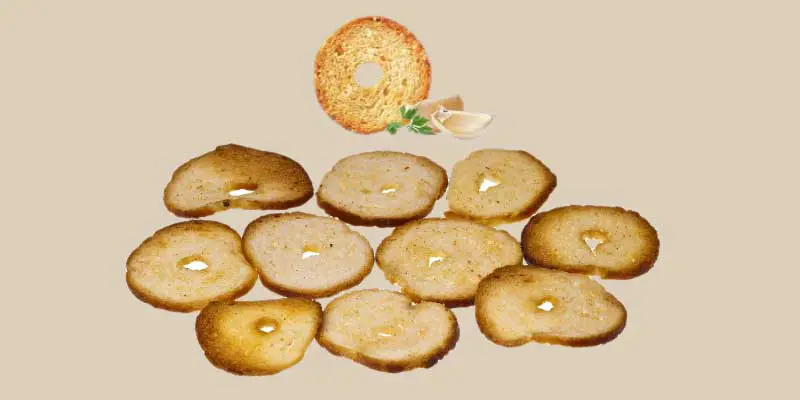
Craving buttery, melt‑in‑your‑mouth shortbread? This Classic Shortbread Cookie Recipe Made Simple walks you through every step, from mixing to baking, with fool‑proof tips and tasty twists. Even beginners can bake perfect shortbread in under an hour.
Key Takeaways
- Simple ingredients: Just butter, sugar, flour, and a pinch of salt.
- Cold butter matters: Keeps the dough tender and prevents spreading.
- Chill before baking: Gives the cookies a neat shape and a crisp edge.
- Versatile base: Add zest, chocolate, or nuts for endless flavor ideas.
- Storage tips: Keep shortbread fresh for weeks in an airtight container.
- Equipment guide: A good cookie sheet and a sturdy mixing bowl are all you need.
- Quick troubleshooting: Fix common problems like crumbly or flat cookies with easy fixes.
📑 Table of Contents
- Introduction: Why Shortbread Is the Ultimate Comfort Cookie
- 1. The Science Behind Perfect Shortbread
- 2. Ingredients List & Tools You’ll Need
- 3. Step‑by‑Step: Classic Shortbread Cookie Recipe Made Simple
- 4. Troubleshooting Common Issues
- 5. Creative Variations to Keep Things Fresh
- 6. Serving Ideas and Pairings
- Conclusion: Your New Go‑To Shortbread
Introduction: Why Shortbread Is the Ultimate Comfort Cookie
There’s something magical about a classic shortbread cookie. Its buttery flavor, tender crumb, and simple elegance make it a timeless treat that fits any occasion—whether you’re sipping tea, packing a school lunch, or gifting a homemade batch to friends.
What makes this Classic Shortbread Cookie Recipe Made Simple truly special is its no‑fuss approach. You only need four pantry staples, a few minutes of prep, and a reliable oven. In the sections below we’ll break down each step, share pro tips, and give you ideas to customize the cookies without compromising that iconic shortbread texture.
1. The Science Behind Perfect Shortbread
Butter: The Star Ingredient
Butter provides both flavor and structure. The water in butter creates steam during baking, which lifts the dough just enough to keep it tender. Using high‑quality, unsalted butter ensures a clean, buttery taste.

Visual guide about freshly baked shortbread cookies
Image source: thanhphongauto.com
Flour: Building the Framework
All‑purpose flour works best because its moderate protein content balances tenderness and a slight chew. Too much gluten (as in bread flour) makes shortbread tough, while cake flour can be too delicate.
Sugar and Salt: Flavor Enhancers
Sugar adds sweetness and contributes to the crumbly texture. A pinch of salt brightens the butter flavor and prevents the cookies from tasting flat.
Temperature Matters
Cold butter and a chilled dough are key. They slow down the spread of the cookies, giving you crisp edges and a soft center. This is why we recommend refrigerating the dough for at least 30 minutes before baking.
2. Ingredients List & Tools You’ll Need
Ingredient Checklist
- 1 cup (225 g) unsalted butter, cold and cut into cubes
- ½ cup (100 g) granulated sugar
- 2 ¼ cups (280 g) all‑purpose flour
- ¼ teaspoon fine sea salt
- Optional: 1 teaspoon vanilla extract, citrus zest, or a handful of chopped nuts
Essential Tools
- Large mixing bowl (metal or glass)
- Wooden spoon or rubber spatula
- Hand mixer (optional, but speeds up creaming)
- Rolling pin (or your hands for a rustic shape)
- Cookie sheet – choose one that’s sturdy and won’t rust. Our Best Cookie Sheets That Don’t Rust guide helps you pick the perfect pan.
- Parchment paper or silicone baking mat
- Refrigerator
3. Step‑by‑Step: Classic Shortbread Cookie Recipe Made Simple
Step 1 – Cream the Butter and Sugar
Place the cold butter cubes and sugar into the mixing bowl. Using a hand mixer on low speed, beat until the mixture looks slightly fluffy—about 2‑3 minutes. The butter should stay cold; you’re not trying to melt it.

Visual guide about freshly baked shortbread cookies
Image source: img.freepik.com

Visual guide about freshly baked shortbread cookies
Image source: tokyo-sports.ismcdn.jp
Step 2 – Add Flour and Salt
Gradually sift the flour and salt over the butter‑sugar mixture. Fold gently with a spatula until the dough just comes together. Over‑mixing can develop gluten, making the cookies hard.
Step 3 – Optional Flavor Boosts
If you like a hint of vanilla, stir in 1 teaspoon now. For citrus lovers, add the zest of one lemon or orange. For a nutty crunch, fold in ¼ cup of finely chopped almonds or pistachios.
Step 4 – Chill the Dough
Turn the dough onto a piece of parchment paper, shape it into a disk, and wrap tightly in plastic wrap. Refrigerate for at least 30 minutes (up to 2 hours). This step is crucial for shape retention.
Step 5 – Shape the Cookies
On a lightly floured surface, roll the dough to a ¼‑inch thickness. Cut into desired shapes using a cookie cutter or a simple knife. For a traditional look, cut into rectangles or wedges.
Step 6 – Bake
Place the cookies on a parchment‑lined cookie sheet, leaving a little space between each. Bake in a pre‑heated 325°F (165°C) oven for 12‑15 minutes, or until the edges turn a light golden brown. Rotate the sheet halfway through for even baking.
Step 7 – Cool and Store
Let the cookies cool on the sheet for 5 minutes, then transfer to a wire rack. Once completely cool, store in an airtight container. They stay fresh for up to 2 weeks.
4. Troubleshooting Common Issues
Cookies Spread Too Much
Make sure the butter is cold and the dough is well‑chilled. Also, check your oven temperature with an oven thermometer; a hotter oven can cause rapid spreading.
Cookies Are Too Crumbly
Try adding a tablespoon of cold water or an extra egg yolk to bind the dough. Over‑mixing can also make them dry, so mix just until combined.
Flat or Hard Edges
If the edges harden while the center stays soft, lower the baking temperature to 300°F (150°C) and extend the bake time by a couple of minutes. This allows the interior to set before the edges dry out.
5. Creative Variations to Keep Things Fresh
Chocolate‑Dipped Shortbread
Once the cookies are completely cool, melt dark or milk chocolate in a double boiler. Dip half of each cookie, let excess drip off, and set on parchment to harden.
Lemon‑Lavender Shortbread
Add 1 teaspoon dried lavender buds and the zest of one lemon to the dough. The floral note pairs beautifully with the buttery base.
Cheese‑Infused Shortbread
Mix ¼ cup finely grated Parmesan into the dough for a savory twist. Pair with a glass of crisp white wine for an elegant appetizer.
Seasonal Spices
For a holiday feel, stir in ½ teaspoon ground cinnamon, nutmeg, and a pinch of cloves. Sprinkle a light dusting of powdered sugar after baking for a festive finish.
6. Serving Ideas and Pairings
Tea Time Companion
Shortbread and a cup of black tea is a classic British pairing. Try it with Earl Grey or a robust Assam for a comforting break.
Ice Cream Sandwiches
Place a scoop of vanilla bean ice cream between two shortbread cookies and press gently. Roll the edges in crushed pistachios for texture.
Gift Boxes
Layer cookies in a small tin with parchment squares and a sprig of rosemary for a rustic, homemade gift. Add a handwritten note for a personal touch.
Conclusion: Your New Go‑To Shortbread
With this Classic Shortbread Cookie Recipe Made Simple, you have a reliable foundation for countless buttery creations. The key is respecting the basic ratios, keeping everything cold, and giving the dough time to rest. From plain wedges to chocolate‑dipped delights, these cookies will quickly become a staple in your baking repertoire. So preheat that oven, gather your butter, and enjoy the satisfying snap of perfectly baked shortbread.
Frequently Asked Questions
Can I use salted butter instead of unsalted?
Yes, but reduce the added salt to a pinch to avoid an overly salty cookie.
How long can I freeze shortbread dough?
You can wrap the chilled dough tightly and freeze for up to 3 months. Thaw in the fridge before shaping and baking.
Is it okay to bake shortbread at a higher temperature for a shorter time?
A higher temperature can cause the edges to brown too quickly, leaving the center undercooked. Stick to 325°F for even results.
Can I substitute brown sugar for white sugar?
Brown sugar adds moisture and a subtle molasses flavor, but it will make the cookies softer and darker. For classic texture, stick with white sugar.
What’s the best way to store shortbread so it stays fresh?
Keep the cooled cookies in an airtight container at room temperature. Adding a slice of bread inside the container helps retain softness.
Can I make these cookies gluten‑free?
Yes—replace the all‑purpose flour with a 1‑to‑1 gluten‑free flour blend. Make sure the blend contains xanthan gum for structure.