
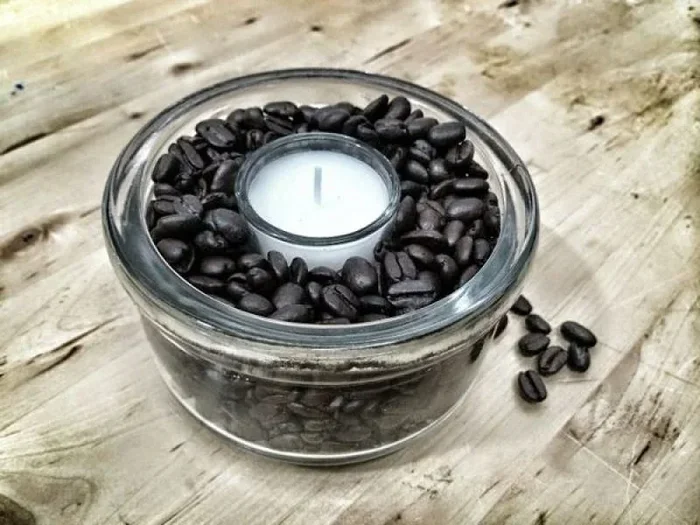
Does coffee absorb odors? Yes, used coffee grounds can trap and neutralize unwanted smells in your kitchen, fridge, and even shoes. Their porous texture and natural oils help lock away stale scents instead of just covering them up. You can place dried grounds in small bowls, sachets, or breathable bags for easy odor control. Just remember to replace them weekly and keep them completely dry to avoid mold or new smells.
Key Takeaways
- Coffee grounds act as a mild odor absorber: Their porous structure and natural compounds help trap stale smells in closed spaces.
- Drying is essential before use: Wet grounds can develop mold and create a sour smell instead of removing one.
- Best placement matters: Small bowls or breathable bags work well in fridges, cupboards, shoes, and gym bags.
- Replace regularly for best results: Used grounds lose effectiveness after about a week and should be refreshed often.
- Not a replacement for deep cleaning: Coffee helps with mild odors, but strong smells still need proper washing and ventilation.
- Freezer and fridge use is popular: Many people store dried grounds in an open container to reduce food odors.
- Avoid direct contact with food: Keep grounds in a separate container so they do not touch or flavor your meals.
📑 Table of Contents
- Does Coffee Absorb Odors
- How Coffee Grounds Interact With Odors
- Does Coffee Absorb Odors in the Fridge and Freezer
- Does Coffee Absorb Odors in Shoes, Gym Bags, and Closets
- Does Coffee Absorb Odors Better Than Other Home Remedies
- Common Mistakes When Using Coffee for Odors
- Expert Insights and Practical Tips
- Key Takeaways
Does Coffee Absorb Odors
If you have ever opened a container of used coffee grounds and wondered whether they can help with stubborn smells, you are not alone. Many people keep leftover grounds around the house because they seem to freshen up all kinds of spaces. The big question is simple: does coffee absorb odors, or does it just cover them up with a roasted scent? The short answer is that coffee can help reduce certain odors, especially when it is dried and placed correctly. It is not a magic fix for every smell, but it can be a useful, low-cost trick for everyday freshness.
Coffee has a strong reputation in the kitchen, and it shows up in more places than just your mug. People talk about coffee deodorizer tricks, fridge odor absorber ideas, and even coffee grounds for shoes. Some of those uses are practical. Others are more myth than science. In this guide, we will break down what coffee actually does, where it works best, and how to use it without creating a mess or a new smell.
You will learn how coffee grounds interact with odor molecules, which spaces benefit most, and what mistakes to avoid. We will also look at simple DIY methods, safety tips, and better options for tough smells. By the end, you will know whether coffee is the right choice for your home and how to use it in a smart way.
How Coffee Grounds Interact With Odors
To understand whether coffee can help with smells, it helps to think about texture and chemistry. Used coffee grounds are porous, which means they have tiny open spaces that can trap particles. That structure is one reason people believe coffee can hold onto unwanted scents. The surface area is larger than it looks, so grounds can come into contact with more air and more odor molecules.
Visual guide about fresh coffee beans absorbing odors
Image source: homivi.com
Coffee also contains natural oils and organic compounds. These compounds can cling to certain smells instead of letting them float freely in the air. That does not mean coffee destroys every odor. It means coffee can sometimes bind with odor particles or at least reduce how strongly they spread. In simple terms, coffee can act like a mild sponge for smells, especially in small enclosed spaces.
There is also the scent factor. Fresh coffee has a strong, pleasant aroma. That scent can mask mild odors for a short time. Masking is not the same as removing, but it can still make a space feel better. So when people ask whether coffee absorbs odors, the full answer is a mix of absorption, trapping, and scent coverage. The effect is real, but it is limited.
What Makes Coffee Good for Odor Control
A few simple traits make coffee grounds useful for everyday odor control:
- Porous texture: The rough, open surface can trap odor particles more easily than smooth materials.
- Natural organic compounds: Coffee contains plant-based substances that can interact with smells.
- Strong natural scent: The roasted aroma can help cover light odors while the grounds do their work.
- Low cost and easy to find: Most homes already have used grounds after brewing breakfast or lunch.
- Simple to reuse: Instead of tossing grounds right away, you can dry them and use them for small deodorizing jobs.
Where Coffee Works Best
Coffee is not equally effective in every place. It works best in small, closed environments where the smell is mild and the source is not constantly renewing itself. A fridge, a cupboard, a shoe rack, or a gym bag are common examples. In those spaces, coffee can help reduce stale odor between cleanings.
Larger rooms are different. In an open living space, coffee grounds alone are unlikely to make a major difference. The air moves around too much, and the smell source may be too strong. So if you are dealing with a small enclosed area, coffee is more likely to help. If the space is big or the odor is heavy, you will probably need a deeper cleaning approach.
Does Coffee Absorb Odors in the Fridge and Freezer
The fridge is one of the most common places people try coffee for smell control. Food storage areas can pick up mixed odors from leftovers, produce, dairy, and spices. A small container of dried coffee grounds can help soften those smells between cleanouts. Many people place a bowl of dried grounds on a shelf and leave it there for a few days.

Visual guide about fresh coffee beans absorbing odors
Image source: carmelbaycoffee.com
The freezer can also benefit from this trick, though the effect is usually subtle. Freezers are sealed tightly, so any odor that develops can linger. Dried grounds in an open container may help absorb some of that stale scent. Just keep the container secure so crumbs do not scatter. You do not want coffee particles mixing with frozen food.
This method works best when the fridge or freezer is already fairly clean. If there is spoiled food, spilled sauce, or a dirty seal, coffee will not solve the problem on its own. Think of it as a support tool, not the main fix. For strong food odors, remove the source first, wash the interior, and then use coffee as a maintenance step.
Best Way to Use Coffee in the Fridge
If you want to try coffee in the fridge, keep the process simple and clean:
- Dry the grounds first: Spread used grounds on a tray and let them dry fully before placing them inside.
- Use a small open bowl: A shallow container gives the grounds more air contact.
- Place it on a shelf, not near food: Keep the bowl separate from produce and ready-to-eat items.
- Replace weekly: Old grounds lose effectiveness and can start to smell stale themselves.
- Check for moisture: If the grounds feel damp, remove them right away.
What to Avoid in the Freezer
The freezer is colder and more delicate than the fridge, so a few cautions matter:
- Do not let grounds touch food: Keep them in a separate container with an open top.
- Avoid loose grounds: Loose particles can drift and stick to surfaces.
- Do not use wet grounds: Moisture can freeze, clump, and create odor problems instead of solving them.
- Watch for flavor transfer: Coffee scent can sometimes influence nearby items if the container is too close.
Does Coffee Absorb Odors in Shoes, Gym Bags, and Closets
Small personal items are another popular use for coffee grounds. Shoes, sneakers, gym bags, and closet corners often hold sweat, damp fabric, and stale air. A bit of dried coffee can help reduce that musty smell. The trick is to keep the grounds contained so they do not spill into the item itself.
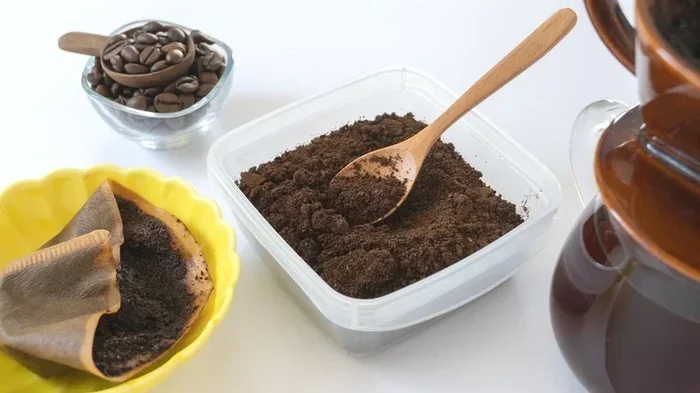
Visual guide about fresh coffee beans absorbing odors
Image source: foodrepublic.com
For shoes, many people place dried grounds in a small cloth bag or a breathable sachet. That keeps the grounds close enough to help with odor while preventing a messy cleanup. For gym bags, a small open container or pouch can sit at the bottom of the bag when it is not in use. In closets, a bowl of dried grounds can sit on a shelf to help with mild stale air.
These methods work best when the items are dry. If shoes or bags are still damp, the smell is more likely to return. Coffee can help with leftover odor, but drying the item first makes a much bigger difference. Airflow, clean fabric, and regular washing still matter most.
Simple DIY Coffee Sachets
A sachet is an easy way to use coffee without spilling grounds everywhere. You can make one with a small fabric pouch, a coffee filter, or even a tissue folded into a packet. Fill it with dried grounds, tie it closed, and place it where the smell is strongest. This is especially handy for shoes and bags because the packet is portable and contained.
You can also add a little baking soda to the sachet if you want extra odor-fighting support. Baking soda is a well-known odor neutralizer, and pairing it with coffee grounds can make a simple homemade deodorizer packet. Just keep the mixture dry and replace it often.
Quick Tips for Shoes and Bags
- Use fully dried grounds: Wet grounds can leave residue and create a sour smell.
- Keep the packet breathable: A tight seal reduces airflow and limits odor control.
- Place it overnight: A few hours can help, but longer exposure usually works better.
- Remove before wearing: Take the sachet out before using the shoe or bag.
- Clean first if possible: Coffee works better on already-clean items.
Does Coffee Absorb Odors Better Than Other Home Remedies
Coffee is convenient, but it is not the only home odor remedy. Baking soda, activated charcoal, vinegar, and fresh airflow all have their own strengths. Coffee is best thought of as a mild, easy-to-find option for light smells. If you want stronger odor control, other tools may do a better job.
Baking soda is often more effective for persistent odors because it can help neutralize acidic and basic smell compounds. Activated charcoal is also highly porous and is commonly used in odor absorbers for cars, closets, and small spaces. Vinegar can help cut through strong organic smells, though the vinegar scent itself is strong at first. Coffee sits somewhere in the middle: useful, accessible, and pleasant-smelling, but not the strongest option available.
That said, coffee has one big advantage: many people already have it. If you brew coffee at home, you may have grounds available without buying anything extra. That makes it a practical quick fix. It is also less harsh-smelling than vinegar, which some people dislike. So the best choice depends on the smell, the space, and what you already have in your kitchen.
Comparison of Common Odor Absorbers
| Remedy | Best For | Strengths | Limitations |
|---|---|---|---|
| Coffee grounds | Fridge, shoes, small closed spaces | Easy to reuse, pleasant scent, low cost | Mild effect, needs drying, can mold if damp |
| Baking soda | Refrigerators, carpets, laundry, shoes | Strong odor-neutralizing ability, inexpensive | Needs replacement, can clump if wet |
| Activated charcoal | Closets, cars, small rooms | Highly porous, long-lasting in some products | Can be pricier, less convenient for quick DIY use |
| White vinegar | Kitchen smells, strong organic odors | Helps cut through stubborn smells | Strong vinegar scent, not ideal for every space |
| Fresh airflow | Any space with stale air | Free, effective, removes odor source fast | Depends on weather, ventilation, and outdoor air quality |
When Coffee Is the Right Choice
Coffee makes the most sense when you want a simple, low-effort solution for a mild smell. It is a good match for short-term freshness between cleanings. It is also helpful when you want a natural-smelling option instead of a chemical one. If the odor is light and the space is small, coffee can be a practical choice.
If the smell is strong, old, or caused by moisture damage, coffee is probably not enough. In those cases, clean the area first, remove the source, and improve ventilation. Then you can use coffee as a finishing touch if you want. That balanced approach keeps expectations realistic and prevents disappointment.
Common Mistakes When Using Coffee for Odors
Coffee can help, but only if you use it the right way. A few common mistakes can turn a useful trick into a sticky problem. The biggest one is using wet grounds. Moist coffee can grow mold, and mold brings its own unpleasant smell. If you want odor control, dryness matters.
Another mistake is leaving grounds in place too long. Old coffee grounds can start to smell stale themselves. When that happens, they may add to the problem instead of reducing it. Regular replacement is important, especially in warm or humid spaces. A week is a rough guideline, though you may need to change them sooner if they get damp.
People also sometimes place coffee too close to food or forget to contain the grounds. Loose grounds can scatter, and direct contact with food is not ideal. A small bowl, pouch, or filter packet keeps everything cleaner. It is also smarter to use coffee as a supplement rather than expecting it to replace washing, trash removal, or ventilation.
Common Mistakes to Avoid
- Using damp grounds: Wet coffee can mold and create a sour smell.
- Leaving grounds too long: Old grounds can lose effectiveness and start smelling stale.
- Placing them near food: Keep coffee containers separate from meals and ingredients.
- Expecting too much: Coffee helps with mild odors, not heavy contamination.
- Skipping cleanup: If the smell source remains, coffee will only do so much.
- Forgetting airflow: A closed, stuffy space often needs ventilation too.
Expert Insights and Practical Tips
If you want the best results, treat coffee as part of a simple freshness routine. Start by removing the odor source whenever possible. Toss spoiled food, wash smelly fabric, and wipe down surfaces. Then use dried coffee grounds as a light-support method in the areas that still need a little help.
It also helps to match the method to the space. A fridge may only need a small bowl of dried grounds. Shoes may work better with a sachet. A gym bag may do well with a loose pouch that you can remove before use. The goal is to keep the coffee close enough to help, but not so loose that it becomes a mess.
If you enjoy coffee and want to keep your kitchen smelling clean, this can be a nice habit. You recycle grounds, reduce waste a little, and get a modest freshness boost. That said, it is still important to stay realistic. Coffee is helpful, but it is not a miracle deodorizer. When used well, it is a simple, friendly tool for everyday odor control.
Expert Insights for Better Results
- Dry thoroughly before use: Spread grounds out and let them air-dry fully.
- Use small amounts: A little goes a long way in enclosed spaces.
- Contain the grounds: Bowls, filters, and fabric pouches keep things tidy.
- Track replacement time: Refresh grounds before they turn stale.
- Combine with cleaning: The best results come from cleanup plus odor support.
- Store unused grounds safely: Keep spare dried grounds in a dry container if you plan to use them later.
Key Takeaways
- Coffee can help with mild odors: Dried grounds work best in small, closed spaces.
- Dryness matters most: Wet grounds can mold and create new smells.
- Use simple containers: Bowls, sachets, and filters keep grounds contained.
- Replace often: Fresh grounds work better than old, stale ones.
- Coffee is a support tool: It works best after cleaning and source removal.
- Match the method to the space: Fridge, shoes, and bags each need a slightly different approach.
- Keep expectations realistic: Coffee is useful, but it is not the strongest odor remedy available.
So, does coffee absorb odors? It can, especially when the grounds are dried and placed in a small enclosed area. Coffee is not a complete solution for every smell, but it is a practical, affordable helper for everyday freshness. If you use it carefully, replace it often, and combine it with basic cleaning, coffee grounds can be a simple way to keep some spaces smelling cleaner.
Frequently Asked Questions
Does coffee absorb odors in the refrigerator?
Yes, dried coffee grounds can help reduce mild fridge odors when placed in a small open container. They work best as a maintenance trick after you clean out old food and wipe the shelves.
Can I put used coffee grounds directly in my shoes?
It is better to keep the grounds in a cloth pouch or sachet instead of pouring them directly inside. That prevents mess and keeps the grounds from sticking to the shoe material.
Do coffee grounds remove smells or just cover them up?
They do a little of both. The porous grounds can trap some odor particles, while the roasted scent can also mask lighter smells for a short time.
How long do coffee grounds last as an odor absorber?
They usually work best for about a week, though damp or stale grounds may need replacing sooner. If they start smelling old, swap them out right away.
Is coffee better than baking soda for odors?
Not always. Baking soda is often stronger for persistent odors, while coffee is more convenient and smells more pleasant. The best choice depends on the space and the type of smell.
Can coffee grounds help with trash can smells?
They can help a little if the trash bin is cleaned regularly and the grounds are placed in a dry container nearby. For strong trash odors, cleaning the bin and using a sealed bag usually matters more.



